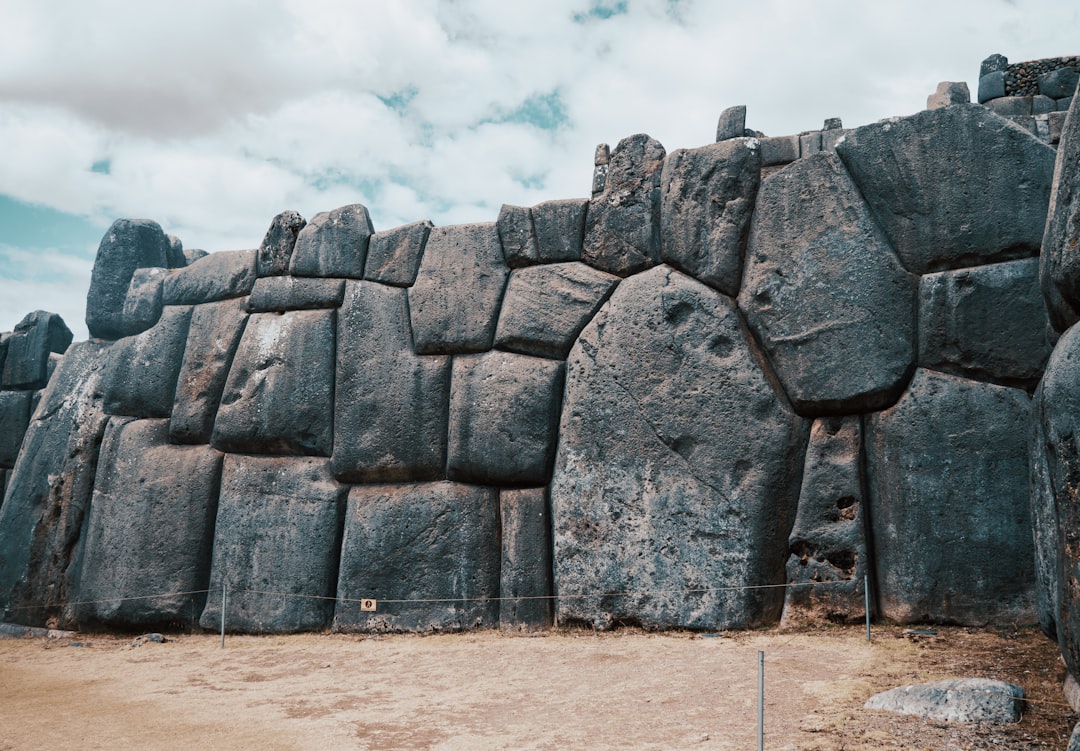
The enduring enigma of ancient polygonal masonry, a testament to the ingenuity of lost civilizations, continues to captivate and mystify. Across the globe, from the mist-shrouded peaks of the Andes to the sun-baked plains of the Mediterranean, colossal stones, precisely shaped and fitted without mortar, stand as silent witnesses to a forgotten architectural prowess. While the aesthetics of these perfectly interlocked structures are undeniably striking, their lasting appeal transcends mere visual splendor. The prevailing academic consensus points to a fundamental understanding of engineering principles by these ancient builders. They employed polygonal masonry not out of aesthetic whim, but for its inherent strength and durability, functionalities that have allowed these monumental constructions to withstand the ravages of time, earthquakes, and human interference for millennia.
The phenomenon of polygonal masonry is not confined to a single culture or region. Its presence scattered across vastly different geographical locations suggests either independent innovation or a shared, albeit undocumented, ancient knowledge system. This widespread distribution fuels the mystique, prompting scholars to question how such similar monumental building techniques could arise in seemingly isolated civilizations.
Andean Giants: Machu Picchu and Sacsayhuamán
Perhaps the most iconic examples of polygonal masonry are found in the Andean civilizations, particularly the Inca Empire. The citadel

The Walls That Shouldn’t Still Be Standing
FAQs
What is polygonal masonry?
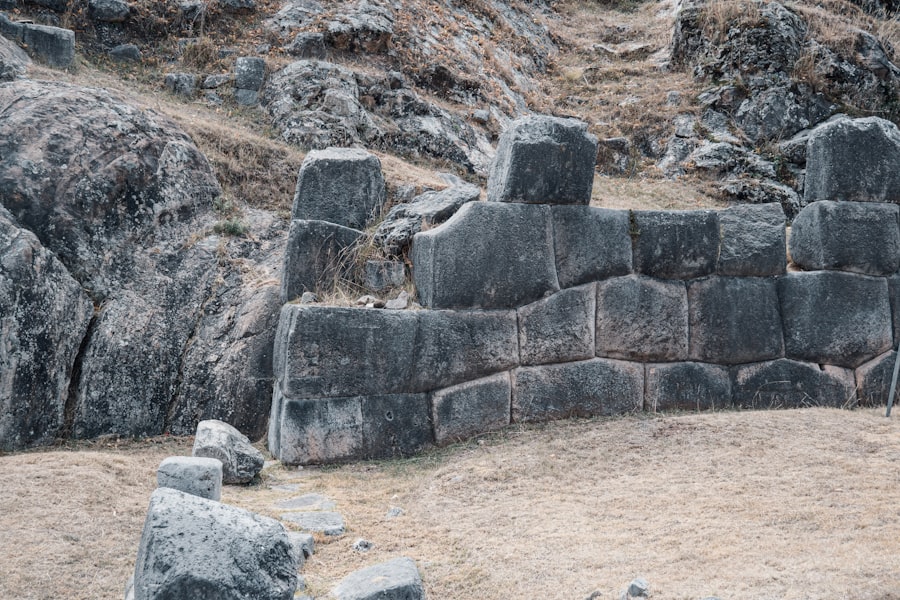
Polygonal masonry is a construction technique where stones are cut and fit together in irregular shapes, often with no mortar, to create a strong and durable structure.
Why did ancient builders use polygonal masonry?
Ancient builders used polygonal masonry because it provided a strong and earthquake-resistant structure. The irregular shapes of the stones allowed for a tight fit, creating a stable and durable wall.
Where can examples of polygonal masonry be found?
Examples of polygonal masonry can be found in ancient structures around the world, including in Greece, Italy, Peru, and Turkey. Some famous examples include the walls of the ancient city of Cusco in Peru and the Temple of Jupiter in Baalbek, Lebanon.
What tools did ancient builders use for polygonal masonry?
Ancient builders used simple hand tools such as hammers, chisels, and picks to shape the stones for polygonal masonry. The precision and skill of the builders allowed them to create tight-fitting joints without the use of mortar.
What are the advantages of polygonal masonry?
The advantages of polygonal masonry include its strength, durability, and resistance to seismic activity. The tight-fitting stones create a stable structure that can withstand the test of time, making it a popular choice for ancient builders.