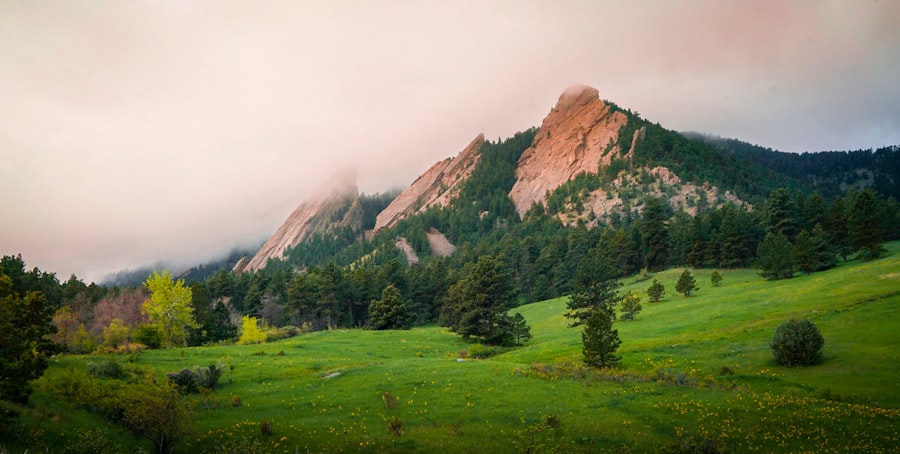
The weathered crag, immense and solitary, loomed over the valley. Locals called it the “Whispering Stone,” a name born from the way the wind, snaking through its crevices, seemed to carry hushed secrets. For generations, stories had swirled around its origin, tales spun from folklore, superstition, and a gnawing, persistent mystery. No one in the valley, no matter how old, could recall a time when the boulder wasn’t there, a stoic sentinel against the passage of seasons. It was as if it had been deposited there by some cosmic hand, an immutable artifact of an unknown era. The sheer scale of it defied easy explanation. Its surface, striated with veins of an unknown mineral that glinted an unsettling amethyst hue in the sunlight, spoke of forces far beyond human comprehension. Yet, the boulder remained, a silent enigma, its genesis a question that echoed through generations, unanswered.
The boulder, affectionately or perhaps reverently known as the Whispering Stone, was more than just a geological anomaly; it was the heart of the valley’s identity. Its shadow, stretching and contracting with the sun’s traverse, marked the rhythm of daily life, guiding farmers to their fields and children to their games.
Physical Characteristics That Defy Explanation
Its dimensions were staggering. Local estimations, though lacking scientific precision, consistently placed its height at over fifty feet and its circumference at a heart-stopping hundred. The sheer mass was humbling. No known natural process in the immediate vicinity could account for such a colossal deposition. Its composition, too, was peculiar.
The Unidentified Mineral Veins
The distinctive amethyst-colored veins that laced the boulder were a constant source of fascination and speculation. These mineral inclusions, unlike anything found in the surrounding sedimentary rock, added to the aura of otherworldliness. Geological surveys, conducted with increasing regularity as the mystery deepened, had thus far failed to identify the mineral, adding another layer to the enigma. Early attempts to chip away samples for analysis were met with unexpected resilience, the stone resisting even the most determined blows.
A Surface Sculpted by Time and Unseen Forces
The boulder’s surface was not smooth, but rather a testament to eons of exposure to the elements, yet also bearing features that hinted at something more. Subtle undulations spoke of erosion, but sharp, unnatural gouges and strange, almost geometric patterns within the stone itself suggested interventions beyond mere weathering. These markings were particularly evident on the side facing the prevailing winds, leading some to believe they were carved by ancient storms of unimaginable power.
The Boulder’s Impact on the Local Landscape
Beyond its sheer size, the boulder had profoundly shaped the surrounding environment. Its presence influenced soil composition, the growth patterns of vegetation, and even the flow of a nearby stream, which gracefully curved around its base as if respecting its ancient dominion.
A Microcosm of Biodiversity
The sheltered nooks and crannies at the boulder’s base had nurtured a unique micro-ecosystem. Rare mosses, resilient wildflowers, and surprisingly diverse insect life thrived in the perpetual shade and shelter it provided, forming a miniature world of its own, seemingly untouched by the broader ecological trends of the valley.
The Whispers of the Wind
The name “Whispering Stone” was not merely poetic. The peculiar way the wind interacted with the boulder’s porous structure and its myriad fissures created an array of audible phenomena, from low hums to high-pitched whistles that seemed to carry across the valley. For generations, these sounds had been interpreted as the voices of ancestors, nature spirits, or even the echoes of forgotten celestial events.
The presence of this boulder has intrigued many, prompting discussions about its geological significance and historical context. For a deeper understanding of the factors that led to its formation and placement, you can explore a related article that delves into the geological processes and historical events that shaped the landscape. This article can be found at this link.
Folklore and Fabled Origins: Tales of the Ancients
The absence of concrete explanation for the boulder’s presence had given fertile ground to the valley’s rich tapestry of oral traditions. These stories, passed down through campfire tales and whispered bedtime narratives, offered a captivating, albeit often fantastical, glimpse into the perceived origins of the Whispering Stone.
Myths of Divine Intervention
Many legends attributed the boulder’s placement to beings of immense power, gods or giants, who left their mark upon the land. These tales often served to explain not only the boulder’s existence but also its imposing and unyielding nature, attributing it to divine decree.
The God of the Mountain’s Rest
One popular myth spoke of a benevolent mountain god who, weary from shaping the surrounding peaks, chose the valley as a resting place for one of his most prized creations, a colossal gemstone he had painstakingly formed. He carefully lowered it into the valley, its weight shaping the very earth beneath.
The Giant’s Dropped Treasure
Another tale recounted a celestial giant who, while traversing the heavens with a sack full of precious minerals, stumbled. The sack tore, and a single, enormous gem tumbled from the sky, landing with a thunderous impact that carved its resting place. This resonated with the amethyst veins, believed to be the shattered remnants of the giant’s celestial hoard.
Stories of Cosmic Cataclysm
Other narratives leaned towards events of a more destructive, yet equally awe-inspiring, nature. These were the tales that spoke of the sky falling, of celestial battles, and of powers that could move mountains with ease.
The Fallen Star’s Heart
The most enduring of these cosmogenic myths posited that the boulder was the solidified heart of a fallen star, a celestial body that had plunged from the heavens in an age before human memory. The immense heat and energy of its impact, so the story went, transformed it into the stone that now stood sentinel. The vibrant amethyst veins were thought to be fragments of its original, incandescent core.
Echoes of a Primordial War
A more melodramatic narrative described the boulder as a remnant of a titanic war between primordial forces, a weapon or a fragment of a colossal entity that met its end in the valley, its broken form forever embedded in the earth. This accounted for the unnatural markings, seen as the scars of ancient, cosmic conflict.
Archaeological and Geological Investigations: Seeking Tangible Answers
As the valley modernized and scientific curiosity grew, the Whispering Stone became a subject of intense scrutiny, drawing researchers from various disciplines eager to unravel its secrets through empirical methods. These investigations, though often yielding more questions than answers, gradually began to piece together a more scientific, albeit still incomplete, picture.
Early Expeditions and Preliminary Findings
The first systematic investigations were largely observational and relied on rudimentary geological tools. These early expeditions laid the groundwork for more sophisticated analyses, compiling detailed descriptions of the boulder’s features and surrounding geology.
Mapping the Immediate Surroundings
Researchers meticulously mapped the geological strata surrounding the boulder, looking for any clues of an impact event or a natural formation process that could explain its presence. They charted the soil composition and rock types, hoping to find a matching source material.
Documenting the Unusual Markings
Detailed photographic and drawing records were made of every anomaly on the boulder’s surface. These included the unusual abrasions, the geometric patterns, and the peculiar texture of the stone, all meticulously documented for future study.
Modern Scientific Endeavors: A Deeper Dive
With advancements in technology, more sophisticated analytical techniques were employed. These brought a new level of precision and detail to the investigations, pushing the boundaries of understanding.
Core Sampling and Radiometric Dating
Attempts were made to extract core samples from the boulder itself, a challenging endeavor given its hardness. When successful, these samples were subjected to various dating techniques, aiming to ascertain the age of the stone and its mineral inclusions. The results, however, were often inconclusive or defied conventional dating methods, adding to the perplexity.
Spectroscopic Analysis of Mineral Veins
Advanced spectroscopic analysis was employed to precisely identify the elements and compounds that constituted the amethyst veins. This revealed a complex chemical signature, hinting at exotic mineral formations not readily found on Earth, or perhaps formed under extreme and unusual conditions.
Paleontological Surveys of the Valley Floor
Extensive paleontological surveys were conducted in the vicinity of the boulder, searching for fossilized evidence that might correlate with its deposition or the geological period it represented. While some ancient flora and fauna were discovered, nothing directly linked back to the boulder’s origin.
Theories of Formation: From Glacial Erratic to Extraterrestrial Impact
The accumulated data, coupled with the enduring folklore, spurred a multitude of theories regarding the boulder’s genesis. These ranged from scientifically plausible explanations grounded in known geological processes to more speculative, albeit captivating, possibilities.
The Glacial Explanation: A Natural, Yet Extreme, Hypothesis
One of the most commonly considered natural explanations involved the powerful forces of glaciation. This theory proposed that the boulder was a remnant of a massive glacier that once covered the region.
The Erratic Boulder Scenario
Under this hypothesis, the boulder would be classified as a glacial erratic – a rock fragment transported by a glacier and deposited far from its original source. However, the sheer size of the Whispering Stone presented a significant challenge to this explanation.
Scale of the Glacial Transport Challenge
Glaciers are capable of transporting immense rocks, but the sheer volume of the boulder and the lack of any identified similar rock formations in the potential upstream glacial path raised doubts. The specific mineral composition also didn’t align with known glacial erosion patterns in the area.
Absence of Other Glacial Evidence
While the valley showed some signs of past glaciation, the absence of widespread moraines or other definitive glacial features of a scale that could account for such a massive erratic cast a shadow of doubt over this theory.
The Volcanic Origin Hypothesis: A Fiery Genesis
The possibility of a volcanic origin was also explored, considering the immense forces that could shape and transport such a massive geological entity.
Possibility of a Subterranean Eruption
Some theorized that the boulder might have been ejected from a powerful, long-extinct subterranean volcanic event. The intense pressure and heat could have formed and transported such a unique geological structure.
The Unidentified Magmatic Source
The mineral composition of the boulder and its veins did not fully align with known volcanic rocks in the region, suggesting an exotic or extremely deep magmatic source, if volcanic at all. The lack of any caldera or typical volcanic landforms further complicated this theory.
Meteoritic Impact: The Extraterrestrial Connection
The most tantalizing, and perhaps most persistent, theory pointed towards an extraterrestrial source: a meteoritic impact. This explanation frequently emerged in discussions, fueled by the boulder’s otherworldly appearance and the sheer scale of its presence.
The “Fallen Star” Legend Connection
The striking resemblance of the “fallen star” myths to this hypothesis made it a culturally resonant explanation. The idea that a fragment of another world had landed in their valley captured the imagination.
Evidence of Impact Craters and Shocked Quartz
While no definitive impact crater was readily apparent, sophisticated geological surveys looked for indirect evidence. The search for shocked quartz, a telltale sign of high-impact events, and other anomalies consistent with meteorite impacts became a key focus for researchers.
The Compositionary Uniqueness
The peculiar mineral composition, particularly the amethyst veins, was often cited as potential evidence for an extraterrestrial origin, suggesting materials not commonly found on Earth.
The presence of this boulder in the landscape has intrigued many, leading to various theories about its origins and significance. Some believe it may have been placed here by ancient civilizations as a marker or for ceremonial purposes. For a deeper understanding of how natural formations like this boulder can hold historical and cultural significance, you can explore the related article on ancient weather wisdom, which discusses how our ancestors interpreted nature’s signs. This connection to the past can provide valuable insights into why such landmarks exist in our environment. You can read more about it here.
Enduring Mysteries and Future Prospects: The Quest Continues
| Reason | Explanation |
|---|---|
| Glacial movement | The boulder may have been transported and deposited by a glacier during the last ice age. |
| Erosion | Erosion of surrounding rock may have exposed the boulder and left it in its current location. |
| Tectonic activity | Tectonic forces may have shifted the boulder from its original location and brought it to its current position. |
| Volcanic activity | The boulder may have been ejected from a volcano during an eruption and landed in its current location. |
Despite decades of diligent inquiry, the true origin of the Whispering Stone remains an open question, a testament to the enduring power of the unknown. The boulder continues to guard its secrets, inviting speculation and inspiring a sense of wonder.
Unanswered Questions and Lingering Doubts
The scientific community, while having ruled out some of the more fanciful origins, still faces a considerable number of unresolved enigmas concerning the Whispering Stone. Each piece of data uncovered seems to generate new questions, perpetuating the mystery.
The Puzzle of the Amethyst Veins
The persistent inability to definitively identify the mineral composition of the amethyst veins, and their unique crystalline structure, remains a significant hurdle. Their formation process is unlike anything observed in terrestrial geology.
The Absence of a Definitive Source
Even with the most plausible geological theories, the lack of a clear source or a contextual geological formation that could explain the boulder’s presence continues to be a primary point of contention.
The Future of Investigation: New Technologies and Interdisciplinary Approaches
The pursuit of answers is far from over. Advancements in scientific technology and a willingness to approach the mystery from interdisciplinary perspectives offer renewed hope for future discoveries.
Next-Generation Dating Techniques
The application of as-yet-undeveloped or highly specialized dating techniques might provide more accurate and insightful chronological data, shedding light on the boulder’s age and the geological era of its formation.
Advanced Remote Sensing and Geophysical Exploration
Utilizing cutting-edge remote sensing technologies and advanced geophysical exploration methods could allow researchers to probe deeper into the earth around the boulder, potentially uncovering hidden geological structures or impact evidence that was previously inaccessible.
Collaboration Between Disciplines
A more holistic approach, fostering collaboration between geologists, mineralogists, astronomers, archaeologists, and even cultural anthropologists, could offer fresh perspectives. Understanding how the boulder has influenced human culture and its continued presence in folklore might provide non-traditional clues.
The Boulder as a Symbol of the Unknown
Ultimately, the Whispering Stone serves as a powerful symbol of the vastness of the unknown and the human drive to understand. Its origin story, whether a divine gift, a cosmic accident, or an ancient geological marvel, remains woven into the fabric of the valley, a constant reminder that some mysteries are meant to endure, inspiring awe and encouraging us to keep looking, keep questioning, and keep exploring. The whispers carried by the wind are not just sounds; they are invitations to ponder the immeasurable depth of time and the extraordinary forces that have shaped our world.

The Boulder That Shouldn’t Exist
FAQs
What is the significance of the boulder’s presence?
The significance of the boulder’s presence can vary depending on the context. It could be a natural geological formation, a result of glacial movement, or placed there intentionally for landscaping or artistic purposes.
How did the boulder get to its current location?
The boulder may have been transported to its current location by natural forces such as glaciers, or by human intervention such as heavy machinery or manual labor.
What factors contribute to the boulder’s presence in this specific location?
Factors such as geological processes, erosion, human activity, and natural forces like water and ice can contribute to the boulder’s presence in a specific location.
What is the composition of the boulder?
The composition of the boulder can vary depending on its geological origin. It could be made of granite, limestone, sandstone, or other types of rock.
How does the boulder’s presence impact the surrounding environment?
The boulder’s presence can impact the surrounding environment by influencing water flow, providing habitat for plants and animals, and contributing to the overall landscape aesthetics.