
The concept of “pristine wilderness” has long been a cornerstone of environmentalism and a romanticized ideal for many. It conjures images of untouched landscapes, landscapes where human influence is absent, existing in a state of perfect, untarnished naturalness. This idealized vision has fueled conservation efforts, national park designations, and a desire to protect what is perceived as the last vestiges of an ancient, wild Earth. However, a growing body of scientific evidence and historical scholarship challenges this notion, suggesting that the idea of truly pristine, human-free wilderness is, in large part, a myth. This article seeks to unveil the truth behind this powerful ideal, exploring the complex and often overlooked histories of human interaction with natural environments, and re-examining what it means to conserve landscapes in the 21st century.
The idea of pristine wilderness as we understand it today is largely a product of the Romantic era, a cultural movement that emerged in the late 18th and early 19th centuries. This period saw a profound shift in how people perceived nature, moving away from viewing it as something to be tamed and exploited towards a reverence for its wildness, beauty, and spiritual power.
Nature as a Divine Canvas
For Romantics, nature was not merely a collection of resources but a sacred text, a reflection of the divine. Writers like William Wordsworth and Samuel Taylor Coleridge found solace, inspiration, and moral guidance in the untamed landscapes of the British countryside and the Alps. They celebrated the sublime – a feeling of awe mixed with a touch of terror – evoked by vast mountains, roaring waterfalls, and boundless oceans. This emotional and spiritual connection fostered a desire to preserve these awe-inspiring places from the encroaching industrialization and urbanization of their time.
The “Empty” Continent
In North America, the concept of pristine wilderness took on a different, though related, dimension. European settlers, arriving on a continent that had been inhabited for millennia, often perceived the vast forests, plains, and mountains as an empty expanse, awaiting their dominion. This perception was fueled by a combination of ignorance, ethnocentrism, and a desire to justify westward expansion. The Indigenous populations, with their deep and intricate relationships with the land, were frequently rendered invisible or depicted as primitive obstacles to progress.
Thoreau and the Call for Solitude
Henry David Thoreau, with his seminal work Walden, further cemented the ideal of wilderness as a place for human introspection and escape from the corrupting influences of society. His retreat to Walden Pond was not about finding a completely unpeopled space, but rather about simplifying his life and reconnecting with what he saw as the fundamental truths of nature. Yet, his writings have been widely interpreted as a testament to the value of solitude in an untouched natural setting, contributing to the romantic notion of wilderness as a place devoid of human society.
The concept of pristine wilderness has been challenged by various scholars and environmentalists, who argue that many natural landscapes have been significantly shaped by human activity over centuries. A related article that delves into the implications of human intervention in seemingly untouched areas is “The Militarization of the Moon’s South Pole,” which explores how even remote locations like the Moon are subject to geopolitical interests and human exploitation. You can read more about this intriguing perspective on the intersection of nature and human influence by visiting the article here: The Militarization of the Moon’s South Pole.
Challenging the “Empty” Landscape: The Human Footprint
The romantic ideal of pristine wilderness often overlooks the profound and long-standing impact of human presence on natural environments, particularly that of Indigenous peoples. For thousands of years, before European arrival, Indigenous communities actively managed and shaped the landscapes they inhabited, creating intricate mosaics of biodiversity and ecological health.
Indigenous Land Management Practices
Indigenous peoples around the globe developed sophisticated and sustainable land management techniques that were deeply integrated with their cultural and spiritual beliefs. These practices were not about “conquering” nature but about living in harmony with it, understanding its cycles, and ensuring its long-term viability.
Fire as a Tool for Ecological Shaping
Controlled burning, a common practice among many Indigenous groups, played a crucial role in shaping ecosystems. By strategically setting fires, they cleared undergrowth, prevented larger, more destructive wildfires, promoted the growth of specific plants important for food and medicine, and created diverse habitats for game animals. The absence of these traditional burns in many post-colonial landscapes has, in some cases, led to ecological imbalances and increased wildfire risk.
Selective Harvesting and Cultivation
Indigenous communities were not simply hunter-gatherers. They engaged in selective harvesting of plants and animals, ensuring populations remained healthy. In some regions, they also practiced forms of agriculture and horticulture, cultivating specific species and creating productive landscapes that supported their communities. The vastness and apparent wildness of the Americas, for instance, were often the result of millennia of such active management, not an absence of human intervention.
The “Ecological Silence” of Colonial Narratives
Colonial narratives, driven by economic imperatives and a hierarchical worldview, often erased or minimized the presence and impact of Indigenous peoples. The wilderness that settlers encountered was not a blank slate but a land already shaped by human hands, a testament to the ingenuity and stewardship of its original inhabitants. The concept of “discovery” itself implies a prior emptiness, a notion that science and history are increasingly debunking.
The Shifting Sands of Ecological Science

Contemporary ecological science is increasingly recognizing the dynamic and interconnected nature of ecosystems, moving away from static, idealized models. This shift has led to a greater appreciation for the role of disturbance, including human disturbance, in shaping biodiversity and ecological processes.
The Dynamic Nature of Ecosystems
Ecosystems are not static, unchanging entities. They are constantly evolving, influenced by a multitude of factors, including climate, geological processes, and biological interactions. The idea of a fixed, “natural” state is often a theoretical construct rather than an ecological reality. Human activities, whether intentional or unintentional, have always been part of this dynamic flux.
Disturbance Ecology and Biodiversity
The field of disturbance ecology highlights the importance of disturbances – events like fires, floods, and even human activities – in creating and maintaining biodiversity. While some disturbances can be destructive, others can open up new niches, create habitat diversity, and prevent the dominance of a few species. The notion of pristine wilderness often implies a lack of disturbance, which can, paradoxically, lead to less diverse and resilient ecosystems.
The Anthropocene and Human Influence
The concept of the Anthropocene, the current geological epoch characterized by significant human impact on the Earth’s geology and ecosystems, underscores the pervasive nature of human influence. Whether through climate change, habitat fragmentation, or the introduction of invasive species, human activities have altered virtually every corner of the planet. To seek a wilderness entirely devoid of this influence is, in many cases, an impossibility.
Rethinking Conservation in a Human-Shaped World
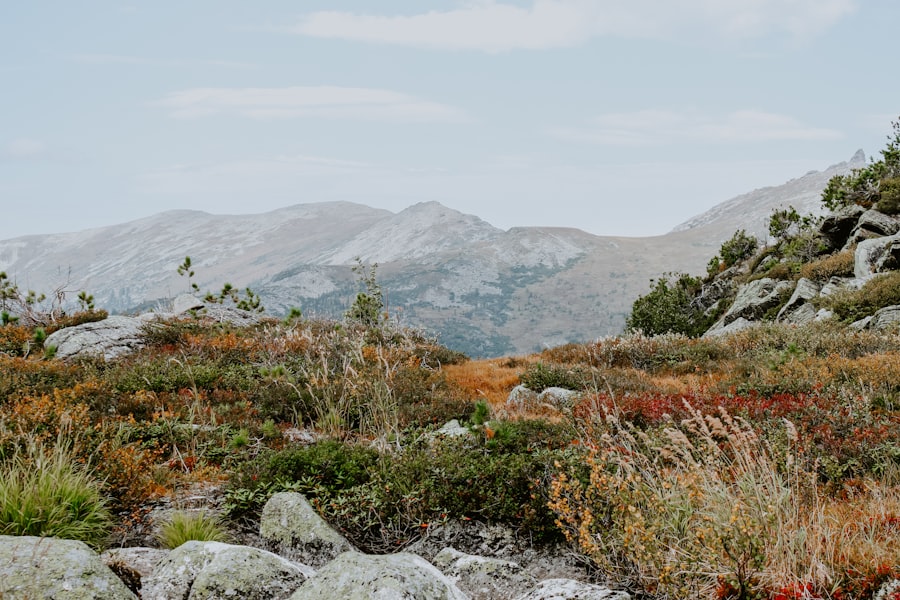
The realization that “pristine wilderness” is largely a myth necessitates a fundamental re-evaluation of conservation strategies. Instead of striving to eliminate human presence, conservation efforts may need to focus on co-existing with and actively managing landscapes in collaboration with local communities.
Embracing Hybrid Landscapes
Many of the most biodiverse and resilient landscapes today are not pristine in the traditional sense but are “hybrid” landscapes, where human activities have been integrated with ecological processes for generations. These could include traditional agricultural landscapes, managed forests, and areas where Indigenous stewardship continues. Recognizing the ecological value of these human-modified environments is crucial for effective conservation.
Reimagining the Role of Humans in Conservation
Rather than viewing humans solely as a threat to wilderness, conservation can increasingly focus on the role of humans as stewards and active participants in ecological restoration and maintenance. This involves empowering local communities, respecting traditional knowledge, and developing collaborative conservation models. The goal shifts from exclusion to integration, from preservation of an imagined past to the active cultivation of a more sustainable future.
The Importance of Indigenous Knowledge in Conservation
The vast repository of Indigenous ecological knowledge, accumulated over millennia, offers invaluable insights for contemporary conservation. This knowledge encompasses understanding local ecosystems, sustainable resource management, and the cultural significance of biodiversity. Integrating this knowledge with scientific approaches can lead to more effective and culturally appropriate conservation outcomes.
The concept of pristine wilderness has often been challenged by various scholars and environmentalists who argue that many landscapes we consider untouched have been significantly shaped by human activity over centuries. This perspective is further explored in an insightful article that discusses the impact of ancient civilizations on the environment and how their innovations, such as pneumatic foundations, transformed the land. To delve deeper into this topic, you can read more about it in the article Unearthing Ancient Cities: The Pneumatic Foundations, which highlights the intricate relationship between human development and the natural world.
The Enduring Power of Wildness: Beyond the Myth
| Data/Metric | Description |
|---|---|
| Deforestation Rate | The rate at which forests are being cleared for development or agriculture, impacting the idea of pristine wilderness. |
| Biodiversity Loss | The decline in the variety of plant and animal species in a given area, often due to human activities. |
| Carbon Emissions | The amount of carbon dioxide and other greenhouse gases released into the atmosphere, contributing to climate change and impacting wilderness areas. |
| Human Impact | The extent to which human activities such as pollution, hunting, and urbanization have altered natural landscapes. |
While the notion of pristine, untouched wilderness may be a myth, the underlying human yearning for connection with the natural world, for spaces that inspire awe and offer respite, remains potent and important. The value of wildness, of natural landscapes that are not entirely dominated by human infrastructure and control, is not diminished by the absence of an idealized “pristine” state.
The Psychological and Spiritual Benefits of Nature
The psychological and spiritual benefits of experiencing natural environments are well-documented. Access to green spaces, forests, mountains, and oceans has been shown to reduce stress, improve mental well-being, and foster a sense of connection to something larger than oneself. These benefits are not contingent on a landscape being entirely devoid of human history.
The Ethical Imperative for Protection
Even if true pristine wilderness is an elusive ideal, the ethical imperative to protect natural environments from destructive exploitation and irreversible damage remains. The loss of biodiversity, the degradation of ecosystems, and the impacts of climate change are urgent concerns that demand action. Our understanding of what constitutes “protected” should evolve to encompass a broader, more nuanced view of human-environment relationships.
Towards a More Realistic and Inclusive Conservation
The myth of pristine wilderness, while having served a historical purpose, can hinder progress towards more effective and equitable conservation. By acknowledging the complex history of human interaction with the environment and embracing the dynamism of ecosystems, we can move towards conservation strategies that are more realistic, inclusive, and ultimately, more successful in safeguarding the planet’s natural heritage for future generations. The pursuit of wildness need not be a quest for an unattainable, unpeopled past, but a commitment to fostering healthy, resilient, and vibrant landscapes where both nature and humanity can thrive.

The Wilderness Was Engineered
FAQs
What is the myth of pristine wilderness?
The myth of pristine wilderness is the belief that certain natural areas are untouched by human influence and remain in a pristine, untouched state. This myth often ignores the long history of human interaction with the environment and the impact of human activities on these areas.
Why is the myth of pristine wilderness misleading?
The myth of pristine wilderness is misleading because it fails to acknowledge the long history of human presence and influence in natural areas. Many so-called “pristine” wilderness areas have been shaped by human activities such as hunting, fishing, and land management for thousands of years.
What are some examples of human influence on wilderness areas?
Examples of human influence on wilderness areas include indigenous land management practices, such as controlled burning and selective harvesting, as well as more recent activities such as logging, mining, and agriculture. Even seemingly remote and untouched areas have been impacted by human activities.
How does understanding the myth of pristine wilderness impact conservation efforts?
Understanding the myth of pristine wilderness is important for conservation efforts because it helps to dispel the notion that certain areas are beyond human influence and therefore do not require conservation or management. Recognizing the long history of human interaction with the environment can lead to more effective and inclusive conservation strategies.
What are the implications of the myth of pristine wilderness for environmental policy and management?
The myth of pristine wilderness can have implications for environmental policy and management by shaping public perceptions and attitudes towards conservation. It can also influence decision-making around land use and resource management. Recognizing the myth can lead to more informed and sustainable environmental policies and management practices.