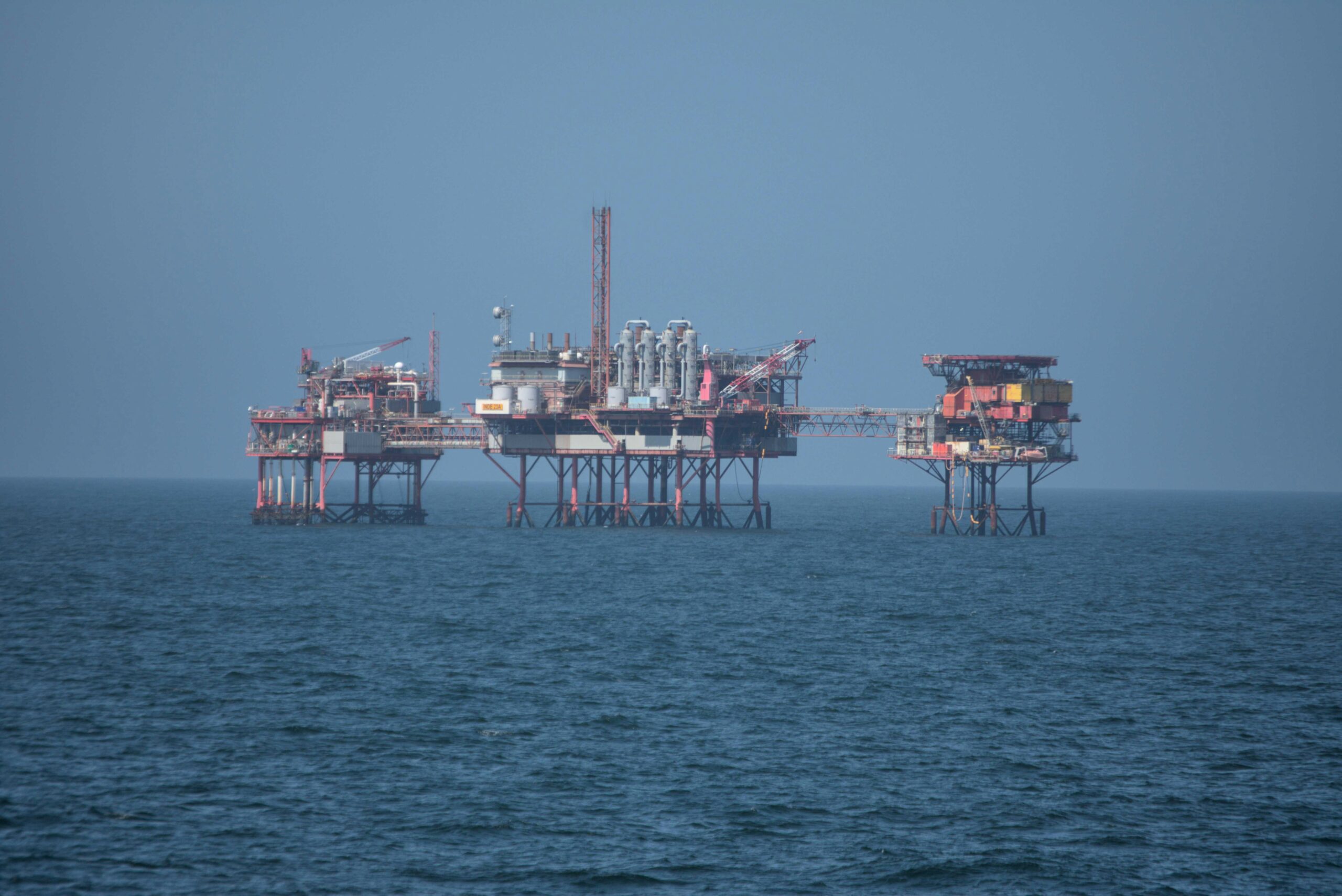
The North Sea, a vast and often tempestuous body of water, has been a silent witness to centuries of human endeavor, conflict, and discovery. Its shallow, fertile waters have fostered thriving communities, its strategic location has dictated the fate of nations, and its hidden depths have yielded both immense wealth and untold peril. To understand the North Sea is to delve into a rich tapestry of history, woven with the threads of exploration, trade, warfare, and the enduring human spirit that has grappled with its formidable nature.
Long before recorded history, early humans were drawn to the bounty of the North Sea. The gradual warming after the last Ice Age transformed the region into a habitable landscape, and archaeological evidence suggests human presence in coastal areas dating back thousands of years. These early inhabitants, likely hunter-gatherers and later early farmers, relied on the sea for sustenance and as a means of transport.
The Mesolithic Migrations and Exploitation of Marine Resources
During the Mesolithic period, approximately 10,000 to 5,000 BCE, seafaring technology, though rudimentary, allowed communities to extend their reach along the coastlines of what is now Britain, continental Europe, and Scandinavia. Evidence from sites like Star Carr in Yorkshire points to a sophisticated understanding of marine ecosystems, with remnants of fish bones and marine mammal hunting tools found interspersed with terrestrial finds. The availability of fish, shellfish, and the migratory patterns of seals and whales provided a vital protein source, supplementing diets of game and gathered plants. These early peoples were not merely surviving; they were actively exploiting the North Sea’s resources, shaping their cultures and settlement patterns around its rhythms.
The Neolithic Revolution and Coastal Communities
The advent of the Neolithic Revolution, marked by the adoption of agriculture, did not necessarily sever ties with the sea. Instead, it often led to the development of more settled coastal communities that integrated marine resources with their farming practices. Archaeological sites in Denmark and along the Dutch coast reveal settled villages that continued to fish and collect shellfish while cultivating crops. The sea provided a valuable and consistent food source, especially in areas where land may have been less fertile or more challenging to cultivate. Furthermore, the sea facilitated exchange between these emerging communities, laying the groundwork for future trade networks.
Bronze Age Trade and the Emergence of Seafaring Networks
The Bronze Age, roughly 3,000 to 800 BCE, saw a significant increase in seafaring capabilities and the establishment of more complex trade routes. The demand for metals, particularly copper and tin to create bronze, spurred voyages across wider stretches of water. The North Sea became a crucial artery for this burgeoning trade, connecting mining regions with manufacturing centers. Archaeological finds of prestige goods, such as amber from the Baltic and bronze artifacts, discovered far from their origins, attest to the daring voyages undertaken by Bronze Age mariners. These journeys, though arduous and fraught with danger from storms and shallow waters, demonstrate a growing mastery of the sea and the establishment of early maritime economic networks.
The history of the North Sea is intricately linked to the geopolitical dynamics of surrounding regions, particularly in terms of resource management and territorial disputes. For a deeper understanding of how these themes play out in different contexts, you might find the article on the geopolitical race for Antarctic resources insightful. It explores similar issues of competition and collaboration among nations, which can also be seen in the historical context of the North Sea. You can read more about it here: Geopolitical Race for Antarctic Resources.
The Age of Empires: The North Sea as a Strategic Chessboard
As human civilization progressed, the North Sea transformed from a resource-rich environment and trade route into a highly strategic waterway, drawing the attention of powerful empires and shaping the course of European history. Its position between major kingdoms and its access to vital trade lanes made it a constant source of contention and a theatre for significant historical events.
Roman Ambitions and the Exploitation of Coastal Territories
The Roman Empire, in its relentless expansion, recognized the strategic importance of the North Sea. While their direct control of its shores was limited, the Romans established a presence in Britannia and along the northern coasts of Gaul (modern-day France and Belgium). The construction of Roman roads and fortifications in these areas was often linked to controlling access to and from the sea, facilitating troop movements and the transport of resources. Roman legions likely utilized the North Sea for supply lines and even for naval expeditions, though the harsh climate and less developed shipbuilding technology of the time posed significant challenges. The archaeological evidence of Roman artifacts found in coastal settlements suggests a level of interaction and trade, even if direct imperial control of the sea itself remained elusive.
The Viking Age: Masters of the Northern Seas
The Viking Age, from the late 8th to the mid-11th centuries, is inextricably linked with the North Sea. These Norse seafarers, renowned for their skill and daring, used the sea not only for trade and exploration but also for raiding and conquest. Their longships, ingeniously designed for both open-sea voyages and shallow river navigation, allowed them to penetrate deep into England, France, and even as far as Ireland and Iceland. The North Sea was their highway, enabling them to launch lightning raids, establish settlements, and carve out vast spheres of influence. The establishment of the Danelaw in England, for instance, is a direct consequence of Viking dominance in the North Sea. Their presence fundamentally altered the political and cultural landscape of the region.
The Rise of Mercantile Powerhouses: The Hanseatic League
Following the decline of Viking power, the North Sea continued to be a vital arena for economic growth. The emergence of the Hanseatic League in the late Middle Ages, a powerful confederation of merchant guilds and market towns, solidified the North Sea’s role as a central hub for international trade. Cities like Lübeck, Hamburg, Bremen, and Bruges flourished, exporting goods such as timber, grain, and fish, and importing luxury items from across Europe. The League controlled vast swathes of trade, establishing monopolies and navigating treacherous waters with their well-organized fleets. The North Sea’s relatively shallow depths and numerous ports, while posing navigational challenges, also facilitated the establishment of these crucial trade networks. The League’s influence was so profound that it effectively policed the North Sea, ensuring the safety of its merchant vessels and contributing to a period of relative economic prosperity for the region.
The Crucible of Conflict: Naval Warfare and Shifting Dominance
The strategic importance of the North Sea has led to its frequent transformation into a battlefield. From medieval skirmishes to the titanic clashes of the World Wars, control of these waters has been a crucial determinant of power and survival for the nations bordering it.
Medieval Naval Engagements and the Struggle for Control
Even before the age of grand empires, the North Sea was the site of numerous naval conflicts. Rivalries between emerging kingdoms like England and the various Scandinavian powers, as well as the Duchy of Normandy, often spilled onto the waves. These engagements, though perhaps smaller in scale than later wars, were critical in shaping territorial boundaries and maritime dominance. The Battle of Sluys in 1340, a pivotal moment in the Hundred Years’ War, demonstrated the power of naval superiority in controlling access to the European continent and preventing invasions. This battle, fought entirely at sea, saw the English annihilate the French fleet, securing their control of the Channel and the southern North Sea for a considerable period.
The Anglo-Dutch Wars: A Clash of Maritime Titans
The 17th century witnessed a series of intense naval conflicts known as the Anglo-Dutch Wars. The Dutch Republic, having achieved independence from Spain, had rapidly grown into a formidable maritime and commercial power, directly challenging England’s nascent naval supremacy. The North Sea was their primary theatre of operations, with epic battles fought for control of trade routes and strategic dominance. The Battles of the Kentish Knock, the Gabbard, and solely for its sheer scale, battles like Solebay and the Schooneveld, saw fleets of hundreds of ships engage in brutal slugging matches. While the outcome of these wars was complex and shifted alliances, they undeniably solidified the importance of naval power in the North Sea and influenced shipbuilding and naval tactics for generations to come.
The Napoleonic Wars and the Blockade of Europe
During the Napoleonic Wars, the North Sea again became a critical strategic area. Britain, as Napoleon’s most persistent adversary, employed its powerful navy to blockade French-held ports and control shipping lanes. The Battle of Copenhagen in 1801, though fought in the Baltic, highlights Britain’s determination to prevent Scandinavian nations from falling under French influence and thereby denying Napoleon access to their fleets or strategic harbors near the North Sea. This period saw the North Sea become a crucial element in Britain’s grand strategy of economic warfare, aiming to cripple France by cutting off its trade and resources.
The World Wars: A Theatre of Global Conflict
The dawn of the 20th century brought the North Sea to the forefront of two devastating global conflicts. World War I saw the German High Seas Fleet and the British Grand Fleet engage in the largest naval battle in history, the Battle of Jutland in 1916. While tactically inconclusive, it significantly crippled the German navy, preventing it from challenging British dominance in the North Sea for the remainder of the war. Submarine warfare, a new and terrifying dimension, also saw the North Sea become a hunting ground for U-boats, posing a grave threat to Allied shipping.
World War II saw the North Sea transformed into a heavily fortified and contested zone. German U-boats once again wreaked havoc on Allied supply lines, and the waters were a constant scene of aerial combat, mine-laying, and naval skirmishes. The D-Day landings, a monumental turning point, relied heavily on the Allies’ ability to secure control of the southern North Sea, ensuring the safe passage of troops and materiel. The sheer scale of naval and aerial operations during both World Wars underscores the North Sea’s immense strategic value as a gateway to Europe and a vital artery for global power projection.
The Seas of Industry: Resource Extraction and Economic Transformation
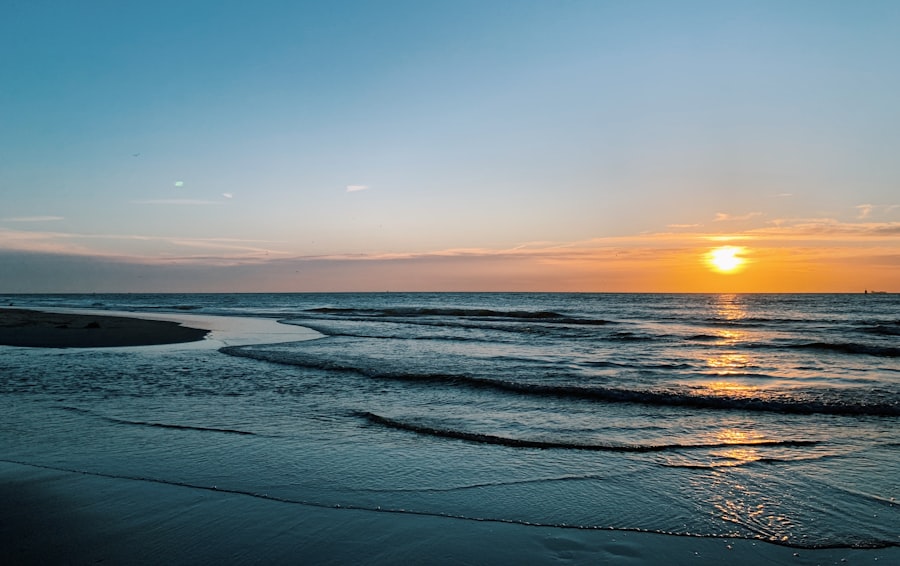
Beyond its historical role in trade and warfare, the North Sea has proven to be a treasure trove of natural resources, leading to significant economic transformation and development, albeit with environmental consequences.
The Quest for Oil and Gas: A 20th-Century Gold Rush
The discovery of substantial oil and gas reserves beneath the North Sea in the latter half of the 20th century was a defining moment for the region’s modern history. This discovery triggered an unprecedented boom, transforming the economies of countries like the United Kingdom, Norway, the Netherlands, and Denmark. The development of complex offshore drilling platforms, pipelines, and the associated infrastructure created a new industrial landscape. The North Sea became a major global supplier of crude oil and natural gas, providing energy security and substantial revenue for the nations involved. This era of intense resource extraction has fundamentally reshaped coastal communities, fostering new industries and creating thousands of jobs.
Fishing Grounds and Sustainable Challenges
For centuries, the North Sea has been one of the most productive fishing grounds in the world. Its rich ecosystem, fueled by nutrient-rich currents, has supported abundant populations of cod, herring, mackerel, and sole, sustaining coastal communities and fueling international trade. However, the pressure of industrial fishing, coupled with environmental changes, has placed significant strain on these resources. Decades of overfishing led to significant declines in some fish stocks, prompting international efforts and regulations aimed at achieving more sustainable fishing practices. The ongoing debate between economic necessity and ecological preservation continues to shape the future of the North Sea’s fishing industry.
The Rise of Renewable Energy: Wind Power and a Greener Future
In recent decades, the North Sea has emerged as a world leader in the development of offshore wind energy. The consistent winds and shallow waters make it an ideal location for large-scale wind farms. These ambitious projects are not only providing a significant source of clean energy but are also creating new economic opportunities and jobs in manufacturing, installation, and maintenance. This shift towards renewable energy represents a significant evolution in how humanity interacts with the North Sea, moving from extraction to sustainable harnessing of its natural power, offering a glimpse into a potentially greener future for the region.
The History of the North Sea is a fascinating subject that encompasses various aspects of maritime trade, cultural exchanges, and geopolitical conflicts over the centuries. For those interested in the broader implications of historical navigation and exploration, a related article delves into the intriguing details of the Piri Reis map and its connections to figures like Columbus. This exploration highlights how maps have shaped our understanding of geography and history. You can read more about this captivating topic in the article found here.
The Legacy of the Depths: Archaeology, Shipwrecks, and Environmental Concerns
“`html
| Year | Event |
|---|---|
| 8000 BC | First evidence of human habitation in the North Sea region |
| 43 AD | Roman conquest of Britain begins |
| 793 | First recorded Viking raid on the North Sea coast |
| 1066 | Battle of Hastings, marking the Norman conquest of England |
| 1588 | Spanish Armada defeated by the English fleet in the North Sea |
| 1940 | World War II Battle of the North Sea |
| 1971 | Discovery of oil in the North Sea |
“`
The North Sea floor is not merely a repository of geological riches but also a silent archive of human history and a subject of growing environmental concern. Its depths hold the secrets of countless shipwrecks, offering invaluable insights into past maritime life and historical events, while simultaneously presenting complex environmental challenges.
Underwater Archaeology: Unearthing the Past
The vastness and often turbulent nature of the North Sea have preserved a remarkable number of shipwrecks, creating an extensive underwater archaeological landscape. From ancient Roman vessels to those lost during the World Wars, these wrecks offer a unique window into the past. Maritime archaeologists meticulously explore these sites, recovering artifacts, charting the vessels, and using their findings to reconstruct historical events, trade routes, and the daily lives of those who sailed these seas. The preservation of organic materials in the cold, oxygen-poor conditions can be exceptional, providing rare glimpses into shipbuilding techniques, cargo, and personal belongings. Sites such as the Iron Age Hjortspring boat found in Denmark or more recent finds from the Battle of Jutland sites are crucial for understanding historical maritime practices.
Shipwrecks as Historical Archives
Each shipwreck in the North Sea is a potential historical archive. The discovery of the Vasa in the Baltic (though not the North Sea itself, its importance in Swedish maritime history is relevant to the broader context of Northern European seafaring) highlights the potential for remarkably preserved vessels. In the North Sea, wrecks like the HMS Hood (sunk in the Arctic, but its strategic importance to the North Sea naval theater is undeniable) or the numerous World War I and II U-boats offer invaluable data about naval warfare, technology, and the human cost of conflict. These submerged artifacts contribute vital pieces to the puzzle of human history, enriching our understanding of past societies and their relationship with the sea.
Environmental Challenges and the Impact of Human Activity
The immense economic activity that has taken place in the North Sea has also brought about significant environmental challenges. Pollution from industrial waste, shipping accidents, and the legacy of offshore oil and gas extraction have all left their mark. The seabed has been impacted by dredging, pipeline construction, and the disposal of waste. Overfishing, as previously mentioned, has depleted fish stocks. The increasing concerns surrounding climate change, with rising sea levels and changing ocean temperatures, add further layers of complexity to these environmental pressures. Protecting the delicate ecosystem of the North Sea and mitigating the impact of human activity is a growing priority, requiring ongoing international cooperation and sustainable practices. The future of the North Sea’s rich history is intrinsically linked to its environmental health.
The History of the North Sea is a fascinating topic that encompasses various aspects, including trade, maritime conflicts, and cultural exchanges among the surrounding nations. For those interested in exploring how historical events shape modern geopolitical landscapes, a related article discusses the complexities of regional stability in Iraq, which can be found here. Understanding the dynamics of the North Sea can provide valuable insights into how historical maritime routes influenced contemporary issues in other parts of the world.
The Enduring Allure: The North Sea in the 21st Century and Beyond
The North Sea, a body of water with a past as dramatic and multifaceted as any on Earth, continues to play a vital role in the 21st century and will undoubtedly shape the future. Its enduring allure lies not only in its historical significance but also in its continued economic importance and its evolving environmental landscape.
A Hub of Modern Maritime Activity
Today, the North Sea remains one of the busiest shipping lanes in the world. It is crucial for the transportation of goods, energy, and people between continental Europe and the British Isles. Modern shipping, with its massive container vessels and oil tankers, navigates these waters, continuing a centuries-old tradition of commerce. The development of new maritime technologies, such as autonomous vessels and advanced navigation systems, is further shaping the future of shipping in the region. The infrastructure supporting this activity, from bustling ports to complex offshore installations, is a testament to the sea’s ongoing economic vitality.
The Transition to a Blue Economy
The concept of a “Blue Economy,” which emphasizes sustainable use of ocean resources for economic growth, is increasingly relevant to the North Sea. The shift towards renewable energy, particularly offshore wind, is a prime example. Efforts to develop sustainable aquaculture, explore new marine biotechnologies, and promote responsible tourism are all part of this transition. The challenge lies in balancing economic development with the imperative of environmental protection, ensuring that the North Sea’s rich biodiversity and ecological health are preserved for future generations. The historical lessons learned from the exploitation of its resources serve as a crucial guide for this new era.
A Legacy of Exploration and Future Discovery
The North Sea’s history is a testament to human curiosity and the drive for exploration. From the early seafaring peoples to the pioneers of offshore energy, humanity has consistently sought to understand and utilize this vast expanse. While much is known, the North Sea still holds mysteries, and the ongoing research in marine science, archaeology, and resource management continues to reveal new insights. The desire to understand the sea’s historical past, its ecological present, and its potential for the future ensures that the North Sea will remain a subject of fascination and endeavor for centuries to come. Its rich history is not a closed chapter but a living narrative, constantly being written by the tides of human innovation and the enduring power of the sea itself.

The Forgotten World Beneath the North Sea
FAQs
What is the North Sea?
The North Sea is a marginal sea of the Atlantic Ocean located between Great Britain, Scandinavia, Germany, the Netherlands, Belgium, and France. It is connected to the Atlantic Ocean by the English Channel and the Norwegian Sea.
How was the North Sea formed?
The North Sea was formed as a result of the continental drift and the subsequent separation of the European and Scandinavian landmasses. It was further shaped by glacial and marine processes during the last ice age.
What is the historical significance of the North Sea?
The North Sea has been a significant area for trade, fishing, and maritime activities for centuries. It has also been the site of numerous naval battles and has played a crucial role in the economic and political development of the countries surrounding it.
What are some key historical events related to the North Sea?
Some key historical events related to the North Sea include the Viking Age, the Battle of Jutland during World War I, and the development of offshore oil and gas extraction in the 20th century.
How has human activity impacted the North Sea over time?
Human activity has had both positive and negative impacts on the North Sea. While it has facilitated trade and economic development, it has also led to environmental degradation, overfishing, and pollution. Efforts are being made to address these issues and promote sustainable management of the North Sea.