
The intricate dance of global finance, often perceived as a stable and predictable construct, is subject to seismic shifts driven by geopolitical realignments and the fundamental dynamics of supply and demand. Among these potential disruptions, the collapse of the petrodollar system and the implementation of a hypothetical “Hormuz Protocol” stand out as particularly significant. These events, though distinct, are intertwined and carry profound implications for the global economic landscape. This article will explore the nature of the petrodollar system, the potential triggers for its unraveling, the theoretical framework of the Hormuz Protocol, and the multifaceted consequences for international trade, energy markets, and financial stability.
The petrodollar system, established in the early 1970s, represents a cornerstone of the post-World War II international financial architecture. It is not a formal international agreement but rather a de facto arrangement where major oil-producing nations, primarily OPEC members, agreed to price their oil exports exclusively in United States dollars. In return, the United States offered security assurances and the ability to purchase U.S. Treasury bonds without significant restrictions. This arrangement had several critical implications.
The Dollar’s Dominance in Global Trade
The Recycling of Oil Revenues
The U.S. Advantage: Seigniorage and Reserve Currency Status
The genesis of the petrodollar system can be traced back to the early 1970s, a period of significant economic upheaval. The Bretton Woods system, which had pegged currencies to the U.S. dollar and gold, collapsed in 1971. This left the dollar no longer directly convertible to gold. Simultaneously, the oil price shocks of the 1970s, particularly the 1973 Arab oil embargo, demonstrated the immense geopolitical leverage wielded by oil-producing nations. Facing a need to stabilize their economies and secure their oil supplies, the United States, under President Nixon, engaged in discussions with Saudi Arabia. The result was an implicit agreement: Saudi Arabia would price its oil in dollars, and in return, it would receive military hardware and security guarantees. This arrangement was gradually adopted by other major oil producers, solidifying the dollar’s role as the global reserve currency and the exclusive medium of exchange for oil.
The implications of this arrangement were far-reaching. For oil-exporting nations, it created a consistent and robust demand for dollars, allowing them to accumulate vast foreign exchange reserves. These reserves, often termed “petrodollars,” were then frequently reinvested in U.S. Treasury securities, effectively financing U.S. debt and government spending. This created a self-reinforcing cycle: oil was priced in dollars, leading to an accumulation of dollars by oil producers, which in turn provided a captive market for U.S. debt. This facilitated a sustained global trade in dollars and bolstered the dollar’s position as the world’s primary reserve currency, granting the United States significant economic and geopolitical advantages, including the ability to finance deficits more readily and exert influence through monetary policy.
The potential collapse of the petrodollar system has significant implications for global economics and geopolitics, particularly in relation to the Hormuz Protocol, which governs the strategic Strait of Hormuz. As nations explore alternatives to the dollar for oil transactions, the stability of this longstanding financial framework is increasingly questioned. For further insights into the interconnectedness of ancient trade routes and modern economic systems, you can read an intriguing article about recent archaeological discoveries in an ancient city that shed light on historical trade practices. Check it out here: Archaeologists Uncover Sealed Chamber in Ancient City.
Potential Triggers for Petrodollar System Collapse
The petrodollar system, while enduring for decades, is not immune to pressures that could lead to its erosion or outright collapse. Several interconnected factors are increasingly being cited as potential catalysts for such a seismic shift. These range from evolving geopolitical alliances and the rise of alternative economic blocs to the deliberate actions of nations seeking to diversify their financial holdings and reduce their dependence on the U.S. dollar.
The Rise of Multipolarity and De-Dollarization Efforts
A significant driver of potential petrodollar system collapse is the shift towards a multipolar world order. As nations like China and Russia continue to grow in economic and geopolitical influence, they are increasingly seeking to establish independent financial systems and reduce their reliance on U.S. dollar-denominated transactions. This de-dollarization trend is not new, but it has gained momentum in recent years, fueled by concerns over U.S. financial sanctions and the perceived weaponization of the dollar. Nations are exploring the use of their own currencies, or the development of new digital currencies, for international trade and investment. This could lead to a gradual decline in the demand for dollars, and consequently, for oil priced in dollars.
Geopolitical Tensions and Sanctions
The U.S. government’s extensive use of financial sanctions as a foreign policy tool has also spurred de-dollarization efforts. Countries that have been targets of U.S. sanctions, or fear being targeted, have a strong incentive to move away from dollar-denominated transactions. This creates an opening for alternative payment systems and currencies to emerge and gain traction. If major oil producers perceive that their access to global markets could be jeopardized by U.S. sanctions, they may be more inclined to explore alternative pricing mechanisms for their oil.
Diversification of Global Reserves and Investment Strategies
Beyond geopolitical considerations, global investment strategies are also evolving. Central banks and sovereign wealth funds are increasingly looking to diversify their foreign exchange reserves away from a heavy concentration in U.S. dollar assets. This diversification can include investments in other currencies, gold, and a wider range of financial instruments. As more nations and institutions reduce their dollar holdings, the demand for dollars in the global financial system might diminish, impacting the foundation of the petrodollar system.
Technological Advancements and Digital Currencies
The rapid development of blockchain technology and digital currencies presents another potential disruptive force. While still in their nascent stages, central bank digital currencies (CBDCs) or other forms of digital payment systems could offer more efficient and secure cross-border transactions, potentially bypassing traditional dollar-based intermediaries. If oil-producing nations begin to accept payments in alternative digital currencies, it could further erode the dollar’s dominance in oil trade.
The Hormuz Protocol: A Hypothetical Scenario
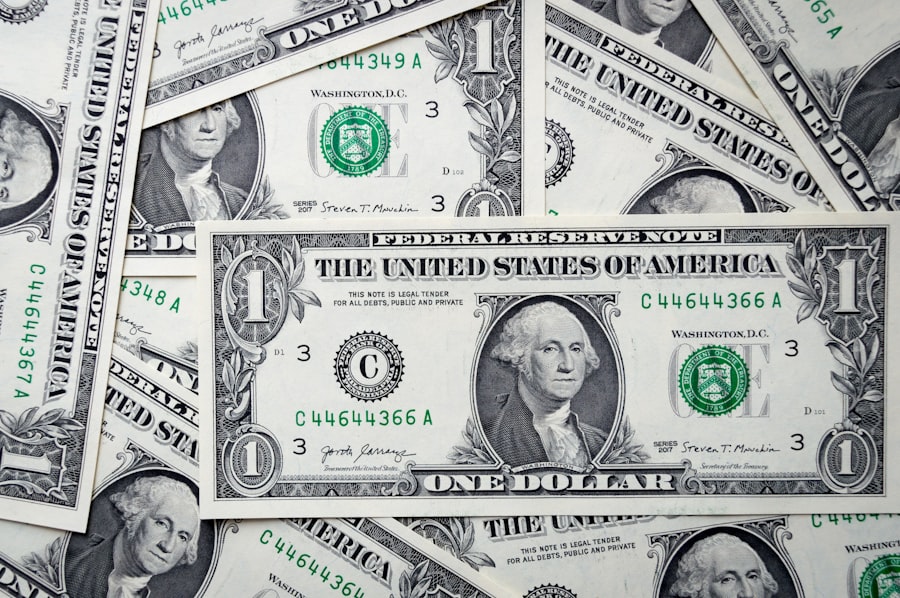
The “Hormuz Protocol” is not a recognized international treaty or agreement. Instead, it is a hypothetical construct, often discussed in strategic circles, that envisions a coordinated effort by key players to bypass or fundamentally alter the existing petrodollar system, potentially through direct commodity exchanges or the establishment of new pricing benchmarks not tied to the U.S. dollar. The Strait of Hormuz, a critical chokepoint for global oil transit, serves as a potent symbol in this hypothetical scenario, representing a region where oil is produced and flows to the world, and therefore a logical locus for such a protocol.
The Mechanism of a Hormuz Protocol
Alternative Pricing and Payment Mechanisms
The theoretical mechanism of a Hormuz Protocol would involve major oil-producing nations agreeing to price their oil exports in a basket of currencies, specific regional currencies, or even a new digital commodity-backed currency. This would directly challenge the dollar’s exclusive role. Instead of all oil revenue flowing into dollar-denominated assets, it would be distributed across a wider range of currencies, potentially leading to a significant shift in global currency demand.
The Role of Key Oil Producers and Consumers
The success of such a protocol would hinge on the participation of key oil producers, such as Saudi Arabia, Russia, Iran, and the United Arab Emirates, and potentially significant oil consumers like China and India. If these nations were to agree on alternative pricing and payment mechanisms, it would create a powerful bloc that could exert considerable influence over global energy markets and financial flows.
Bypass of Dollar-Based Financial Infrastructure
A core element of this hypothetical protocol would be the bypassing of the existing dollar-based financial infrastructure. This could involve the development of alternative payment clearinghouses or the use of direct bilateral trade agreements that do not rely on U.S. dollar intermediaries. The aim would be to reduce the reliance on U.S. financial institutions and the associated vulnerabilities, such as foreign exchange controls or the risk of asset freezes.
Implications for Global Economy

The collapse of the petrodollar system, coupled with the implementation of a hypothetical Hormuz Protocol, would trigger a cascade of profound implications for the global economy, affecting everything from currency valuations and trade flows to inflation and capital markets. The long-standing stability provided by the dollar’s dominance would be replaced by a period of significant uncertainty and recalibration.
Currency Market Volatility and Realignment
Inflationary Pressures and Commodity Prices
The immediate and perhaps most visible consequence would be extreme volatility in currency markets. The dollar’s value could experience a sharp decline as demand for dollars diminishes, impacting its status as the world’s primary reserve currency. Conversely, currencies of other major economies, particularly those in the emerging markets that become part of the new pricing mechanism, could see their valuations rise. This currency realignments would ripple through every aspect of international trade and investment. For countries holding large dollar reserves, this would represent a significant loss of wealth.
The impact on commodity prices would also be substantial. If oil were no longer priced exclusively in dollars, its price in dollar terms could become more volatile and potentially higher due to increased conversion costs or the devaluation of the dollar itself. This could lead to widespread inflationary pressures across the globe, particularly for energy-dependent economies. Governments would face the challenge of managing rising import costs and their impact on domestic economies, potentially leading to social unrest and political instability.
Shift in Capital Flows and Investment Strategies
A collapse of the petrodollar system would fundamentally alter global capital flows. The steady reinvestment of petrodollars into U.S. Treasury securities would likely cease or significantly diminish. This would force the U.S. government to find alternative sources of financing for its debt, potentially through higher interest rates or reduced government spending. Foreign investment in the U.S. could also decline, impacting economic growth and asset markets.
Conversely, capital would likely flow towards economies that are part of the new commodity pricing and payment mechanisms. This could lead to a surge in investment in countries that are actively participating in de-dollarization efforts, potentially benefiting their economic development. However, it could also lead to speculative bubbles in these new investment destinations.
Geopolitical Power Shifts and Regional Instability
The economic implications would inevitably translate into significant geopolitical power shifts. The United States’ ability to project power and influence through its financial dominance would be diminished. Nations that successfully navigate the transition to a new financial order could see their geopolitical standing enhanced. This could lead to a more fragmented and less predictable international order, with increased competition for economic and political influence.
Impact on International Trade and Supply Chains
The established channels of international trade, heavily reliant on dollar-denominated transactions, would face disruption. Businesses would need to adapt to new currency requirements for imports and exports, requiring adjustments to invoicing, hedging strategies, and accounting practices. This could lead to increased transaction costs and a slowdown in global trade as businesses navigate the complexities of a multipolar currency landscape. Supply chains, which have been built around the efficiency of dollar-based trade, might need to be reconfigured.
The potential collapse of the petrodollar system has sparked significant discussions among economists and geopolitical analysts, particularly in relation to the Hormuz Protocol, which outlines the strategic importance of the Strait of Hormuz in global oil trade. As nations consider alternatives to the dollar for oil transactions, the implications for global markets could be profound. For a deeper understanding of the complexities surrounding these issues, you can explore this insightful article on the unraveling of economic systems and their historical contexts.
Navigating the Transition and Future Scenarios
| Metrics | Petrodollar System Collapse | Hormuz Protocol |
|---|---|---|
| Impact on Global Economy | Potential disruption of global financial markets and trade due to the shift away from the US dollar as the primary currency for oil transactions | Agreement among oil-producing countries to use a new currency or payment system for oil transactions, potentially impacting the stability of the petrodollar system |
| Geopolitical Implications | Potential shift in global power dynamics as the US loses its dominant position in the international financial system | Potential tensions and conflicts among oil-producing countries and major economies as they negotiate new terms for oil transactions |
| Oil Price Volatility | Possible fluctuations in oil prices as the petrodollar system undergoes changes | Uncertainty in oil markets as countries adapt to new payment systems and currencies for oil transactions |
The transition from the petrodollar system to a new international financial order, should it occur, would be a complex and protracted process, fraught with challenges and uncertainties. The exact nature of the future global economic architecture remains a subject of speculation, with various scenarios being considered by policymakers and analysts.
Gradual De-Dollarization vs. Abrupt Collapse
One key consideration is whether the shift away from the petrodollar system will be a gradual, evolutionary process or an abrupt, disruptive collapse. A gradual transition, driven by sustained de-dollarization efforts and the organic growth of alternative currencies and payment systems, might allow for a more managed adjustment, minimizing severe economic shocks. However, the potential for an abrupt collapse, triggered by a sudden loss of confidence in the dollar or a coordinated action by major powers, cannot be entirely discounted. Such a scenario would likely lead to more extreme market dislocations and a higher risk of financial crises.
The Role of International Cooperation and Institutions
The degree of international cooperation and the adaptation of existing global financial institutions will play a crucial role in shaping the transition. The International Monetary Fund (IMF) and other multilateral bodies will need to navigate the shifting landscape and potentially facilitate the establishment of new frameworks for global economic governance. The willingness of nations to collaborate on establishing stable alternative currency regimes and dispute resolution mechanisms will be paramount in mitigating potential instability.
Emergence of New Reserve Currencies and Payment Systems
The future economic order will likely see the emergence of new reserve currencies, possibly a basket of leading national currencies or even a supranational currency. Similarly, new payment systems, potentially leveraging blockchain technology or innovative clearing mechanisms, will gain prominence. The competition among these emerging systems and currencies will define the new contours of global finance. The success of these new arrangements will depend on their ability to offer stability, efficiency, and trustworthiness.
The Long-Term Economic Landscape
Ultimately, the collapse of the petrodollar system and the advent of a hypothetical Hormuz Protocol, or any similar fundamental shift, would usher in a new economic era. The United States’ unparalleled financial dominance would likely wane, leading to a more equitable, albeit potentially more volatile, distribution of global economic power. This recalibration would present both opportunities and challenges for nations worldwide, requiring adaptability, strategic foresight, and a willingness to embrace a fundamentally altered global economic landscape. The legacy of the petrodollar system, which has underpinned global economic stability for decades, would be replaced by a new architecture whose form and function will be shaped by the dynamics of the 21st century.
FAQs
What is the petrodollar system?
The petrodollar system refers to the arrangement where oil is traded in U.S. dollars, creating a high demand for the currency and giving the United States significant economic and geopolitical advantages.
What is the Hormuz Protocol?
The Hormuz Protocol is a proposed agreement among oil-producing countries to trade oil in a basket of currencies, rather than exclusively in U.S. dollars, in an effort to reduce the dominance of the petrodollar system.
What are the potential consequences of a collapse of the petrodollar system?
A collapse of the petrodollar system could lead to a devaluation of the U.S. dollar, higher inflation, and a decrease in the purchasing power of the currency. It could also shift the balance of global economic and geopolitical power.
How could the Hormuz Protocol impact the global economy?
The implementation of the Hormuz Protocol could reduce the demand for U.S. dollars, potentially leading to a decline in the currency’s value. It could also lead to increased volatility in currency exchange rates and global financial markets.
What are the challenges and obstacles to the adoption of the Hormuz Protocol?
Challenges to the adoption of the Hormuz Protocol include resistance from the United States, potential economic sanctions, and the need for consensus among oil-producing countries with diverse interests and alliances.