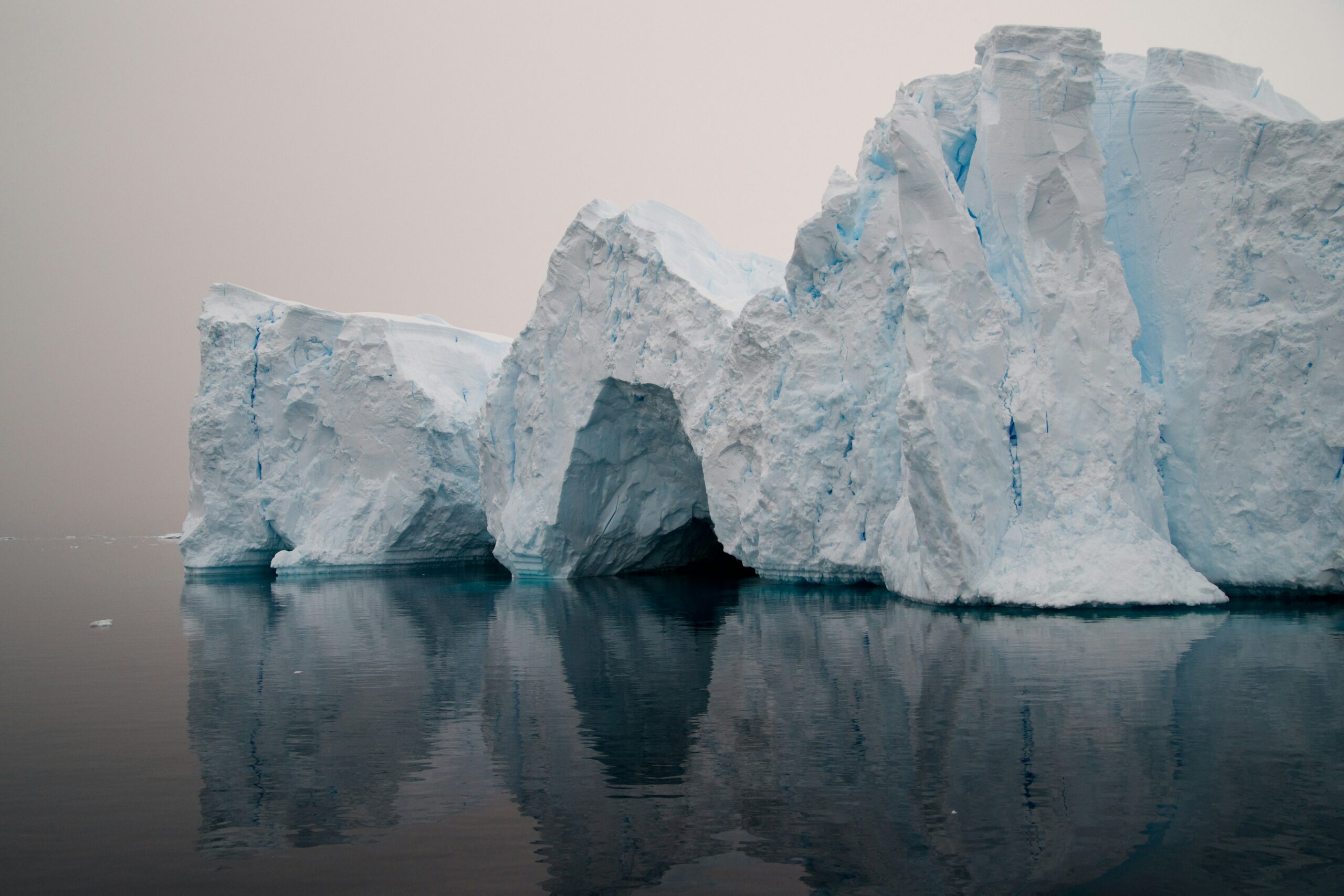
The Power of Glaciers: Shaping the World
Glaciers, those majestic, slow-moving rivers of ice, are far more than just frozen water. They are potent architects of landscapes, carving mountains, sculpting valleys, and dictating the flow of vital waterways. Their influence extends across continents, shaping geology, influencing climate, and providing essential resources for life. This article delves into the immense power of glaciers, exploring how they have meticulously shaped our planet and continue to play a crucial role in the Earth’s dynamic systems.
Glaciers are born in regions where winter snowfall accumulates faster than it melts during summer. This seemingly simple process, repeated over millennia, transforms delicate snowflakes into dense, compacted ice. The immense weight of the accumulating snow compresses the lower layers, squeezing out air and transforming fluffy crystals into granular ice, and eventually into the clear, dense ice that defines a glacier.
Accumulation Zones: The Birthplace of Ice
The formation of a glacier begins in its accumulation zone, typically found at high altitudes or latitudes where temperatures remain consistently below freezing. Here, annual snowfall serves as the raw material. The process is not instantaneous; it can take hundreds or even thousands of years for enough snow to build up and compact to form glacial ice. The specific characteristics of the snow, such as its density and moisture content, influence the rate of compaction and the eventual quality of the ice. In polar regions, where snowfall is often more consistent and summers are shorter, glaciers can grow to immense sizes.
The Firnification Process: A Gradual Transformation
As snow accumulates, it undergoes a process called firnification. The lower layers of snow are subjected to increasing pressure from the weight above. This pressure causes the original delicate snowflake structures to break down and recrystallize into denser, more rounded ice grains known as firn. Firn is an intermediate stage between snow and glacial ice, characterized by its granular texture and some interconnected air pockets.
The Maturation into Glacial Ice: Density and Impermeability
With continued accumulation and pressure, the firn matures into glacial ice. The ice grains grow larger and more interlocking, and the air pockets become progressively smaller and more isolated. Glacial ice can contain very little trapped air, making it incredibly dense. This dense ice is also less permeable, as the air pockets are no longer interconnected, preventing significant water infiltration. The color of glacial ice often appears blue due to the way it absorbs and scatters light; longer wavelengths of light are absorbed, leaving predominantly blue light to be reflected back.
Glaciers have played a crucial role in shaping the Earth’s landscape, carving valleys, forming lakes, and influencing ecosystems. Their immense power and slow movement have left a lasting impact on the geography of our planet. For a fascinating exploration of how external forces, such as threats to habitats, can affect our understanding of environments—both on Earth and beyond—check out this related article on the vulnerability of lunar habitats to attack, which can be found here.
The Sculpting Power: Glacial Erosion in Action
Perhaps the most visible manifestation of glacial power lies in their capacity for erosion. As these colossal ice bodies move, they act like giant sandpaper, scraping, grinding, and lifting rock and soil from the Earth’s surface. This erosional force dramatically reshapes entire landscapes, leaving behind distinctive landforms that bear the unmistakable signature of glacial activity.
Abrasion: The Grinding Force
The primary mechanism of glacial erosion is abrasion. As a glacier flows downhill, embedded rocks, pebbles, and sand grains act like abrasive tools, scraping against the bedrock beneath. This process effectively grinds down the rock, creating polished surfaces, striations (parallel grooves), and chatter marks (crescent-shaped notches) on the exposed bedrock. The speed of glacial movement and the size and hardness of the embedded debris directly influence the rate and intensity of abrasion. Harder, more angular rock fragments are more effective at grinding the bedrock.
Glaciers have played a crucial role in shaping the Earth’s landscapes, influencing everything from mountain formations to the creation of valleys and lakes. Their slow yet powerful movement has carved out some of the most breathtaking natural wonders we see today. For a deeper understanding of how natural forces, including glaciers, impact our world, you might find it interesting to read about the broader implications of global dynamics in the article on the US-China space rivalry, which can be found here. This exploration highlights how human endeavors are also influenced by the natural world, drawing parallels between the forces that shape our planet and those that drive international competition.
Plucking: The Quarrying Action
Another significant erosional process is plucking, also known as quarrying. As meltwater seeps into cracks and fissures within the bedrock, it can freeze and expand, exerting outward pressure. When the glacier moves, this frozen water acts like a wedge, breaking off pieces of rock. These dislodged rock fragments are then incorporated into the base of the glacier, contributing to its abrasive power. This process can excavate large quantities of rock, leading to the widening and deepening of valleys.
Distinctive Landforms Carved by Glacial Erosion
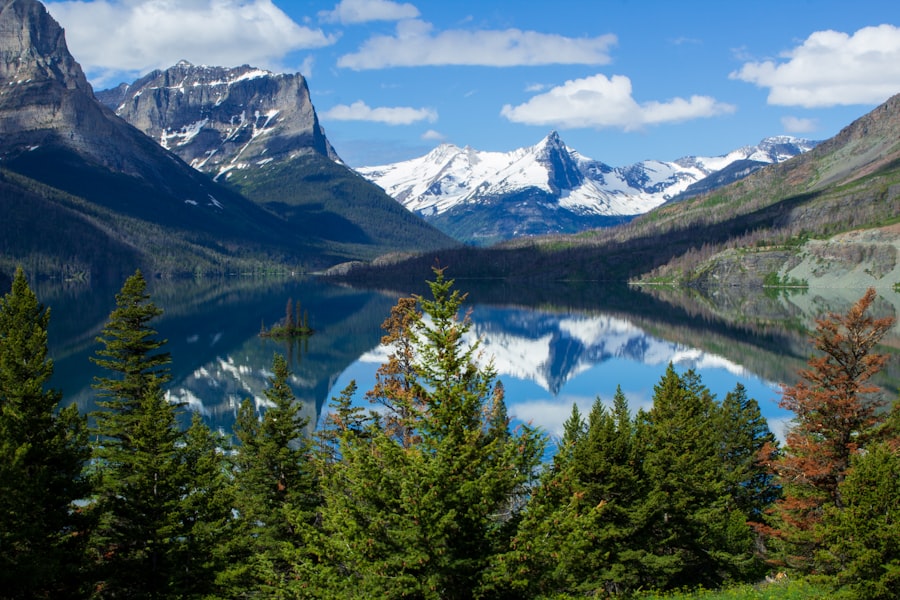
The cumulative effect of abrasion and plucking results in a suite of distinctive glacial landforms. U-shaped valleys, with their steep, straight walls and flat bottoms, are a hallmark of glacial erosion. In contrast, river valleys are typically V-shaped. Cirques, the bowl-shaped depressions found at the heads of glaciated valleys, are formed by the relentless plucking and freeze-thaw action at the origin of a glacier. Arêtes, sharp, knife-like ridges, are formed when two cirques erode back-to-back. Horns, like the iconic Matterhorn, are pyramid-shaped peaks formed when three or more cirques erode a mountain from multiple sides. Fjords, deep, narrow inlets of the sea with steep sides, are drowned glacial valleys that were carved below sea level.
The Transporting Might: Ice as a Moving Conveyor Belt
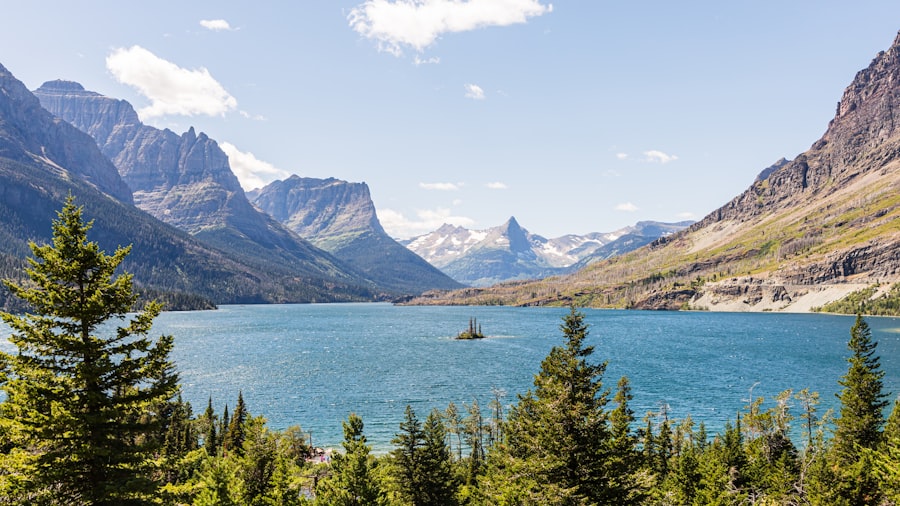
Once material has been eroded, glaciers become powerful agents of transport. They carry vast quantities of rock, sediment, and debris, sometimes for hundreds of kilometers, depositing it in new locations as they melt. This deposition shapes landscapes and creates features that are as significant as those formed by erosion.
Glacial Till: The Unsorted Debris
The material transported by glaciers is known as glacial till, characterized by its unsorted nature. Till can contain everything from fine clay particles and sand to large boulders, all mixed together without any stratification or sorting by size. This is because the glacier’s immense power can carry debris of all dimensions simultaneously. The composition of the till reflects the geology of the area the glacier has traversed.
Transport of Massive Boulders: Erratics
One of the most striking examples of glacial transport is the presence of glacial erratics – boulders that are geologically different from the bedrock on which they rest. These erratics can be enormous, weighing hundreds or even thousands of tons, and their presence indicates that they were carried by a glacier and deposited when the ice melted. The origin of erratics can often be traced back to distant mountain ranges, demonstrating the extensive reach of glacial movement.
Terminal and Lateral Moraines: Depositional Ridges
As

The Boulder That Shouldn’t Exist
FAQs
1. How did glaciers shape the world?
Glaciers have shaped the world through processes such as erosion, transportation of sediments, and deposition. They have carved out valleys, created fjords, and left behind moraines and other landforms.
2. What evidence is there of glaciers shaping the world?
Evidence of glaciers shaping the world can be seen in the form of U-shaped valleys, cirques, and hanging valleys. Glacial striations, moraines, and erratic boulders are also evidence of past glacial activity.
3. How have glaciers affected the Earth’s climate?
Glaciers have played a significant role in the Earth’s climate by reflecting sunlight and helping to regulate global temperatures. As glaciers melt, they contribute to rising sea levels and can impact ocean currents.
4. What role do glaciers play in providing freshwater resources?
Glaciers store a significant amount of freshwater in the form of ice. As they melt, they release this freshwater, which contributes to rivers, lakes, and groundwater, providing essential resources for human and animal populations.
5. How are glaciers currently being impacted by climate change?
Glaciers are currently being impacted by climate change through melting at accelerated rates. This has led to the loss of glacier mass, the retreat of glaciers, and the potential for negative impacts on freshwater resources and ecosystems.