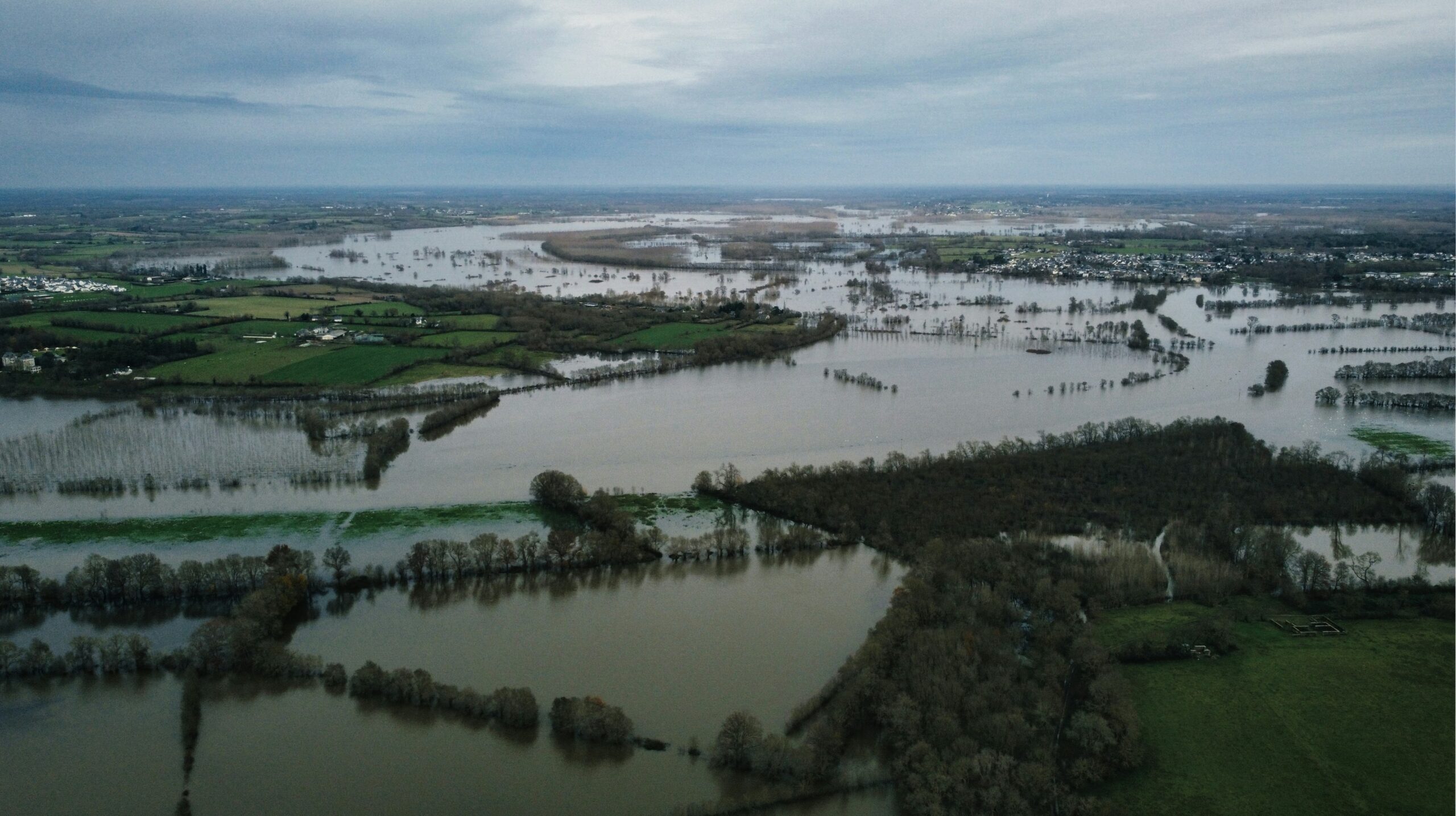
The persistent echo of the great flood story resonates across almost every culture imaginable, a primal narrative of watery destruction and subsequent rebirth. From the Sumerian epic of Gilgamesh to the biblical account of Noah, and even indigenous tales from Australia and the Americas, the motif of a world-ending deluge and a lone survivor or small group saving humanity is startlingly ubiquitous. For centuries, these tales were dismissed as mere mythology, fanciful explanations for the origins of human civilization. However, a deeper investigation, blending geological evidence, archaeological discoveries, and comparative mythology, reveals a profound and often surprising real history behind flood legends. These stories, far from being spontaneous eruptions of collective imagination, are likely rooted in genuine, albeit deeply mythologized, catastrophic events that shaped the early experiences of humanity.
The sheer prevalence of flood legends across disparate and geographically isolated cultures is perhaps the most compelling piece of evidence suggesting a shared historical or quasi-historical origin. It’s a phenomenon that has long puzzled scholars and has spurred numerous theories, ranging from Jungian archetypes to direct historical memory.
Geological Evidence of Catastrophic Floods
The Earth’s geological record itself offers undeniable proof of widespread and devastating floods throughout prehistory. While not always a global inundation in the biblical sense, these were events of immense scale that would have profoundly impacted early human settlements.
Ancient Lake Outburst Floods (Glacial Lake Missoula)
One of the most well-documented examples of such an event is the Glacial Lake Missoula floods in North America. During the last Ice Age, massive ice dams periodically blocked the Clark Fork River in Montana, creating a colossal lake. When these ice dams eventually gave way, water rushed downstream, carving the Channeled Scablands of Eastern Washington and inundating vast areas of the Pacific Northwest. These cataclysmic floods occurred repeatedly over millennia, shaping the landscape and undoubtedly leaving a lasting impression on the ancestral peoples who witnessed them. The sheer power and destructive force of these events, capable of scouring bedrock and moving enormous boulders, would have been terrifying and imprinted deeply on collective memory.
The Black Sea Deluge Hypothesis
Another significant hypothesis points to the rapid flooding of the Black Sea basin. Evidence suggests that around 7,600 years ago, the Mediterranean Sea, then at a higher sea level, breached the Bosporus Strait. This would have resulted in a catastrophic influx of saltwater into the freshwater Black Sea, dramatically raising its water levels and inundating the surrounding fertile coastlines where early Neolithic settlements flourished. This event, if it occurred as hypothesized, would have displaced significant populations and forced them to adapt to a drastically changed environment, likely giving rise to vivid flood narratives.
Coastal Inundations and Sea-Level Rise
Beyond specific lake outburst floods, the general phenomenon of sea-level rise at the end of the last Ice Age would have also contributed to widespread coastal flooding. As glaciers melted, oceans rose, swallowing coastlines and forcing human populations inland. For communities living along ancient shores, these gradual yet inexorable land losses, punctuated by storm surges and tsunamis, could easily have been mythologized into stories of a universal flood.
Archaeological Clues and Early Settlements
Archaeological findings further support the idea that early human settlements were vulnerable to and shaped by major flood events. The location of ancient settlements, the layers of sediment found at archaeological sites, and the evidence of human adaptation to watery environments all contribute to the picture.
Settlements Submerged or Abandoned Due to Water
Numerous archaeological sites around the world show evidence of being inundated or abandoned due to rising waters or catastrophic floods. In regions like Mesopotamia, known as the “cradle of civilization” and often cited in flood myths, ancient cities were built on riverbanks and were inevitably subject to the whims of the Tigris and Euphrates rivers. Layers of silt and debris at sites like Ur suggest periods of significant flooding. Similarly, submerged structures found off the coast of India and in other coastal regions hint at past sea-level changes and inundation events that would have impacted human life.
Evidence of Migration and Adaptation After Floods
The pattern of human migration and settlement changes in the archaeological record often correlates with periods of major environmental shifts, including floods. The need to relocate due to inundation, or the rebuilding of communities on higher ground, are behaviors that would have been passed down through generations, solidifying the memory of such events.
Many cultures around the world have their own flood legends, often interpreted as reflections of historical events or natural disasters. These stories, such as the Epic of Gilgamesh or the biblical account of Noah’s Ark, may have roots in real catastrophic floods that shaped ancient civilizations. For a deeper understanding of how historical events influence modern narratives, you can explore the article on the impact of nearshoring on global trade frameworks, which discusses how historical trade practices have evolved and shaped current economic landscapes. To read more, visit this article.
Deciphering the Symbolism in Flood Myths
While geological and archaeological evidence points to real events, the stories themselves are embellished with symbolism and spiritual meaning. Understanding these layers is crucial to appreciating how historical memories become myth.
The Deluge as a Cleansing and Renewal Event
Flood myths often portray the deluge not just as destruction, but as a necessary act of divine purification. This symbolism reflects a profound human understanding of cyclical processes of decay and rebirth.
Divine Wrath and Moral Judgment
In many narratives, the flood is a punishment for the wickedness or corruption of humanity. This imbues the event with a moral dimension, suggesting that the destructive forces of nature are sometimes an expression of cosmic justice. The god or gods, disgusted by human behavior, send the flood to cleanse the world and start anew with a more righteous populace. This element likely served as a powerful tool for social control and moral instruction within early societies.
The Ark and the Preservation of Life
The concept of a vessel – an ark, a raft, or a boat – carrying survivors through the flood is a central theme. This ark symbolizes salvation, a fragile vessel of hope carrying the seeds of humanity’s future. The act of preservation itself is a deeply spiritual one, suggesting that even in the face of annihilation, life finds a way. The selection of specific individuals and species reinforces the idea of a divinely ordained plan for continuation.
The Flood as a Threshold Between Ages
Many flood narratives mark a profound temporal division, a moment that separates an old, flawed world from a new, regenerated one. This transitional quality is deeply symbolic of societal transformations.
The End of a Golden Age and the Beginning of a New Era
The flood often signifies the end of a so-called “Golden Age” or an era of prosperity and innocence, from which humanity has fallen due to its transgressions. The ensuing flood ushers in a new epoch, one that may be characterized by hardship but also by the potential for renewed virtue. This archetype speaks to humanity’s cyclical view of time and its perpetual struggle to maintain righteousness.
The Re-establishment of Order and Creation
Following the waters, a new order emerges. The survivors are tasked with repopulating the Earth and re-establishing civilization. This post-flood narrative often echoes creation myths, with the survivors acting as the new progenitors of mankind, their actions guided by divine instruction or a renewed moral compass.
Cross-Cultural Parallels and Divergences

The striking similarities between flood myths from vastly different cultures are a testament to either a common origin or the human mind grappling with similar fundamental experiences.
The Epic of Gilgamesh and the Sumerian Account
The Sumerian Epic of Gilgamesh, predating the biblical narrative by over a millennium, contains a remarkably detailed flood story involving Utnapishtim. This account shares many parallels with Noah’s story, including the divine warning, the construction of a boat, the salvation of family and animals, the release of birds to test the receding waters, and the offering of a sacrifice afterward.
Gilgamesh’s Quest and Utnapishtim’s Testimony
The epic recounts Gilgamesh’s search for immortality, which leads him to Utnapishtim, the only mortal granted eternal life by the gods after surviving a great flood. Utnapishtim’s narrative is a direct recounting of the cataclysm, emphasizing the gods’ decision to destroy humanity and Enki’s secret warning to him. The similarities in structure, plot points, and even specific details like the dimensions of the vessel and the types of birds released are too numerous to be mere coincidence.
The Noahic Flood Narrative in Abrahamic Religions
The biblical account of Noah’s Ark in the Book of Genesis is perhaps the most widely known flood story in the Western world. It shares core elements with other ancient flood myths while also possessing its unique theological and cultural interpretations.
Divine Covenant and the Promise of Non-Repetition
The Noahic narrative emphasizes God’s covenant with Noah and his descendants, a promise that such a universal flood will never again occur and is symbolized by the rainbow. This aspect of divine commitment and forgiveness is a strong thematic divergence from some earlier Mesopotamian accounts, which portray the gods as more capricious. The story serves as a foundational narrative for Judaism, Christianity, and Islam, shaping their understanding of divine justice, mercy, and the relationship between humanity and its Creator.
Indigenous Flood Legends from Around the Globe
Beyond the Near East, flood stories are found in cultures as diverse as indigenous Australian tribes, Native American peoples, and ancient Chinese mythology. These tales, though often presented with local flora, fauna, and spiritual interpretations, often contain remarkably similar motifs.
Australian Aboriginal Dreamtime Stories
Many Aboriginal Australian creation stories incorporate a great flood that reshaped the land and its inhabitants. These myths often speak of ancestral beings who, through their actions or transgressions, brought about a deluge. The stories are deeply intertwined with the landscape and the concept of the Dreamtime, explaining the formation of geographical features and the origins of cultural practices.
Native American Accounts of Cataclysmic Floods
Numerous Native American tribes have flood myths in their oral traditions. For example, the Cherokee tell of a time when the world was covered by water and a muskrat gathered earth from the bottom to form the present land. The Haida of the Pacific Northwest have stories of a great flood that destroyed all but a few survivors who climbed to the highest peaks. The specific details vary, but the theme of watery destruction and subsequent survival is a common thread.
Ancient Chinese Mythology and Pan Gu’s Legacy
While Chinese mythology is not dominated by a single, all-encompassing flood narrative in the same way as some Western or Near Eastern traditions, there are significant flood myths, most notably the story of Gun and Yu. These tales often involve heroes who worked to control monstrous floods, an aspect that highlights human agency in overcoming natural disasters. These stories are integral to the formation of Chinese civilization and the establishment of dynastic rule.
The Human Response to Unpredictable Natural Forces
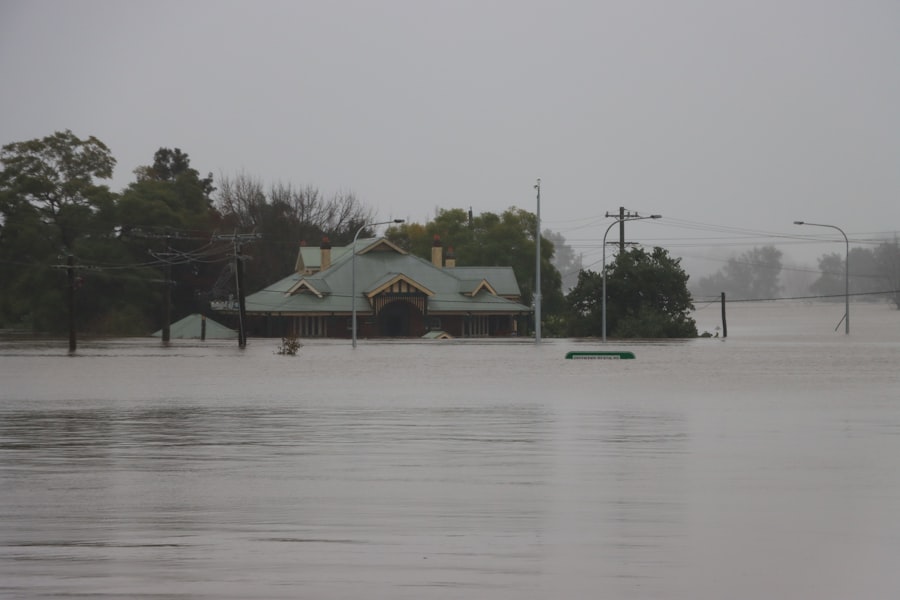
Flood legends offer a window into how early humans perceived and responded to the overwhelming and often unpredictable forces of nature. These stories provided a framework for understanding chaos and finding hope amidst devastation.
Understanding and Coping with Environmental Catastrophe
For ancient peoples, floods were not abstract geological events but terrifying, life-altering catastrophes. The development of flood myths served as a crucial psychological and cultural mechanism for making sense of these experiences.
Explaining the Unexplained and Imparting Knowledge
These narratives offered explanations for phenomena that otherwise would have been inexplicable. They provided a way to pass down knowledge about the destructive potential of water, the importance of foresight, and the resilience of life. The stories reinforced lessons learned through hardship, ensuring that future generations would be better prepared, or at least understand the cyclical nature of destruction and rebirth.
Building Social Cohesion and Collective Memory
The shared experience of a catastrophic event and the subsequent retelling of its story likely fostered a strong sense of social cohesion. These myths became the bedrock of collective identity, binding communities together through shared trauma and shared hope. The act of storytelling itself became a ritual that reinforced cultural values and preserved the collective memory of ancestral experiences.
The Role of Agency and Divine Intervention
Flood legends often explore the complex interplay between human actions and supposed divine will. This tension between what humans can control and what is beyond their power is a recurring theme.
Human Ingenuity and Resilience in the Face of Disaster
While divine intervention is often cited as the cause of the flood or the means of salvation, many stories also highlight human ingenuity and resilience. The construction of the ark, the efforts of flood-controlling heroes like Yu in China, and the adaptive strategies of survivors all demonstrate humanity’s capacity to respond to and overcome adversity. This aspect of the narratives offers a message of hope and empowerment, suggesting that even in the face of overwhelming odds, human effort can make a difference.
The Interplay of Divine Will and Human Destiny
The idea that floods are a divine punishment or a consequence of human transgression introduces a moral and theological dimension. This perspective suggests that humanity’s destiny is intertwined with its moral conduct and its relationship with the divine. While some interpretations lean heavily on divine capriciousness, others emphasize a more structured cosmic order where floods serve as recalibration events for a misbehaving world.
Many cultures around the world have their own flood legends, often thought to be rooted in real historical events. These stories, from the Epic of Gilgamesh to the biblical account of Noah’s Ark, suggest a shared memory of catastrophic flooding. For those interested in exploring the connections between these legends and historical events, a fascinating article discusses the scientific analysis of ancient maps and their implications for understanding our past. You can read more about this intriguing topic in the article here.
The Enduring Legacy of Flood Narratives
| Location | Legend | Historical Event |
|---|---|---|
| Mesopotamia | The Epic of Gilgamesh | The flooding of the Tigris and Euphrates rivers |
| China | The Great Flood in Chinese mythology | The flooding of the Yellow River |
| Greece | The Deucalion and Pyrrha myth | The flooding of the Thessalian plain |
| India | The story of Manu in Hindu mythology | The flooding of the Ganges River |
Despite the vast span of time and the multitude of cultures that have told them, flood legends continue to hold a powerful grip on the human imagination. Their enduring appeal speaks to their fundamental resonance with the human condition.
Flood Myths as Literary and Cultural Archetypes
The flood narrative has transcended its origins as a simple recounting of past events to become a potent literary and cultural archetype, influencing art, literature, and film for millennia. Its themes of destruction, survival, and rebirth are universally understood and endlessly adaptable.
Symbolism in Modern Literature and Art
From religious texts to contemporary novels and films, the flood motif continues to be employed to explore themes of societal collapse, existential threat, and humanity’s capacity for renewal. The image of the lone survivor or the ark embarking on a perilous journey can evoke deep emotional responses and serve as powerful metaphors for personal or societal transformations.
The Future of Flood Myths: Climate Change and Modern Fears
In an era of increasing global concern about climate change and its potential for cataclysmic environmental shifts, flood narratives are gaining renewed relevance. The ancient fears and warnings embedded in these myths resonate with contemporary anxieties.
Echoes of Ancient Fears in Modern Environmental Concerns
As sea levels rise, glaciers melt, and extreme weather events become more frequent, the ancient stories of watery destruction feel less like distant myths and more like potential precursors to future realities. The collective memory encoded in flood legends offers a historical context for understanding our vulnerability to water-related disasters and the potential consequences of unchecked environmental change.
The Need for Adaptation and Collective Action
Ultimately, the enduring power of flood legends lies in their multifaceted nature. They are not simply tales of destruction, but also narratives of survival, adaptation, and the unwavering human drive to rebuild and persevere. As we face the challenges of our own era, these ancient stories serve as potent reminders of both our fragility and our remarkable resilience, urging us to learn from the past and act collectively to secure a future where the waters, though powerful, do not define our end.

Could Humanity Remember a World That No Longer Exists?
FAQs
What are flood legends?
Flood legends are stories or myths that have been passed down through generations in various cultures, describing a catastrophic flood that affected the entire world or a specific region.
What is the real history behind flood legends?
The real history behind flood legends is that many ancient civilizations experienced devastating floods, which left a lasting impact on their collective memory. These floods were often caused by natural disasters such as tsunamis, melting glaciers, or heavy rainfall.
Which ancient civilizations have flood legends?
Many ancient civilizations have flood legends, including the Mesopotamians, Greeks, Egyptians, Chinese, and Native American tribes. Each culture has its own version of the flood story, often with unique details and characters.
Are there any scientific explanations for flood legends?
Yes, there are scientific explanations for flood legends. Archaeological and geological evidence supports the occurrence of catastrophic floods in various regions throughout history. These natural disasters likely inspired the flood stories that have been passed down through generations.
What can we learn from flood legends?
Flood legends provide insight into how ancient cultures interpreted and coped with natural disasters. They also highlight the universal human experience of facing and surviving catastrophic events. Additionally, studying flood legends can help us better understand the shared history of different civilizations.