
The pervasive clang of bells, once an inseparable fixture of daily life, has undergone a notable decline in many contemporary settings. This article examines the various factors contributing to the removal of bells, focusing primarily on safety and noise concerns. From urban centers to rural landscapes, the resonance of bells, whether from churches, schools, or public spaces, is increasingly being questioned and, in numerous instances, silenced.
The presence of bells in human societies boasts a venerable history, spanning millennia and encompassing diverse cultural and practical applications. Historically, bells served as vital instruments of communication, timekeeping, and community cohesion.
Early Uses and Cultural Significance
Early bells, crafted from clay, wood, or metal, played crucial roles in religious ceremonies, marking prayer times or summoning congregants. Their sonic reach extended beyond the sacred, signaling danger, celebrating victories, or denoting significant events within a community. In many cultures, the bell’s sound was imbued with symbolic meaning, believed to ward off evil spirits, call forth prosperity, or simply evoke a sense of spiritual connection. For instance, the intricate bell towers of medieval Europe were not merely architectural marvels but acoustic beacons, their chimes weaving the fabric of daily life.
Industrial Revolution and Urbanization
The advent of the Industrial Revolution introduced new scales of production and, consequently, new types of bells. Factory bells regulated shifts, school bells dictated academic schedules, and tram bells warned of approaching vehicles. However, this era also marked a pivotal shift towards increased population density and the burgeoning cacophony of urban environments. As cities grew, the pervasive soundscape became more complex, and what was once a melodic call could, for some, transform into an intrusive din. The very utility of bells, once undisputed, began to face scrutiny as the auditory environment intensified.
The removal of bells from towers has been a topic of interest, particularly in the context of changing societal values and the evolution of urban environments. A related article that explores the broader implications of such changes can be found at The Rise of Failed Government States. This piece delves into how shifts in governance and public sentiment can lead to the alteration or removal of traditional symbols, such as church bells, reflecting a society in transition.
Safety Concerns and Their Impact
The primary impetus for the removal of bells in many modern contexts stems from a growing awareness of and response to safety concerns. These concerns are multifaceted, encompassing both direct physical hazards and the subtle, yet impactful, influence on human well-being.
Physical Hazards
The physical risks associated with bells vary depending on their size, location, and method of operation. Large, heavy bells, particularly those in historic towers, present inherent structural challenges. The continuous vibration generated by their ringing can, over extended periods, contribute to structural fatigue, posing a risk of collapse or damage to surrounding structures. Maintenance of these bells often requires specialized equipment and expertise, and even then, incidents can occur during installation, repair, or routine ringing. Consider the complex engineering involved in suspending and operating a massive church bell; any failure in the rigging or supporting structure could have catastrophic consequences.
Smaller bells, while not posing the same scale of structural risk, can still present safety issues. Bells on bicycles, although designed as safety devices, can malfunction, leading to distractions or, in rare instances, entanglement. Similarly, bells used in industrial settings, if improperly installed or poorly maintained, could fall or become dislodged, creating a localized hazard.
Hearing Protection and Noise-Induced Hearing Loss
Perhaps the most significant safety concern associated with bells, particularly those producing high decibel levels, is the risk of noise-induced hearing loss. Prolonged exposure to loud sounds, even if seemingly intermittent, can cause irreversible damage to the delicate hair cells in the inner ear. Bell ringers, in particular, are susceptible to this risk, often operating in close proximity to very loud sounds for extended periods. Without adequate hearing protection, their auditory health can be severely compromised.
Beyond the direct operators, nearby residents or individuals frequently exposed to loud bell sounds may also experience auditory fatigue or, over time, a decline in their hearing acuity. The threshold for what constitutes a “loud” sound is subjective, but scientific consensus points to sustained exposure above 85 decibels as potentially damaging. Many bells, especially large church bells, can easily exceed this level. This concern has led to regulations and recommendations regarding sound levels and exposure times in various settings.
Noise Pollution and Quality of Life
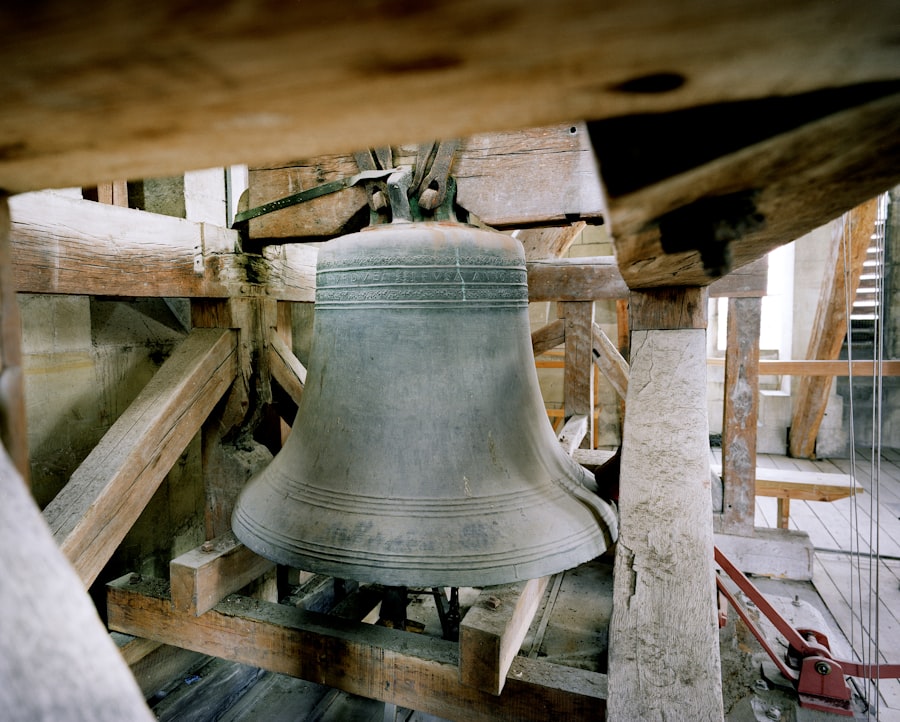
Beyond direct safety implications, the perceived noise generated by bells has emerged as a significant factor in their removal. In an increasingly urbanized world, the issue of noise pollution has gained prominence, impacting quality of life and even public health.
Urban Soundscapes and Sensory Overload
Modern cities are characterized by incredibly complex and often overwhelming soundscapes. The constant hum of traffic, the blare of sirens, construction noise, and a myriad of other sounds contribute to a sensory overload that can have demonstrable psychological and physiological effects. In this environment, the sound of a bell, which might once have been a welcome auditory marker, can be perceived as an additional, unwanted layer of noise.
The concept of a “sound diet” is gaining traction, with individuals and communities increasingly seeking to control and curate their auditory environments. For some, the intermittent yet powerful sound of bells can disrupt this desired sonic tranquility, particularly in residential areas or during hours typically reserved for rest and quiet. Imagine trying to conduct a phone call or simply enjoy amoment of quiet contemplation only to be repeatedly interrupted by a loud, resonant chime.
Impact on Wildlife and Ecosystems
While often overlooked, the impact of anthropogenic noise on wildlife is a growing area of scientific inquiry. Birds, in particular, rely heavily on auditory cues for communication, navigation, and mating. The sudden, loud sounds of bells can disrupt these vital processes, leading to stress, altered foraging behaviors, and even displacement from habitat. Marine life, too, can be affected by underwater noise generated by nearby terrestrial sources, though the direct impact of bells in this context is generally localized.
Furthermore, domestic animals, such as pets, can display adverse reactions to loud or unexpected bell sounds, exhibiting anxiety, fear, or behavioral changes. The removal of bells in urban parks or areas adjacent to natural habitats can therefore be seen as a measure to mitigate these ecological disturbances.
Technological Alternatives and Modern Solutions

The perceived obsolescence of bells in certain contexts has been accelerated by the proliferation of technological alternatives that offer greater precision, control, and often, less disruptive modes of communication and signaling.
Digital Chimes and Electronic Systems
For many traditional applications, such as church bells or clock towers, mechanical bells are increasingly being replaced by digital chime systems or electronic bell simulators. These systems offer several advantages. They can replicate the sound of traditional bells with remarkable fidelity, often allowing for a wider range of melodies and tones. Crucially, they offer precise control over volume, timing, and duration, enabling organizations to adjust the soundscape to local sensitivities. Imagine a church that can program its chimes to be softer during residential quiet hours or during a funeral, a level of nuance impossible with traditional mechanical bells.
Maintenance costs for electronic systems are generally lower, and they eliminate the structural stresses associated with heavy swinging bells. Furthermore, these systems require no physical effort for operation, making them accessible to a wider range of individuals.
Visual and Haptic Indicators
In scenarios where bells served as warning or signaling devices, visual and haptic indicators are increasingly being adopted as more effective and less intrusive alternatives. Flashing lights, LED displays, and vibrating alarms can convey information clearly without contributing to ambient noise. For individuals with hearing impairments, these alternatives are particularly crucial, offering accessibility that traditional bells cannot provide.
Consider, for example, the evolution of school dismissal signals. While bells once reigned supreme, many modern schools now employ PA systems, visual cues, or digital alerts, often integrating these with communication platforms that reach parents directly. This multi-modal approach ensures clear and accessible communication without relying solely on auditory signals that may be disruptive or insufficient for all individuals.
The removal of bells from towers has often been attributed to a variety of factors, including modernization and changes in community needs. In a fascinating exploration of historical artifacts, one can find parallels in the way societies have shifted their focus over time. For instance, the article on the mystery of lost maps discusses how the evolution of navigation tools transformed maritime practices, much like how the advent of technology has led to the decline of traditional bell ringing. To delve deeper into this intriguing topic, you can read more about it in the article here.
Case Studies and Public Discourse
| Reason for Removal | Description | Impact | Examples |
|---|---|---|---|
| Structural Safety Concerns | Bells and their supporting structures can cause stress and damage to aging towers. | Prevents collapse or further deterioration of historic buildings. | St. Mary’s Church, UK – bells removed to prevent tower damage. |
| Noise Complaints | Loud ringing can disturb nearby residents, especially in urban areas. | Improves community relations and reduces noise pollution. | Churches in urban US cities have limited or removed bell ringing. |
| Modernization and Automation | Replacing manual bell ringing with electronic chimes or speakers. | Reduces maintenance and labor costs. | Many European cathedrals use electronic bell sounds instead of physical bells. |
| Theft and Vandalism | Bells are valuable and can be targets for theft or damage. | Removal protects historic artifacts and prevents loss. | Historic bells removed from some churches in conflict zones. |
| Preservation of Historic Bells | Moving bells indoors to protect them from weathering and corrosion. | Extends the lifespan of bells and preserves their sound quality. | Some cathedrals house original bells in museums or controlled environments. |
The removal of bells is rarely a monolithic event but rather a nuanced process often shaped by local circumstances, community dialogue, and competing priorities. Examining specific instances provides valuable insight into the complexities involved.
Community Consultations and Resident Complaints
Numerous cases exist where the sustained ringing of bells, particularly church or clock tower bells, has led to formal complaints from residents. These complaints often cite disruption of sleep, interference with work or leisure activities, or simply a desire for a quieter living environment. In response, many institutions have engaged in extensive community consultations, gathering feedback and attempting to find compromises. This often involves reducing the frequency of ringing, adjusting the volume, or limiting the ringing to specific hours. The challenge lies in balancing historical tradition or functional necessity with the legitimate desire for peace and quiet from nearby residents.
For example, a historic church in a rapidly gentrifying urban neighborhood might find its centuries-old tradition of hourly chimes met with resistance from new residents accustomed to quieter living. The church then faces the delicate task of either adapting its practices or risking prolonged disputes.
Heritage Preservation vs. Modern Demands
The removal or alteration of bells, particularly those with historical significance, often ignites debates surrounding heritage preservation versus modern demands. Historic bells can be integral to the architectural integrity and cultural identity of a building or community. Preservationists argue that removing or silencing them diminishes a tangible link to the past and erodes cultural heritage.
However, advocates for removal often argue that historical significance should not override legitimate concerns about safety, noise pollution, or functionality in a contemporary context. This tension is particularly evident when historic bells require extensive and costly repairs, or when their continued operation poses structural risks to aging buildings. The challenge then becomes how to honor heritage while ensuring safety and addressing the needs of present-day communities. This often leads to creative solutions, such as installing digital simulators instead of replacing historic bells, or creating museum exhibits for retired bells.
Legal and Regulatory Frameworks
The discourse surrounding bells is increasingly shaped by legal and regulatory frameworks pertaining to noise pollution. Local ordinances often set permissible sound levels for different times of day and in various zones, and bells, like any other sound source, can fall under these regulations. Legal challenges from residents regarding excessive bell noise have, in some instances, led to mandates for reduction or removal.
These legal battles highlight the shifting societal perception of noise, from an unavoidable byproduct of activity to a controllable environmental factor with measurable impacts on public health and well-being. The legal system, therefore, acts as a crucible where the competing interests of tradition, function, and public welfare are often mediated and resolved. This trend underscores a broader societal movement towards a more consciously managed and less intrusive auditory environment.
In conclusion, the removal of bells represents a complex societal shift, driven by a confluence of evolving safety standards, increased awareness of noise pollution, and the advent of sophisticated technological alternatives. While the resonant chimes of bells may be less ubiquitous than in eras past, their evolving presence reflects a continuous renegotiation between tradition and modernity, function and impact, ensuring a better quality of life for all.

WATCH NOW ▶️ WARNING: They Erased The World Before Us
FAQs
Why were bells originally installed in towers?
Bells were installed in towers primarily to signal time, call people to religious services, mark special events, and serve as alarms during emergencies.
What are some common reasons for removing bells from towers?
Bells have been removed due to structural concerns, noise complaints, modernization of communication methods, preservation efforts, or damage to the bells or tower.
How does structural safety influence the removal of bells?
If a tower becomes unstable or the weight and vibrations from the bells threaten its integrity, the bells may be removed to prevent collapse or further damage.
Have changes in technology affected the use of tower bells?
Yes, advancements such as electronic chimes, public address systems, and digital clocks have reduced the need for traditional bell ringing, leading to their removal in some cases.
Are there preservation efforts related to bells and towers?
Yes, some bells are removed to be restored or preserved in museums, especially if they are historic or at risk of deterioration, while the towers may be stabilized or repurposed.