The grand tapestry of human history is woven with the rise and eventual decline of countless civilizations, each leaving behind an indelible mark on the present. For those captivated by the grand narratives of human endeavor, the documentary series “The Rise and Fall of Ancient Civilizations” stands as a monumental achievement in historical exploration. This seminal work, meticulously researched and visually stunning, offers viewers an unparalleled journey through the triumphs and tragedies of some of the most influential societies the world has ever known. It is, without hyperbole, the best history documentary to emerge on the subject, providing both profound insight and profound entertainment.
“The Rise and Fall of Ancient Civilizations” is not merely a collection of facts and dates; it is a compelling narrative that seeks to understand the fundamental forces that shape human societies. The documentary posits that the trajectory of any civilization, from its nascent beginnings to its eventual dissolution, is a complex interplay of environmental factors, societal structures, technological advancements, and human ambition. The series, through its expert narration and breathtaking cinematography, brings these abstract concepts to life, allowing viewers to not only learn about history but to truly feel it.
The Architect of Destruction: Identifying Universal Patterns
A central thesis of the documentary is the identification of recurring patterns that contribute to the downfall of empires. It meticulously dismantles the simplistic notion of a single cause for collapse, instead highlighting a confluence of internal weaknesses and external pressures. The series presents a powerful argument that while each civilization possesses unique characteristics, the seeds of their destruction are often sown through similar, understandable human and societal failings. This analytical approach elevates the documentary beyond mere historical recounting, offering a framework for understanding societal dynamics that remains relevant even today.
The Siren Song of Hubris: When Ambition Outstrips Capability
One of the most potent themes explored is the role of hubris in a civilization’s undoing. The documentary illustrates how unchecked ambition, coupled with a belief in infallibility, can lead to overreach and ultimately, collapse. Examples are drawn from across the ages, showcasing how powerful rulers and influential societies, when blinded by their own success, often make critical missteps that destabilize their foundations. The series doesn’t shy away from the human element, portraying the pride and vanity that can lead even the most sophisticated societies to their knees.
The Rot Within: Internal Stress Fractures
Beyond external threats, “The Rise and Fall of Ancient Civilizations” delves deeply into the internal fragilities that can cripple a society. It examines how societal inequalities, political corruption, economic disparities, and ideological divides can create fissures that widen over time, rendering a civilization vulnerable to even minor shocks. The documentary provides vivid examples of how the erosion of social cohesion and the breakdown of trust can be as destructive as any invading army.
The Whispers of Nature: Environmental Determinism and its Limits
The documentary acknowledges the profound impact of the natural world on the fortunes of ancient civilizations. It explores how environmental shifts, resource depletion, and natural disasters can act as significant catalysts for change, often exacerbating existing weaknesses. However, the series also skillfully navigates the complex relationship between environment and society, demonstrating that while nature presents challenges, it is often the human response to these challenges that determines a civilization’s fate.
The Crucial Balance: Resource Management and Sustainability
A key focus is on how civilizations managed their most vital resources. The documentary highlights cases where unsustainable practices, such as deforestation, over-irrigation, and excessive exploitation of arable land, ultimately led to ecological collapse and societal decline. It underscores the delicate balance required to maintain a thriving civilization in harmony with its environment, a lesson that resonates deeply with contemporary concerns about sustainability.
The Unseen Enemy: Climate Change and its Ancient Echoes
The series artfully draws parallels between ancient climate shifts and modern climate change. It illustrates how prolonged droughts, devastating floods, and changing weather patterns played significant roles in the decline of various societies, forcing migrations, agricultural failures, and widespread social unrest. This historical perspective provides a stark reminder of humanity’s long-standing vulnerability to environmental volatility.
If you’re interested in exploring captivating narratives from the past, you might find the article on the Civil War enlightening. It offers a deep analysis that complements the themes often explored in the best ancient history documentaries. To read more about this fascinating topic, visit the article here: Unraveling the Civil War: A Deep Analysis.
A Pantheon of Empires: Case Studies in Grandeur and Decay
The true strength of “The Rise and Fall of Ancient Civilizations” lies in its meticulous and engaging exploration of specific empires. Each civilization is presented not as a static entity but as a dynamic organism, born from unique circumstances, flourishing under particular conditions, and ultimately succumbing to a combination of internal and external forces. The documentary’s commitment to detailed inquiry makes these case studies both informative and deeply moving.
Mesopotamia: The Cradle of Civilization and its Fragmented Legacy
The series begins its journey in the fertile crescent, exploring the rise of the Sumerians, Akkadians, Babylonians, and Assyrians. It meticulously charts their innovations in agriculture, writing, law, and governance, laying the groundwork for much of Western civilization.
The Dawn of Cities: Innovations that Shaped the World
The documentary celebrates the ingenuity of Mesopotamian peoples, showcasing their groundbreaking achievements in urban planning, irrigation systems, and the development of cuneiform writing. It highlights how these advancements allowed for the concentration of populations, the specialization of labor, and the emergence of complex social hierarchies.
The Seeds of Conflict: Internal Strife and External Threats
Despite their remarkable achievements, the Mesopotamian city-states were often plagued by internal rivalries and constant warfare. The documentary examines how this perpetual state of conflict, coupled with the region’s vulnerability to invasion, ultimately contributed to the fragmentation and eventual decline of these early empires.
The Majesty of Egypt: The Nile’s Enduring Gift and its Gradual Erosion
The enduring allure of ancient Egypt is brought to life through vivid imagery and expert analysis. The documentary traces the unification of Egypt, the construction of the pyramids, and the theological and political systems that underpinned its millennia-long reign.
The Pharaoh’s Authority: Divine Right and Societal Stability
The series explores how the divine status of the pharaoh and the centralized power structure provided a remarkable degree of stability and continuity for Egyptian civilization. It delves into the intricate religious beliefs and elaborate burial practices that defined this unique society.
The Shifting Sands of Power: Foreign Invasions and Internal Weakness
While often portrayed as unassailable, Egypt faced numerous challenges throughout its history, including periods of foreign domination by the Hyksos, Persians, and Greeks. The documentary examines how internal weaknesses, such as economic strain and the erosion of pharaonic authority, often left Egypt vulnerable to these external pressures.
If you’re interested in exploring the fascinating aspects of ancient history, you might find the article on isostatic rebound and Antarctic topography particularly intriguing. It delves into how geological changes over millennia have shaped our understanding of past climates and human civilizations. To learn more about this captivating topic, you can check out the article here: isostatic rebound and Antarctic topography. This connection between ancient landscapes and modern science offers a unique perspective on how our planet’s history continues to influence us today.
The Hellenic Renaissance: The Golden Age of Athens and the Seeds of Division
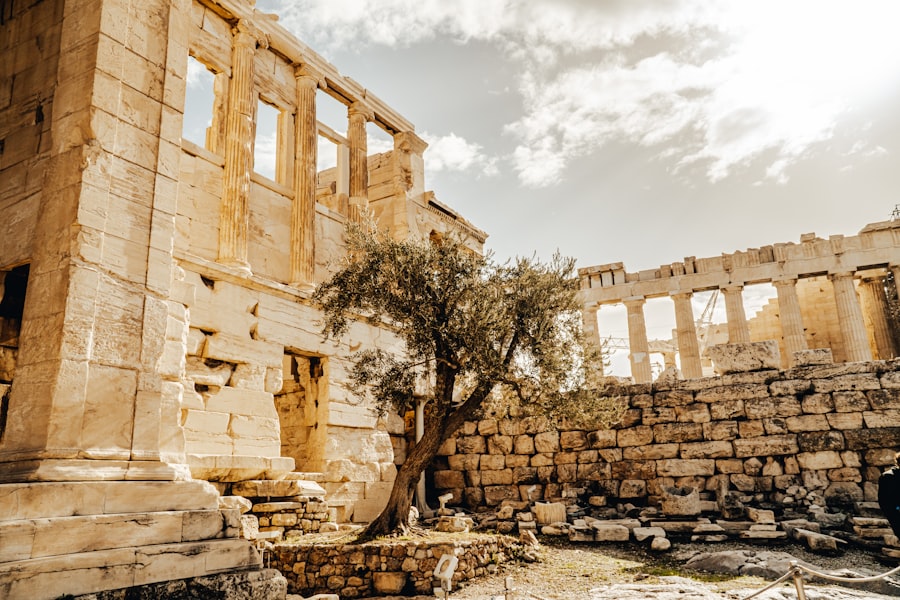
The documentary dedicates significant attention to the flourishing of Greek civilization, particularly the city-state of Athens during its Golden Age. It celebrates their contributions to philosophy, democracy, art, and science, while also acknowledging the underlying tensions that would eventually lead to conflict.
The Birth of Democracy: An Experiment in Self-Governance
The series provides a compelling account of the development of Athenian democracy, highlighting its strengths and limitations. It explores the concept of citizenship, the institutions of Athenian governance, and the philosophical debates that shaped the city’s intellectual landscape.
The Peloponnesian War: Brotherhood Fractured
The documentary unequivocally identifies the Peloponnesian War as a turning point in Greek history. It meticulously details the devastating conflict between Athens and Sparta, demonstrating how this internecine struggle weakened the entire Hellenic world and paved the way for foreign intervention.
The Roman Colossus: From Republic to Empire and the Echoes of its Fall
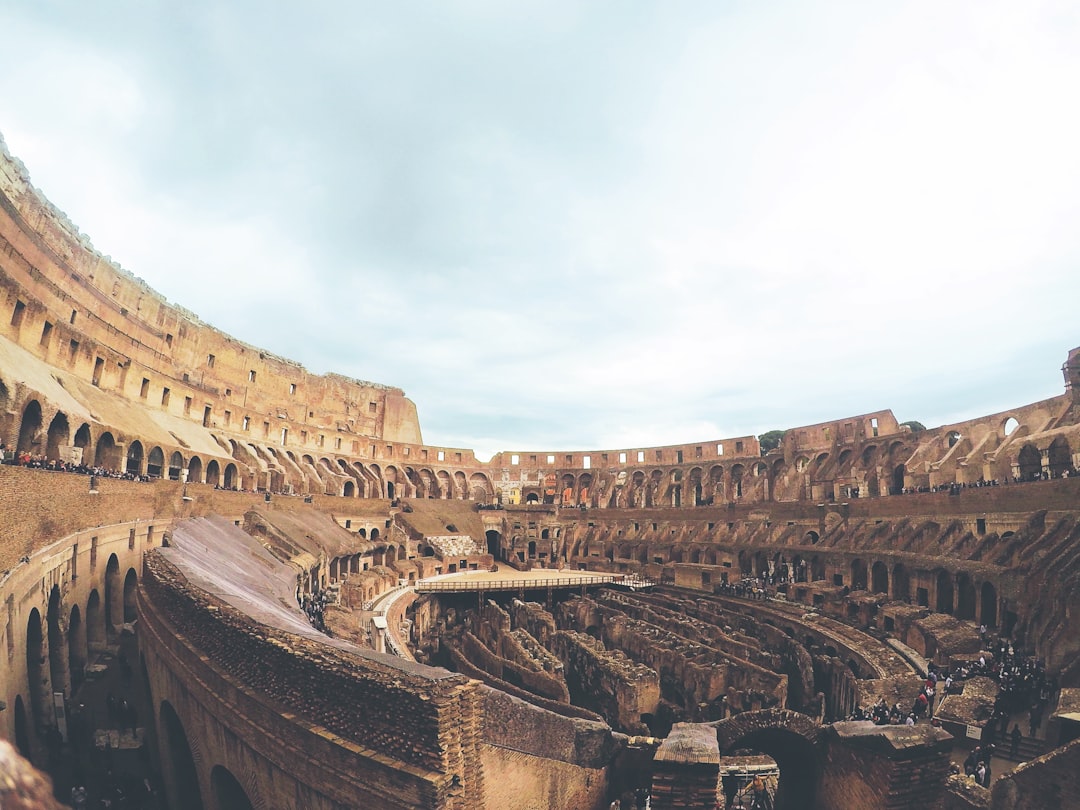
Perhaps the most extensively explored civilization in the series is Rome, from its humble beginnings as a republic to its zenith as a vast empire and its eventual, albeit complex, collapse. The documentary provides a nuanced portrayal of Roman ingenuity, military might, and administrative brilliance.
The Ingenuity of Empire: Engineering, Law, and Infrastructure
The series showcases Rome’s unparalleled achievements in engineering, from the aqueducts and roads that crisscrossed the empire to the architectural marvels that still stand today. It also examines the development of Roman law and its lasting influence on Western legal systems.
The Cracks in the Foundation: Economic Strain and Military Overstretch
The documentary offers a detailed analysis of the economic factors that contributed to Rome’s decline, including inflation, excessive taxation, and reliance on slave labor. It also discusses the immense strain placed on the military by the vastness of the empire and the constant threat of barbarian incursions.
The Legacy of the Legions: Military Might and its Discontents
The power of the Roman legions is a recurring theme, but the documentary also explores the internal political machinations and the growing influence of the military in Roman society, which ultimately contributed to instability and civil war.
The Aztec Empire: A Flourishing Civilization Brought Down by Conquest
The documentary offers a vivid and often poignant account of the Aztec civilization, highlighting their sophisticated agricultural techniques, elaborate calendar system, and complex religious practices. It then meticulously details the arrival of the Spanish conquistadors and the devastating impact of disease and warfare.
Tenochtitlan: A Jewel in the Lake
The series provides breathtaking visuals of the Aztec capital, Tenochtitlan, showcasing its grandeur and innovative urban planning. It explores the social structure, religious rituals, and artistic achievements of this vibrant Mesoamerican civilization.
The Unforeseen Tide: Disease and the Spanish Conquest
The documentary emphasizes the catastrophic role of European diseases, to which the indigenous population had no immunity, in decimating the Aztec population. It also details the military strategies of the Spanish and the complex alliances they forged with disgruntled subject peoples.
The Enduring Wisdom: Lessons for the Present and Future
The most compelling aspect of “The Rise and Fall of Ancient Civilizations” is its ability to transcend simple historical narration and offer profound lessons for contemporary society. By meticulously dissecting the causes of collapse in these ancient societies, the documentary provides a cautionary tale, urging viewers to consider the enduring patterns of human behavior and societal dynamics.
A Mirror to Ourselves: Societal Parallels and Warnings
The series consistently draws parallels between ancient challenges and modern dilemmas. It illustrates how issues of social inequality, political polarization, environmental degradation, and the allure of unsustainable growth are not new phenomena but recurring themes in the human story. The documentary serves as a powerful mirror, reflecting our own societal vulnerabilities and potential pitfalls.
The Perils of Complacency: Ignoring the Warning Signs
One of the most salient takeaways is the danger of complacency. The documentary emphasizes how civilizations often decline not due to sudden catastrophes but through a gradual erosion of their core strengths, a process that is frequently ignored or dismissed by those in power. This serves as a stark warning against the tendency to overlook subtle but significant warning signs.
The Importance of Adaptability: Resilience in the Face of Change
Conversely, the series also highlights the importance of adaptability and resilience. It showcases how some societies, while facing immense challenges, were able to adapt and reinvent themselves, demonstrating that collapse is not always inevitable. This offers a more hopeful perspective, emphasizing the power of human ingenuity and collective will to navigate adversity.
The Responsibility of Knowledge: Learning from the Past to Shape the Future
Ultimately, “The Rise and Fall of Ancient Civilizations” is a testament to the transformative power of historical knowledge. By understanding the successes and failures of those who came before us, humanity can better equip itself to face the challenges of the present and build a more sustainable and equitable future. The documentary leaves the viewer with a profound sense of both the fragility and the enduring potential of human civilization. It is an essential watch for anyone seeking to understand not just where we came from, but where we might be going.

How Volcanic Glass Solved a 10,000-Year-Old Mystery
FAQs
What are some of the best ancient history documentaries available?
Some of the best ancient history documentaries include “Civilizations,” “The Story of Egypt,” “Rome: Rise and Fall of an Empire,” “The Greeks,” and “Ancient Rome: The Rise and Fall of an Empire.”
Where can I watch ancient history documentaries?
Ancient history documentaries can be found on streaming platforms such as Netflix, Amazon Prime Video, Hulu, and YouTube. They may also be available for purchase or rental on platforms like iTunes and Google Play.
What are some common topics covered in ancient history documentaries?
Common topics covered in ancient history documentaries include the rise and fall of ancient civilizations, the achievements and contributions of ancient cultures, the daily lives of people in ancient times, and the impact of ancient events on modern society.
Are ancient history documentaries based on factual information?
The best ancient history documentaries are based on factual information and are often created in collaboration with historians, archaeologists, and experts in the field. However, it’s important to critically evaluate the sources and perspectives presented in these documentaries.
Why are ancient history documentaries important?
Ancient history documentaries are important because they help us understand the origins of human civilization, the development of cultures and societies, and the historical events that have shaped the world we live in today. They also provide valuable insights into the achievements and challenges faced by ancient peoples.