The trajectory of human civilization is intimately linked with the story of its urban centers. From ancient metropolises to modern mega-cities, these hubs of commerce, culture, and innovation have experienced periods of exponential growth, prolonged stasis, and precipitous decline. The rise and fall of cities is not a monolithic narrative, but a complex tapestry woven from threads of environmental change, economic shifts, social unrest, and political upheaval. This article delves into the processes of urban abandonment and subsequent repopulation, exploring the driving forces behind these transformative cycles. When considering a city, one observes not merely a collection of buildings, but a living entity, its pulse reflecting the ebb and flow of its inhabitants’ fortunes.
The foundational principles behind the establishment of cities are rooted in human ingenuity and the desire for collective progress. Early settlements, often situated near vital resources, evolved into complex societies when agricultural surpluses allowed for specialized labor and the development of administrative structures.
Resource Accessibility and Exploitation
The selection of a site for a city was rarely arbitrary. Access to fresh water, fertile land, and navigable waterways were primary considerations. The Nile River, for example, provided the lifeblood for ancient Egyptian cities, its predictable flooding enriching the soil for agriculture. Similarly, the strategic location of Constantinople, straddling two continents and controlling vital trade routes, guaranteed its early prosperity.
Defense and Security Needs
Protection from external threats was a paramount concern for early urban dwellers. Natural formidable barriers, such as mountains or rivers, offered inherent advantages. Alternatively, cities employed extensive fortifications, including walls, moats, and citadels, becoming formidable strongholds. The remains of these defenses, from the Great Wall of China to the city walls of Dubrovnik, stand as testaments to this fundamental human need.
Economic and Cultural Convergence
As agricultural techniques improved, allowing a smaller portion of the population to produce food, others could specialize in crafts, trade, and intellectual pursuits. Cities became magnets for commerce, attracting merchants, artisans, and scholars. This concentration of talent fostered innovation, leading to advancements in technology, art, and philosophy. The Athenian agora, for instance, served as a bustling marketplace, judicial forum, and philosophical debate ground, embodying this multifaceted urban role.
Throughout history, cities have experienced cycles of abandonment and repopulation due to various factors such as economic decline, natural disasters, and social upheaval. Understanding these patterns can provide valuable insights into the resilience of human civilization. For a deeper exploration of how ancient civilizations have demonstrated remarkable adaptability in the face of challenges, you can read the article on the unbreakable nature of ancient civilizations at this link.
The Descent: Causes of Urban Abandonment
The forces capable of unraveling the fabric of a city are diverse and often interconnected. A single catastrophic event can initiate a decline, but more frequently, it is a confluence of factors that gradually erodes a city’s viability. Imagine a city as a robust tree, its roots drawing nourishment from the surrounding environment; when those roots begin to wither, the tree eventually succumbs.
Environmental Catastrophes
Nature’s wrath has frequently been a decisive factor in the decline of urban centers. Earthquakes, tsunamis, volcanic eruptions, and prolonged droughts have the capacity to render even the most resilient cities uninhabitable. Pompeii, buried under volcanic ash from Mount Vesuvius, stands as a chilling testament to such sudden and complete obliteration. Similarly, changes in climate patterns, such as desertification or rising sea levels, can slowly strangle a city, making its existence unsustainable over generations. The abandonment of many settlements in the Maya lowlands is strongly linked to prolonged droughts.
Economic Collapse and Resource Depletion
The economic health of a city is inextricably linked to its sustained prosperity. When the economic engine falters, the city begins to decline. This can manifest in several ways. The depletion of critical natural resources, such as precious metals for mining towns or timber for logging communities, can eliminate the foundational industry that sustained the city. The ghost towns of the American West, once vibrant centers of mining activity, offer numerous examples of this phenomenon. Furthermore, shifts in trade routes, technological obsolescence, or global market fluctuations can render a city’s primary industries uncompetitive or irrelevant, leading to widespread unemployment and out-migration. Detroit’s industrial decline in the late 20th century, exacerbated by the struggles of the automotive industry, provides a modern analogy.
Social and Political Instability
Internal strife and external aggression have repeatedly contributed to urban abandonment. Prolonged periods of warfare can lead to the destruction of infrastructure, disruption of daily life, and mass displacement of populations. The constant sieges and sackings endured by many European cities during medieval times illustrate this point. Civil unrest, famine, and disease epidemics also contribute to social decay, leading residents to seek safer or more stable environments. The abandonment of Great Zimbabwe, while debated, is believed by some historians to be linked to political instability and internal conflict.
Infrastructure Decay and Neglect
Even without catastrophic events, a gradual erosion of a city’s core services can trigger a decline. When infrastructure, such as water systems, sanitation, or transportation networks, is not maintained or upgraded, the quality of life within the city diminishes. This neglect can lead to health crises, economic stagnation, and a sense of desperation among inhabitants, prompting them to relocate to areas offering better amenities and opportunities. The slow decay of Roman aqueducts and roads, following the decline of the Western Roman Empire, contributed to the inability of cities to sustain their populations at previous levels.
The Dormancy: The Period of Abandonment

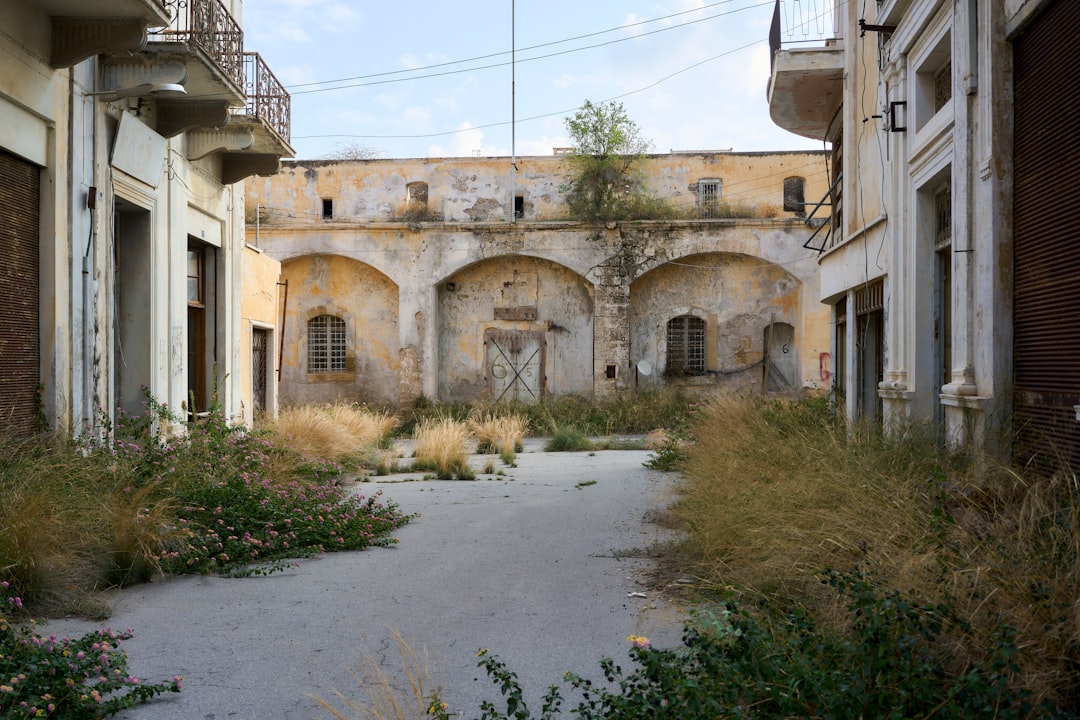
Once a city has been abandoned, it does not simply vanish. Instead, it enters a period of dormancy, during which nature reclaims its territory and the remnants of human civilization slowly decay. This phase is characterized by an ethereal silence, broken only by the whispers of the wind through empty streets.
Nature’s Reclamation
In the absence of human intervention, natural processes begin to engulf abandoned structures. Vegetation grows through cracks in pavements, roots undermine foundations, and animals inhabit deserted buildings. This phenomenon turns once vibrant thoroughfares into overgrown paths and transforms architectural marvels into ruins intertwined with flora. The ancient city of Angkor Wat, swallowed by the Cambodian jungle for centuries, is a poignant example of nature’s formidable ability to reclaim urban spaces.
Architectural Degradation
Without constant maintenance, buildings are exposed to the elements, leading to their gradual deterioration. Roofs collapse, walls crumble, and intricate details erode. The processes of freeze-thaw cycles, wind erosion, and water damage steadily dismantle the built environment. What remains are often skeletal frameworks, ghosts of their former selves, standing as monuments to a bygone era. The shells of ghost towns in arid regions, preserved by dry climates, showcase the slow but inevitable march of architectural decay.
Archaeological Significance
Paradoxically, abandonment can preserve a snapshot of a city at the moment of its decline. Without subsequent development, archaeological layers remain undisturbed, offering invaluable insights into the daily lives, technologies, and social structures of past civilizations. The deliberate abandonment often leaves behind artifacts and structures that provide a rich canvas for historians and archaeologists to piece together the narrative of the city. The ruins of Çatalhöyük in Anatolia, abandoned for millennia, offer an unparalleled record of early urban life.
The Reawakening: Drivers of Repopulation

The cycle of urban life is not always terminal. Many cities, after periods of abandonment or severe decline, have experienced a resurgence, a reawakening propelled by renewed opportunities and changing circumstances. Consider the city as a phoenix, rising from its own ashes, albeit often in a different form.
Discovery of New Resources
The identification or exploitation of new natural resources can rekindle interest in abandoned areas. A dormant mining town might experience a boom if new mineral deposits are discovered or if technological advancements make previously uneconomical extraction methods viable. The discovery of oil in historically sparsely populated regions has led to the rapid establishment and growth of new cities. The Australian gold rushes of the 19th century, for instance, led to the immediate creation and subsequent growth of numerous settlements in previously uninhabited areas.
Strategic Geopolitical Shifts
Changes in political boundaries, military considerations, or global power dynamics can elevate the importance of a previously neglected location. A strategically positioned city, once abandoned due to conflict, might be repopulated and heavily invested in during periods of peace or due to new geopolitical imperatives. The repopulation of many European cities after World War II, driven by reconstruction efforts and the re-establishment of national economies, exemplifies this.
Technological Advancements
Innovation frequently reshapes urban landscapes. New technologies can transform previously inhospitable environments into habitable zones, or they can create entirely new industries that draw populations to previously undesirable locations. The development of air conditioning, for example, facilitated the growth of cities in arid and hot climates. The rise of the internet and remote work capabilities has also begun to shift population away from traditional urban centers, ironically sometimes towards previously declining towns with lower costs of living.
Cultural and Historical Reappraisal
Sometimes, a city’s historical or cultural significance can be rediscovered, leading to efforts to preserve and repopulate it, often for heritage tourism or academic purposes. The revitalization of historical city centers, often spurred by UNESCO World Heritage designations or national preservation movements, draws new residents and economic activity linked to cultural heritage. Rome, which experienced significant population decline after the fall of its empire, steadily rebuilt its population and influence over centuries, driven in part by its enduring religious and historical significance.
Throughout history, numerous cities have experienced cycles of abandonment and repopulation, often driven by factors such as resource depletion, natural disasters, or political upheaval. One fascinating example of this phenomenon can be seen in the context of ancient civilizations, where the rise and fall of cities tell a compelling story of human resilience and adaptation. For those interested in exploring the mysteries surrounding lost civilizations, a related article delves into the intriguing theories behind the Piri Reis map and its implications for understanding historical urban dynamics. You can read more about it in this insightful piece on uncovering the lost civilization.
The Phoenix Effect: Case Studies in Repopulation
| Reason for Abandonment | Description | Example City | Repopulation Cause | Repopulation Example |
|---|---|---|---|---|
| Natural Disasters | Earthquakes, floods, volcanic eruptions causing destruction | Pompeii (Italy) | Improved safety measures and economic opportunities | Modern Naples area development |
| War and Conflict | Destruction or unsafe conditions due to battles or invasions | Jerusalem (multiple periods) | Peace treaties and strategic importance | Modern Jerusalem |
| Economic Decline | Loss of trade routes or resources leading to depopulation | Detroit (USA, mid-20th century) | Economic revitalization and new industries | Recent urban renewal projects |
| Environmental Changes | Desertification, drought, or resource depletion | Angkor (Cambodia) | Water management improvements and tourism | Partial repopulation around Angkor Wat |
| Disease Epidemics | Plagues or pandemics causing mass mortality | London (Black Death period) | Improved sanitation and medical advances | Modern London growth |
Observing specific examples provides a clearer understanding of the forces at play in urban repopulation. These case studies highlight the diverse paths cities can take on their journey from decay to renewal.
Berlin: From Division to Unification
Berlin’s trajectory in the 20th century is a stark illustration of extreme urban upheaval and eventual resurgence. Devastated during World War II and then divided by the Cold War, large swathes of the city were abandoned or remained underdeveloped for decades. Following the fall of the Berlin Wall in 1989 and the subsequent reunification of Germany, Berlin experienced a profound transformation. Massive investments in infrastructure, a vibrant cultural scene, and its new status as the capital of unified Germany attracted a diverse population, resulting in rapid repopulation and regeneration. The city became a symbol of renewal, its scars now serving as educational markers rather than open wounds.
Venice: Adapting to Modern Challenges
Venice, a marvel of engineering and culture, has faced numerous challenges, including a declining permanent population due to ecological threats (rising sea levels and subsidence) and the pressures of mass tourism. Its intricate canal system, once its greatest asset, became both a draw and a vulnerability. While not entirely abandoned, its permanent resident population has dwindled significantly, leading to concerns about its long-term viability as a living city beyond a tourist attraction. However, ongoing preservation efforts, innovative engineering solutions to mitigate flooding (like the MOSE project), and a renewed focus on sustainable tourism and cultural heritage are striving to stabilize and potentially repopulate its residential core, allowing it to adapt to continue its unique existence.
Detroit: A Post-Industrial Rebirth
Detroit, once the thriving heart of the American automotive industry, faced precipitous decline in the late 20th and early 21st centuries. Manufacturing jobs vanished, the tax base eroded, and large areas of the city were abandoned, earning it the label “ruin porn” for its decaying urban landscape. However, in recent years, Detroit has experienced a significant revitalization. Investments in new industries, urban farming initiatives, artistic movements, and a conscious effort to rebuild its downtown and midtown areas have attracted new residents and businesses. This rebirth is often driven by a new generation seeking affordable living and entrepreneurial opportunities, transforming abandoned spaces into vibrant community hubs.
The narrative of urban centers is a continuous cycle of creation, adaptation, decay, and sometimes, rebirth. Humanity has long concentrated itself in cities, recognizing their potential as crucibles of innovation and progress. The lessons learned from abandoned cities serve as cautionary tales, reminding us of the fragility of urban existence, while successful repopulation efforts offer blueprints for resilience and renewal. As global populations continue to urbanize, understanding these processes becomes ever more critical for building sustainable and enduring cities for the future.
WATCH NOW ▶️ WARNING: They Erased The World Before Us
FAQs
Why were some ancient cities abandoned?
Ancient cities were often abandoned due to factors such as natural disasters (earthquakes, floods, droughts), resource depletion, economic decline, warfare, disease outbreaks, or environmental changes that made living conditions unsustainable.
What caused cities to be repopulated after abandonment?
Cities were repopulated when conditions improved, such as the restoration of resources, political stability, economic opportunities, or strategic importance. Sometimes new populations moved in due to trade routes reopening or after reconstruction efforts.
How did environmental changes influence city abandonment and repopulation?
Environmental changes like climate shifts, soil degradation, or water source changes could force inhabitants to leave. Conversely, improvements in environment or technology to manage resources could enable repopulation.
Did warfare contribute to the abandonment of cities?
Yes, warfare and invasions often led to destruction or depopulation of cities, causing inhabitants to flee. After conflicts ended, cities might be rebuilt and repopulated if the location remained strategically or economically valuable.
Are there modern examples of cities being abandoned and later repopulated?
Yes, some modern cities have been abandoned due to industrial decline, natural disasters, or economic shifts and later repopulated through redevelopment, tourism, or new economic activities. Examples include Detroit in the USA and parts of Chernobyl in Ukraine.