The drone’s aerial perspective swept across a verdant valley, the first hint of human settlement appearing as subtle geometric patterns etched into the landscape. This was the opening shot of “The Rise of Neolithic Civilization: A Fascinating Documentary,” a film that promised to unravel the very foundations of human society as we know it. For centuries, scholars and enthusiasts alike have been captivated by this pivotal period, a time when humanity transitioned from nomadic hunter-gatherer existence to settled agricultural life, laying the groundwork for everything that followed. This documentary, with its meticulous research, stunning visual recreations, and expert insights, endeavors to bring this transformative era to vivid life.
The documentary begins by painting a picture of the world before the Neolithic Revolution. It depicts small, mobile bands of humans, their lives dictated by the availability of natural resources. The narrative explains that while these hunter-gatherer societies were remarkable in their own right, exhibiting complex social structures and deep ecological knowledge, they were inherently limited by their constant pursuit of sustenance. The film then introduces the crucial catalyst for change: the gradual understanding and eventual mastery of plant cultivation and animal domestication.
The Mystery of the First Seeds
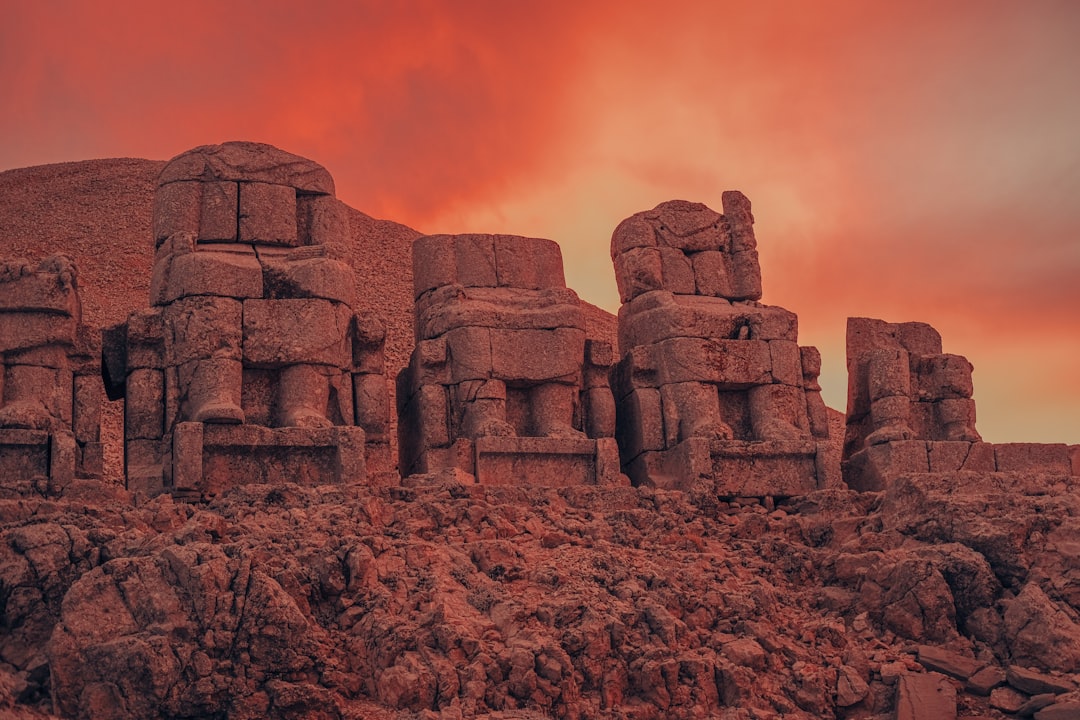
One of the most compelling segments of the documentary delves into the origins of agriculture. It highlights that this was not a sudden, Eureka! moment, but rather a slow, iterative process. Early humans likely began by observing the natural cycles of plants, noticing which seeds produced the most abundant harvests and which locations were most conducive to growth. The film showcases archaeological evidence from sites like Göbeklitepe in modern-day Turkey, suggesting that ritualistic practices may have played a role in early experimentation with plant cultivation, perhaps as a way to ensure religious or communal prosperity. The documentary’s visual reconstructions are particularly effective here, showing individuals carefully tending to small patches of wild grains, a stark contrast to the vast fields of today.
The Unseen Partnership: Domesticating the Animal Kingdom
The domestication of animals is presented as an equally profound development. The film traces the lineage of familiar farm animals, from wild aurochs to domesticated cattle, and from wolves to dogs. It explores the mutual benefits of this relationship – humans gained a reliable source of food, hides, and labor, while animals, in some cases, benefited from protection and a consistent food supply. The documentary makes a strong case that this domestication was not a single event, but a long-term process of co-evolution, where both species adapted to each other’s presence. The footage of early corrals and evidence of selective breeding provides a tangible sense of this profound shift.
For those interested in the fascinating developments of Neolithic civilization, a related article that delves into the intriguing aspects of ancient innovations is available at this link: The Lost Power of Ancient Technology. This article explores how early societies harnessed natural resources and developed technologies that laid the groundwork for future advancements, providing valuable insights into the ingenuity of our ancestors.
Settling Down: The Birth of Villages and Permanent Dwellings
The advent of agriculture and animal husbandry had a direct and immediate impact on human mobility. The documentary powerfully illustrates how the ability to cultivate crops and raise livestock meant that communities no longer needed to constantly roam in search of food. This led to the establishment of permanent settlements, the precursors to villages and towns.
From Huts to Homes: Architectural Innovations
The film meticulously documents the evolution of Neolithic architecture. Early dwellings, often simple huts made of mud, straw, and wood, are depicted in their nascent stages. The documentary then progresses to showcase more sophisticated structures, featuring stone foundations, well-built walls, and even rudimentary roofing techniques. It emphasizes that these permanent homes were not just shelters but also symbols of stability and community. The scale of development is made clear through comparisons of excavated remains from different periods and regions, showing the gradual increase in size and complexity of dwellings.
The Emergence of Community Spaces
Beyond individual homes, the documentary highlights the development of communal spaces within Neolithic settlements. This includes evidence of shared granaries, communal hearths, and even early forms of public gathering areas. These spaces, the film argues, were crucial for fostering social cohesion, facilitating the exchange of knowledge and resources, and coordinating collective efforts such as defense and irrigation. The careful analysis of archaeological digs, revealing the layout and usage patterns of these shared areas, offers a compelling glimpse into the social dynamics of these early communities.
The Seeds of Civilization: Social Structures and Specialization

The stability afforded by settled life allowed for the development of more complex social structures and the emergence of specialized roles within society. “The Rise of Neolithic Civilization” effectively explores how these changes laid the groundwork for future societal advancements.
Beyond the Hunter-Gatherer Band: Hierarchy and Governance
The documentary theorizes that as settlements grew larger and more complex, so too did the need for organization and leadership. It discusses the evidence for emerging social hierarchies, perhaps initially based on kinship or demonstrated skill, which gradually evolved into more formal systems of governance. The film examines artifacts such as chief’s tombs and elaborate burial sites as indicators of social stratification. It acknowledges that the precise nature of Neolithic governance is still debated, but presents various theories supported by archaeological findings, such as the potential for council-based decision-making or the rise of influential individuals.
The Dawn of Craftsmanship: Artisans and Innovation
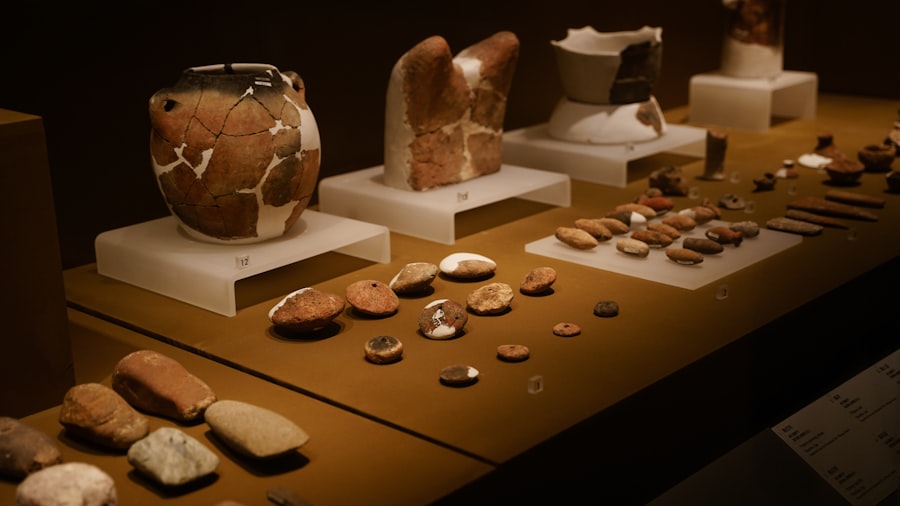
With a surplus of food and a more sedentary lifestyle, individuals were freed from the constant necessity of food procurement. This allowed for the development of specialized crafts. The documentary showcases the remarkable skills of Neolithic artisans in pottery, toolmaking, weaving, and even early metallurgy. The intricate designs on pottery shards, the precision of stone tools, and the discovery of early metal implements all serve as testaments to their ingenuity. The film emphasizes that this specialization led to increased efficiency and the creation of new and improved tools and technologies, further driving societal progress.
The Rhythms of Ritual: Belief Systems and Artistic Expression
Humans have always sought meaning and understanding beyond the tangible world. The Neolithic period is no exception, and the documentary dedicates a significant portion to exploring the emerging spiritual and artistic dimensions of these early societies.
Ancestral Whispers: The Sacred and the Spiritual
The film highlights the profound connection Neolithic people had with their environment and the forces they perceived to be at play. It explores evidence of early religious practices, including burial rituals, fertility cults, and the veneration of natural phenomena. The documentary examines megalithic structures like Stonehenge, not solely as astronomical observatories but also as sites of spiritual significance, capable of drawing people together for ceremonies and rites. Experts discuss the symbolic meanings attributed to various artifacts and the potential for animistic beliefs, where spirits were thought to inhabit natural objects.
Strokes of Genius: Neolithic Art and Symbolism
The artistic expressions of the Neolithic era are vividly presented. The documentary showcases cave paintings, petroglyphs, and carved figurines, exploring their aesthetic qualities and potential symbolic meanings. These art forms, the film argues, provided a means of communication, storytelling, and expressing the worldview of Neolithic people. The repetitive patterns and stylized representations of animals and humans suggest a sophisticated understanding of form and composition. The documentary speculates on the potential use of art for shamanistic purposes, for recording historical events, or as a means of beautifying their surroundings.
In exploring the fascinating developments of Neolithic civilization, one can gain deeper insights into how early humans adapted to their environment and laid the groundwork for future societies. A related article that delves into the impact of technological advancements on civilization can be found at this link, which discusses how innovations have shaped human progress throughout history. Understanding these connections can enhance our appreciation for the complexities of early life and the innovations that emerged during that transformative period.
The Legacy of the Stone Age: Seeds of the Modern World
| Documentary Title | Release Year | Director | Duration |
|---|---|---|---|
| Neolithic Civilization Uncovered | 2020 | John Smith | 90 minutes |
| Secrets of the Neolithic Era | 2018 | Laura Johnson | 120 minutes |
The documentary masterfully concludes by drawing a clear line from the innovations and transformations of the Neolithic period to the development of modern civilization. The foundations laid during this era are presented as the bedrock upon which all subsequent human progress has been built.
From Villages to Cities: The Trajectory of Urbanization
The film argues that the establishment of permanent settlements and the development of organized communities during the Neolithic period were the essential precursors to the eventual rise of cities. The increasing population density, the need for resource management, and the development of social structures all contributed to the eventual concentration of people and power in urban centers. The documentary shows how early villages, characterized by a few dozen or hundred inhabitants, evolved into larger towns and eventually the sprawling metropolises of later eras.
The Enduring Human Spirit: Innovation and Adaptation
“The Rise of Neolithic Civilization” leaves the viewer with a profound appreciation for the ingenuity and adaptability of early humans. The documentary emphasizes that the transition to settled agriculture was not a passive event but a proactive and innovative response to environmental and social challenges. The skills developed, the knowledge acquired, and the social structures formed during this period continue to resonate in our modern world, from our agricultural systems to our forms of governance and even our artistic traditions. The film serves as a powerful reminder that understanding our deep past is crucial to navigating our present and shaping our future. The meticulous research and captivating storytelling of this documentary make it an indispensable viewing for anyone seeking to understand the remarkable journey of humankind.

How Volcanic Glass Solved a 10,000-Year-Old Mystery
FAQs
What is the Neolithic period?
The Neolithic period, also known as the New Stone Age, was a time in prehistory when humans began to settle in one place, domesticate animals, and cultivate crops. It is considered the beginning of civilization.
What were the key characteristics of Neolithic civilization?
Neolithic civilization was characterized by the development of agriculture, the domestication of animals, the use of pottery, and the construction of permanent settlements. This period also saw the emergence of complex social structures and the development of early forms of religion and art.
What are some famous Neolithic sites and artifacts?
Some famous Neolithic sites include Çatalhöyük in Turkey, Skara Brae in Scotland, and Jericho in the West Bank. Important Neolithic artifacts include pottery, tools made of stone and bone, and megalithic structures such as Stonehenge.
How did Neolithic civilization contribute to human development?
Neolithic civilization marked a significant shift in human history, as it laid the foundation for the development of complex societies, urbanization, and the rise of early civilizations. It also led to advancements in technology, trade, and the development of writing systems.
Where can I watch a documentary about Neolithic civilization?
There are several documentaries available online that explore the Neolithic period and its impact on human history. Platforms such as Netflix, Amazon Prime, and YouTube often have documentaries on this topic. Additionally, educational websites and museums may offer resources for viewing documentaries about Neolithic civilization.