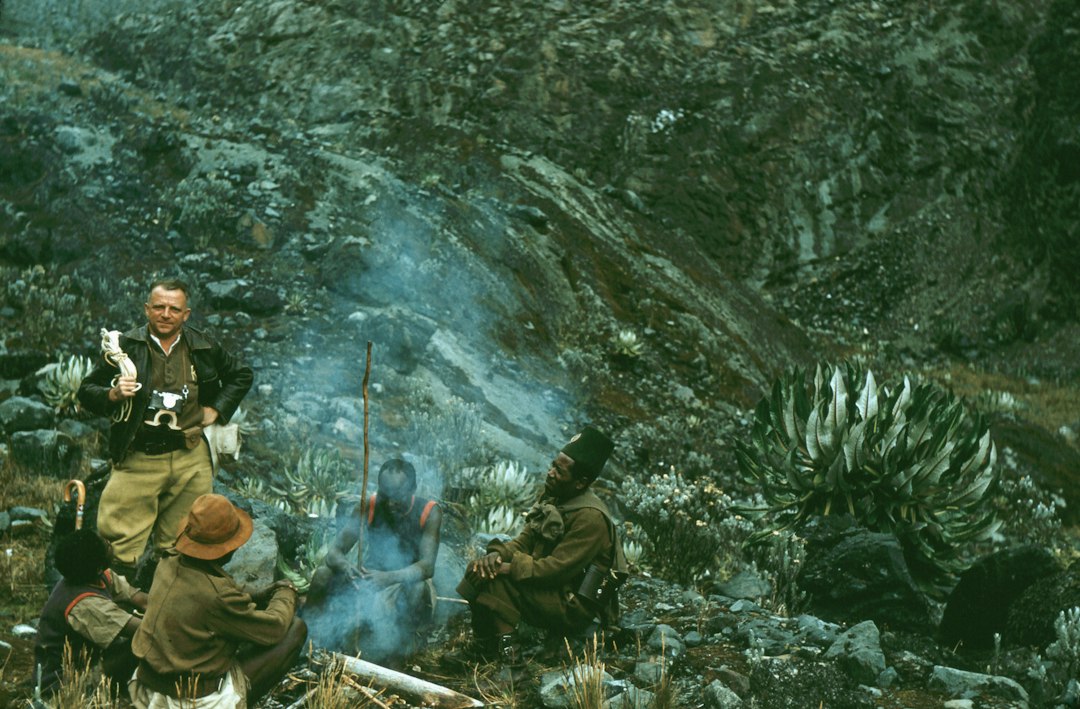
The flickering dance of flames, a primal spectacle against the encroaching darkness, represented far more than mere illumination for early humans. For those navigating the harsh realities of the Paleolithic era, fire was an indispensable ally, a transformative force that fundamentally shaped their existence, driving both survival and unprecedented innovation. Its mastery marked a critical turning point in human evolution, unlocking a cascade of benefits that extended from the most basic needs to the complex development of social structures and cognitive abilities.
The Genesis of Control: Discovering and Harnessing Fire
The earliest evidence for the controlled use of fire by hominins predates the Paleolithic period by a significant margin, with some archaeological findings suggesting its use as far back as 1.5 million years ago. However, it was during the Paleolithic, spanning from approximately 2.6 million to 10,000 years ago, that fire became an integral and consistent part of human life. The initial acquisition of fire was likely through natural sources – lightning strikes igniting dry vegetation or volcanic activity. Early hominins would have observed these events, perhaps approaching cautiously to scavenge burned animal carcasses or to benefit from the warmth.
Accidental Sparks and Intentional Cultivation
The leap from observing natural fires to actively controlling them was a monumental cognitive achievement. It likely involved a long period of experimentation and observation. The ability to transport embers from a natural fire to a designated campsite, and then to sustain that flame through the addition of fuel, would have required significant foresight and understanding of cause and effect. Early tools may have played a role; perhaps a sharpened stick was used to prod and move burning material, or stones were employed to strike sparks from specific types of rock. The discovery that certain materials, like dry tinder, readily ignited, while others, like larger logs, provided a longer-lasting heat source, would have been crucial. The development of friction-based methods, such as the hand drill or fire plough, though perhaps emerging later in the Paleolithic, represent a more advanced stage of intentional fire creation, demonstrating a sophisticated understanding of physics and material properties. This transition from passive beneficiaries to active creators of fire was a testament to evolving intelligence and problem-solving capabilities.
The Sites of Early Flame: Archaeological Insights
Archaeological evidence provides tangible proof of fire’s integration into Paleolithic life. Hearths, designated areas where fires were regularly maintained, are a common feature at many ancient hominin sites. These hearths, often marked by concentrations of ash, charcoal, and heat-altered stones, indicate deliberate fire management. The distribution of these sites across different continents and time periods reveals the widespread adoption of fire technology. For instance, discoveries in Africa, Europe, and Asia point to its early and consistent use. The analysis of burnt artifacts, such as animal bones showing evidence of cooking, or stone tools exhibiting signs of heat treatment, further corroborates the pervasive role of fire. The presence of hearths within caves and rock shelters suggests their use for protection against the elements and predators, while open-air hearths indicate that fire was also employed in more exposed environments, underscoring its versatility.
The role of fire in Paleolithic society was crucial for survival, providing warmth, protection, and a means to cook food, which significantly influenced human evolution and social structures. For a deeper understanding of how environmental factors impact societies, you might find the article on the Maldives insightful, as it discusses the challenges faced by a nation on the brink of collapse due to climate change. You can read more about it here: The Maldives: A Nation on the Brink of Collapse.
A Shield Against the Night: Fire as a Protector and Provider
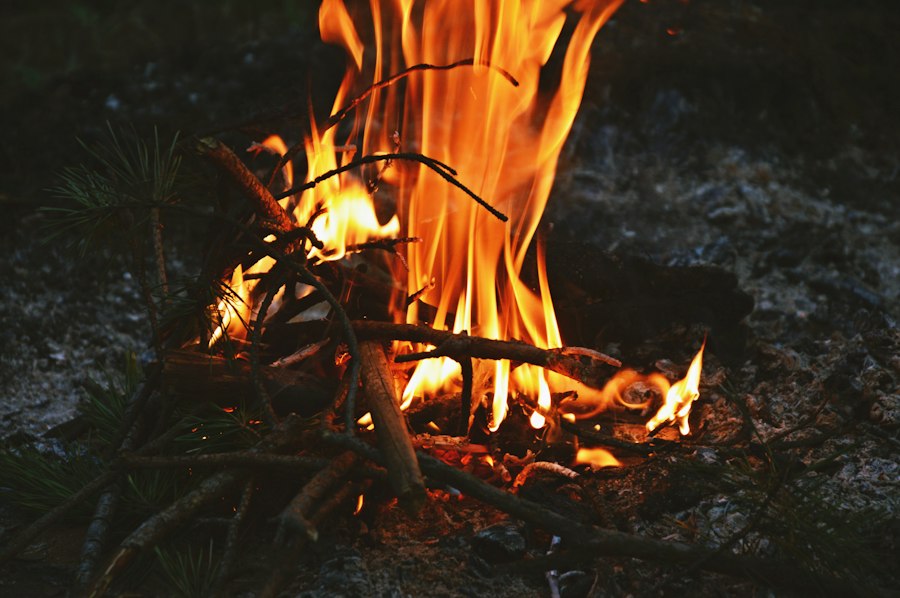
The most immediate and perhaps most crucial role of fire in Paleolithic society was its ability to provide protection and comfort, transforming the precarious existence of early humans into a more survivable one. This control over fire was a significant advantage in a world dominated by powerful predators and the unforgiving forces of nature.
Ward of the Wild: Deterring Predators and Pests
The primal fear of the unknown that lurked in the darkness was significantly diminished by the presence of a fire. The light and heat radiated by a campfire would have acted as a powerful deterrent to nocturnal predators, such as wolves, lions, and bears, which were prevalent during the Paleolithic. The crackling flames and the rising smoke would have created a visible and audible barrier, signaling the presence of humans and making them appear less vulnerable. Beyond large predators, fire also offered protection against smaller, but still problematic, pests like insects and rodents, contributing to improved hygiene and reduced disease transmission within the group. This newfound security allowed hominins to rest more soundly, freeing up valuable energy and cognitive resources for other pursuits.
The Warm Embrace: Thermal Regulation and Expansion
In a world without tailored clothing or sophisticated shelters, fire was essential for maintaining body temperature, especially in colder climates or during winter months. The ability to create and maintain a heat source allowed hominins to inhabit a wider range of environments, including temperate and even subarctic regions. This thermal regulation was critical for survival, preventing hypothermia and enabling individuals to remain active and productive even in challenging weather conditions. The warmth provided by fire also contributed to a greater sense of comfort and well-being, fostering a more communal and social atmosphere around the hearth.
The role of fire in Paleolithic society was crucial for survival, as it provided warmth, protection, and a means to cook food, which significantly impacted human evolution and social structures. Understanding how early humans harnessed fire can shed light on their daily lives and interactions. For a deeper exploration of how ancient knowledge and navigation influenced human development, you might find the article on the Piri Reis map insightful. It discusses the implications of ancient cartography and its connection to our understanding of early civilizations. You can read more about it here.
The Alchemist’s Touch: Transforming the Edible
Perhaps one of the most profound impacts of fire was its role in revolutionizing the human diet. Cooking food, a practice directly facilitated by fire, had far-reaching consequences for human health, nutrition, and cognitive development.
Unlocking Nutrients: The Power of Heat
Raw food, particularly meat and tubers, can be difficult to digest and may contain harmful pathogens. Cooking breaks down complex carbohydrates and proteins, making them more accessible for the human digestive system. This increased digestibility means that more calories and nutrients can be extracted from the food, providing a more efficient energy source. The reduction of toxins and pathogens through heat also led to a decrease in food-borne illnesses, contributing to longer lifespans and improved overall health. Evidence from cooked animal bones at archaeological sites, often showing charring and brittleness indicative of exposure to high temperatures, supports this transformative dietary shift.
A Boon for the Brain: The Evolutionary Advantage of Cooked Food
The more efficient absorption of nutrients and calories from cooked food is widely believed to have played a significant role in the evolution of the human brain. A larger and more energy-demanding brain requires a constant and rich supply of nutrients. The availability of easily digestible, calorie-dense cooked foods provided the necessary fuel for this evolutionary development. Furthermore, the time saved by not having to chew and digest tough, raw food could have been redirected towards other activities, such as toolmaking, social interaction, and cognitive development. This hypothesis, known as the “cooking hypothesis,” suggests that fire and cooking were instrumental in the development of larger brains, complex social behaviors, and ultimately, human intelligence.
Beyond Survival: Fire as a Catalyst for Innovation
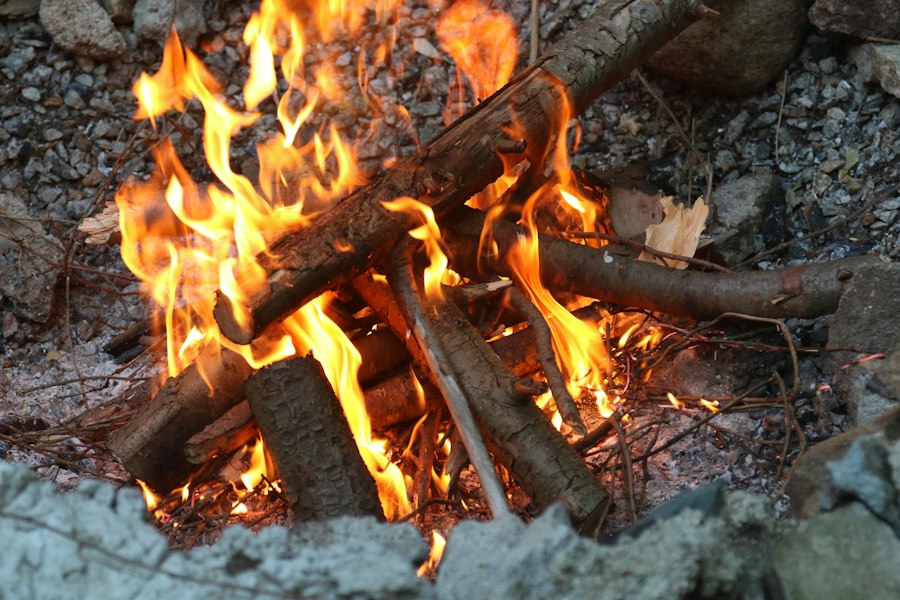
The mastery of fire extended far beyond the immediate benefits of warmth, protection, and nutrition. It served as a powerful engine for innovation, driving the development of new technologies, social practices, and even abstract thought.
Crafting the Tools of Tomorrow: Material Transformation
Fire’s ability to alter the properties of materials opened up new avenues for toolmaking and resource utilization. One of the most significant advancements was the heat treatment of stone. By carefully heating certain types of stone, such as chert or obsidian, before flaking them, early humans could create tools that were sharper, more precise, and easier to work with. This process made the production of more sophisticated cutting edges, scrapers, and projectile points possible, enhancing their hunting and processing capabilities.
Shaping the World with Heat: Early Metallurgy and Beyond
While true metallurgy is a later development, the principles of heat manipulation were explored during the Paleolithic. Beyond stone, fire was also used to shape and harden wood, making spear tips more durable and creating more effective hunting weapons. The burning of wood also produced charcoal, which itself has various uses, including as a pigment for art and potentially as a component in early medicinal preparations. The understanding that heat could fundamentally change the nature of materials was a crucial step towards more complex technological developments in later human history.
Lighting the Way: Expanding the Habitable Realm
The ability to create and control fire effectively removed the constraints of daylight. Torches, made from burning branches or bundles of tinder, allowed humans to venture into dark caves, explore new territories, and extend their activities beyond the hours of sunlight. This expansion of their habitable and exploitable environment was a significant advantage, enabling them to access new food resources, discover sheltered locations, and evade predators more effectively. The psychological impact of light dispelling darkness also likely played a role in fostering a sense of security and enabling more complex social interactions in the evenings.
The Hearth as a Social Nexus: Fostering Community and Culture
The fire, as a central and essential resource, naturally became a focal point for Paleolithic social life. The shared experience of gathering around the warmth and light of a campfire fostered a sense of community and interdependence. It provided a natural gathering place for storytelling, knowledge sharing, and the transmission of skills from one generation to the next.
Narratives in the Flames: The Dawn of Oral Tradition
The long hours spent together around the fire, especially during the evenings and colder months, provided an ideal environment for the development of oral traditions. It was likely during these communal gatherings that stories of hunts, ancestral knowledge, and explanations of the natural world were shared. The flickering firelight could have served as a visual backdrop for these narratives, enhancing their impact and memorability. This oral transmission of knowledge was fundamental to the cultural cohesion and survival of Paleolithic groups.
The Rituals of the Flame: Early Spirituality and Belief Systems
The awe-inspiring power of fire, its ability to both sustain and destroy, likely contributed to its incorporation into early spiritual beliefs and rituals. The controlled manipulation of this powerful force may have been seen as a connection to supernatural forces or deities. Archaeological evidence, such as the deliberate placement of fires in specific locations or the association of fire with burials, hints at the symbolic and ritualistic significance of fire in Paleolithic societies. While the specifics remain elusive, it is clear that fire held a profound meaning that extended beyond its practical applications.
The Lingering Embers: Fire’s Enduring Legacy
The mastery of fire was not a singular event but a gradual process of discovery, refinement, and integration that unfolded over millennia. Its impact was so profound that it laid the groundwork for countless subsequent human achievements, forever altering the trajectory of our species.
The Foundation of Progress: A Prerequisite for Civilization
The innovations spurred by fire – improved nutrition leading to brain development, enhanced toolmaking, and the expansion of habitable territories – were essential prerequisites for the development of more complex societies. Without the ability to reliably cook food and regulate body temperature, human populations might have remained smaller and more dispersed, limiting the potential for cultural and technological advancement. The social cohesion fostered around the hearth facilitated the transmission of knowledge and the development of cooperative behaviors, which are vital for the formation of larger communities and the eventual rise of agriculture and civilization.
A Symbol Carved in Time: Fire’s Continuing Significance
Even as humanity has progressed to more sophisticated energy sources, the symbolism of fire persists. It remains a potent metaphor for passion, destruction, purification, and knowledge. From the Olympic torch to the comforting glow of a fireplace, fire continues to hold a deep-seated place in human culture and consciousness. The legacy of those early Paleolithic pioneers who first dared to control the flame is a testament to the ingenuity and adaptability that have defined our species, underscoring the pivotal role that fire played in our journey from primitive hominins to the architects of the modern world. The embers of their discoveries continue to glow, illuminating the path of human progress.

20,000 Years Ago | The Coldest Journey in Human History
FAQs
What role did fire play in Paleolithic society?
Fire was essential in Paleolithic society for cooking food, providing warmth, protection from predators, and light during the night. It also allowed early humans to expand their diet by making certain foods more digestible.
How did early humans create fire in the Paleolithic era?
Early humans in the Paleolithic era likely created fire by rubbing sticks together, using flint to spark a flame, or by harnessing natural sources of fire such as lightning strikes or volcanic activity.
Did the use of fire impact the evolution of early humans?
Yes, the use of fire had a significant impact on the evolution of early humans. Cooking food with fire made it easier to digest, providing more energy for brain development. It also allowed early humans to stay warm, expand their range, and develop social structures around the fire.
How did fire impact the hunting and gathering practices of Paleolithic societies?
Fire allowed Paleolithic societies to cook meat, making it easier to chew and digest. This provided more energy for hunting and gathering activities, enabling early humans to sustain themselves and thrive in various environments.
Were there any cultural or spiritual implications of fire in Paleolithic societies?
Fire held cultural and spiritual significance in Paleolithic societies. It was often used in rituals, ceremonies, and cave art, symbolizing warmth, protection, and the transformative power of light and heat. Fire was also associated with creation myths and storytelling in early human cultures.