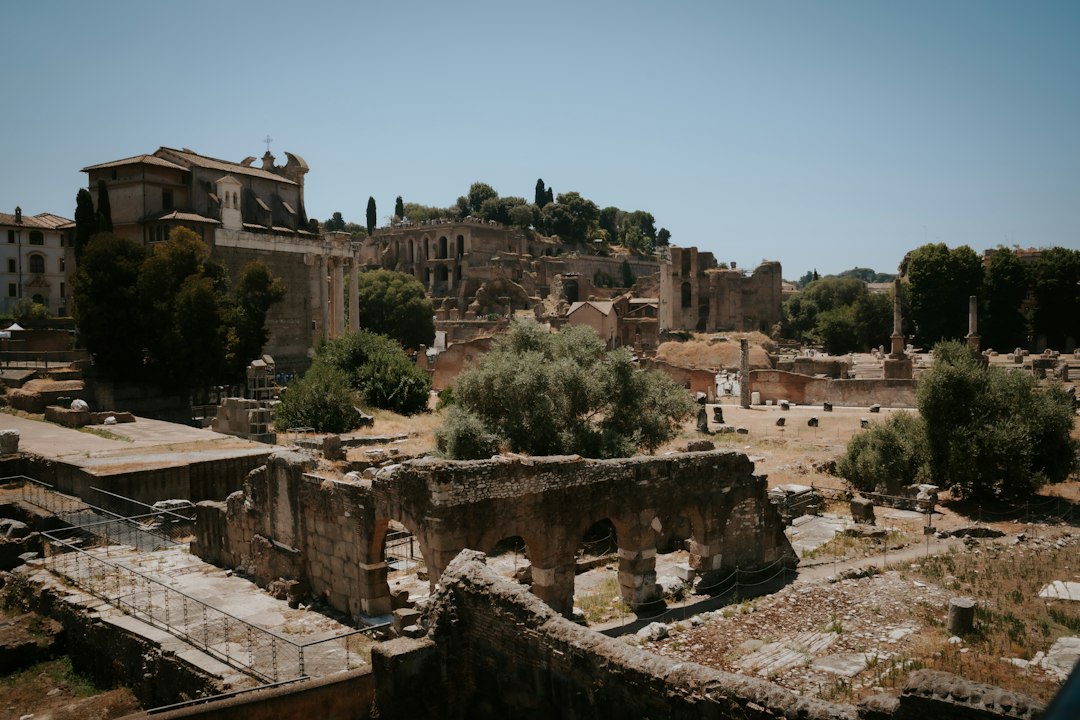
The arteries of an empire, vast and enduring, the Roman road system stands as a testament to engineering prowess and strategic vision. Spanning an astonishing network of over 250,000 miles, this intricate web of paved pathways was more than just a means of travel; it was the lifeblood of Roman civilization, facilitating military movement, trade, communication, and the very administration of a colossal empire that stretched from the windswept coasts of Britain to the arid deserts of North Africa and the fertile lands of the Middle East. The sheer scale of this undertaking, conceived and executed over centuries, continues to inspire awe and admiration, offering a profound glimpse into the organizational genius and unwavering ambition of the Romans.
The Genesis of the Roman Road Network
The development of the Roman road system was not an overnight phenomenon but a gradual evolution driven by necessity and ambition. Early Roman roads were primarily military in nature, designed to facilitate the rapid deployment of legions and the efficient movement of supplies to quell rebellions and expand territorial control. The very first paved roads, such as the Via Appia, were constructed with military objectives as their paramount concern, ensuring that Roman power could be projected swiftly and decisively across its burgeoning territories.
Early Roman Roads and Military Imperatives
The earliest Roman roads were often built as simple dirt tracks, adequate for the movement of foot soldiers and ox-drawn carts in the relatively contained geographical area of early Rome. However, as the Republic began its aggressive expansion, the limitations of these rudimentary paths became apparent. The need to move large bodies of troops over long distances, often through challenging terrain, demanded more robust and durable infrastructure. The construction of the Via Appia, beginning in 312 BCE, marked a significant turning point. This ambitious project, stretching from Rome to Brundisium (modern Brindisi) on the Adriatic coast, was a marvel of engineering for its time, featuring a carefully surveyed route, a stable foundation, and a paved surface. Its primary purpose was to ensure the swift movement of legions to the southern ports for deployment to Greece and the East, demonstrating the direct link between military strategy and infrastructural development.
The Influence of Engineering and Practicality
Roman roads were characterized by their remarkable durability and their pragmatic design. The Romans were not merely builders; they were meticulous planners and skilled engineers who understood the principles of geometry, hydraulics, and material science. They surveyed routes with incredible precision, often using rudimentary surveying instruments like the groma and the dioptra. Their approach to road construction was methodical and standardized, reflecting a deep understanding of what was required for longevity and efficient use. This practicality extended to their choice of materials and construction techniques, which ensured that their roads could withstand the wear and tear of heavy traffic and extreme weather conditions for centuries. The Romans also understood the importance of drainage, incorporating ditches and culverts to prevent water from undermining the roadbed, a crucial element in their enduring legacy.
The Roman Empire is renowned for its extensive road system, which spanned approximately 250,000 miles at its peak, facilitating trade, military movement, and communication across vast territories. This remarkable infrastructure not only contributed to the empire’s expansion but also laid the groundwork for modern road networks. For a deeper exploration of ancient innovations and technologies that shaped civilizations, you can read a related article here: Advanced Tech in Lost Civilizations: Uncovering Ancient Innovations.
The Engineering Marvel of Roman Road Construction
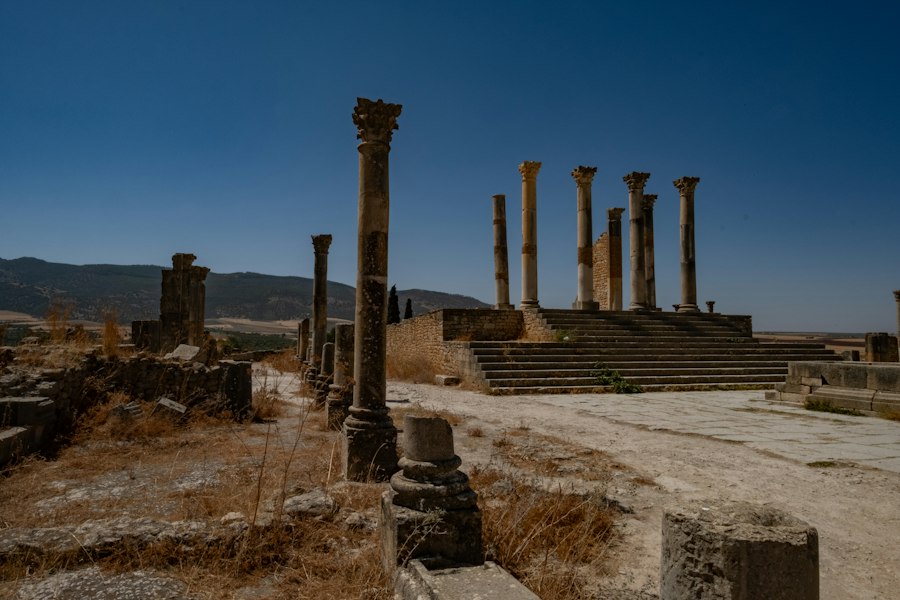
The construction techniques employed by the Romans in building their roads were nothing short of revolutionary for their era. These were not mere dirt paths but sophisticated engineering feats designed for longevity and heavy use. The careful planning, meticulous execution, and innovative use of materials laid the groundwork for what would become an unparalleled network of communication and transportation.
Layers of Durability: The Foundation and Paving
A typical Roman road, especially one of significant importance, was constructed in distinct layers, each serving a crucial purpose in ensuring stability and durability. The process began with the excavation of a trench, often several feet deep. This trench was then filled with large stones or rubble, forming a solid foundation that could bear immense weight and resist frost heave. This base layer was often compacted by tamping or even by having legions march over it repeatedly.
Following the foundation, successive layers were added. A layer of smaller stones or gravel provided further drainage and a smoother surface. On top of this, a mixture of gravel and lime, known as “statumen,” was laid and compacted. Finally, the uppermost layer, the “summa crusta,” was the visible surface of the road. This could consist of large, polygonal paving stones (lithostroton) carefully fitted together, or a compacted layer of gravel mixed with sand and lime. The use of lime created a sort of rudimentary concrete, binding the stones together and providing a hard-wearing surface. The surface was often slightly domed or cambered to allow rainwater to drain off into ditches on either side, preventing the accumulation of water that could lead to erosion and damage. This multi-layered approach ensured that the roads were not only strong but also permeable to a degree, allowing water to drain away effectively.
Strategic Alignment and Gradient Control
The Romans were masters of route selection. They sought the most direct paths possible, minimizing unnecessary detours, but they were also pragmatic enough to adapt to the landscape. When encountering obstacles like rivers or valleys, they employed sophisticated solutions. Bridges were constructed using arches, a Roman innovation that allowed for greater spans and load-bearing capacity. For steep inclines, they utilized switchbacks or built up causeways to maintain a manageable gradient, ensuring that even heavy wagons could traverse the roads without excessive difficulty. The gradients were carefully calculated to facilitate movement, avoiding slopes that would be too taxing for draft animals or too dangerous for wheeled traffic. This attention to detail in alignment and gradient ensured the efficient flow of traffic, whether it was a marching legion, a merchant caravan, or a courier carrying vital dispatches. The planning often involved extensive surveying, using tools that allowed them to measure distances and elevations with remarkable accuracy for the time.
The Multifaceted Role of the Roman Road System
The Roman road network was far more than a collection of paved pathways; it was an integral component of Roman society, serving a multitude of purposes that underpinned the empire’s success and longevity. Its influence permeated military operations, economic activity, administrative efficiency, and even the dissemination of culture and ideas.
The Roman Empire is renowned for its extensive road system, which spanned over 250,000 miles at its peak, facilitating trade and military movement across vast territories. This remarkable infrastructure not only connected cities but also played a crucial role in the empire’s ability to maintain control over its provinces. For those interested in exploring how demographic factors influence infrastructure development in modern contexts, an insightful article can be found here: demographic edge. This piece highlights how contemporary nations leverage their population dynamics to enhance economic growth, drawing an interesting parallel to the strategic importance of roads in ancient Rome.
Facilitating Imperial Expansion and Military Logistics
The military application of the Roman road system cannot be overstated. These roads were the arteries through which Roman legions marched, conquered, and maintained order across vast territories. The ability to move troops swiftly and efficiently was crucial for responding to rebellions, defending borders, and launching new campaigns. The standardized construction and well-maintained condition of the roads meant that armies could cover significant distances in a single day, allowing for rapid deployment to any corner of the empire. Furthermore, the roads facilitated the movement of military supplies – food, weapons, and equipment – ensuring that legions were well-provisioned and capable of sustained operations. This logistical superiority gave the Roman army a decisive advantage over its adversaries, contributing significantly to the empire’s military dominance. The presence of well-built roads also served as a visible symbol of Roman authority, reinforcing the empire’s presence and control over conquered territories.
Driving Trade and Economic Integration
Beyond military purposes, the Roman road network was a powerful engine for economic growth and integration. The paved surfaces allowed for the efficient transport of goods over long distances, connecting producers with markets and fostering the exchange of commodities across the empire. Merchants could transport their wares with greater speed and reliability, reducing transit times and costs. This facilitated the development of specialized regional economies, as areas could focus on producing goods for which they had a comparative advantage and then trade them with other regions. Staple goods like grain, wine, olive oil, and manufactured items flowed freely along these routes, contributing to the economic prosperity of the empire. The roads also supported the growth of towns and cities along their paths, as these became centers of trade and commerce, further stimulating economic activity. The security provided by the Roman presence along the roads also encouraged trade, as merchants were less vulnerable to banditry.
Enabling Communication and Administrative Control
The Roman road system was also instrumental in maintaining the vast administrative machinery of the empire. The cursus publicus, the imperial postal and transportation service, relied heavily on the road network to relay messages, decrees, and intelligence between Rome and its distant provinces. Couriers on horseback could travel at remarkable speed along the well-maintained roads, carrying vital information that allowed the emperor and his officials to govern effectively. This rapid communication was essential for managing taxation, dispensing justice, and coordinating responses to crises. The roads facilitated the movement of administrators, tax collectors, and emissaries, ensuring that Roman law and authority were consistently applied throughout the empire. This efficient flow of information and personnel was a critical factor in the empire’s ability to maintain a centralized government despite its immense geographical scale. The existence of a reliable communication network also fostered a sense of shared identity and common governance across diverse populations.
The Legacy and Enduring Impact of Roman Roads
The physical remnants of the Roman road system, though weathered by time, continue to offer tangible evidence of its grandeur and influence. More than just historical curiosities, these roads have left an indelible mark on the landscapes they traverse and have profoundly shaped the development of subsequent infrastructure.
Visible Remnants and Archaeological Significance
Today, stretches of Roman roads can still be found remarkably well-preserved across Europe, North Africa, and the Middle East. Sections of the Via Appia in Italy, the Pont du Gard aqueduct which also served as a bridge, and segments of roads in Britain and Gaul offer compelling visual proof of Roman engineering capabilities. Archaeologists and historians continue to study these remnants, gaining invaluable insights into Roman construction techniques, social organization, and the economic life of the empire. Excavations often reveal layers of artifacts, providing a rich tapestry of daily life that once unfolded along these ancient thoroughfares. The preservation of these roads is a testament to their robust construction and the enduring quality of Roman workmanship. Many of these sites are now protected heritage areas, drawing visitors who come to marvel at this ancient infrastructure.
Influence on Modern Road Networks
The principles of Roman road construction and design have had a profound and lasting influence on the development of modern road networks. While modern materials and technology have evolved, the fundamental concepts of surveying, grading, drainage, and a durable surface remain relevant. Many European cities and road systems were built upon or directly along the routes established by the Romans, a testament to the strategic wisdom of their initial planning. The Roman emphasis on creating direct and efficient routes for travel and transport set a precedent that continues to inform urban planning and transportation engineering today. The concept of a national network designed to connect major centers and facilitate the movement of goods and people is a direct legacy of the Roman achievement. Even the naming conventions of some modern roads can trace their origins back to Roman route designations.
Cultural Exchange and the Romanization of Provinces
The Roman road system played a vital role in the cultural diffusion and “Romanization” of the empire’s diverse provinces. As troops, merchants, administrators, and travelers moved along these routes, they carried with them Roman language (Latin), customs, laws, and ideas. This facilitated the spread of Roman culture and institutions, helping to integrate disparate populations into a cohesive imperial identity. The roads acted as conduits for the transmission of new technologies, architectural styles, and even religious practices. Conversely, the roads also facilitated the flow of local cultures and influences into Rome itself, contributing to the cosmopolitan nature of the empire. The ease of travel and communication fostered by the roads helped to break down geographical and cultural barriers, fostering a sense of shared experience and connection across the vast empire.
The Roman road system was an extraordinary achievement, a marvel of engineering and a critical component of imperial power. Spanning over 250,000 miles, it facilitated military might, spurred economic prosperity, and enabled effective governance. Its legacy endures not only in the physical remnants that dot the landscape but also in the fundamental principles that continue to guide the construction of roads and transportation networks worldwide, a lasting testament to the enduring ingenuity of the Roman civilization.

The 2.7% Statistic That Terrifies Roman Historians
FAQs
How extensive was the road system of the Roman Empire?
The road system of the Roman Empire was extensive, covering approximately 250,000 miles (400,000 km) of roads at its peak.
What was the purpose of the Roman road system?
The Roman road system was primarily built to facilitate the movement of troops, goods, and information across the vast empire, aiding in trade, communication, and military conquests.
How were the Roman roads constructed?
Roman roads were typically built by leveling the ground, adding layers of stones, gravel, and sand, and finishing with tightly fitted paving stones. The roads were designed to be durable and long-lasting.
What was the significance of the Roman road system?
The Roman road system played a crucial role in the success and expansion of the Roman Empire, enabling efficient governance, trade, and military operations throughout the vast territories under Roman control.
How did the Roman road system impact future road construction and infrastructure development?
The Roman road system set a standard for road construction that influenced future civilizations and served as a model for the development of modern road networks. Many ancient Roman roads are still in use today or have been incorporated into modern road systems.