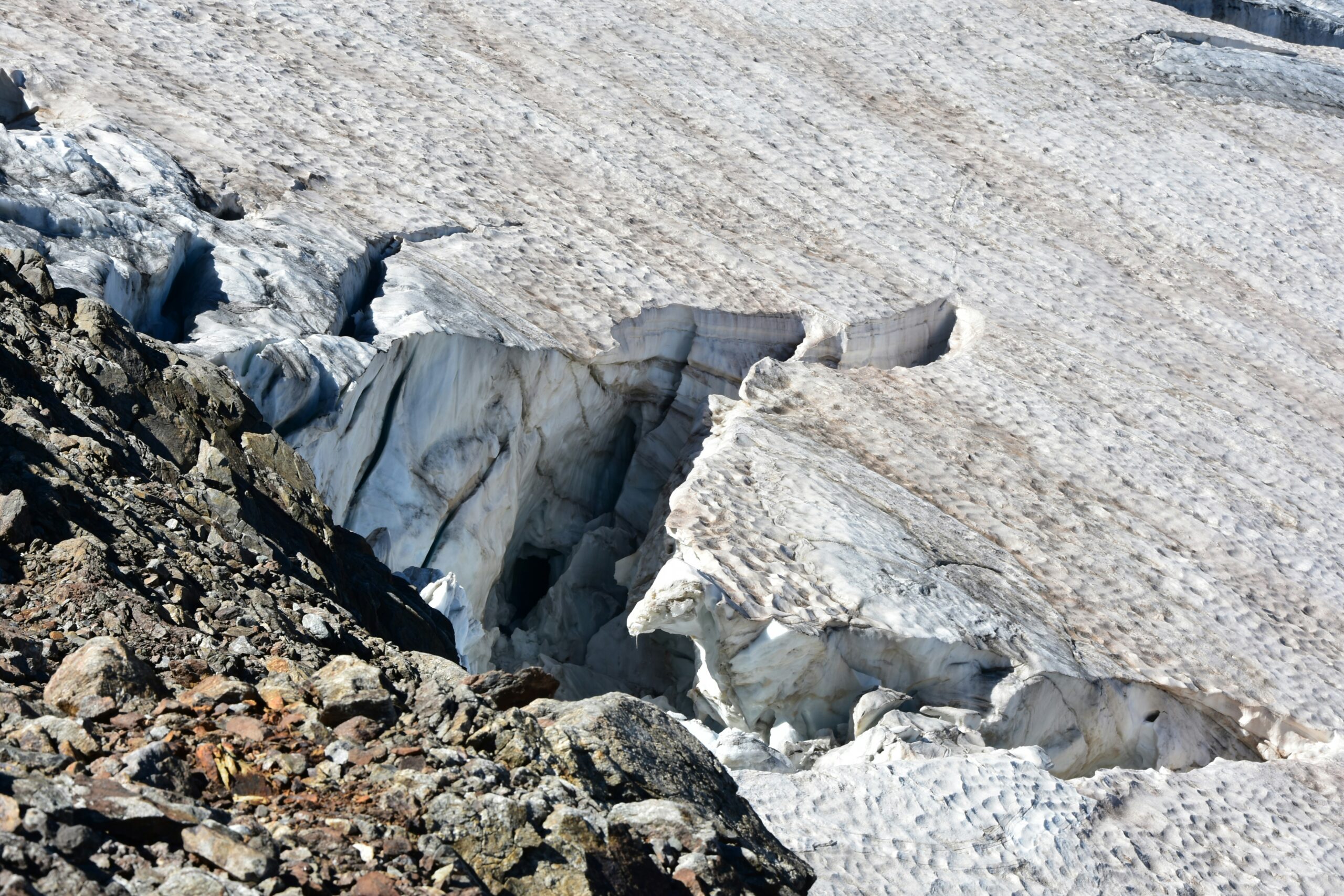
The earth’s surface, a canvas sculpted by time and immense forces, bears witness to the slow, relentless artistry of glaciers. Among the most profound mechanisms by which these frozen giants reshape the land is glacial abrasion. This process, a stark contrast to the seemingly inert nature of ice, involves the grinding, scraping, and polishing of bedrock by the ice itself, carrying with it a formidable arsenal of rock fragments. Understanding glacial abrasion is key to deciphering the geological history of many landscapes, from the fjords of Norway to the vast plains of North America. It is a testament to the immense power of natural processes, driven by the inexorable movement of ice over bedrock.
Glacial abrasion is not a spontaneous event; it is a consequence of how glaciers acquire and transport rock debris. Before ice can abrade bedrock, it must first entrain, or pick up, fragments of rock. This initial stage is critical, as the nature and quantity of entrained debris directly influence the abrasive power of the glacier.
The Role of Basal Ice and Debris
Bedrock Quarrying (Plucking)
One of the primary mechanisms for entraining debris is known as quarrying or plucking. This process occurs when meltwater seeps into cracks and fissures in the bedrock beneath the glacier. As temperatures fluctuate, this water can refreeze, expanding and widening these cracks. The basal ice of the glacier then acts like a giant lever, exerting force on these loosened blocks of rock. When the glacier moves, these rock fragments are ripped free from the bedrock and incorporated into the base of the ice.
The Influence of Jointing and Fracturing
The susceptibility of bedrock to quarrying is heavily influenced by its existing structure. Highly jointed and fractured bedrock, with numerous pre-existing weaknesses, is far more prone to quarrying than solid, unfractured rock. Glacial movement can exploit these weaknesses with remarkable efficiency, transforming seemingly robust rock formations into the building blocks of glacial erosion.
Freeze-Thaw Cycles and Mechanical Weathering
The repeated cycles of freezing and thawing in the fissures beneath the glacier play a crucial role in enhancing quarrying. Water expands by approximately 9% when it freezes, exerting immense pressure on the surrounding rock. This constant wedging action effectively weakens and breaks off rock fragments, making them easier for the glacier to entrain. This is a terrestrial amplification of the freeze-thaw weathering processes that operate on exposed rock surfaces.
Subglacial Sediment Transport
Once entrained, rock fragments are carried within the basal ice of the glacier. This basal layer is often densely packed with a heterogeneous mixture of sediment, ranging from fine silt and sand to large boulders. The sheer volume and variety of this debris are what give glaciers their immense erosive potential. The ice acts as a conveyor belt, delivering these abrasive tools to the bedrock surface.
Debris Load and Ice Velocity
The load of debris carried by a glacier and its velocity are intrinsically linked. A heavily debris-laden ice base may experience increased friction with the bedrock, potentially slowing its movement. Conversely, faster-moving glaciers can entrain more debris, leading to a feedback loop that amplifies erosive power. The dynamics of this interaction are complex and vary significantly between different glacial environments.
Sediment Mixture and Abrasive Quality
The composition of the entrained sediment also matters. The presence of hard, sharp-edged rock fragments, such as granite or basalt, maximizes abrasive potential. Conversely, softer sediments might be more easily pulverized, reducing their effectiveness as abrasive tools. Glaciers are thus selective in their erosive capabilities, with the geology of the underlying terrain dictating the “grit” of their grinding machines.
Glacial abrasion is a fascinating geological process that shapes landscapes by wearing down rocks and sediments as glaciers move over them. For a deeper understanding of how natural forces can have dramatic impacts on our environment, you might find the article “The Curse of the Mummy’s Tomb: The Dig That Should Have Stayed Buried” insightful. It explores the consequences of human intervention in ancient sites and the unforeseen effects that can arise from such actions. You can read more about it here: The Curse of the Mummy’s Tomb.
The Mechanics of Abrasion: Grinding, Scraping, and Polishing
With entrained rock debris in tow, the glacier becomes a formidable abrasive agent. The movement of ice over bedrock forces these rock fragments into direct contact, initiating a series of grinding, scraping, and polishing actions that leave a distinct geological signature.
The “Grit” of the Glacier: Rock Fragments as Tools
The rock fragments embedded in the basal ice are the primary agents of abrasion. These fragments act like sandpaper, stones, and even chisels, attacking the bedrock with immense pressure.
Size and Shape of Debris
The size and shape of the entrained rock fragments are critical determinants of the type of abrasion that occurs. Larger, angular fragments are more effective at gouging and plucking, creating deeper incisions in the bedrock. Smaller, rounded fragments tend to produce more uniform polishing and smoothing.
Hardness of Entrained Rocks
The hardness of the rock fragments themselves is equally important. Harder rocks, such as quartz or diamond if present in trace amounts, can abrade even the hardest bedrock. Softer rocks will be more readily ground down, contributing to finer sediment but offering less direct resistance to the bedrock. The relative hardness of the entrained debris compared to the bedrock is a key factor in the efficiency of the abrasive process.
Pressure and Friction at the Ice-Bedrock Interface
The immense weight of the glacier generates significant pressure at the ice-bedrock interface. This pressure, combined with the friction of the moving ice and its debris load, forces the rock fragments into intimate contact with the bedrock surface.
Ice Thickness and Overburden Pressure
The thickness of the glacier determines the overburden pressure exerted on the bedrock. Thicker glaciers exert greater pressure, increasing the force with which debris fragments are pressed against the bedrock, thereby enhancing abrasion. This is why continental ice sheets, with their vast thickness, are such potent erosional agents.
Basal Sliding and Ice Deformation
The way the ice moves at the base also influences abrasion. If the ice is sliding over a thin layer of meltwater (basal sliding), the entrained debris can be effectively dragged across the bedrock. If the ice itself is deforming at the base, the debris is more likely to be pressed downwards and pushed along. Both mechanisms deliver the abrasive tools to the bedrock.
Erosional Features: Creating Striations, Grooves, and Polish
The cumulative effect of glacial abrasion results in a range of distinctive erosional landforms. These features provide clear evidence of past glacial activity.
Striations and Scratches
As sharp-edged rock fragments are dragged across the bedrock, they leave behind parallel grooves and scratches known as striations. These are typically shallow but can be remarkably uniform, indicating the direction of ice flow.
Micro-striations and Micro-abrasion
Even at a microscopic level, the abrasive action is at play, creating micro-striations and smoothing surfaces. This contributes to the overall polished appearance of glacially abraded rock.
Glacial Grooves and More Significant Incisions
When larger or more numerous rock fragments are involved, or when the ice moves for extended periods, deeper grooves and channels can be carved into the bedrock. These are known as glacial grooves and can be tens of meters long and several meters deep.
The Impact of Boulders and Larger Debris
Larger embedded boulders can act like drill bits, gouging out deeper depressions. The relentless movement of these large tools over time can significantly alter the bedrock’s topography.
Rock Polish and Glacial Flour
The finest abrasive action, often by silt and sand-sized particles, results in a smooth, glassy surface known as glacial polish. This is particularly noticeable on hard, fine-grained rocks. This fine material is also often referred to as “glacial flour” due to its texture and is a characteristic product of intense glacial abrasion.
The Impact of Geology: Bedrock Resistance and Abrasive Efficiency

The effectiveness of glacial abrasion is not solely dependent on the glacier’s power but also on the inherent properties of the bedrock it encounters. Different rock types exhibit varying degrees of resistance to the abrasive forces.
Rock Hardness and Durability
Harder rocks, such as granite and basalt, are more resistant to abrasion than softer rocks like shale or sandstone. This means that glaciers will erode harder rocks more slowly, but the process will be more impactful in terms of creating distinct features on them.
The Relative Abrasion of Different Rock Types
When a glacier traverses a landscape with varied geology, it will preferentially erode softer rock units, leading to the development of features like U-shaped valleys with flatter floors and less steep sides where softer rocks are present. Harder rock layers may remain as more resistant ridges or spurs.
Rock Fabric and Structure
The internal structure of the bedrock also plays a significant role. Rocks with pronounced foliation (layered structures), cleavage, or weaker grain boundaries are more susceptible to abrasion.
Foliated Rocks and Differential Erosion
In foliated rocks like schists and gneisses, the planes of weakness can be exploited by glacial abrasion, leading to differential erosion. The glacier may preferentially strip away layers along these planes, creating characteristic rippled or stepped surfaces.
Porosity and Permeability
The porosity and permeability of the bedrock can influence the rate of abrasion. Highly porous rocks may be more easily weakened by freeze-thaw action in subglacial meltwater, making them more susceptible to quarrying and subsequent abrasion.
Jointing and Faulting
As mentioned previously, pre-existing joints and faults are weaknesses that glaciers readily exploit. These structural features can guide the erosive process and dictate the pattern of abrasion.
The Role of Pre-Glacial Weathering
Pre-existing weathering, particularly chemical weathering, can significantly weaken bedrock, making it more vulnerable to glacial abrasion. This can accelerate the rate of erosion where such weathering has occurred.
Beyond Abrasion: The Interplay with Other Glacial Processes
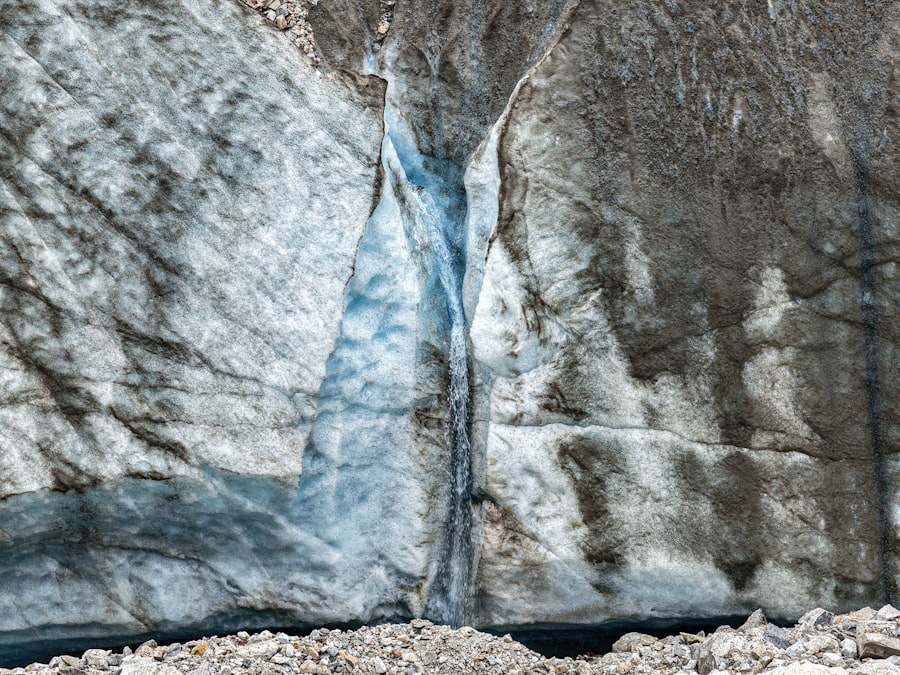
While glacial abrasion is a powerful erosional force, it rarely operates in isolation. It is often intertwined with other glacial processes, such as quarrying and meltwater erosion, creating a complex and dynamic system of landscape transformation.
Quarrying (Plucking) and Abrasion: A Symbiotic Relationship
Quarrying, the process of plucking rock fragments from the bedrock, provides the abrasive tools that drive abrasion. In turn, abrasion can remove interlocking rock, making subsequent quarrying easier. This creates a feedback loop where both processes can amplify each other.
The Creation of Steep Cliffs and Oversteepened Slopes
Quarrying is particularly effective at creating steep, irregular rock faces, especially on the down-ice side of obstacles. Abrasion often smooths and polishes these faces where it occurs.
Meltwater Erosion at the Glacier Bed
While conventionally thought of as a distinct process, meltwater flowing beneath a glacier can also play a role in erosion, often in conjunction with abrasion.
Sediment Transport by Subglacial Streams
Subglacial streams, carrying fine sediment, can contribute to the polishing effect, further smoothing the bedrock surface after it has been abraded by ice-borne debris. These streams can also carry away finer fragments generated by abrasion, exposing fresh bedrock to further erosion.
Thermomechanical Erosion
In some instances, the combination of heat generated by friction at the ice-bedrock interface and the abrasive action of sediment can lead to a process known as thermomechanical erosion, further enhancing the erosive power.
The Cumulative Impact on Landscape Evolution
The combined action of abrasion, quarrying, and meltwater erosion over thousands of years sculpts landscapes into characteristic glacial forms.
Formation of U-shaped Valleys
The widening and deepening of river valleys by glaciers, resulting in their distinctive U-shape, is a prime example of this cumulative impact. Abrasion contributes to the smoothing of the valley floor and sides, while quarrying can create steep cirque walls.
Cirques, Arêtes, and Horns
These dramatic, often jagged, mountain features are sculpted by the headward erosion of glaciers, a process heavily reliant on both quarrying and abrasion.
Glacial abrasion is a fascinating geological process that shapes landscapes through the grinding action of glaciers on the underlying rock. This phenomenon not only carves out valleys and fjords but also leaves behind unique geological features that tell the story of Earth’s climatic history. For those interested in the broader implications of ancient technologies and their potential influence on our understanding of natural processes, a related article can be found here. This piece explores how ancient civilizations may have harnessed natural forces, providing intriguing insights into the intersection of technology and nature.
The Enduring Legacy: Evidence and Geological Significance
| Aspect | Explanation |
|---|---|
| Definition | Glacial abrasion is the process of erosion caused by the movement of glaciers over bedrock. It involves the scraping and wearing down of the underlying rock surface by the debris and sediments carried by the glacier. |
| Mechanism | As a glacier moves, it picks up rocks and sediments, which act as tools to scrape and polish the underlying bedrock. This process creates smooth, polished surfaces and striations on the bedrock. |
| Features | Glacial abrasion can result in the formation of glacial grooves, striations, and polished surfaces on the bedrock. These features provide evidence of past glacial activity and can help scientists understand the movement and behavior of glaciers. |
| Importance | Glacial abrasion plays a significant role in shaping the landscape in glaciated regions, contributing to the formation of valleys, fjords, and other landforms. It also influences the transportation and deposition of glacial sediments. |
The geological record bears the indelible marks of glacial abrasion. The landforms it creates and the sediments it produces provide invaluable insights into past climates, the extent of ice cover, and the dynamics of glacial systems.
Identifying Glacially Modified Landscapes
The presence of striations, glacial polish, U-shaped valleys, and roches moutonnées (rock formations streamlined by glacial action with a smooth, abraded up-ice side and a plucked down-ice side) are all clear indicators of past glacial abrasion.
Worldwide Distribution of Glacial Landforms
These landforms are found across the globe, from currently glaciated regions to areas that experienced glaciation during past ice ages, testament to the widespread power of glacial erosion.
Paleoglaciological Reconstruction
By studying the patterns of striations and the distribution of glacial landforms, geologists can reconstruct the direction and extent of past ice flows, providing crucial data for understanding past climate change.
The Role of Glacial Sediments (Till)
The pulverized rock fragments, known as till when deposited by a glacier, are a direct product of abrasion and quarrying. Analyzing the composition of till can reveal information about the bedrock over which the glacier flowed, offering clues about geological provinces.
Understanding Earth’s Surface Processes
The study of glacial abrasion contributes to a broader understanding of geomorphology, the science of landforms and the processes that create them. It highlights the immense power of slowly moving ice and its capacity to reshape entire continents over geological timescales.
The Anthropocene and Future Glacial Dynamics
As the planet warms and glaciers recede, understanding the processes of glacial abrasion becomes even more critical. It helps us to anticipate how landscapes will evolve as ice disappears and to predict the potential impact on river systems and coastal environments. The legacy of glacial abrasion continues to shape our world, both past and present.

The Boulder That Shouldn’t Exist
FAQs
What is glacial abrasion?
Glacial abrasion is the process by which rocks and sediments are worn down and smoothed by the movement of glaciers. As the glacier moves, it picks up rocks and debris, which then act as a sandpaper-like tool, grinding against the underlying bedrock and causing it to be abraded.
How does glacial abrasion occur?
Glacial abrasion occurs as a result of the weight and pressure of the glacier, combined with the presence of rocks and sediments within the ice. As the glacier moves, these materials scrape and grind against the bedrock, wearing it down over time.
What landforms are created by glacial abrasion?
Glacial abrasion can create a variety of landforms, including smooth, polished surfaces known as glacial polish, as well as long, parallel scratches called glacial striations. These features are often found in areas that have been covered by glaciers in the past.
Where can glacial abrasion be observed?
Glacial abrasion can be observed in areas that have been or are currently covered by glaciers, such as polar regions, high mountain ranges, and other glaciated landscapes. Evidence of glacial abrasion can also be found in the form of glacial erratics, which are large boulders that have been transported and deposited by glaciers.
What is the significance of glacial abrasion?
Glacial abrasion plays a crucial role in shaping the Earth’s surface, contributing to the formation of various landforms and landscapes. It also provides valuable insights into past glacial activity and helps scientists understand the history of glaciation on Earth.