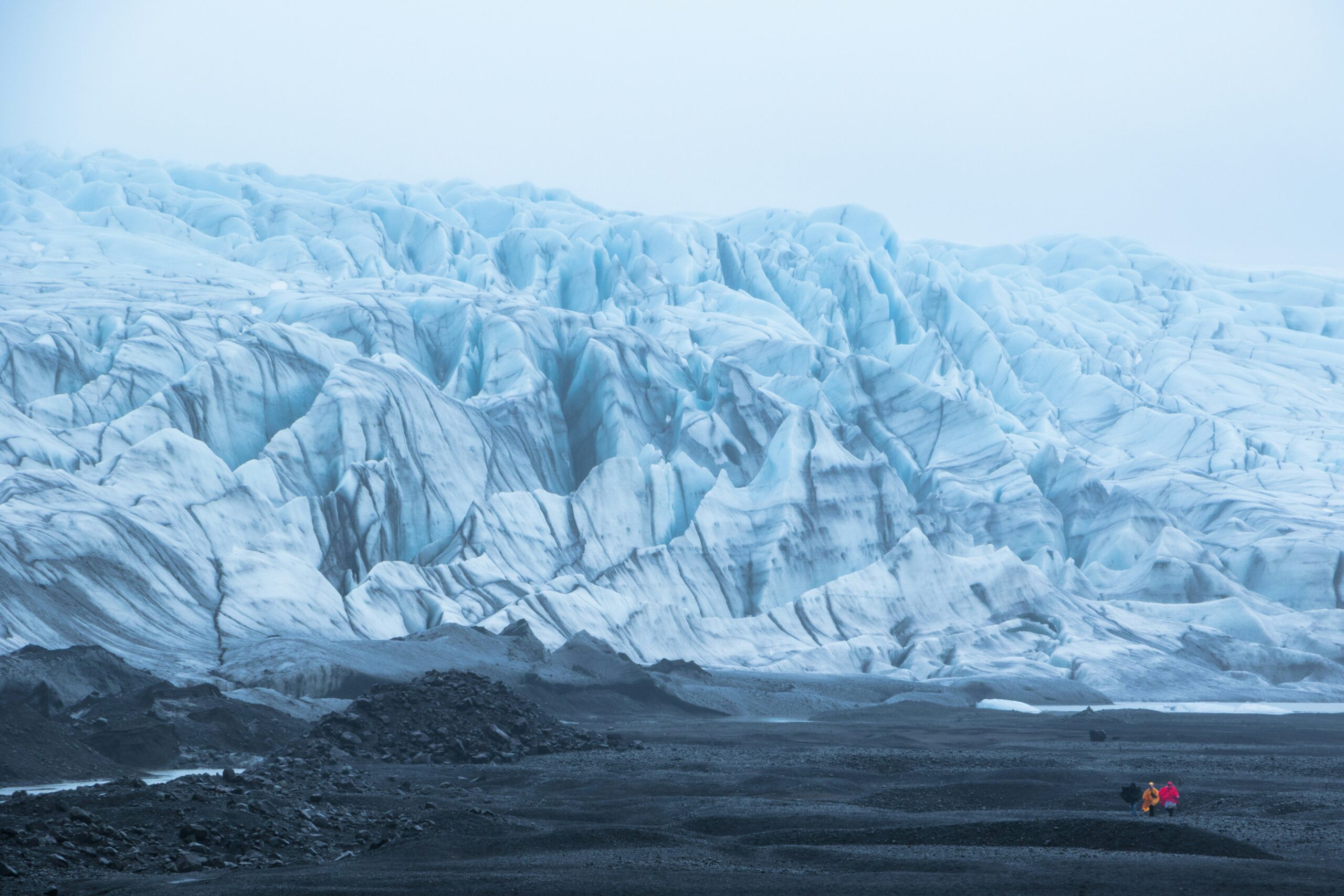
The Science of Glacial Plucking Explained
Glacial plucking, also known as glacial quarrying or frost wedging, is a fundamental erosional process that shapes the mountainous landscapes of our planet. It’s a powerful testament to the relentless force of ice and its ability to sculpt even the most resilient rock formations. Unlike the more gradual abrasion caused by ice carrying sediment, plucking is a more dramatic and forceful mechanism, characterized by the tearing away of rock fragments. Understanding the science behind this process requires delving into the complex interplay of water, ice, temperature fluctuations, and the inherent properties of rock.
At the heart of glacial plucking lies the ubiquitous and often underestimated power of water. While glaciers are undeniably masses of ice, it is the presence and behavior of liquid water within and beneath them that facilitates the tearing of rock. This water can exist in various forms and locations: as meltwater on the glacier’s surface, as a thin film between the ice and bedrock, or as larger, more substantial bodies of water in crevasses and subglacial channels.
Meltwater: The Surface Initiator
Snowfall accumulates over time, and the weight of newer layers compresses older snow into denser ice. However, even in freezing environments, heat from the sun, geothermal activity, or friction from ice movement can cause localized melting, particularly on the glacier’s surface. This meltwater, though seemingly innocuous, plays a crucial role. It can seep into existing cracks and fissures within the underlying bedrock. Once within these openings, the water acts as a lubricant, reducing the friction between the bedrock and the ice that lies above it. This reduction in friction allows the glacier to move more readily, but more importantly, it sets the stage for the subsequent steps of plucking.
Subglacial Water: The Direct Agent
Perhaps the most significant role of water in glacial plucking occurs beneath the glacier. Meltwater, either generated by basal melting due to pressure and geothermal heat or originating from surface melt that has percolated downwards, often forms a thin layer between the glacier’s base and the underlying bedrock. This basal water film is critical for lubrication, allowing the glacier to slide. However, it also has a direct impact on the rock itself.
Pressure Melting and Geothermal Heat
The immense weight of a glacier exerts significant pressure on the bedrock beneath it. This pressure lowers the melting point of ice, a phenomenon known as pressure melting. Even at temperatures below 0°C, the ice in contact with the bedrock can melt, creating a layer of liquid water. Coupled with heat escaping from the Earth’s interior (geothermal heat), this melting process can be continuous, generating a persistent supply of meltwater at the glacier’s base.
Water Within Crevasses and Fractures
As glaciers move and deform, they develop cracks and fissures known as crevasses. These openings can extend deep into the ice. Meltwater can collect within these crevasses and then, under immense pressure from the overlying ice, be forced down into any existing fractures in the bedrock below. This intrusion of pressurized water is a key driver of frost wedging at the glacial base.
Glacial plucking is a fascinating geological process that occurs when glaciers erode the landscape by lifting and removing rocks and sediment from the ground. This phenomenon plays a significant role in shaping valleys and mountains, contributing to the dramatic features we see in glaciated regions. For a deeper understanding of the impact of glaciers on our planet, you can explore a related article that delves into the mysteries of Antarctica and its ancient past. Check it out here: Antarctica: Uncovering the Unknown Past.
The Mechanism of Frost Wedging: Freeze-Thaw Cycles
Once water has infiltrated cracks and fissures in the bedrock beneath a glacier, the process of frost wedging takes over. This is a cyclical phenomenon that relies on the unique properties of water and ice.
Water’s Expansion Upon Freezing
Water is unusual in that it expands when it freezes. As water in a rock fissure cools and turns into ice, it occupies approximately 9% more volume than it did as a liquid. This expansion exerts immense outward pressure on the surrounding rock. Imagine filling a container with water and then freezing it; the ice often pushes the lid upwards or even cracks the container. The same principle applies to rocks.
The Power of Pressure
The pressure generated by water freezing within a rock fissure is substantial. If the fissure is narrow and confined, the ice exerts a powerful wedging force, widening the crack. Repeated freeze-thaw cycles, even if the temperature fluctuates only slightly around the freezing point, can gradually and inexorably widen these cracks.
The Role of Temperature Fluctuations
The effectiveness of frost wedging, and consequently glacial plucking, is directly linked to the frequency and magnitude of temperature fluctuations around the freezing point (0°C or 32°F). In regions where glaciers exist, diurnal (daily) and seasonal temperature variations can lead to recurring cycles of freezing and thawing.
Diurnal Cycles
During warmer periods, meltwater can infiltrate cracks. As temperatures drop overnight, this water freezes, widening the fissures. The next day, as temperatures rise above freezing, the ice melts, and more water can penetrate deeper into the now-widened crack. This daily cycle can progressively weaken the rock.
Seasonal Cycles
Seasonal changes are even more impactful. During warmer months, meltwater is abundant, allowing water to ingress into rock fractures. As winter approaches and temperatures consistently drop below freezing, widespread freezing occurs, leading to significant frost wedging. The thawing that occurs with the onset of spring allows for the cycle to begin anew.
The Tearing Action: Glacial Overriding and Drag

Once frost wedging has sufficiently weakened and fractured the bedrock, the glacier itself initiates the plucking action. This occurs as the glacier overrides the fractured rock and its movement exerts forces that overcome the remaining cohesion of the rock fragments.
The Overriding Glacier
As the glacier flows down a slope, its leading edge encounters the fractured bedrock. The immense mass and movement of the ice exert a downward and forward pressure on the loosened rock fragments. This overriding force is a crucial factor in dislodging pieces of rock.
Upward Stress and Drag
When a glacier flows over a resistant bedrock surface, particularly on the lee side of a roche moutonnée (an asymmetrical rock hill shaped by glaciation, with a smooth, glacially-scoured up-ice slope and a jagged, plucked down-ice slope), the ice exerts an upward and backward drag force on the loosened rock. This is because the ice is trying to flow over an obstacle. If the rock fragments are already weakened by frost wedging, this upward stress can be enough to pry them loose. The jagged, plucked lee side of a roche moutonnée is a classic visual indicator of this process.
The Role of Jointing and Bedding Planes
The existing structure of the bedrock plays a significant role in how plucking occurs. Rocks are often naturally divisible along weaknesses such as joint planes (vertical or near-vertical fractures) and bedding planes (layers in sedimentary rocks). Glacial plucking is most effective when these pre-existing planes of weakness align with the stresses exerted by the glacier. The ice can exploit these weaknesses, tearing away blocks of rock along these established lines of fracture.
The Adhesive Force of Ice
While it might seem counterintuitive, the very nature of ice can also contribute to the plucking process. When meltwater freezes within a crack, it adheres firmly to the surrounding rock surfaces. As the glacier moves, this frozen connection can act like glue, pulling the loosened rock fragment along with the ice. This “stickiness” of ice, particularly when refrozen within rock fractures, augments the forces of drag and upward stress, making the dislodgement of rock more efficient.
The Transport and Deposition of Plucked Materials
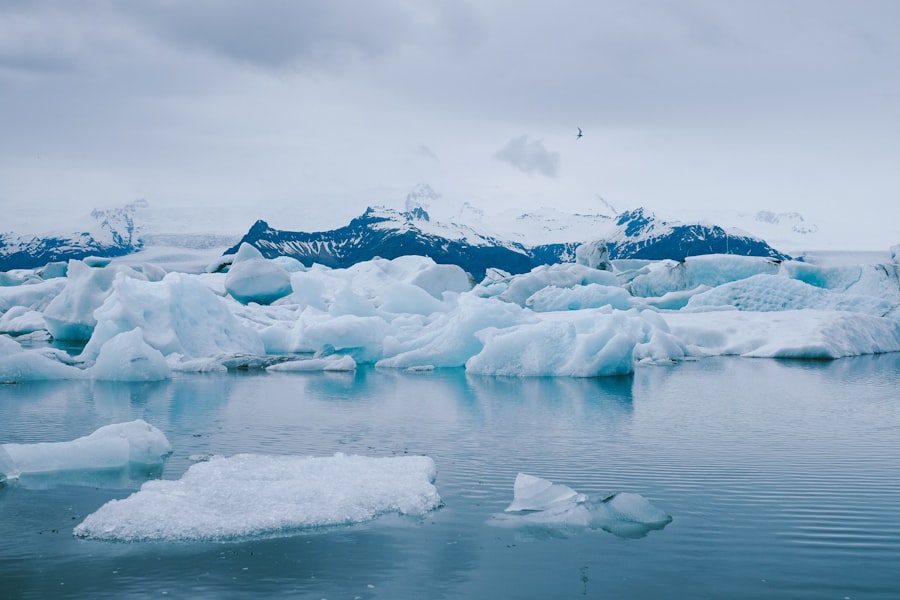
Once rock fragments have been plucked from the bedrock, they become incorporated into the glacier as its own load of sediment. These materials, ranging from fine sand to large boulders, will be transported and eventually deposited as the glacier melts and loses its ability to carry its burden.
The Glacier as a Conveyor Belt
Plucked rock fragments are carried within the ice, either embedded in its base or within its mass. The glacier acts as a massive conveyor belt, transporting these materials often over vast distances. The size and nature of the plucked materials can vary significantly depending on the bedrock and the effectiveness of the plucking process.
Basal Debris and Entrained Ice
Much of the material plucked by glaciers is found at their base, where it contributes to the basal debris layer. However, larger blocks can also be incorporated higher up within the ice mass. As the glacier flows and deforms, these plucked materials can be further abraded and shaped, becoming rounded and smoothed.
Evidence of Deposition: Moraines and Other Features
When a glacier melts, it can no longer support the weight of the debris it carries. This material is deposited, forming a variety of glacial landforms. Moraines, which are ridges or mounds of unsorted glacial debris, are a direct result of deposition from melting glaciers. Plucked boulders, known as erratics, can be found far from their origin, providing compelling evidence of the vast distances glaciers can transport material.
Till: The Unsorted Legacy
The unsorted mixture of clay, sand, gravel, and boulders deposited directly by a melting glacier is called till. Plucked materials are a significant component of till. The varied sizes and angularity of the clasts within till are indicative of their origin from the forceful plucking and subsequent transport by ice.
Glacial plucking is a fascinating geological process that occurs when glaciers erode the landscape by lifting and transporting rocks and sediments. This phenomenon not only shapes the terrain but also plays a crucial role in the formation of various landforms. For those interested in understanding the broader implications of natural processes on human activities, a related article discusses the evolution of trade agreements and their impact on economies, which can be found here. Exploring these connections can provide valuable insights into how natural and human systems interact over time.
Factors Influencing the Intensity of Glacial Plucking
| Aspect | Explanation |
|---|---|
| Definition | Glacial plucking is a process where rocks and sediments are plucked from the bedrock by a glacier as it moves over the landscape. |
| Mechanism | It occurs when the glacier’s meltwater penetrates the cracks in the bedrock, freezing and expanding, and then pulling rock fragments away as the glacier moves. |
| Effect | Glacial plucking can result in the formation of glacial valleys, cirques, and other landforms as the glacier erodes the landscape. |
| Importance | It plays a significant role in shaping the Earth’s surface and contributes to the formation of various geological features. |
While the fundamental processes of water infiltration, frost wedging, and glacial overriding are universal to glacial plucking, certain environmental and geological factors can significantly influence its intensity and effectiveness.
Climate and Temperature Regimes
As previously discussed, the climate plays a paramount role. Glacial plucking is most pronounced in regions with frequent freeze-thaw cycles around the melting point of water, especially at the glacier-bedrock interface. Arid or extremely cold climates, where liquid water is scarce or consistently frozen, will see less plucking. Conversely, temperate alpine environments with significant seasonal and even diurnal temperature fluctuations are prime locations for intense plucking.
The Subpolar Advantage
Regions characterized by relatively warm ice at the base, often found in subpolar or temperate glaciers, tend to experience significant basal sliding facilitated by meltwater. This enhanced sliding, coupled with the presence of liquid water for frost wedging, makes these environments particularly conducive to aggressive glacial plucking.
Rock Type and Structure
The inherent properties of the bedrock are critical. Rocks that are already fractured or possess well-defined joint systems and bedding planes are much more susceptible to plucking. Hard, massive, and unfractured rocks will resist plucking more effectively. Sedimentary rocks, often layered and with inherent weaknesses along bedding planes, can be readily plucked in large blocks. Igneous and metamorphic rocks, if heavily jointed, can also be dramatically sculpted by this process.
The “Pluckability” of Bedrock
The concept of a rock’s “pluckability” refers to its susceptibility to being torn apart by glacial forces. This is a function of its tensile strength, its existing fracture pattern, and how well applied stresses align with these weaknesses. Rocks with low tensile strength and pre-existing discontinuities are highly pluckable.
Glacier Dynamics and Movement
The speed and overall dynamics of a glacier also influence plucking. Faster-moving glaciers, particularly those undergoing significant basal sliding, exert greater drag forces on the underlying bedrock. Lobes of ice that are advancing or experiencing surges can also lead to intensified plucking. The thickness and weight of the ice also contribute to the pressure melting at the bed and the overall forces available for erosion.
Ice Velocity and Basal Sliding
The rate at which a glacier flows, particularly the speed of its basal sliding, is a direct indicator of the presence of lubricating water and the potential for erosional processes like plucking. Higher velocities often correlate with more effective plucking.
Topography and Bedrock Interface
The morphology of the underlying topography, especially the presence of steeper slopes and resistant obstacles, can concentrate glacial forces and enhance plucking. As discussed with the roche moutonnée, the shape of the bedrock significantly influences where and how plucking occurs most effectively. The transition from a gentle, abraded slope to a steep, jagged scarp is a hallmark of this erosional interplay. The presence of large, pre-existing bedrock features that the glacier must flow over creates ideal conditions for the ice to exert its tearing power.
In conclusion, glacial plucking is a powerful and complex erosional process driven by the dynamic interaction of water, ice, and bedrock. It is a testament to the relentless erosive power of glaciers, shaping iconic mountainous landscapes and leaving behind a geological record of their immense force. The science behind it, from the subtle infiltration of meltwater to the dramatic tearing away of rock fragments, highlights the intricate and often underestimated forces that sculpt our planet.

The Boulder That Shouldn’t Exist
FAQs
What is glacial plucking?
Glacial plucking is a process where glaciers pick up and carry away rocks and sediments as they move across the landscape. This occurs when the ice melts and refreezes around the rock, causing it to be plucked from the ground.
How does glacial plucking occur?
Glacial plucking occurs when meltwater seeps into the cracks of rocks. As the water freezes, it expands, causing the rock to be fractured and broken off. The glacier then carries the rock with it as it moves.
What are the effects of glacial plucking on the landscape?
Glacial plucking can result in the formation of deep grooves and scratches in the bedrock, as well as the transportation of large boulders and rocks across the landscape. This process can significantly alter the shape and composition of the land.
Where can glacial plucking be observed?
Glacial plucking can be observed in areas where glaciers are present, such as polar regions, high mountain ranges, and other cold environments. Evidence of glacial plucking can also be found in the form of glacial erratics, which are large rocks that have been transported and deposited by glaciers.
How does glacial plucking contribute to the formation of landforms?
Glacial plucking plays a key role in the formation of landforms such as cirques, valleys, and fjords. As glaciers pluck and transport rocks, they can carve out deep depressions and valleys in the landscape, shaping the terrain over time.