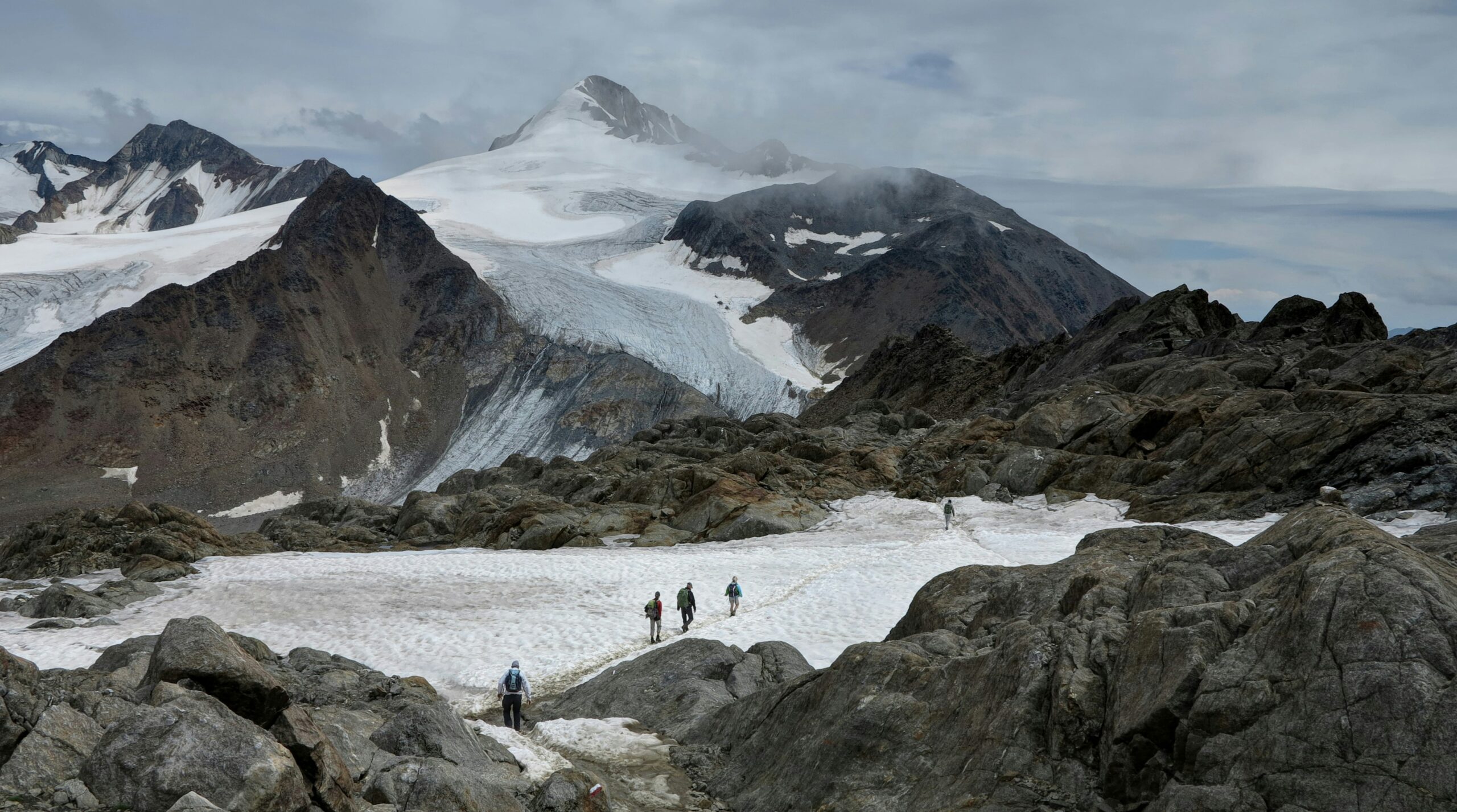
The relentless forces of nature have sculpted much of our planet’s surface, and among the most powerful

The Boulder That Shouldn’t Exist
FAQs

What is glacial transport?
Glacial transport refers to the movement of sediments, rocks, and other materials by glaciers. This process occurs as glaciers advance and retreat, carrying debris along with them.
How does glacial transport occur?
Glacial transport occurs through a combination of processes including plucking, abrasion, and meltwater transport. Plucking involves the freezing and lifting of rocks by the glacier, while abrasion occurs as the glacier grinds against the underlying bedrock. Meltwater transport involves the movement of sediments within the glacier’s meltwater.
What types of materials can glaciers transport?
Glaciers can transport a wide range of materials including clay, silt, sand, gravel, boulders, and even large rocks. These materials are often picked up by the glacier as it moves over the landscape and can be carried for long distances.
Where can glacial transport be observed?
Glacial transport can be observed in areas where glaciers are present, such as polar regions, high mountain ranges, and some high-latitude regions. Evidence of glacial transport can also be found in the form of glacial deposits and landforms left behind by retreating glaciers.
What are the effects of glacial transport on the landscape?
Glacial transport can have significant effects on the landscape, including the formation of glacial valleys, moraines, and other landforms. It also plays a key role in shaping the topography of glaciated regions and can contribute to the deposition of sediments in new locations as the glacier melts and retreats.