
The Sino-Soviet Split, a seismic rupture in the heart of the global communist movement, remains a critical junction in 20th-century international relations. Its echoes continue to resonate, shaping contemporary geopolitical landscapes and demanding careful navigation through the labyrinth of historical memory. Understanding this schism is not merely an academic exercise; it is akin to deciphering a complex family feud whose fallout continues to influence the dynamics between major global players.
The honeymoon period between the People’s Republic of China (PRC) and the Union of Soviet Socialist Republics (USSR) was, in retrospect, a brief interlude. The shared ideological bedrock of Marxism-Leninism, forged in the crucible of anti-imperialist struggle, initially presented a picture of unwavering solidarity. However, beneath the veneer of communist unity, fissures began to form even before the formal declarations of discord.
The Foundation of Alliance
Post-WWII Power Vacuum and Soviet Support
Following the Second World War, the geopolitical map of Asia was being redrawn. Soviet victory in Manchuria and its role in the defeat of Imperial Japan significantly bolstered its regional influence. For Mao Zedong and the newly victorious Communist Party of China, Soviet military and economic support was instrumental in consolidating power and rebuilding a war-torn nation. The Sino-Soviet Treaty of Friendship, Alliance and Mutual Assistance, signed in 1950, symbolized this burgeoning bond, promising mutual defense and economic cooperation. This treaty was the bedrock upon which their alliance was built, offering both nations a perceived bulwark against Western capitalist influence.
Ideological Convergence and Shared Goals
Both nations espoused the Marxist-Leninist ideology and saw themselves as vanguards of the global proletarian revolution. Their shared vision was to liberate the world from capitalist exploitation and establish a socialist order. This ideological convergence provided a potent narrative of shared destiny and purpose, fostering a sense of historical mission. The Soviet Union, as the elder sibling in the socialist family, initially held a position of intellectual and material guidance.
Emerging Seeds of Discord
Differing Interpretations of Marxism-Leninism
While both adhered to Marxist-Leninist tenets, divergences in interpretation began to surface. The Soviet Union, under Nikita Khrushchev, embraced a path of “peaceful coexistence” with the West, emphasizing de-Stalinization and a less confrontational approach. China, still reeling from the excesses of war and poverty, viewed this as a betrayal of revolutionary principles. Mao believed that class struggle remained paramount and that the revolutionary fire must be kept burning, even at the risk of conflict. This intellectual divide at the heart of their shared ideology was a fundamental fracture line.
National Interests and Geopolitical Ambitions
Beyond ideology, national interests invariably came into play. China, after decades of humiliation and foreign intervention, harbored a fierce desire for self-reliance and a prominent role on the world stage. The perception that the Soviet Union, in its pursuit of détente with the West, was sacrificing the interests of other socialist nations, particularly China, fueled resentment. Furthermore, territorial disputes and lingering suspicions from past interactions, however subtle, began to cast long shadows.
The Sino-Soviet split remains a significant topic in understanding the complexities of Cold War dynamics, and it has been explored in various historical analyses. For those interested in how historical memory shapes our understanding of international relations, a related article titled “Uncovering Ancient Water Management Systems” provides insights into how historical narratives can influence contemporary perspectives. You can read more about it here: Uncovering Ancient Water Management Systems.
The Escalating Schism: From Disagreement to Open Hostility
The subtle disagreements of the early years gradually morphed into overt ideological battles and, ultimately, direct military confrontations. The Sino-Soviet Split was not a single event but a protracted process of disintegration, marked by increasingly acrimonious exchanges.
Khrushchev’s De-Stalinization and the Secret Speech
The “Cult of Personality” Revision
In 1956, Nikita Khrushchev’s “Secret Speech” denouncing Joseph Stalin’s excesses and the cult of personality sent shockwaves through the communist world. While many European communist parties accepted the revision, China loudly disagreed. Mao viewed Stalin as a revolutionary titan and the denunciation as an attack on the very foundations of the socialist state and the legitimacy of revolutionary leadership. This was a critical moment, signaling a fundamental divergence in their understanding of historical legacies and leadership within the socialist bloc.
Ideological Repercussions
The de-Stalinization debate was more than a critique of one leader; it was a fundamental challenge to Soviet leadership of the global communist movement. For China, it suggested that the Soviet Union was moving away from its revolutionary roots, becoming complacent and less revolutionary. This created an ideological vacuum that China increasingly sought to fill with its own brand of Marxism-Leninism, often termed Maoism.
The Great Leap Forward and the Sino-Soviet Rift
Economic Divergence and Soviet Disapproval
Mao’s ambitious “Great Leap Forward” (1958-1962), a campaign aimed at rapidly transforming China’s economy through collectivization and industrialization, was met with skepticism and eventual outright disapproval from the Soviet Union. Soviet advisors were withdrawn, and economic aid was curtailed. The disastrous outcomes of the Great Leap, including widespread famine, provided further ammunition for Soviet criticism, deepening the chasm between the two nations. The Soviet Union saw the Great Leap as a reckless deviation from established socialist economic principles, a gamble with potentially devastating consequences.
Mutual Accusations and Public Denouncements
As their economic policies diverged, so too did their public pronouncements. The Sino-Soviet ideological debate intensified, with each side accusing the other of revisionism, opportunism, and betrayal of the working class. These exchanges, initially confined to party documents, soon spilled into the international arena, creating a deeply fractured communist bloc. Newspapers and speeches became battlegrounds for ideological warfare.
The Zenith of Antagonism: Border Clashes and Global Ramifications

The Sino-Soviet Split was not confined to ideological debates and diplomatic tensions. It escalated to direct military confrontations, forever cementing the hostility between the two communist giants. The world watched with trepidation as the socialist brotherhood descended into open antagonism.
The Sino-Indian War of 1962: A Proxy Battleground
Soviet Neutrality and Chinese Disappointment
Although the Sino-Indian War was primarily a territorial conflict, the Soviet Union’s decision to remain neutral, and indeed to continue supplying India with military aid, was a bitter pill for China to swallow. China felt abandoned by its supposed ally and viewed Soviet actions as a clear indication of shifting loyalties. This event solidified China’s perception of Soviet untrustworthiness and its desire for complete strategic autonomy. The war served as a grim foreshadowing of how geopolitical interests could override ideological solidarity.
The Erosion of Trust
The Soviet neutrality in the Sino-Indian conflict was a pivotal moment. It shattered any remaining illusions of unwavering Soviet support for China’s national interests. This perceived betrayal deepened the mistrust that had been building for years and pushed China further down the path of independent development and a more confrontational stance towards the Soviet Union.
Border Clashes: The Ussuri River Incident
The Zhenbao (Damansky) Island Confrontation
Perhaps the most direct and violent manifestation of the Sino-Soviet Split was the series of border clashes along the Ussuri River in 1969, particularly the incident at Zhenbao (Damansky) Island. These armed confrontations resulted in significant casualties on both sides and brought the world to the brink of a major armed conflict between two nuclear-armed powers. The island became a potent symbol of the deep animosity and the complete breakdown of relations.
The Threat of Nuclear War
The Ussuri River clashes raised the terrifying specter of a full-scale Sino-Soviet war, potentially escalating to the nuclear level. The world held its breath as the two communist behemoths stood poised for a devastating conflict. This period underscored the immense danger posed by the unresolved animosities and the profound destabilizing effect of the split on global security.
Navigating Historical Memory: Legacies and Lessons
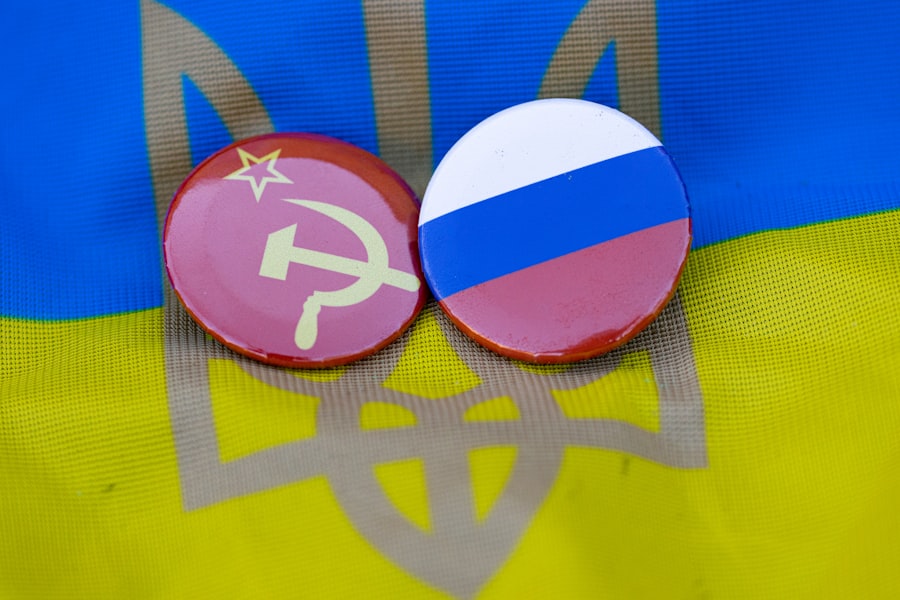
The Sino-Soviet Split left an indelible mark on the 20th century, its consequences rippling through international relations, ideology, and national development. Understanding and interpreting this historical episode is crucial for navigating the complexities of the present and future.
The Legacy of Ideological Competition
The Rise of Maoism and its Global Influence
As the Soviet Union embraced a more moderate path, China’s revolutionary zeal, particularly under Maoism, gained some traction in certain parts of the developing world. While not a direct replacement for the Soviet model, Maoism offered an alternative narrative of self-reliance and revolutionary struggle, influencing various liberation movements and communist parties. However, its own internal challenges and eventual moderation in China also limited its long-term global appeal.
The Weakening of the Global Communist Movement
The Sino-Soviet Split fundamentally weakened the international communist movement. The ideological schism fractured existing alliances, created deep divisions within communist parties worldwide, and undermined the centralized authority that Moscow had previously wielded. This fragmentation allowed other political ideologies more space to flourish and contributed to the eventual decline of Soviet influence.
Geopolitical Realignments and the US-China Rapprochement
The “Enemy of My Enemy” Dynamic
The Sino-Soviet antagonism created an unexpected geopolitical opening. The United States, previously locked in the Cold War with both communist powers, saw an opportunity in the Sino-Soviet divide. The perception of a common threat from the Soviet Union led to a strategic rapprochement between China and the US, culminating in President Nixon’s visit to Beijing in 1972. This was a masterstroke of realpolitik, fundamentally altering the global balance of power. The split acted like a tectonic shift, rearranging the geopolitical plates.
The Shaping of the Post-Cold War Order
The Sino-Soviet Split, by weakening the Soviet Union and redefining the global alignment of powers, played a significant role in shaping the post-Cold War international order. China’s emergence as a major global player, independent of Soviet influence, and its eventual integration into the global economy, are consequences that continue to shape the multipolar world we inhabit today.
The Sino-Soviet split remains a significant topic in the study of Cold War dynamics, influencing not only international relations but also the historical memory of communist movements worldwide. For a deeper understanding of how geopolitical shifts can reshape historical narratives, you might find it interesting to explore the article on geological evidence in Antarctica, which indirectly reflects the broader implications of political decisions on scientific endeavors. This connection highlights how historical events can have lasting effects beyond their immediate context. You can read more about it in this insightful piece here.
Contemporary Echoes: Remembering and Reinterpreting
| Year | Event | Significance | Impact on Sino-Soviet Relations | Historical Memory |
|---|---|---|---|---|
| 1956 | Khrushchev’s Secret Speech | Denunciation of Stalin’s policies | China viewed it as revisionist, beginning ideological rift | Seen in China as betrayal of Marxist-Leninist principles |
| 1960 | Withdrawal of Soviet experts from China | End of Soviet technical and economic aid | Marked deterioration of cooperation and trust | Remembered as a turning point in Sino-Soviet relations |
| 1969 | Border clashes at Zhenbao/Damansky Island | Military conflict between China and USSR | Heightened tensions and militarization of border | Symbolizes deep mistrust and hostility in historical narratives |
| 1971 | China’s entry into UN, replacing Taiwan | China gains international recognition | Undermined Soviet influence in UN | Seen as a diplomatic victory in Chinese memory |
| 1989 | Normalization of Sino-Soviet relations | Official end to decades-long split | Improved diplomatic and economic ties | Viewed as reconciliation and pragmatic cooperation |
The historical memory of the Sino-Soviet Split is not a static edifice but a fluid landscape subject to ongoing interpretation and reinterpretation by China, Russia, and the international community. How these nations engage with this past has tangible implications for their present-day relationships.
China’s Historical Narrative
Emphasizing Self-Reliance and National Dignity
China’s current historical narrative largely portrays the Sino-Soviet Split as a necessary step towards asserting its national sovereignty and achieving genuine self-reliance. The period of Soviet influence is often framed as one of paternalism that needed to be overcome. The emphasis is on China’s ability to forge its own path, free from external dictates, and to secure its rightful place on the global stage.
The “Hundred Years of Humiliation” Context
The narrative often links the period of Soviet dominance within the context of China’s “century of humiliation” at the hands of foreign powers. Overcoming Soviet influence is presented as a critical victory in reclaiming national dignity and strength, positioning China as a resurgent global power capable of standing on its own feet.
Russia’s Perspective and the “Lost Empire” Syndrome
Nostalgia and Regret for Soviet Power
Within Russia, the memory of the Sino-Soviet Split is often intertwined with a broader nostalgia for the Soviet Union’s superpower status. Some perspectives express regret over the loss of influence and the erosion of Soviet prestige. The split is viewed as a significant blow to the socialist bloc and a contributing factor to the USSR’s eventual collapse, a narrative often colored by a sense of lost grandeur and a desire to reclaim some semblance of that past power.
The Complex Relationship with China Today
Modern Russia’s relationship with China is often framed against the backdrop of this complex history. While strategic cooperation is evident, historical undercurrents of past rivalry and differing national interests continue to subtly inform their interactions. The memory of the split serves as a reminder of the potential for divergence, even among seemingly aligned powers.
The Global Understanding and the Importance of Nuance
Avoiding Simplistic Narratives
For the international community, navigating the historical memory of the Sino-Soviet Split requires avoiding simplistic narratives. It necessitates acknowledging the multifaceted nature of the conflict, understanding the interplay of ideology, national interest, and personality. The split was not a straightforward good versus evil tale but a complex interplay of factors.
The Relevance for Contemporary Diplomacy
A nuanced understanding of the Sino-Soviet Split offers valuable lessons for contemporary diplomacy. It highlights the fragility of alliances, the enduring significance of national interests, and the dangers of ideological rigidity. By examining this historical chasm, we can gain a deeper appreciation for the forces that shape international relations and the importance of careful, considered diplomacy in managing global power dynamics. The echoes of this past continue to inform the present, making its careful remembrance a vital undertaking.

WATCH NOW ▶️ WARNING: The Dollar Just Became Optional
FAQs
What was the Sino-Soviet split?
The Sino-Soviet split was a political and ideological division between the Soviet Union and the People’s Republic of China that emerged in the late 1950s and became fully apparent by the early 1960s. It involved disagreements over communist ideology, national interests, and leadership of the global communist movement.
What were the main causes of the Sino-Soviet split?
The split was caused by ideological differences, such as China’s opposition to Soviet de-Stalinization and peaceful coexistence with the West, as well as geopolitical tensions, including border disputes and competition for influence in the communist world.
How did the Sino-Soviet split affect international relations during the Cold War?
The split weakened the unity of the communist bloc, leading to a realignment of global alliances. It allowed the United States to engage with China diplomatically and altered the strategic balance during the Cold War, influencing conflicts in Asia and beyond.
What is meant by “historical memory” in the context of the Sino-Soviet split?
Historical memory refers to how the events and interpretations of the Sino-Soviet split are remembered, represented, and understood by different countries, political groups, and generations, often influencing current diplomatic and cultural relations.
How do China and Russia view the Sino-Soviet split today?
Today, both China and Russia acknowledge the split as a significant historical event but tend to emphasize reconciliation and cooperation. Their official narratives often downplay past conflicts to promote a strategic partnership in the 21st century.