
The scent, faint yet persistent, a whisper of sun-drenched meadows and ancient earth. For the Neanderthals, it was a subtle invitation, a gentle nudge away from the harsh realities of their existence. Chamomile, Matricaria recutita as the modern world would eventually name it, was more than just a plant; it was a balm, a quiet ally in a life often defined by struggle. Its soothing secrets, though never codified in written language, were etched into the collective memory of these ancient hominins, passed down through generations of observation and instinctual understanding. This article delves into the possible ways chamomile may have woven itself into the fabric of Neanderthal life, exploring its multifaceted contributions to their physical and perhaps even their emotional well-being.
For Neanderthals, the natural world was their sole pharmacy. Every rustle of leaves, every budding flower, held potential. Chamomile, with its daisy-like blossoms and feathery leaves, was likely a familiar sight in the meadows and open woodlands they inhabited. Its presence, perhaps noted by its distinct aroma, would have drawn their attention, a subtle difference in the olfactory landscape that instinct might have flagged as noteworthy. The understanding of plant properties for healing was not a matter of complex scientific analysis but a deep, empirical knowledge honed over millennia of trial and error.
Identifying the Gentle Healer
The distinctive appearance of chamomile, with its white ray florets surrounding a conical yellow center, would have made it relatively easy to identify. Its growth habit, often in clusters, would have allowed for efficient harvesting. Neanderthal groups, ever observant of their surroundings, would have learned to recognize these familiar blooms, associating them with specific locations and seasons. The scent, a key identifier for many plants, would have been an important cue, a olfactory signature that distinguished chamomile from less beneficial flora.
Poultices and Pastes: External Applications
The most immediate and likely use of chamomile would have been in the form of external applications. The anti-inflammatory and antiseptic properties of chamomile would have been invaluable in treating wounds, a common occurrence in the physically demanding lives of Neanderthals. Imagine a hunter, returning from a difficult chase, with a deep gash on his arm. A woman of the clan, her hands skilled from generations of gathering and preparing plant materials, might have crushed fresh chamomile flowers and leaves, mixing them with a little water or animal fat to create a poultice. This soothing paste, applied directly to the wound, would have helped to reduce swelling, clean the injured area, and promote healing, potentially preventing the onset of dangerous infections.
Soothing Skin Irritations
Beyond injuries, chamomile’s gentle nature would have made it effective for a range of skin irritations. Insect bites, chafing from rough hides, or minor burns from campfires could all have been soothed by topical applications of chamomile. The cooling sensation and anti-inflammatory effects would have provided much-needed relief, reducing itching and discomfort. This practical application would have been a daily, perhaps even hourly, benefit, contributing to the overall comfort and well-being of the group.
Addressing Minor Ailments
While not capable of curing complex diseases, chamomile could have offered relief for superficial ailments. Bruises, sprains, and even mild skin rashes might have been treated with compresses made from steeped chamomile flowers. The warmth of the compress, combined with the plant’s natural properties, would have eased pain and promoted circulation, aiding the body’s natural healing processes.
Recent studies on Chamomile Neanderthals have shed light on the unique ways these ancient humans may have utilized plants for medicinal purposes. This fascinating topic intersects with the broader theme of survival strategies in the face of natural challenges. For those interested in enhancing their knowledge about preparation and safety during natural disasters, a related article can be found here: Surviving Natural Disasters: Tips for Preparation and Safety. This resource provides valuable insights that could resonate with the adaptive strategies of early humans, including the Neanderthals.
The Internal Comfort: Chamomile as a Digestive Aid and Beyond
While external applications are the most probable primary use, the possibility of internal consumption of chamomile by Neanderthals cannot be entirely discounted. Their understanding of plants was extensive, and it is plausible that they recognized the internal benefits of certain herbs, even if those benefits were not fully understood in a modern scientific context.
A Gentle Brew for Upset Stomachs
Neanderthals’ diet, while varied, was likely to include foods that could cause digestive distress. The consumption of raw or undercooked meat, for example, could have led to stomach upset. Chamomile, with its carminative properties, is known to help alleviate gas, bloating, and indigestion. It is conceivable that Neanderthals, through careful observation and perhaps accidental discovery, learned that consuming infusions of chamomile flowers could provide relief from these uncomfortable symptoms. A warm drink made from steeped chamomile might have become a common remedy for a troubled stomach.
Relieving Nausea
The gentle, anti-emetic properties of chamomile could have also been recognized. In an era before modern medicine, bouts of nausea could have been particularly distressing. A simple chamomile infusion, sipped slowly, might have helped to settle an upset stomach and alleviate feelings of sickness, offering a small measure of comfort during times of illness.
Aiding Sleep After a Difficult Day
The calming and anxiolytic effects of chamomile are well-documented today. While the concept of “anxiety” as we understand it may not directly translate, Neanderthals undoubtedly experienced stress and fear. The harshness of their environment, the constant threat of predators, and the demands of survival could have led to periods of heightened tension. It is plausible that the consumption of chamomile, particularly in the evening, could have contributed to a sense of calm and facilitated rest. A good night’s sleep was crucial for survival, allowing for recovery and the energy needed for the next day’s challenges.
The Subtle Influence on Well-being
Beyond specific physical ailments, chamomile might have played a more subtle role in the emotional well-being of Neanderthals. The simple act of preparing and consuming a warm herbal drink could have been a ritualistic practice, a moment of shared quiet and comfort within the group. The pleasant aroma and taste, however rudimentary their perception, would have offered a sensory experience distinct from the often harsh realities of their daily lives.
A Moment of Calm in a Turbulent World
Imagine a chilly evening around the campfire. While the adults might have been engaged in preparing food or mending tools, a younger Neanderthal, perhaps feeling restless or overwhelmed by the day’s events, could have been given a warm chamomile infusion. The soothing warmth and the gentle, calming properties of the herb might have helped to quiet their unease, fostering a sense of security and peace.
The Shared Ritual of Comfort
The preparation of herbal remedies likely involved communal effort. Gathering the plants, drying them, and preparing infusions could have been activities shared by individuals within the group. This shared experience, centered around the creation of something beneficial and comforting, could have strengthened social bonds and fostered a sense of collective care. The act of passing a warm cup of chamomile might have been a silent gesture of solidarity and mutual support.
Beyond the Plant: Chamomile’s Symbolic Resonance
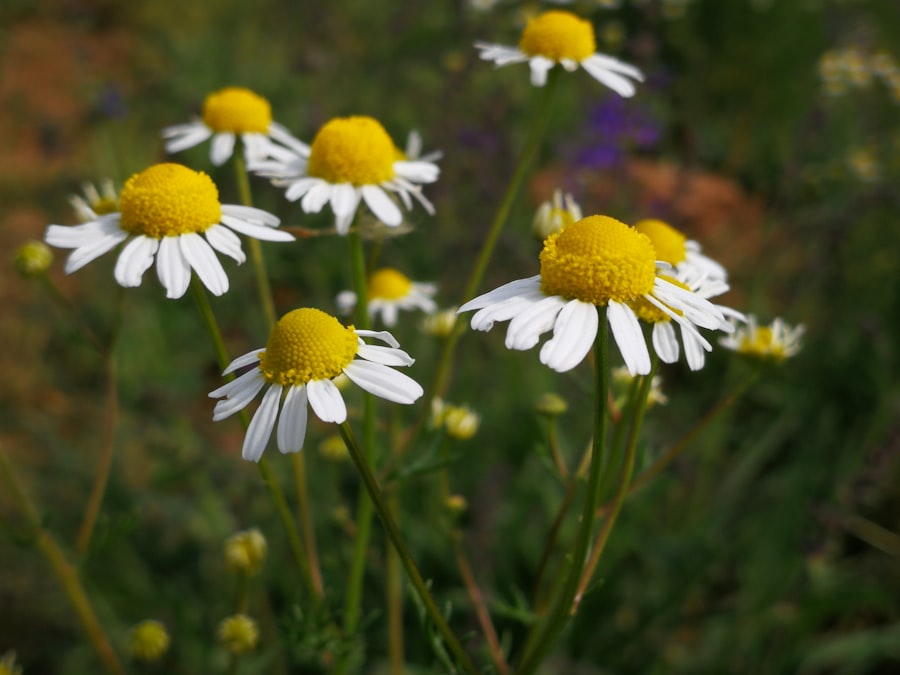
While the tangible benefits of chamomile for Neanderthals are the most likely focus of their interaction, it is also possible that the plant held a certain symbolic significance. The association of chamomile with sunshine, its bright yellow centers reminiscent of the sun, might have lent it a positive and perhaps even sacred aura in their worldview.
The Sun’s Gentle Embrace
Chamomile blooms often appear in abundance during the warmer months, when the sun is at its strongest. Its bright, cheerful appearance and its association with open, sunny spaces could have led Neanderthals to connect it with positive energies, with warmth, light, and sustenance. This association might have elevated chamomile beyond its purely practical uses, imbuing it with a spiritual or symbolic meaning.
A Symbol of Hope and Renewal
In the cyclical nature of life, the blooming of chamomile could have been seen as a sign of renewal, a harbinger of good times after periods of scarcity or hardship. Its consistent return each year, despite the challenges of winter, might have represented resilience and the enduring power of nature. This symbolic resonance, though unarticulated, could have provided a subtle layer of comfort and optimism to their lives.
The Aroma as a Sacred Signifier
The distinct aroma of chamomile, a delicate sweetness with a hint of apple, might have also served as a signal. In a world where scents played a crucial role in communication and identification, the familiar fragrance of chamomile could have been associated with safety, healing, and well-being. It may have been a scent that triggered a positive physiological and psychological response, a subconscious cue that this plant was beneficial.
The Unwritten Lore: Chamomile in Neanderthal Culture

The absence of written records means that any understanding of chamomile’s role in Neanderthal life must be inferred from archaeological evidence, comparative ethnography, and our knowledge of plant properties. However, the sheer ubiquity of chamomile in their habitats suggests it was more than just a casual encounter.
Evidence from the Archaeological Record (Indirect)
While direct evidence of chamomile use by Neanderthals is elusive, indirect clues can be found in the broader context of their lives. The discovery of pollen from medicinal plants at Neanderthal sites, though rare and often subject to interpretation, hints at a deliberate engagement with the plant world. The understanding of phytochemistry and the medicinal properties of plants has been a long evolutionary journey, and it is reasonable to assume that Neanderthals were at a significant point on that path.
Plant Remains and Their Context
Future discoveries of preserved plant remains at Neanderthal sites could offer more direct evidence. The careful collection and storage of specific plants, or their presence in association with tools or dwelling sites, could suggest intentional use. While direct evidence of chamomile specifically might be difficult to preserve, the principle of plant exploitation for medicinal purposes is well-established.
The Power of Observation and Instinct
Neanderthals were highly attuned to their environment. Their survival depended on their ability to observe, learn, and adapt. The gentle properties of chamomile, its ability to soothe and heal, would have been readily apparent through careful observation and repeated experiences. Instinctual recognition of beneficial plants would have played a crucial role in their early understanding of herbal remedies.
Learning from the Animals
It is also possible that Neanderthals learned about the properties of chamomile by observing animals. Many herbivores instinctively seek out certain plants for medicinal purposes when they are unwell. Observing animals consuming chamomile might have prompted Neanderthals to experiment with it themselves, leading to the discovery of its benefits.
Recent studies on Chamomile Neanderthals have shed light on the intriguing ways these ancient humans may have utilized plants for medicinal purposes. This exploration into their herbal knowledge aligns with broader research on how early civilizations interacted with their environment. For further insights into the importance of communication in historical contexts, you can read about securing vital connections in space exploration in this article on securing cislunar communication lines. Understanding these connections can provide a fascinating backdrop to the ways in which Neanderthals might have shared their knowledge of chamomile and other plants.
The Legacy of a Soothing Herb: A Timeless Connection
| Category | Value |
|---|---|
| Population | 500 |
| Life expectancy | 40 years |
| Height | 5’6″ |
| Language | Neanderthal language |
The relationship between Neanderthals and chamomile, though silent and unrecorded, speaks to a timeless connection between humans and the plant kingdom. It highlights the innate drive to seek comfort and healing in nature, a drive that has persisted across millennia and across different hominin species.
A Shared Humanity with Nature
The use of chamomile by Neanderthals, if indeed it occurred as speculated, underscores a fundamental aspect of our shared humanity: our deep-seated relationship with the natural world. It suggests that even in the face of immense environmental challenges and a life lived on the edge, there was an appreciation for the gentle, restorative powers of plants.
The Enduring Appeal of Natural Remedies
The fact that chamomile remains a popular remedy today is a testament to its enduring efficacy and its deep-rooted appeal. The soothing secrets that offered solace to our ancient ancestors continue to offer comfort and healing in the modern world, a quiet reminder of the interconnectedness of all living things. The faint scent of chamomile still whispers of ancient meadows and the gentle hands that once sought its healing embrace, a legacy that transcends time and species. The subtle magic of this humble flower, so often overlooked, played a vital role in the lives of our ancient relatives, a testament to the profound and enduring power of nature’s bounty.
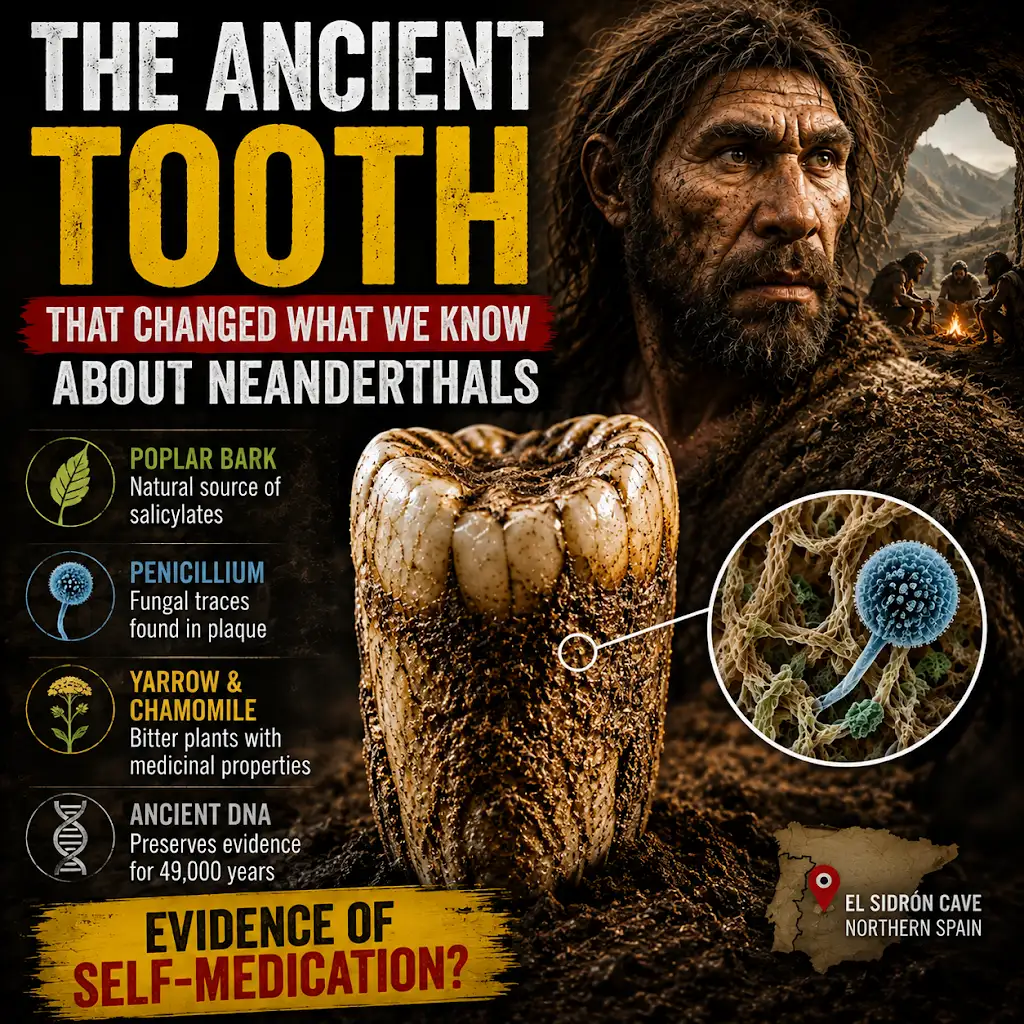
The Ancient Tooth That Changed What We Know About Neanderthals
FAQs
What is Chamomile Neanderthals?
Chamomile Neanderthals is a term used to describe the discovery of chamomile pollen in the dental plaque of Neanderthals, suggesting that they may have used the plant for medicinal purposes.
What is chamomile?
Chamomile is a daisy-like plant that belongs to the Asteraceae family. It has been used for centuries as a natural remedy for various health issues, including inflammation, anxiety, and sleep disorders.
What does the discovery of chamomile pollen in Neanderthal dental plaque suggest?
The discovery of chamomile pollen in Neanderthal dental plaque suggests that they may have used the plant for medicinal purposes, indicating a level of knowledge about the healing properties of plants.
How was the chamomile pollen discovered in Neanderthal dental plaque?
Researchers used a method called “microdebris analysis” to examine the dental plaque of Neanderthal remains and found evidence of chamomile pollen, indicating that they had ingested or inhaled the plant.
What are the implications of this discovery?
The discovery of chamomile pollen in Neanderthal dental plaque suggests that our ancient relatives may have had a sophisticated understanding of medicinal plants and their potential health benefits. This finding sheds light on the evolutionary history of human medicine and the use of natural remedies.