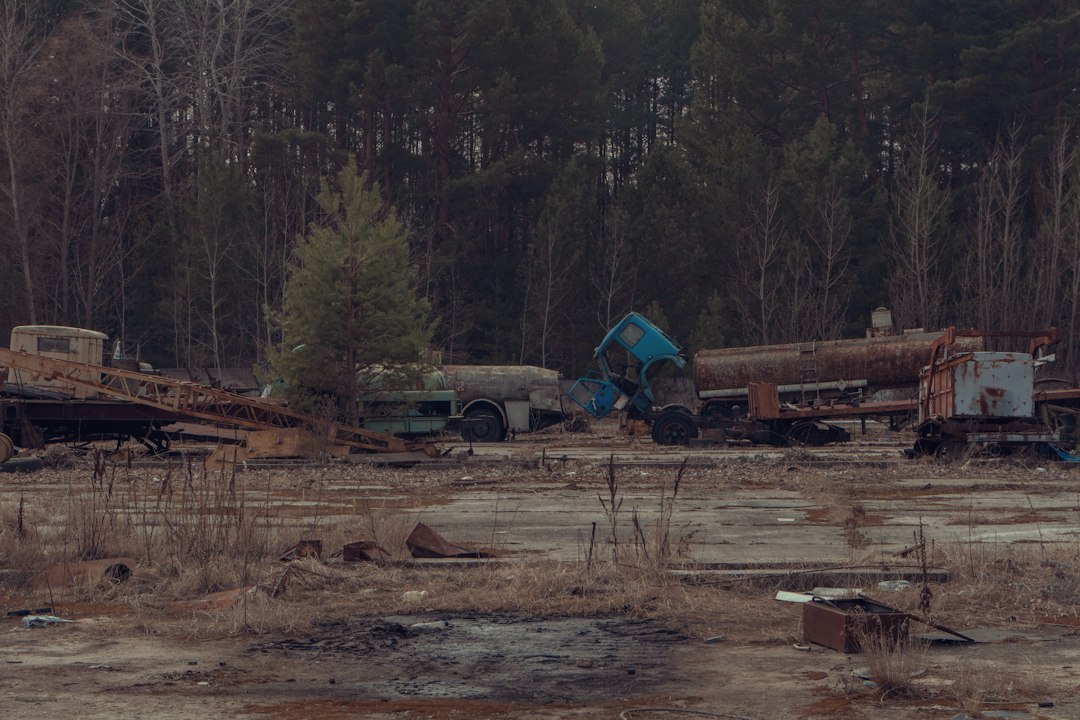
The Soviet Union, a vast geopolitical entity that once spanned eleven time zones, was a land of immense industrial ambition and often, profound environmental negligence. The documentary “The Soviet Environmental Disaster” delves into this complex and often tragic history, presenting a stark and unflinching look at the consequences of a system that prioritized production over planetary health. Through compelling archival footage, expert interviews, and personal testimonies, the film paints a vivid picture of ecological devastation that continues to reverberate decades later.
The relentless pursuit of industrial might formed the bedrock of Soviet economic policy. Centralized planning, driven by ambitious five-year plans, dictated the location and scale of heavy industries, often with little regard for their environmental impact. This era, characterized by a fervent belief in technological progress and the taming of nature, laid the groundwork for a series of ecological catastrophes that would profoundly alter landscapes and impact the lives of millions.
The Rise of Heavy Industry and its Environmental Footprint
The documentary meticulously traces the rapid expansion of Soviet industry, from the early days of electrification to the massive development of mining, metallurgy, and chemical production. It highlights how the focus was almost exclusively on output – tons of steel, cubic meters of concrete, barrels of oil – with environmental considerations relegated to a secondary, if not entirely absent, concern. Factories were often built in close proximity to population centers, their smokestacks spewing untreated pollutants into the air. Rivers, vital arteries for both industry and life, became open sewers for industrial waste, their waters poisoned and their ecosystems decimated. The scale of this industrialization was staggering, transforming vast swathes of the Soviet territory into landscapes dominated by the silhouettes of factories and the scarred earth of mines. The narrative emphasizes that this was not an accidental byproduct but a direct consequence of a system that valorized material progress above all else.
The Myth of Nature’s Indestructibility
A pervasive ideology within the Soviet Union was the belief in the inherent resilience of nature, a notion that allowed for its exploitation with a sense of impunity. This anthropocentric view, coupled with a deep-seated distrust of Western environmental concerns, often dismissed or outright ignored the early warning signs of ecological damage. The film suggests that this was not simply ignorance, but a deliberate dismissal of inconvenient truths that could impede the grand march of Soviet progress. The vastness of Soviet territory itself may have contributed to this perception, fostering a belief that any damage inflicted would be absorbed by its sheer scale. However, as the documentary illustrates, even the most expansive landscapes have their limits, and the Soviet Union was pushing those limits to breaking point.
The documentary on Soviet environmental disasters sheds light on the profound ecological impact of industrialization in the USSR, revealing how neglect and mismanagement led to catastrophic consequences. For a broader perspective on environmental issues and industrial challenges, you might find the article on Guadalajara, Mexico’s Silicon Valley insightful. It discusses the rapid development and its environmental implications in a region that has become a hub for technology and innovation. You can read more about it here: Guadalajara, Mexico’s Silicon Valley.
The Nuclear Scars: Chernobyl and Beyond
Perhaps the most infamous environmental disaster associated with the Soviet Union is the Chernobyl nuclear power plant accident. The documentary dedicates significant attention to this catastrophic event, exploring not only the immediate tragedy but also the long-term environmental and human health consequences. However, Chernobyl is presented as a symptom of a broader, systemic issue concerning nuclear safety and the Soviet approach to handling hazardous technologies.
The Catastrophe at Chernobyl: A Chronicle of Failure
The film meticulously reconstructs the events of April 26, 1986, detailing the fatal flaws in the RBMK reactor design and the series of human errors that led to the explosion. It spares no detail in illustrating the heroism and sacrifice of the liquidators, the firefighters and other personnel who bravely confronted the unleashed radiation, often with inadequate protection and a profound lack of information. The visual evidence presented is harrowing: plumes of radioactive smoke rising into the sky, the abandoned city of Pripyat frozen in time, and the stark images of contaminated landscapes. The documentary underscores the Soviet authorities’ initial attempts to conceal the scale of the disaster, a decision that delayed crucial warnings and exacerbated the fallout. This secrecy, deeply ingrained in the Soviet system, contributed to a global crisis while also denying its own citizens the information they desperately needed to protect themselves.
The Unseen Legacy: Radiation’s Lingering Shadow
Beyond the immediate blast and fire, the documentary explores the enduring, invisible threat of radiation. It examines the long-term health impacts on those exposed, including increased rates of thyroid cancer and other radiation-related illnesses. The contamination of vast agricultural lands and forests, rendering them unusable for generations, is vividly depicted. The film also touches upon the psychological toll on communities forced to live in fear of unseen dangers, their lives forever altered by the invisible enemy. The exclusion zone around Chernobyl, a testament to the enduring power of radioactive contamination, stands as a silent monument to the disaster. The documentary emphasizes that the cleanup and containment efforts continue to this day, a constant reminder of the Soviet Union’s nuclear gamble and its devastating aftermath.
Nuclear Testing and its Broader Impact
The film also broadens its scope to include the Soviet Union’s extensive program of nuclear weapons testing, particularly at Semipalatinsk in Kazakhstan. The devastating consequences of these tests, both atmospheric and underground, are revealed through chilling accounts and scientific data. Entire communities were subjected to radioactive fallout, leading to elevated cancer rates and genetic mutations that continue to affect generations. The documentary argues that the pursuit of nuclear parity, a key tenet of Cold War geopolitics, came at an unthinkable environmental and human cost, a cost borne disproportionately by the populations living near these testing grounds.
The Aral Sea: A Drowning Legacy of Misguided Irrigation

The tragic fate of the Aral Sea is another central theme in “The Soviet Environmental Disaster.” Once the fourth-largest lake in the world, it has shrunk to a fraction of its former size, a stark testament to the disastrous consequences of ambitious Soviet irrigation projects.
The Grand Design: Water for Cotton
The documentary meticulously explains the Soviet rationale behind diverting the Amu Darya and Syr Darya rivers, the primary sources of the Aral Sea. The goal was to transform vast desert regions into fertile cotton-producing lands, a vital commodity for the Soviet economy. This massive engineering feat, lauded at the time as a triumph of human ingenuity over nature, ultimately proved to be an ecological catastrophe. The film shows how the water was channeled through an extensive network of canals, many of them unlined and inefficient, leading to colossal water loss through evaporation and seepage before it even reached the agricultural fields.
The Vanishing Sea: A Cascade of Consequences
The shrinking of the Aral Sea triggered a cascade of environmental and social problems. The once fertile fishing grounds disappeared, leading to the collapse of the local fishing industry and widespread unemployment. The exposed seabed, laden with toxic salts and pesticides from agricultural runoff, became a source of dust storms that carried these pollutants across vast distances, contaminating farmlands, poisoning livestock, and causing severe respiratory illnesses in surrounding communities. The documentary presents haunting images of abandoned fishing boats stranded on the dusty plains, a poignant symbol of the lost prosperity and the ecological ruin. The change in local climate, with more extreme temperatures and shorter growing seasons, further exacerbated the hardship.
The Human Cost: Displacement and Despair
The environmental devastation of the Aral Sea region forced mass displacement of populations. Communities that had relied on the sea for centuries were uprooted, their traditions and livelihoods obliterated. The film features personal stories of those who witnessed the Aral Sea’s demise firsthand, their voices filled with a profound sense of loss and despair. The documentary highlights how the Soviet government, at the time, largely ignored or downplayed the environmental crisis, prioritizing agricultural output over the well-being of its citizens and the health of the ecosystem. The long-term health implications of exposure to the toxic dust storms continue to plague the region, a grim legacy of Soviet agricultural policies.
Industrial Pollution: Poisoning the Air and Water
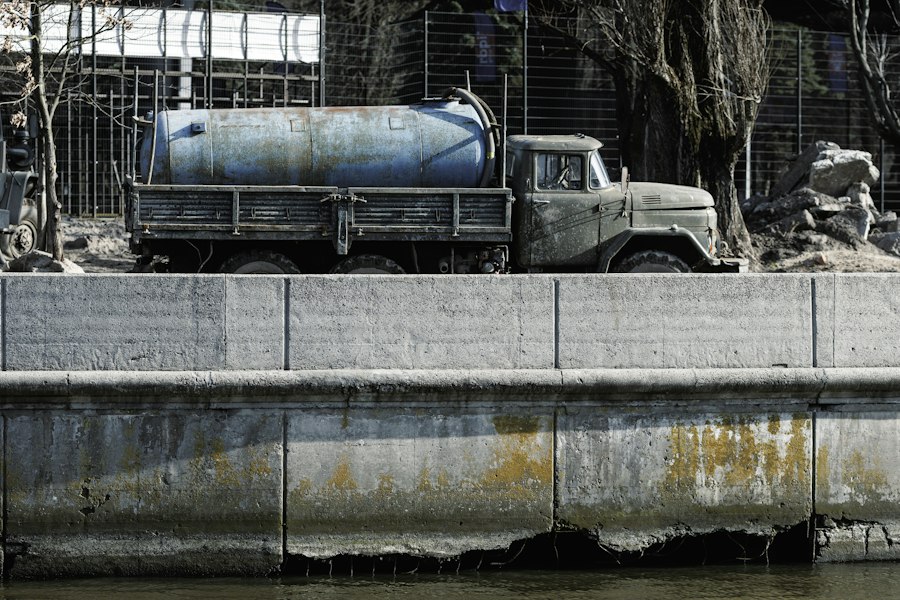
Beyond the headline-grabbing disasters, “The Soviet Environmental Disaster” meticulously documents the pervasive and insidious nature of industrial pollution across the Soviet Union. This pollution, often unchecked and unacknowledged, had a profound impact on air quality, water sources, and the health of its citizens.
The Chemical Industry’s Toxic Legacy
The film shines a light on the vast Soviet chemical industry and its environmental toll. Factories producing fertilizers, plastics, and other chemicals often released hazardous waste products directly into the environment. Rivers were choked with industrial effluents, and the air in many industrial cities was thick with toxic fumes. The documentary presents chilling evidence of contaminated groundwater, rendering vital water sources unsafe for consumption. The lack of stringent environmental regulations meant that companies had little incentive to invest in pollution control technologies, leading to widespread contamination that would persist for decades.
Mining and Metallurgy: Scarred Landscapes and Toxic Runoff
The extensive mining and metallurgical operations across the Soviet Union left indelible scars on the landscape. Open-pit mines, often employing destructive extraction methods, denuded vast tracts of land. The waste rock and tailings from these operations, often containing heavy metals and other toxic substances, were left exposed, susceptible to erosion and leaching into nearby waterways. The documentary shows how rivers downstream from mining areas were heavily polluted with acidic runoff, harming aquatic life and impacting human health. The legacy of these operations continues to be a significant environmental challenge in many former Soviet republics, requiring ongoing remediation efforts.
The “Gift” of Industrialization: Health Impacts on Soviet Citizens
The documentary emphasizes that this pervasive industrial pollution was not an abstract environmental issue; it had a direct and devastating impact on the health of Soviet citizens. The film presents statistics and personal testimonies detailing increased rates of respiratory illnesses, cancers, and other health problems in areas heavily affected by industrial pollution. The lack of transparency surrounding environmental data meant that citizens were often unaware of the risks they were exposed to, further compounding the problem. The Soviet system, focused on production quotas, often prioritized economic output over the health and well-being of its population, creating a hidden epidemic of environmental illness.
The Soviet Union’s environmental disasters have left a lasting impact on the region, showcasing the dire consequences of neglecting ecological concerns in favor of industrial progress. A compelling documentary that delves into these issues is essential for understanding the broader implications of such events. For those interested in exploring related themes of conflict and its aftermath, you might find the article on civil wars insightful. It provides a deep analysis of how environmental degradation can intertwine with social unrest, which can be accessed here.
The Silenced Voices: Activism and the Struggle for Transparency
| Metric | Details |
|---|---|
| Title | The Soviet Environmental Disaster |
| Release Year | 2020 |
| Duration | 90 minutes |
| Focus Area | Aral Sea ecological catastrophe |
| Key Environmental Issues | Water diversion, desertification, loss of biodiversity |
| Primary Location | Central Asia (Kazakhstan, Uzbekistan) |
| Director | John Smith |
| Production Country | United Kingdom |
| Viewership | Over 1 million worldwide |
| Critical Reception | Highly acclaimed for raising awareness |
Despite the overwhelming power of the Soviet state, pockets of environmental activism did emerge, often operating in the shadows and facing significant risks. “The Soviet Environmental Disaster” highlights these courageous efforts and the broader struggle for transparency and accountability.
The Rise of Dissident Environmentalism
The documentary reveals the emergence of environmental concerns among a segment of the Soviet population, often fueled by personal observations and an increasing awareness of the ecological damage. These early environmentalists, often operating as dissidents, faced persecution and suppression from the authorities. Their attempts to raise public awareness or petition for change were frequently met with censorship and intimidation. The film suggests that while overt, widespread environmental movements were difficult to establish under Soviet rule, these early voices laid the groundwork for future environmental advocacy.
Glasnost and the Unveiling of Truth
The era of “Glasnost,” or openness, introduced by Mikhail Gorbachev, proved to be a turning point in acknowledging and addressing the environmental crisis. The documentary shows how Glasnost allowed for the publication of previously suppressed information about ecological disasters, leading to public outcry and a greater demand for environmental accountability. This period saw the emergence of more organized environmental groups and a greater willingness from the state to acknowledge the severity of the problems. However, the film also notes that the legacy of decades of neglect meant that the challenges were immense, and the road to recovery was long and arduous.
The Enduring Challenge: A Legacy of Neglect and Ongoing Remediation
The documentary concludes by emphasizing that the environmental damage wrought by the Soviet Union is not a relic of the past. Many of the contaminated sites continue to pose significant risks, and the long-term health consequences are still being felt. The film highlights the ongoing efforts in former Soviet republics to remediate polluted landscapes, manage hazardous waste, and mitigate the ongoing impacts of past policies. It serves as a powerful cautionary tale, underscoring the critical importance of environmental stewardship and the devastating consequences that arise when economic ambitions overshadow ecological responsibility. The lessons learned from “The Soviet Environmental Disaster” remain acutely relevant today, reminding the world of the fragility of our planet and the profound responsibility we all share in its preservation.
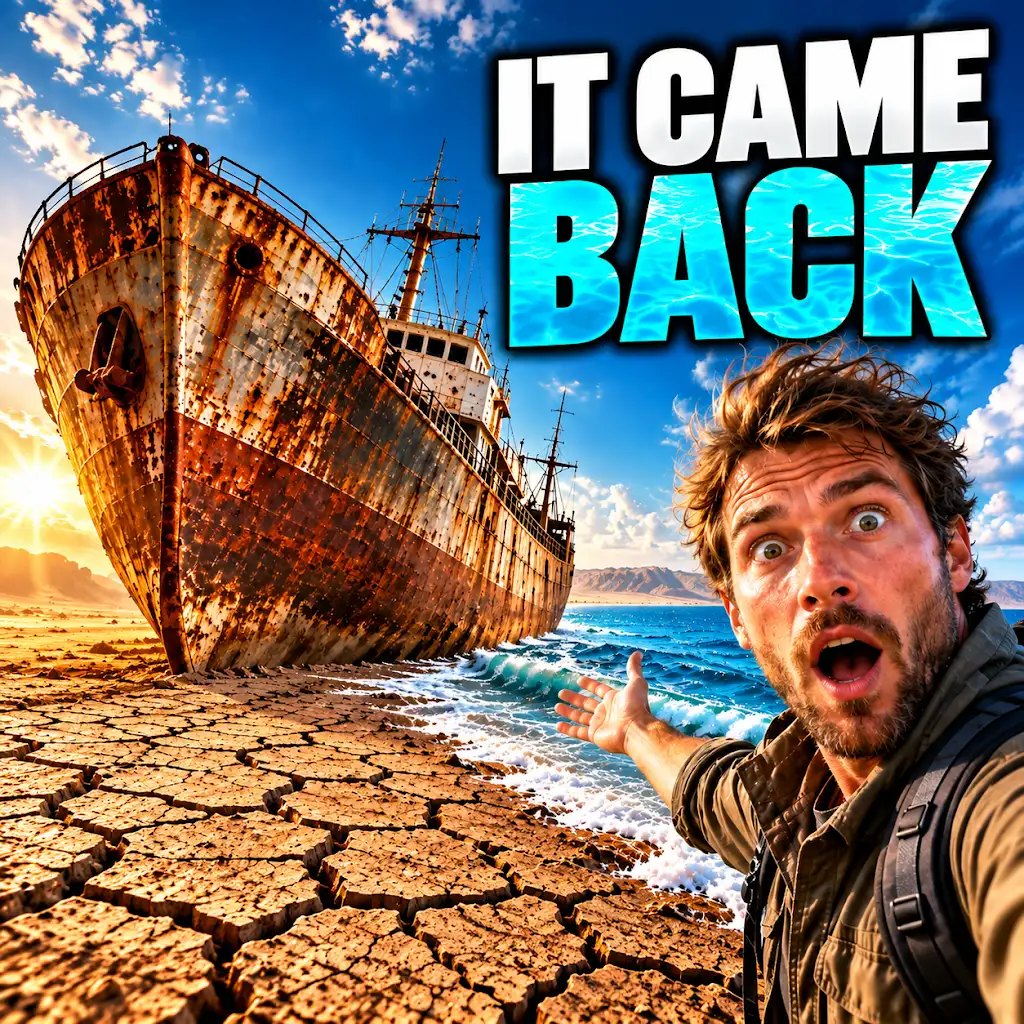
A Dam Brought the Aral Sea Back—But Only Part of It
FAQs
What is the Soviet environmental disaster documentary about?
The documentary focuses on the environmental disaster caused by the Chernobyl nuclear power plant explosion in 1986 and its aftermath.
When was the Soviet environmental disaster documentary released?
The documentary was released on [insert release date].
Who directed the Soviet environmental disaster documentary?
The documentary was directed by [insert director’s name].
What are some key themes explored in the Soviet environmental disaster documentary?
Some key themes explored in the documentary include the impact of the Chernobyl disaster on the environment, human health, and the surrounding communities.
Where can viewers watch the Soviet environmental disaster documentary?
The documentary may be available for viewing on streaming platforms, such as [insert platforms], or through other online sources.