The Aral Sea, once the world’s fourth-largest lake, has become a stark monument to human ambition gone awry. Its transformation from a vibrant, life-sustaining body of water into a desolate, saline desert is a tragic story that serves as a potent cautionary tale about the unintended consequences of large-scale environmental manipulation. The Soviet Union’s ambitious irrigation projects, driven by a fervent desire to transform arid landscapes into cotton-producing paradises, ultimately led to the Aral Sea’s catastrophic decline, leaving behind a legacy of ecological devastation and human suffering.
The allure of cotton, often dubbed “white gold,” held a powerful sway over Soviet agricultural policy. The vast, sun-drenched plains of Central Asia, though naturally arid, were seen as ideal for large-scale cotton cultivation. The Soviet government, under a centralized planning system that prioritized production quotas and ideological advancement, embarked on an ambitious program to irrigate these lands, believing it would bring prosperity and self-sufficiency to the region.
The Genesis of the Amu Darya and Syr Darya Projects
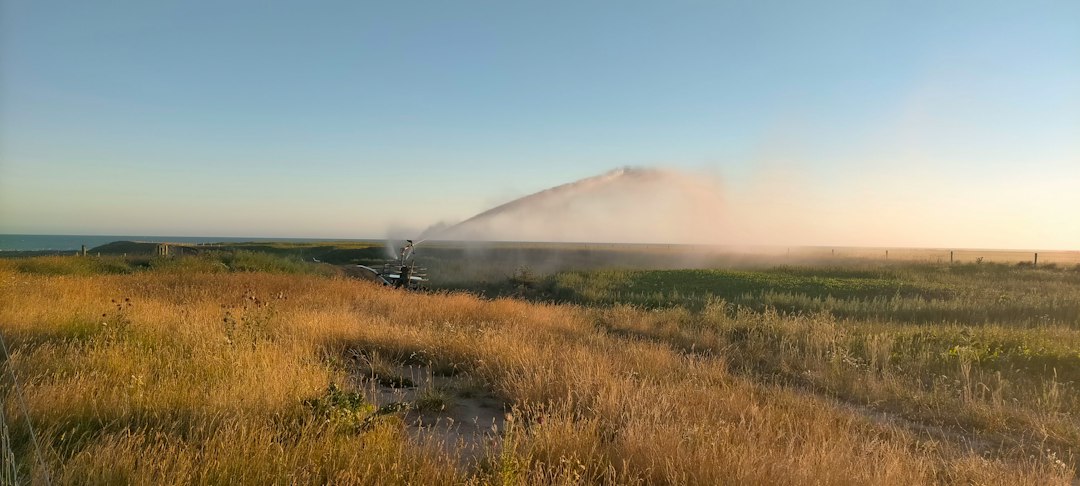
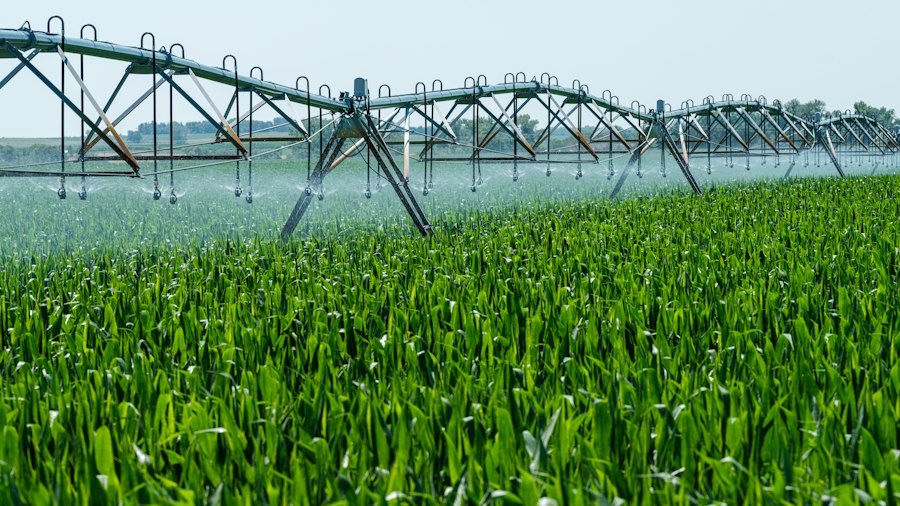
The cornerstone of this ambitious endeavor was the diversion of the two mighty rivers that fed the Aral Sea: the Amu Darya and the Syr Darya. These rivers, originating in the Pamir and Tien Shan mountains respectively, were the lifeblood of the Aral Sea, carrying precious fresh water across thousands of kilometers to replenish its vast expanse. The Soviet government envisioned a network of canals and reservoirs that would channel these waters to thirsty cotton fields, transforming barren steppes into lush green expanses.
The Karakum Canal: A Monumental Undertaking
Perhaps the most significant of these diversion projects was the Karakum Canal, also known as the Turkmen Desert Irrigation System. This colossal undertaking, initiated in the 1950s, was designed to bring water from the Amu Darya to the Kara-Kum Desert in Turkmenistan, a region largely unsuitable for agriculture. The canal, stretching over 1,300 kilometers, was one of the longest irrigation canals in the world. Its construction involved immense human labor and engineering prowess, pushing the boundaries of what was thought possible. The stated goal was to create fertile lands for cotton and other crops, thereby boosting agricultural output for the Soviet Union.
The Syr Darya’s Fate: A Similar Story
The Syr Darya, the other major tributary of the Aral Sea, was also subjected to extensive irrigation schemes. Numerous dams, reservoirs, and canals were built along its course, primarily in Uzbekistan and Kazakhstan. These projects aimed to irrigate vast tracts of land for cotton production and to support other agricultural endeavors. Like the Amu Darya, the Syr Darya’s waters were increasingly siphoned off, leaving less and less to flow into the Aral Sea.
The Rationale Behind the Grand Vision
The Soviet leadership, driven by a belief in the power of socialist planning and a relentless pursuit of economic growth, saw these irrigation projects as a means to achieve multiple objectives.
Ideological Imperatives and Agricultural Self-Sufficiency
At its core, the grand irrigation plan was deeply rooted in Soviet ideology. The ability to transform arid deserts into fertile farmland was presented as a triumph of human will and socialist ingenuity over nature. It was a potent symbol of progress and a testament to the Soviet Union’s capacity to overcome any obstacle. Furthermore, the desire for agricultural self-sufficiency, particularly in crucial crops like cotton, was a major driving force. Relying on imports was seen as a weakness, and the ability to produce cotton domestically was considered a matter of national pride and economic security.
Economic Gains and Production Quotas
Cotton was a significant export commodity for the Soviet Union, generating much-needed foreign currency. Meeting and exceeding production quotas was paramount for regional and national economic targets. The irrigation projects were therefore viewed as a direct investment in boosting economic output and fulfilling these ambitious targets. The promise of increased yields and profitable harvests overshadowed any potential environmental concerns, which were largely unacknowledged or dismissed by the centralized planning apparatus.
The Aral Sea disaster, a poignant example of environmental mismanagement, highlights the consequences of the Soviet Union’s ambitious irrigation projects that diverted rivers feeding the sea. As the water levels plummeted, the once-thriving fishing industry collapsed, leading to economic and ecological devastation in the region. For a broader understanding of how such environmental crises can impact global markets, you can explore a related article discussing economic trends in the face of significant environmental changes at this link.
The Slow Shrinking: A Visible Decline
As the irrigation canals proliferated and the demand for water from cotton fields grew, the Aral Sea began to shrink with alarming rapidity. What was once a gradual process of natural fluctuation turned into a catastrophic decline, visible to all who lived in its vicinity. The consequences of this diminishing water supply were profound and far-reaching, affecting not only the environment but also the livelihoods and health of the surrounding populations.
The Aral Sea’s Retreat: A Stark Visual Transformation
The most immediate and striking consequence was the physical shrinkage of the Aral Sea. Maps and satellite imagery from the mid-20th century contrasted sharply with those from the late 20th and early 21st centuries. The once vast lake fragmented into smaller, isolated bodies of water. Shorelines receded by tens, then hundreds, of kilometers. Entire islands that were once submerged emerged, bearing testament to the sea’s dramatic retreat.
The Emergence of the Aralkum Desert
The exposed seabed, once teeming with marine life and covered by water, began to dry and crack. This vast expanse of barren, saline land became known as the Aralkum Desert. This new desert was not a natural phenomenon but a direct consequence of the sea’s demise. It became a stark visual reminder of the ecological catastrophe that had unfolded.
The Fragmentation of the Sea
The Aral Sea did not simply shrink uniformly; it broke apart. The main body of the sea split into the North Aral Sea and the South Aral Sea. The South Aral Sea, receiving less water from the Amu Darya, suffered the most severe decline and eventually divided into even smaller remnants. This fragmentation led to different rates of salinization and ecological collapse in different parts of the former lake.
The Rising Salt Levels: A Toxic Legacy
As the volume of water in the Aral Sea decreased, the concentration of salts and minerals increased. This process of salinization made the water increasingly toxic, rendering it unsuitable for most forms of life that had once thrived there.
Impact on Marine Ecosystems
The once rich marine ecosystem of the Aral Sea, which supported a thriving fishing industry, was decimated. Fish species, accustomed to a specific salinity range, could not survive the rapidly increasing salt levels. The once abundant catches of carp, sturgeon, and pike dwindled to nothing. The vibrant ecosystem collapsed, leaving behind a barren, hypersaline environment.
The Salinization of Surrounding Lands
The saline dust carried from the exposed seabed also contributed to the salinization of agricultural lands surrounding the Aral Sea. This further degraded the quality of the soil, making it more difficult to cultivate crops, ironically undermining the very purpose of the irrigation projects.
The Ecological Collapse: A Chain Reaction of Devastation
The shrinking of the Aral Sea triggered a devastating chain reaction of ecological consequences, impacting biodiversity, climate, and the overall health of the region. The interconnectedness of the ecosystem meant that the demise of the lake had ripple effects far beyond its immediate shores.
Loss of Biodiversity: A Silent Extinction
The Aral Sea was once a haven for a diverse array of plant and animal life. Its ecological collapse led to the extinction or near-extinction of numerous species.
The Fishing Industry’s Demise
The collapse of the fish stocks was perhaps the most immediate and tangible loss. Fishing communities, which had relied on the Aral Sea for their livelihoods for generations, were left with nothing. Port cities like Aralsk, once bustling hubs of maritime activity, became ghost towns, their docks leading to a dusty, dry expanse.
Impacts on Bird and Mammal Populations
The degradation of the Aral Sea’s ecosystem also had a profound impact on bird and mammal populations that depended on it for food and habitat. Migratory birds that used the Aral Sea as a resting and feeding stop were forced to find new routes or perished. Mammals that grazed on the vegetation sustained by the sea’s moisture also suffered from the changing environment.
The Altered Climate: A Hotter, Drier Reality
The Aral Sea, with its vast surface area, played a significant role in moderating the regional climate. Its disappearance led to noticeable changes, making the area hotter in the summer and colder in the winter, and increasing the frequency of dust storms.
Temperature Extremes
The moderating influence of the large body of water was lost. Summers became hotter and more prolonged, while winters grew colder and harsher. This made life even more difficult for the inhabitants of the region, impacting agriculture and human health.
Increased Dust Storms and Their Consequences
The exposed seabed, composed of dry, saline soil, became a source of intense dust storms. These storms, laden with salt, pesticides, and other toxic chemicals from the former agricultural lands, were a major health hazard and further contributed to environmental degradation.
The Human Toll: Health Crises and Economic Hardship

The environmental devastation wrought by the Aral Sea’s decline had a direct and devastating impact on the human populations living in the surrounding regions. Health crises, economic hardship, and social displacement became the grim reality for millions.
Health Impacts: A Toxic Legacy for the Living
The dust storms carrying salt, pesticides, and other industrial pollutants from the exposed seabed had severe health consequences for the local population. Respiratory illnesses, cancers, and birth defects became alarmingly prevalent.
Respiratory Diseases and Cancers
Inhaling the fine particles of salt and chemicals from the dust storms led to a significant increase in respiratory diseases such as asthma and bronchitis. The presence of pesticides and other contaminants in the dust was also linked to higher rates of various cancers, including liver and lung cancer, as well as a rise in gastrointestinal and gynecological problems.
Increased Infant Mortality and Birth Defects
The overall decline in health and the prevalence of toxic substances in the environment contributed to increased infant mortality rates and a higher incidence of birth defects in the affected regions. The future generations were bearing the brunt of the environmental disaster.
Economic Hardship and Social Displacement: The End of Livelihoods
The collapse of the fishing industry and the degradation of agricultural lands led to widespread economic hardship. Many communities, once prosperous, were plunged into poverty.
The Collapse of Fishing Communities
As mentioned earlier, the fishing industry, the backbone of many coastal towns, vanished. This led to mass unemployment and the abandonment of traditional ways of life. Entire communities were forced to migrate in search of work and a better future, leading to social fragmentation.
Agricultural Setbacks and Food Insecurity
While the irrigation projects were intended to boost agriculture, the resulting salinization and desertification of surrounding lands led to a decline in crop yields. This created food insecurity and further exacerbated the economic challenges faced by the region.
The Aral Sea disaster serves as a stark reminder of the environmental consequences of misguided irrigation practices during the Soviet era. As vast amounts of water were diverted from rivers to support cotton production, the once-thriving sea shrank dramatically, leading to ecological and economic collapse in the region. For those interested in exploring how ancient civilizations managed their water resources, a related article discusses the fortification secrets of an ancient city, which can provide insights into historical water management techniques. You can read more about it in this article.
The Lingering Questions and Faint Hopes for Recovery
| Metric | Value | Details |
|---|---|---|
| Original Surface Area of Aral Sea (1960) | 68,000 km² | One of the world’s largest inland seas before irrigation projects |
| Current Surface Area (2020s) | ~10,000 km² | Reduced to less than 15% of original size |
| Water Diversion Start | 1960s | Soviet irrigation projects diverted Amu Darya and Syr Darya rivers |
| Decrease in Water Volume | ~90% | Massive shrinkage due to river diversion for cotton farming |
| Increase in Salinity | Up to 10 times | Salinity rose from 10 g/L to over 100 g/L in some parts |
| Loss of Fish Species | ~24 species | Many native fish species became extinct or endangered |
| Population Affected | ~1.5 million | People dependent on fishing and agriculture impacted |
| Health Issues | High incidence | Respiratory diseases and cancers linked to toxic dust from dried seabed |
| Area of Exposed Seabed | ~30,000 km² | Dried seabed left toxic salt and chemical residues |
| Major Crops Affected | Cotton, Wheat | Soil salinization reduced agricultural productivity |
The tragedy of the Aral Sea serves as a stark reminder of the delicate balance of ecosystems and the potentially catastrophic consequences of human interference. While the damage is immense, there are ongoing efforts to mitigate the disaster and some faint glimmers of hope for partial recovery.
Lessons Learned and International Efforts
The Aral Sea disaster has become a globally recognized case study in environmental mismanagement. It has spurred research and international cooperation to address transboundary water issues and promote sustainable practices.
The Aral Sea Basin Program
Since the dissolution of the Soviet Union, various international organizations and the newly independent Central Asian nations have collaborated on the Aral Sea Basin Program. This program aims to coordinate efforts to manage water resources more sustainably, restore ecosystems, and improve the socio-economic conditions of the affected populations.
A Global Cautionary Tale
The story of the Aral Sea is now a cornerstone of environmental education worldwide. It is used to illustrate the dangers of unchecked development, the importance of ecological considerations in policy-making, and the long-term consequences of prioritizing short-term economic gains over environmental sustainability.
The North Aral Sea’s Modest Revival: A Beacon of Hope?
In a remarkable and largely successful effort, the North Aral Sea has experienced a degree of recovery, thanks to a dam built with the assistance of the World Bank.
The Kok-Aral Dam and its Impact
The construction of the Kok-Aral Dam in 2005, which separates the North Aral Sea from the more saline and degraded South Aral Sea, has been instrumental in this recovery. The dam allows for better management of water flow from the Syr Darya into the North Aral Sea.
Signs of Ecological Restoration
Since the dam’s completion, the water level in the North Aral Sea has risen significantly, and its salinity has decreased. This has allowed some fish species to return, and the local fishing industry has seen a modest resurgence. While it is a fraction of its former glory, this partial revival offers a tangible example of how environmental damage can, at least partially, be reversed with dedicated effort and resources.
The Unresolved Challenges of the South Aral Sea
The fate of the South Aral Sea remains a far more complex and dire challenge. Its vastness and the continued diversion of the Amu Darya make a full recovery highly improbable.
The Scale of the Challenge
The sheer scale of the desertification and salinization of the South Aral Sea region presents an immense challenge. Reversing these processes would require unprecedented efforts and resources, and the long-term impacts of accumulated pollutants are a serious concern.
The Future of the Aral Sea: A Continuous Struggle
The Aral Sea remains a symbol of both human folly and the enduring resilience of nature. The struggle for its recovery is ongoing, a testament to the profound and lasting consequences of ambitious, yet ultimately flawed, environmental engineering. The lessons learned from its tragic demise continue to echo, urging a more cautious and sustainable approach to human interaction with the natural world.

A Dam Brought the Aral Sea Back—But Only Part of It
FAQs
What was the Soviet irrigation system in relation to the Aral Sea?
The Soviet irrigation system involved diverting water from the two main rivers that fed the Aral Sea, the Amu Darya and Syr Darya, to support large-scale cotton production in the region.
How did the Soviet irrigation system contribute to the Aral Sea disaster?
The diversion of water for irrigation purposes led to a significant decrease in the water levels of the Aral Sea, causing it to shrink rapidly and leading to environmental and economic consequences for the region.
What were some of the environmental impacts of the Aral Sea disaster?
The shrinking of the Aral Sea resulted in the exposure of large areas of dried-up seabed, leading to the release of salt and toxic chemicals into the air, causing health problems for local residents and damaging the surrounding ecosystem.
What were some of the economic consequences of the Aral Sea disaster?
The shrinking of the Aral Sea led to the collapse of the local fishing industry, as well as a decline in agricultural productivity in the region, impacting the livelihoods of those dependent on these industries.
What efforts have been made to address the Aral Sea disaster?
Efforts have been made to restore the Aral Sea, including the construction of dams and reservoirs to help regulate water flow, as well as initiatives to promote sustainable water management practices in the region.