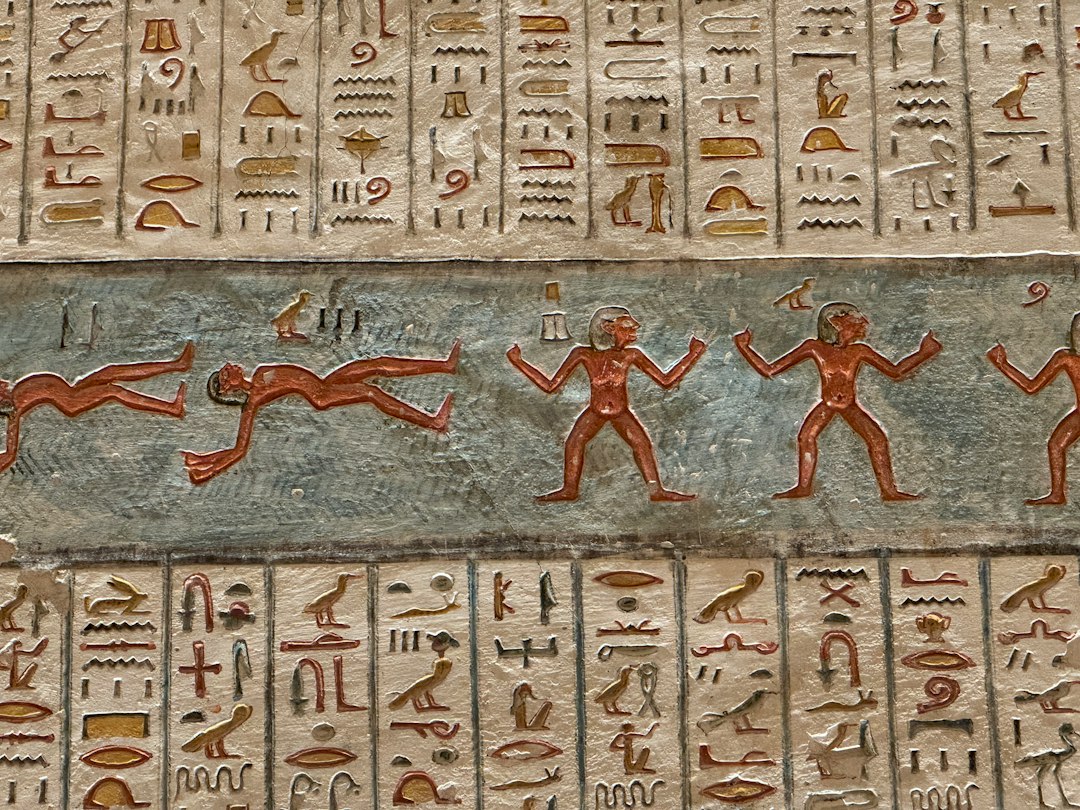
Echoes from the Dawn: Unraveling the Sumerian Creation Narrative
The story of humanity’s origins is a tapestry woven from countless threads of myth, philosophy, and scientific inquiry. Among the oldest and most profound of these narratives are the Sumerian creation accounts, etched onto clay tablets millennia ago in the fertile crescent of Mesopotamia. These ancient texts, unearthed by archaeologists and painstakingly deciphered by scholars, offer a glimpse into the worldview of a civilization that laid the groundwork for so much of subsequent human thought. The Sumerian understanding of creation, particularly concerning the genesis of humankind, is not a monolithic declaration but rather a complex and evolving tapestry of beliefs. These tablets, often fragmented and subject to interpretation, reveal a profound preoccupation with the divine, the cosmos, and humanity’s place within it.
At the heart of the Sumerian cosmogony lies a pantheon of powerful gods, each with their specific domains and responsibilities. The creation of humans, as depicted in these texts, is not an accident of nature but a deliberate act, born out of divine necessity and even, at times, a touch of divine frustration. These narratives speak of a world initially inhabited by the gods, a realm of celestial order and divine power, where humanity did not yet exist. The reasons for their eventual creation, and the circumstances surrounding it, are central to understanding the Sumerian perspective on human purpose and their relationship with the divine.
The Primordial Waters and the Birth of the Gods
Before the advent of humankind, the Sumerian cosmos was a watery expanse, a primordial chaos from which all existence eventually emerged. This foundational concept, common to many ancient creation myths, emphasizes a state of undifferentiated potential. From this watery abyss arose the primeval deities, the progenitors of the gods and, by extension, the universe itself. The most significant among these were Nammu, the sea goddess, often considered the mother of all, and her son, An, the god of the heavens, and Ki, the goddess of the earth. Their union, or separation, marked the establishment of the cosmos as a distinct realm, separating the celestial from the terrestrial.
This early stage of Sumerian cosmology is crucial because it establishes the divine order that would precede and ultimately facilitate the creation of humanity. The gods, born from these primordial waters, were the architects of existence. Their emergence signifies the beginning of structure and form, a transition from the formless to the formed. The tablets suggest that the gods themselves existed in a state of perpetual labor, ordering the cosmos, establishing boundaries, and maintaining the celestial equilibrium. This divine labor, as we shall see, would eventually lead to the need for their own relief.
The Sumerian tablets, which are among the earliest written records in human history, provide fascinating insights into the creation of humans according to ancient Mesopotamian mythology. These texts detail the gods’ motivations and methods for creating humanity, often intertwining themes of labor and divine purpose. For a deeper exploration of how ancient narratives influence modern perspectives, you can read an intriguing article that discusses the implications of historical myths in contemporary contexts at this link: Defending the Lunar Base: Consequences of an Attack.
The Burden of Divinity: The Gods’ Need for Labor
A recurring theme within the Sumerian creation narratives is the immense burden of labor that fell upon the gods. They were responsible for the upkeep of the universe: cultivating the earth, channeling rivers, and maintaining cosmic order. This divine toil, while essential for the existence of the world, was also depicted as arduous and unending. The gods, despite their power, were not depicted as beings of pure leisure. Instead, their existence was characterized by constant effort and the management of a vast and complex divine realm.
As the divine population grew, so too did the demands placed upon them. The gods found themselves overwhelmed by their tasks, the sheer magnitude of cosmic maintenance weighing heavily upon them. It is this growing weariness, this divine exhaustion, that directly precipitates the creation of humanity. The gods, in their collective wisdom and perhaps in a moment of divine pragmatism, recognized the need for a subservient workforce, beings who could alleviate their burdens and allow them to focus on more significant divine matters. This necessity, rather than pure benevolence, serves as the primary impetus for the creation of humankind in the Sumerian worldview.
The Crafting of Clay: The First Human Forms
The actual process of creating humans is described with a degree of detail that highlights the divine artistry involved. The gods, particularly Enki, the god of wisdom, crafts, and magic, and Ninhursag (also known as Ninmah or Nintu), the mother goddess, are central figures in this act of creation. The fundamental ingredient for humanity was clay, often derived from the rich soil of Mesopotamia, symbolizing humanity’s connection to the earth and their physical substance.
The tablets describe a ritualistic process. The gods would mix the clay with divine blood, a symbolic infusion of life and essence. Some interpretations suggest this blood was that of a slain god, perhaps a rebellious deity or a god specifically sacrificed for this purpose. This act of mixing blood with clay represents the imbuing of a lifeless substance with divine spark, a nascent form of sentience and will. The process was not a haphazard one; it was a deliberate, almost alchemical, undertaking, guided by the gods’ knowledge and intent.
The Purpose of Labor: Humanity’s Role as Servants
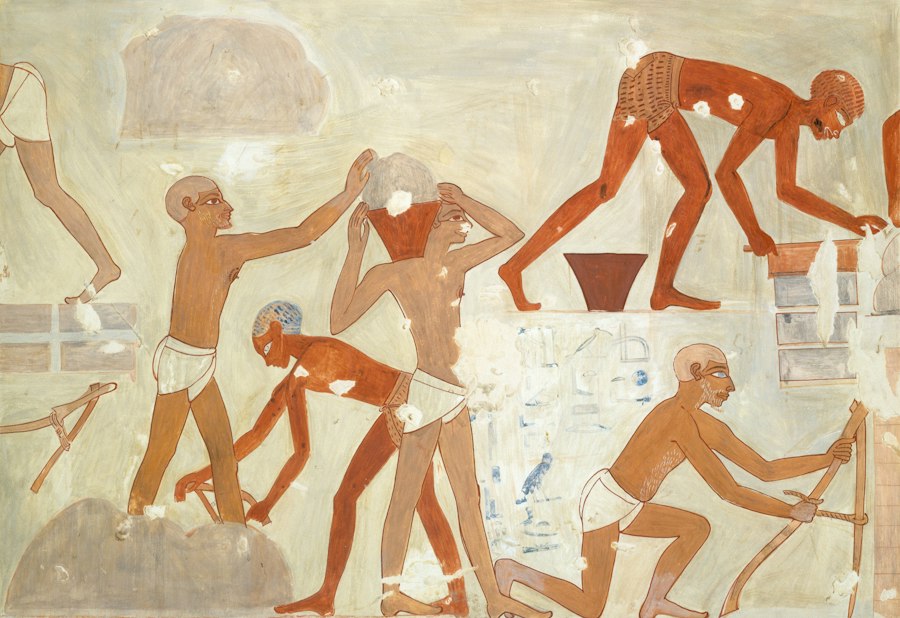
Once created, humanity’s purpose was unequivocally defined: to serve the gods. The tablets are quite explicit in this regard. Humans were fashioned to bear the yoke of divine labor, to till the fields, to irrigate the land, to slaughter animals, and to offer sacrifices. This was not a partnership of equals, but a hierarchical relationship where humanity existed for the benefit and sustenance of the divine. The gods, having created beings capable of performing these tasks, could then dedicate themselves to their own pursuits, the management of the cosmos, and the enjoyment of their divine existence.
This concept of humanity as laborers is a defining characteristic of the Sumerian creation narrative. It shapes their understanding of human life, implying a degree of preordained servitude. The cycles of birth, life, and death for humans were seen as intrinsically linked to their role in supporting the divine realm. While the gods provided the framework for existence, it was humanity’s labor that maintained that framework, ensuring the continued prosperity of both the mortal and the divine.
The Sumerian tablets provide fascinating insights into the ancient civilization’s beliefs about the creation of humans, often depicting them as crafted from clay by the gods. These narratives not only reflect the Sumerians’ understanding of their origins but also highlight their rich mythology and cultural practices. For those interested in exploring more about ancient civilizations and their mysteries, a related article discusses new discoveries that shed light on these topics. You can read more about it here.
Variations and Interpretations: The Evolving Sumerian Mythos
It is important to acknowledge that the Sumerian creation myths, as preserved on clay tablets, are not always consistent. Over time, and across different regions and scribal traditions, variations and elaborations emerged. Different tablets might emphasize different deities or offer slightly altered accounts of the creation process. This is a natural evolution of oral traditions being committed to writing and undergoing continuous reinterpretation.
One notable variation appears in the Atrahasis epic, which, while later and influenced by Akkadian traditions, draws heavily on earlier Sumerian themes. Atrahasis provides a more detailed account of the gods’ initial suffering and the specific reasons for their decision to create humans. It also delves into the consequences of humanity’s burgeoning numbers and the gods’ attempts to control or even eradicate them, a theme that underscores the inherent tension in the divine-human relationship.
Another aspect of interpretation revolves around the very nature of the “blood” used in the creation. While often interpreted as divine blood, some scholars suggest it could also represent the essence or “spirit” of a god, or even a symbolic representation of sacrifice and suffering. The ambiguity inherent in ancient languages and the fragmented nature of the surviving texts allow for multiple layers of understanding.
Furthermore, the Sumerian creation of humans is not solely focused on their physical genesis. It also touches upon the bestowal of intelligence, speech, and a capacity for worship. While their primary role was labor, they were not created as mere automatons. They were endowed with the ability to understand, to communicate, and to engage in religious practices, all of which served to further appease and honor the gods. This duality – of being both laborers and sentient beings capable of devotion – adds complexity to their creation.
The Sumerian creation narratives, despite their ancient origins, continue to resonate with profound questions about purpose, existence, and our place in the grand cosmic scheme. They offer a unique perspective on the relationship between the divine and the mortal, a perspective forged in the crucible of early civilization, and a testament to the enduring human impulse to understand where we came from and why we are here. The whispers from those clay tablets, carried across millennia, remind us that the stories we tell about our origins are as vital to our understanding of ourselves as any scientific discovery. They are the echoes from the dawn of human consciousness, still shaping how we perceive our place in the universe.
The Anunnaki Origin Story Changes When You Read the Tablets
FAQs
What are Sumerian tablets?
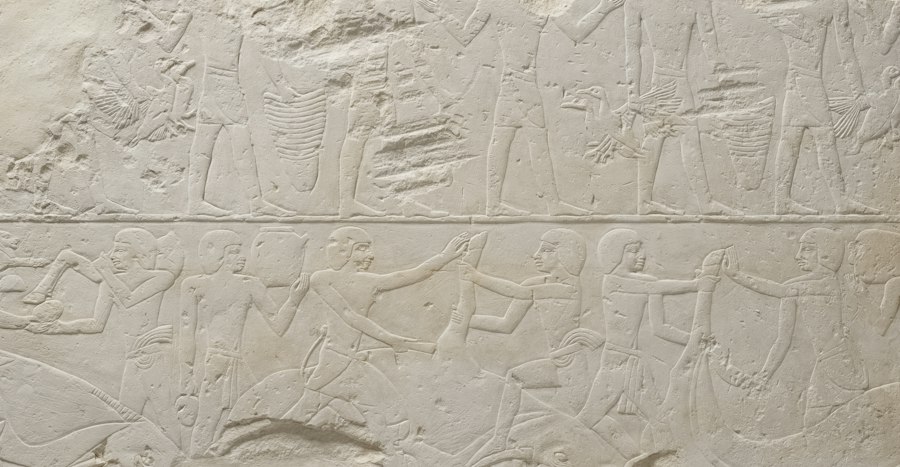
Sumerian tablets are ancient clay tablets inscribed with cuneiform script, the earliest known form of writing. These tablets were used by the Sumerians, who lived in Mesopotamia around 3500-1900 BCE, to record various aspects of their society, including myths, laws, and economic transactions.
What do the Sumerian tablets say about the creation of humans?
The Sumerian tablets contain various creation myths, including the story of how humans were created by the gods. One such myth involves the god Enki and the goddess Ninhursag creating humans out of clay to work as servants for the gods.
How do the Sumerian creation myths compare to other creation stories?
The Sumerian creation myths share similarities with other creation stories from different cultures, such as the Babylonian Enuma Elish and the biblical story of Adam and Eve. These myths often involve gods creating humans out of clay or dust and imbuing them with life.
What significance do the Sumerian creation myths hold?
The Sumerian creation myths provide insight into the religious beliefs and cosmology of the ancient Sumerians. They also offer a glimpse into how early civilizations explained the origins of humanity and the world around them.
Are there any controversies or debates surrounding the interpretation of Sumerian creation myths?
There are ongoing debates among scholars about the interpretation of Sumerian creation myths and their significance. Some scholars view these myths as purely symbolic or allegorical, while others see them as reflecting actual beliefs held by the ancient Sumerians.