
The Aral Sea, once a vast inland body of water shimmering under the Central Asian sun, now stands as a stark testament to ecological devastation. Its shrinkage, a slow but relentless process, has left behind a desolate, toxic wasteland, profoundly impacting the lives and livelihoods of the people who once depended on its bounty. The story of the Aral Sea is not merely an environmental tragedy; it is a human catastrophe, a chilling reminder of the unintended consequences of ambitious, yet flawed, human endeavors.
The seeds of the Aral Sea’s demise were sown in the mid-20th century, during the height of Soviet agricultural ambitions. Driven by a desire to transform the arid landscapes of Central Asia into fertile cotton-producing regions, Soviet planners initiated a series of ambitious irrigation projects. The rationale was straightforward: divert the waters of the two major rivers feeding the Aral Sea, the Amu Darya and the Syr Darya, to irrigate vast tracts of land for cotton cultivation, a highly profitable cash crop.
The Grandiose Vision of Soviet Agriculture
The Soviet Union, facing pressure to increase agricultural output and achieve self-sufficiency in key commodities like cotton, embarked on an unprecedented scale of agricultural engineering. The ideology of conquering nature and bending it to human will was prevalent, and the Aral Sea was seen as an expendable resource in the pursuit of this vision.
The Ambitious Amu Darya and Syr Darya Diversions
The construction of massive canals, including the Karakum Canal, began in the 1950s and continued for decades. These canals, some stretching for hundreds of kilometers, were designed to funnel water from the Amu Darya and Syr Darya to cotton fields across Uzbekistan and Turkmenistan. The scale of these diversions was staggering, and the efficiency of water usage was remarkably low, with significant amounts lost to evaporation and seepage.
The Illusion of Abundance and the Neglect of Consequences
At the time, the Aral Sea was the fourth largest lake in the world, and its immense size masked the impact of the river diversions. The focus was on maximizing cotton production, and the potential ecological repercussions were either underestimated or deliberately ignored. The long-term sustainability of such a massive diversion was not a primary concern for the planners.
The Aral Sea disaster in Uzbekistan has had profound environmental and socio-economic impacts, drawing attention to the consequences of mismanaged water resources. For a broader understanding of how global economic trends, such as nearshoring, can influence local job markets and environmental policies, you can read the article on the impact of nearshoring on American jobs at this link. This connection highlights the importance of sustainable practices in both local and global contexts.
The Unfolding Ecological Catastrophe
As the decades wore on, the consequences of the colossal water diversions became increasingly undeniable. The Aral Sea, starved of its vital water sources, began a dramatic and irreversible retreat. What was once a thriving ecosystem rapidly transformed into a barren and hostile environment.
The Dramatic Shrinkage of the Sea
The most visible manifestation of the disaster was the dramatic reduction in the Aral Sea’s surface area and volume. By the turn of the 21st century, the sea had shrunk to a fraction of its former size, splitting into several smaller, disconnected bodies of water. The once vibrant coastline receded for hundreds of kilometers, leaving behind vast expanses of salt-crusted desert.
The Aral Sea’s Diminishing Dimensions
The statistics are stark. The Aral Sea’s surface area decreased by over 90% between the 1960s and the early 2000s. Its volume plummeted by an even greater proportion. This rapid desiccation fundamentally altered the local climate and destroyed the delicate balance of the ecosystem.
The Formation of the Aralkum Desert
The exposed seabed, once teeming with life, became known as the Aralkum Desert. This new desert, a product of human intervention, is not a natural landscape but a toxic wasteland, laden with salt, pesticides, and industrial pollutants that had accumulated in the lake over decades.
The Devastation of the Marine Ecosystem
The Aral Sea was once a rich and productive fishing ground, supporting a diverse array of fish species and a thriving population of marine life. The rapid shrinkage and increasing salinity of the remaining water bodies led to the complete collapse of this ecosystem.
The Extinction of Native Fish Species
The indigenous fish populations, unable to adapt to the extreme changes in salinity and water quality, vanished. Species that had once been commercially important, such as sturgeon and carp, became extinct in the Aral Sea.
The Loss of Biodiversity
Beyond fish, the entire marine food web was disrupted. Bird populations that relied on the abundant fish stocks declined dramatically. The unique flora and fauna of the Aral Sea region were pushed to the brink of extinction.
The Human Cost: A Crisis of Health and Livelihood
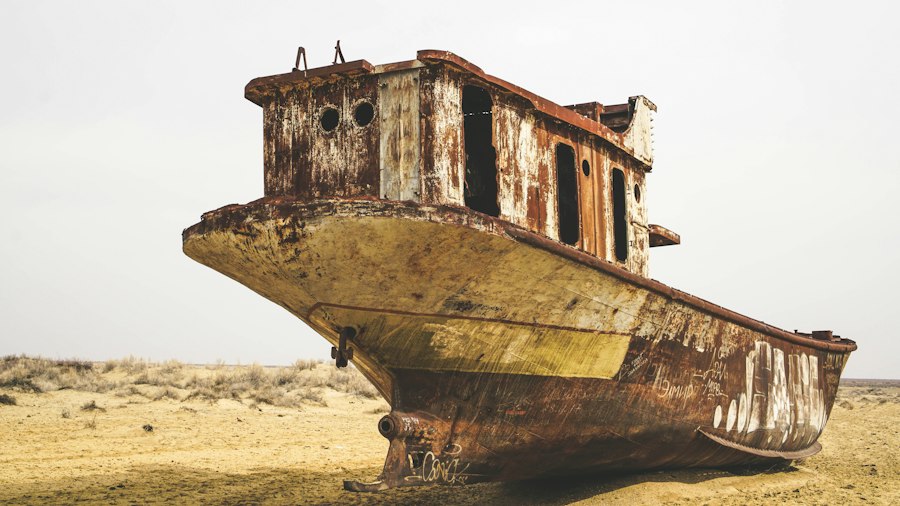
The ecological devastation of the Aral Sea had a profound and devastating impact on the human populations living in the surrounding regions, particularly in Uzbekistan. The loss of the sea meant the loss of livelihoods, the degradation of health, and the creation of a socio-economic crisis.
The Collapse of the Fishing Industry
For centuries, fishing was a cornerstone of the local economy. Coastal towns that once bustled with fishing fleets and fish processing plants became ghost towns, their ports lying dry and their inhabitants left with no means of sustenance.
Ghost Ports and Abandoned Communities
The once-vibrant port cities of Muynak and Aralsk, once bustling centers of commerce and community, are now poignant symbols of the disaster. Ships lie rusting on the desert floor, a stark reminder of the sea that once supported them. Generations of families who had made their living from the sea were forced to abandon their homes and seek work elsewhere, often in precarious conditions.
The Economic Ruin of Coastal Regions
The collapse of the fishing industry sent ripple effects throughout the local economies. Ancillary businesses, from boat manufacturers to ice producers, also perished. Unemployment soared, leading to widespread poverty and social instability.
The Escalation of Health Problems
The Aral Sea disaster unleashed a public health crisis of alarming proportions, primarily due to the toxic dust storms that now plague the region.
The Menace of Toxic Dust Storms
The exposed seabed of the Aralkum Desert is a source of persistent, toxic dust storms. These storms, laden with salt, sand, agricultural chemicals, and industrial pollutants, are carried by the wind for hundreds of kilometers, affecting not only the local populations but also extending their reach to neighboring countries and even further.
The Composition of the Toxic Dust
The dust contains a cocktail of harmful substances, including pesticides like DDT and lindane, heavy metals, and industrial waste. These toxins, once dissolved in the Aral Sea, are now concentrated in the dry sediments and are readily dispersed into the atmosphere.
The Impact on Respiratory Health
Exposure to these fine particles causes a wide range of respiratory illnesses, including chronic bronchitis, asthma, and tuberculosis. The incidence of these diseases has dramatically increased in the Aral Sea region.
Increased Incidence of Cancers and Other Diseases
Beyond respiratory ailments, the toxic dust is linked to higher rates of various cancers, particularly liver and esophageal cancer. Reproductive health issues, including birth defects and miscarriages, have also been reported with alarming frequency, raising concerns about the long-term genetic impacts of chronic exposure to these toxins.
The Worsening Water Scarcity and Food Insecurity
The diversion of river waters not only decimated the Aral Sea but also exacerbated existing water scarcity issues in the region. This, in turn, led to declining agricultural productivity and increased food insecurity for many communities.
Competition for Scarce Water Resources
The remaining water from the Amu Darya and Syr Darya is now heavily managed and often rationed. This creates intense competition between agricultural users, industrial needs, and the dwindling ecological requirements of the surviving river systems.
The Impact on Agriculture and Food Security
Communities that relied on irrigated agriculture found their water allocations reduced, leading to crop failures and reduced yields. This has had a direct impact on food availability and affordability, pushing many families into chronic food insecurity.
Efforts at Mitigation and the Lingering Challenges

In the face of this immense catastrophe, there have been efforts to mitigate the damage and explore potential solutions. However, the scale of the problem and the complex geopolitical factors involved present formidable challenges.
The North Aral Sea Restoration Project
One of the most significant and arguably most successful mitigation efforts has been the North Aral Sea Restoration Project, primarily focused on the northern section of the Aral Sea in Kazakhstan.
The Kokaral Dam: A Symbol of Hope
A key component of this project was the construction of the Kokaral Dam in 2005. This dam, built across the strait separating the northern Aral Sea from the southern, more saline sections, aimed to retain freshwater within the northern basin.
The Revival of the Northern Aral Sea
The dam has proven remarkably effective in raising the water level of the North Aral Sea and reducing its salinity. The ecological conditions in the northern section have shown signs of recovery, with some fish populations returning and fishing activities resuming on a small scale.
The Economic and Social Repercussions of Restoration
The partial restoration of the North Aral Sea has brought a glimmer of hope to the region, revitalizing local economies and improving the health of the communities. It serves as a powerful demonstration of what can be achieved with dedicated effort and investment, even in the face of such devastation.
Ongoing Challenges and the Fate of the South Aral Sea
Despite the successes in the north, the challenges in the larger, southern Aral Sea, which lies primarily in Uzbekistan, remain immense and largely unresolved.
The Southern Aral Sea: A Bleak Outlook
The southern Aral Sea, now significantly smaller and much more saline than its northern counterpart, faces a far more uncertain future. The sheer volume of water required to even partially restore it is a daunting prospect, given the ongoing demands on the Amu Darya.
The Complex Geopolitics of Water Management
The management of transboundary rivers like the Amu Darya and Syr Darya is inherently complex, involving multiple countries with competing interests. Reaching consensus on water allocation and diversion policies that would allow for significant Aral Sea replenishment is a major geopolitical hurdle.
The Need for Sustainable Water Management and International Cooperation
The Aral Sea disaster underscores the urgent need for a fundamental shift in how water resources are managed, both regionally and globally.
Rethinking Agricultural Practices and Water Efficiency
Moving towards more water-efficient agricultural practices, such as drip irrigation and the cultivation of less water-intensive crops, is crucial. Investing in technologies that reduce water loss and improve irrigation efficiency is paramount.
The Importance of International Collaboration
Addressing the Aral Sea crisis requires robust international cooperation. This includes shared responsibility for past actions, collaborative efforts in ecological restoration, and the establishment of equitable and sustainable water-sharing agreements among the riparian states.
The Aral Sea disaster in Uzbekistan serves as a stark reminder of the environmental consequences of mismanaged water resources and agricultural practices. For those interested in exploring how ancient civilizations also faced challenges with resource management, a fascinating article discusses the Antikythera mechanism and its intricate functions. You can read more about it in this insightful piece that highlights the ingenuity of past societies and their relationship with technology. To learn more, visit this article.
The Aral Sea as a Global Warning and a Lesson for the Future
| Metric | Value | Details |
|---|---|---|
| Original Size of Aral Sea (1960) | 68,000 km² | One of the four largest lakes in the world |
| Current Size (2020s) | ~10,000 km² | Reduced to less than 15% of original size |
| Water Level Drop | Over 20 meters | Significant decline due to river diversion |
| Main Cause | Irrigation Diversion | Soviet-era diversion of Amu Darya and Syr Darya rivers |
| Impact on Fisheries | 90% decline | Collapse of local fishing industry |
| Population Affected | ~1.5 million | People living in the Aral Sea basin |
| Health Issues | High incidence of respiratory diseases | Due to toxic dust from exposed seabed |
| Salinity Increase | Up to 10 times | Drastic rise in salt concentration |
| Restoration Efforts | Since 2005 | Construction of Kok-Aral Dam and other projects |
| Partial Recovery | North Aral Sea | Water levels rising due to dam construction |
The Aral Sea disaster is not an isolated incident but a stark global warning. It serves as a profound case study of the devastating environmental and human consequences that can arise from unsustainable resource management and the pursuit of short-term economic gains at the expense of long-term ecological health.
The Anthropocene and Human Impact on Earth Systems
The Aral Sea is a potent symbol of the Anthropocene, the current geological epoch characterized by significant human impact on Earth’s geology and ecosystems. It demonstrates how human actions, even with the best intentions, can lead to unintended and catastrophic consequences on a planetary scale.
The Interconnectedness of Ecosystems
The Aral Sea’s collapse highlights the intricate interconnectedness of natural systems. The diversion of rivers did not just affect the sea itself but also altered regional climates, impacted biodiversity far beyond its shores, and created cascading effects throughout the environment.
The Precautionary Principle in Environmental Policy
The Aral Sea disaster serves as a powerful argument for the adoption of the precautionary principle in environmental policy. This principle suggests that if an action or policy has a suspected risk of causing harm to the public or the environment, in the absence of scientific consensus that the action or policy is harmful, the burden of proof that it is not harmful falls on those taking an action.
The Ethical Imperative for Environmental Stewardship
Beyond the pragmatic concerns of resource management, the Aral Sea disaster raises profound ethical questions about humanity’s responsibility towards the environment and future generations.
The Right to a Healthy Environment
The people of the Aral Sea region have been denied their right to a healthy environment, a fundamental human right. Their suffering is a stark reminder of the social justice implications of environmental degradation.
Intergenerational Equity and Long-Term Sustainability
The choices made today have profound implications for future generations. The Aral Sea disaster highlights the critical importance of intergenerational equity, ensuring that our actions do not compromise the ability of future generations to meet their own needs.
A Call to Action: Preventing Future Ecological Catastrophes
The lessons learned from the Aral Sea are invaluable and must inform future policy and development. The world has a collective responsibility to learn from this tragedy and actively work to prevent similar ecological catastrophes from occurring elsewhere.
Investing in Sustainable Development
Prioritizing sustainable development models that integrate economic growth with environmental protection and social equity is essential. This means investing in renewable energy, promoting circular economies, and supporting practices that minimize our ecological footprint.
Educating for Environmental Awareness
Fostering environmental awareness and education at all levels of society is crucial. A well-informed populace is more likely to demand and support policies that protect the environment and promote long-term sustainability.
The Aral Sea tragedy, while a stark and sorrowful chapter in human history, offers a critical opportunity for reflection and change. It is a silent, desolate witness to the destructive potential of unchecked ambition and the vital importance of respecting the delicate balance of our planet’s ecosystems. The hope lies in ensuring that the lessons learned from this desiccated seabed inform our decisions and guide us towards a more sustainable and responsible future for all life on Earth.

A Dam Brought the Aral Sea Back—But Only Part of It
FAQs
What is the Aral Sea disaster in Uzbekistan?
The Aral Sea disaster in Uzbekistan refers to the shrinking and drying up of the Aral Sea, once one of the four largest lakes in the world. This environmental catastrophe is primarily due to the diversion of the two rivers that fed the sea for irrigation purposes.
What caused the Aral Sea disaster in Uzbekistan?
The main cause of the Aral Sea disaster in Uzbekistan is the diversion of the Amu Darya and Syr Darya rivers for irrigation projects in the Soviet era. This led to a significant decrease in the water flow into the Aral Sea, causing it to shrink and dry up over time.
What are the environmental impacts of the Aral Sea disaster in Uzbekistan?
The environmental impacts of the Aral Sea disaster in Uzbekistan include the shrinking of the sea, loss of biodiversity, desertification of the surrounding area, and the release of toxic chemicals from the exposed seabed. The region also experiences extreme climate conditions and health issues due to the dust and salt storms.
How has the Aral Sea disaster affected the local communities in Uzbekistan?
The Aral Sea disaster has severely affected the local communities in Uzbekistan, leading to economic hardship, health problems, and loss of traditional livelihoods such as fishing. The region also faces challenges related to water scarcity, food insecurity, and climate change.
What efforts are being made to address the Aral Sea disaster in Uzbekistan?
Efforts to address the Aral Sea disaster in Uzbekistan include the construction of dams and reservoirs to restore water flow to the sea, reforestation projects to combat desertification, and international collaborations to raise awareness and support for the region. However, the challenges remain significant, and more sustainable solutions are needed to mitigate the impacts of this environmental catastrophe.