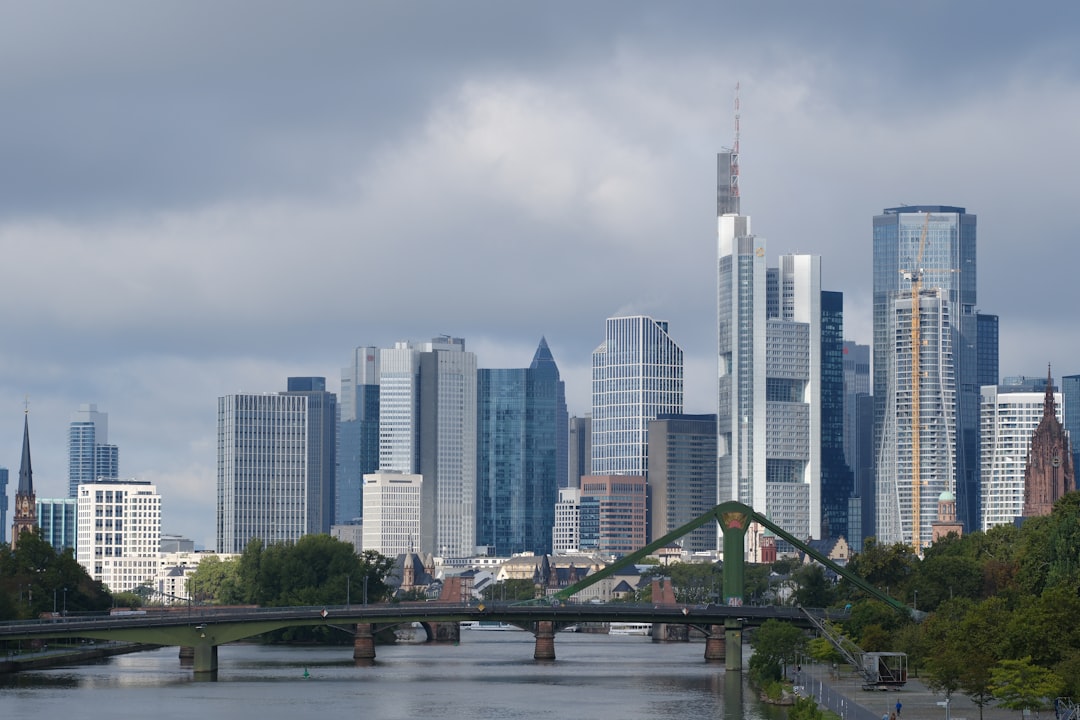
Germany’s economic landscape, often viewed as a beacon of stability and prosperity within Europe, is a subject of considerable interest and analysis. Its consistent performance, even amidst global economic turbulence, prompts inquiries into the underlying factors that contribute to this resilience. This article aims to dissect the multifaceted elements of Germany’s economic success, moving beyond superficial observations to explore the intricate mechanisms that drive its robust economy. It will delve into historical foundations, structural advantages, and strategic policy decisions that have collectively shaped Germany’s economic prowess.
The foundation of Germany’s economic framework lies in its distinctive “Social Market Economy” (Soziale Marktwirtschaft). This economic model, developed post-World War II, represents a deliberate synthesis of capitalist principles with a strong emphasis on social responsibility and welfare.
A Balancing Act: Competition and Collectivism
Unlike pure free-market capitalism, the Social Market Economy acknowledges the inherent need for market efficiency and competition while simultaneously recognizing the state’s role in ensuring social justice and a safety net for its citizens. This is not a passive role, but an active one, designed to mitigate the harsher aspects of capitalism. For the reader, consider this a finely tuned instrument, where the strings of economic efficiency and social equity are played in harmony, rather than in discord.
Key Pillars of the Social Market Economy
- Competition Policy: Germany’s robust competition laws, enforced by institutions like the Federal Cartel Office, actively prevent monopolies and foster a competitive environment. This ensures that businesses operate efficiently and innovation is encouraged, preventing stagnation.
- Social Security System: A comprehensive social security system, encompassing unemployment benefits, healthcare, and pensions, provides a strong safety net. This reduces social unrest and ensures a more equitable distribution of wealth, fostering widespread societal stability.
- Co-determination (Mitbestimmung): This unique feature grants employees significant representation on company supervisory boards, fostering a sense of shared responsibility and collaboration. It is a powerful antidote to the potential for adversarial relationships between labor and management, promoting long-term growth and stability.
- Education and Training: Germany’s commitment to vocational training and higher education underpins its economic success. This investment in human capital ensures a skilled workforce, adaptable to evolving industrial needs.
Germany’s economy has often been lauded as a model of stability and efficiency; however, a closer examination reveals underlying issues that suggest this perception may be misleading. For a deeper understanding of the complexities and challenges facing Germany’s economic landscape, you can read a related article that explores these themes in detail. To learn more, visit this article.
Industrial Strength and Export Orientation
Germany’s economic engine is powered by its formidable industrial sector, particularly its focus on high-value-added manufacturing and an aggressive export-oriented strategy. This has allowed it to carve a niche in global markets that few other nations can consistently replicate.
The Mittelstand: Backbone of the Economy
The “Mittelstand,” comprising small and medium-sized enterprises (SMEs), forms the vibrant core of the German economy. These often family-owned businesses are highly specialized, technologically advanced, and deeply embedded in global supply chains. They are not merely small cogs; they are the intricate gears that drive the larger machinery of export.
- Niche Market Leadership: Many Mittelstand companies are “hidden champions,” leading global markets in highly specialized niches. They are not chasing the latest fads but are masters of their craft, producing goods of exceptional quality and precision.
- Innovation and R&D: Despite their size, Mittelstand firms invest heavily in research and development, constantly refining their products and processes. This commitment to innovation is a continuous wellspring of competitive advantage.
- Long-Term Vision: Unlike some publicly traded corporations driven by quarterly results, Mittelstand businesses often prioritize long-term growth and stability, fostering sustained investment and development.
Export Focus: A Gateway to Global Markets
Germany’s economy is profoundly export-driven, with its high-quality manufactured goods finding eager buyers across the globe. This outward-looking approach has been a cornerstone of its prosperity.
- Quality and Engineering Prowess: “Made in Germany” is a globally recognized hallmark of quality and precision engineering. This reputation is meticulously built and vigorously maintained, commanding premium prices in international markets.
- Diverse Export Portfolio: While often associated with automobiles, Germany’s export portfolio is remarkably diverse, encompassing machinery, chemicals, pharmaceuticals, and electrical equipment. This diversification provides resilience against fluctuations in specific sector demands.
- Trade Surpluses: Germany consistently maintains significant trade surpluses, indicating a strong global demand for its products and services, contributing substantially to national wealth.
Prudent Fiscal Management and Stability

A key differentiator for Germany has been its unwavering commitment to fiscal discipline and macroeconomic stability. This responsible management has insulated its economy from many of the financial shocks that have plagued other nations.
The “Black Zero” and Debt Aversion
Germany’s pursuit of a balanced budget, often referred to as the “black zero,” reflects a deep-seated cultural and political aversion to public debt. This approach ensures fiscal solvency and provides room for maneuver during economic downturns. For the reader, imagine a ship’s captain meticulously charting a course, not just for fair weather, but always preparing for potential storms by ensuring the ship’s reserves are plentiful.
- Constitutional Debt Brake: The “Schuldenbremse” or constitutional debt brake, enshrined in German law, imposes strict limits on public borrowing at both federal and state levels. This institutionalizes fiscal prudence and prevents runaway debt accumulation.
- Low Interest Rates: Germany’s reputation for fiscal responsibility translates into lower borrowing costs for the government, freeing up resources for investment and public services.
- Trust and Credibility: A stable fiscal environment fosters trust among investors, both domestic and international, making Germany an attractive destination for foreign direct investment.
A Stable Financial Sector
The German financial system, characterized by a strong banking sector and diverse funding sources, has demonstrated resilience during periods of financial stress.
- Universal Banking Model: The universal banking model, where banks engage in both commercial and investment banking, coupled with a strong network of public savings banks (Sparkassen) and cooperative banks, provides widespread access to credit, particularly for SMEs.
- Conservative Lending Practices: German banks are generally known for their conservative lending practices, prioritizing stability over aggressive risk-taking. This cautious approach contributed to their resilience during the 2008 global financial crisis.
- Bundesbank’s Independence: The historical independence of the Bundesbank (Germany’s central bank before the euro), and its current influence within the European Central Bank, underscores a commitment to price stability, a crucial element of a healthy economy.
Investment in Human Capital and Research

Germany’s sustained economic success is inextricably linked to its long-standing commitment to investing in its human capital and fostering a culture of innovation through robust research and development. This is not incidental, but a deliberate and sustained societal priority.
The Dual Vocational Training System
The “Dual System” of vocational training is a cornerstone of Germany’s skilled workforce. This unique apprenticeship model combines theoretical instruction in vocational schools with practical training in companies. It’s a powerful engine for creating highly skilled workers directly relevant to industry needs.
- Industry-Specific Skills: Apprentices gain hands-on experience in their chosen fields, acquiring practical, industry-specific skills that are immediately applicable in the workplace. This minimizes the gap between education and employment.
- Reduced Youth Unemployment: The Dual System significantly contributes to low youth unemployment rates, as graduates are highly sought after by employers. This provides a clear pathway for young people into meaningful careers.
- Continuous Skill Development: The system is adaptable, constantly evolving to meet the changing demands of industry, ensuring a perpetually relevant and well-trained workforce.
Strong Research and Development Landscape
Germany boasts a vibrant ecosystem for research and development (R&D), supported by both public and private investment. This commitment to pushing the boundaries of knowledge fuels innovation across various sectors.
- Public and Private Collaboration: Close collaboration between universities, research institutions (such as the Max Planck Society and Fraunhofer Society), and private industry drives innovation from fundamental research to commercial application.
- High R&D Investment: Germany consistently ranks among the top countries globally in terms of R&D expenditure as a percentage of GDP, indicating a sustained commitment to fostering scientific and technological advancement.
- Focus on Applied Research: There is a strong emphasis on applied research, ensuring that scientific breakthroughs translate into tangible products and processes that benefit the economy.
Germany’s economy has often been portrayed as a model of stability and strength, but recent analyses suggest that this perception may be misleading. A related article explores the underlying factors that have contributed to this facade, revealing discrepancies in economic data and the impact of external influences. For a deeper understanding of these complexities, you can read more in this insightful piece on the topic. Check it out here.
Strategic Adaptability and Future Challenges
| Metric | Reported Value | Underlying Issue | Explanation |
|---|---|---|---|
| GDP Growth Rate | 1.5% (Reported) | Overstated due to export reliance | Growth heavily dependent on exports to EU and China, masking domestic weakness |
| Unemployment Rate | 3.5% (Reported) | Underemployment and low-quality jobs | Many workers in part-time or low-paid jobs not reflected in official stats |
| Public Debt to GDP | 59% | Off-balance sheet liabilities | Hidden debts in state-owned enterprises and pension obligations not fully accounted |
| Industrial Production | Decline of 2% (Recent Year) | Structural decline in manufacturing | Shift away from traditional industries not captured in headline economic data |
| Investment Rate | 18% of GDP | Low compared to peers | Insufficient investment in infrastructure and innovation undermining future growth |
While Germany’s economic success is undeniable, its continued prosperity relies on its ability to strategically adapt to emerging global challenges and proactively address internal pressures. The nation is not resting on its laurels but is actively engaged in navigating a complex future.
Energiewende: The Energy Transition
Germany’s ambitious “Energiewende” (energy transition) aims to move away from fossil fuels and nuclear power towards renewable energy sources. This monumental undertaking presents both significant challenges and opportunities for innovation.
- Infrastructure Investment: The transition requires massive investment in renewable energy infrastructure, grid upgrades, and storage solutions, stimulating economic activity and creating new industries.
- Technological Leadership: Germany seeks to become a global leader in renewable energy technologies, developing new expertise and export opportunities in this burgeoning sector.
- Cost and Competitiveness: Managing the costs of the energy transition while maintaining industrial competitiveness and energy security remains a critical balancing act. This is a complex equation that requires careful and continuous recalibration.
Demographic Shifts and Labor Market
Like many developed nations, Germany faces the challenge of an aging population and declining birth rates. These demographic shifts have profound implications for its labor market and social security system.
- Skilled Worker Shortages: An aging workforce leads to potential shortages of skilled labor, particularly in technical and engineering fields, posing a threat to industrial output.
- Immigration as a Solution: Germany has increasingly looked to controlled immigration to mitigate labor shortages and support its social security system, requiring careful integration policies.
- Lifelong Learning and Automation: Investing in lifelong learning programs and embracing automation are crucial strategies to maintain productivity and adapt to a changing demographic landscape.
Digital Transformation and Global Competition
The accelerating pace of digital transformation and intensifying global competition from emerging economies necessitate continuous adaptation and strategic foresight.
- Industry 4.0: Germany is a pioneer in “Industry 4.0,” the integration of digital technologies into manufacturing processes. This aims to enhance efficiency, flexibility, and create new business models, a deliberate effort to stay ahead of the curve.
- Digital Infrastructure: Investing in high-speed digital infrastructure and fostering digital literacy across the population are essential to remain competitive in a data-driven world.
- Cybersecurity: Protecting critical infrastructure and sensitive data from cyber threats is paramount for maintaining economic stability and public trust in an increasingly interconnected environment.
In conclusion, Germany’s economic success is not a serendipitous occurrence but the deliberate outcome of a meticulously constructed economic model, a commitment to industrial excellence, prudent fiscal management, and continuous investment in its people and innovation. For the reader to truly grasp this, one must see it not as a lucky stroke, but as a carefully cultivated garden, yielding consistent harvests through diligent care and strategic planning. While facing significant challenges in the coming decades, the nation’s historical capacity for strategic adaptation and its robust institutional frameworks suggest a strong potential for continued economic resilience and prosperity. The German economic narrative is one of enduring strength, built on a foundation of discipline, quality, and a profound understanding of the intricate dance between market forces and societal welfare.
FAQs
1. What is the main argument behind the claim that Germany’s economy was a lie?
The main argument is that Germany’s economic strength was overstated due to factors such as heavy reliance on exports, significant debt levels, and structural weaknesses that were masked by short-term growth indicators.
2. How did Germany’s export dependency affect perceptions of its economic health?
Germany’s economy heavily depended on exports, especially to other European countries. This made its economic performance vulnerable to global demand fluctuations, which could create a misleading impression of stability and growth during periods of strong external demand.
3. What role did government debt and fiscal policies play in the critique of Germany’s economy?
Critics argue that Germany’s government debt and fiscal policies were not as sustainable as portrayed. While Germany maintained a reputation for fiscal discipline, underlying debt and financial obligations, including those related to social welfare and banking sectors, raised concerns about long-term economic stability.
4. Were there structural issues within Germany’s economy that contributed to the perception of it being a “lie”?
Yes, structural issues such as an aging population, labor market rigidities, and underinvestment in innovation and infrastructure contributed to doubts about the robustness of Germany’s economic model and its ability to sustain growth.
5. How did the global economic environment impact the narrative around Germany’s economy?
The global economic environment, including the Eurozone crisis and trade tensions, exposed vulnerabilities in Germany’s export-driven economy. These external shocks highlighted the limitations of Germany’s economic model and fueled debates about the true health of its economy.