The dusty tomes of history, often confined to academic halls and hushed libraries, are about to be brought to vibrant life. A groundbreaking documentary, aptly titled “The Ultimate Ancient History Documentary,” promises to transport viewers across millennia, peeling back the layers of time to reveal the origins of civilization, the rise and fall of empires, and the enduring legacies that continue to shape our modern world. This ambitious project isn’t just a collection of facts and dates; it’s an immersive journey crafted with meticulous research, stunning visuals, and compelling narratives, designed to ignite a passion for the ancient past in audiences of all ages.
“The Ultimate Ancient History Documentary” begins at the very genesis of human society, exploring the transformative shift from nomadic hunter-gatherer lifestyles to settled agricultural communities. This pivotal era, the Neolithic Revolution, laid the groundwork for everything that followed, and the documentary meticulously reconstructs this fascinating period.
The Fertile Crescent: Cradle of Innovation
The film dedicates a significant portion to the Fertile Crescent, a region stretching from the Persian Gulf to the Nile River, widely recognized as the cradle of civilization. Viewers will witness the ingenious agricultural techniques, such as irrigation systems and crop domestication, that allowed for surplus food production and the subsequent growth of permanent settlements.
The Birth of Cities: Uruk and the First Metropolis
A deep dive into ancient Mesopotamia illuminates the emergence of the world’s first cities, most notably Uruk. Through CGI reconstructions and expert analysis, the documentary showcases the burgeoning urban landscapes, the development of social hierarchies, and the early forms of governance that characterized these nascent metropolises. The sheer scale and complexity of these early urban centers, often overlooked, are revealed in breathtaking detail.
The Dawn of Writing: Cuneiform and its Impact
The invention of writing, a monumental leap forward for humanity, is a central theme in this segment. The documentary explains the development of cuneiform, the earliest known system of writing, and its profound impact on record-keeping, administration, and the transmission of knowledge. Viewers will gain an appreciation for how this seemingly simple innovation paved the way for future advancements in literature, law, and scholarship.
The Nile’s Bounty: Egypt’s Enduring Mystique
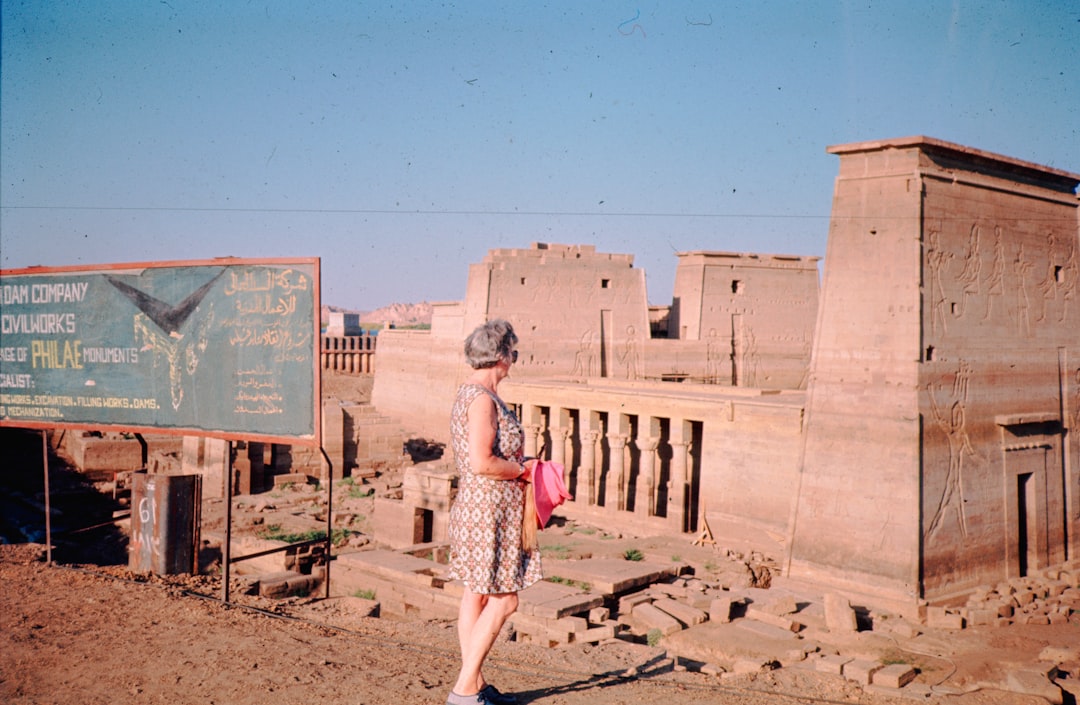
The documentary then sweeps eastward to the life-giving waters of the Nile River, exploring the rise of ancient Egyptian civilization. The unique geographical and environmental factors that fostered such a long-lasting and influential culture are meticulously examined.
The Pharaohs and the Pyramids: Monuments to Eternity
The iconic pyramids, enduring symbols of ancient Egypt, are explored not just as architectural marvels but as expressions of religious belief and royal power. The documentary delves into the construction techniques, the societal organization required for such colossal undertakings, and the spiritual significance that drove their creation. The intricate complexities of their construction, often shrouded in mystery, are brought into sharp relief through expert interviews and detailed animations.
The Pantheon of Gods: Belief and Ritual
Ancient Egyptian religion, with its vast and complex pantheon of gods and goddesses, is presented as a cornerstone of their society. The documentary explores the rituals, myths, and beliefs that permeated daily life, influencing everything from art and architecture to governance and the afterlife. Understanding their cosmic worldview is crucial to understanding why they built what they built and lived as they lived.
If you’re interested in exploring the fascinating world of ancient history through visual storytelling, you might want to check out our article on the best ancient history documentaries. These films not only bring to life the stories of civilizations long past but also provide valuable insights into their cultures and contributions to modern society. For more information, visit here.
The Mediterranean Crucible: Empires of Power and Influence
As the documentary progresses, it shifts its focus to the Mediterranean, a vital crossroads of trade, culture, and conflict that gave rise to some of history’s most influential empires. This era is characterized by ambition, innovation, and ultimately, the clash of civilizations.
Minoan and Mycenaean Seeds: Precursors to Classical Greece
Before the iconic city-states of classical Greece took shape, the sophisticated Minoan civilization of Crete and the warrior culture of Mycenaean Greece laid crucial foundations. The documentary explores their unique societal structures, their maritime prowess, and the myths and legends that would later inspire Homer.
Knossos and the Labyrinth: Unraveling Minoan Mysteries
The magnificent palace complex of Knossos on Crete is brought to life, revealing the advanced artistry, plumbing, and social organization of the Minoans. The documentary grapples with the enigmatic disappearance of this vibrant culture, exploring the various theories and speculating on the lasting impact of their artistic and cultural contributions.
The Age of Heroes: Mycenaean Warriors and Early Greeks
The documentary delves into the Bronze Age Mycenaeans, exploring their fortified citadels, their warrior ethos, and their role in the legendary Trojan War. The reconstruction of their society, through archaeological evidence and scholarly interpretation, offers a glimpse into a pivotal period before the “Greek Dark Ages.”
The Rise of the Polis: Athens and Sparta
The classical period of Greece, arguably one of the most intellectually and culturally fertile in human history, is a major focus. The documentary contrasts the democratic ideals of Athens with the militaristic rigor of Sparta, showcasing the unique contributions of each to Western civilization.
The Athenian Golden Age: Philosophy, Art, and Democracy
The documentary celebrates the Athenian Golden Age, exploring the birth of democracy, the philosophical inquiries of Socrates and Plato, the dramatic innovations of Sophocles and Euripides, and the architectural splendors of the Acropolis. The intellectual ferment and artistic brilliance of this era are captured with compelling visuals and insightful commentary.
Spartan Discipline: The Warrior State
In contrast, the documentary examines the Spartan way of life, emphasizing their unwavering focus on military training and civic duty. The unique social structure and the austere lifestyle of the Spartans are explored, highlighting their enduring influence on military strategy and the concept of disciplined citizenship.
The Roman Colossus: From Republic to Empire
No exploration of ancient history would be complete without a deep dive into the Roman world. The documentary traces Rome’s transformation from a humble city-state to a vast empire that shaped the known world.
The Roman Republic: Law, Order, and Expansion
The documentary details the foundational principles of the Roman Republic, its innovative legal system, its formidable military legions, and its relentless expansion across the Mediterranean. The intricate workings of the Senate and the Punic Wars are vividly depicted.
The Pax Romana: Empire at its Zenith
The era of the Roman Empire at its height, the Pax Romana, is a period of unparalleled peace, prosperity, and infrastructure development. The documentary showcases the engineering marvels – aqueducts, roads, and public buildings – that connected the empire and facilitated its administration. The vibrant urban centers, the Roman baths, and the sophisticated social life are brought to the screen.
The Emperors and Their Legacies: Augustus to Constantine
The documentary profiles key emperors, from the transformative reign of Augustus to the empire-altering decisions of Constantine. Their impact on Roman law, culture, religion, and the eventual decline of the Western Roman Empire is thoroughly examined.
The Axial Age: Spiritual and Philosophical Revolutions
Beyond the political and military might of empires, “The Ultimate Ancient History Documentary” delves into a period of profound spiritual and philosophical upheaval that transcended geographical boundaries: the Axial Age. This era saw the emergence of transformative ideas that continue to resonate today.
The Buddha and the Path to Enlightenment
The documentary explores the life and teachings of Siddhartha Gautama, the Buddha, and the origins of Buddhism. It examines the core principles of his philosophy, including the Four Noble Truths and the Eightfold Path, and their impact on millions across Asia. The search for inner peace and liberation from suffering is presented as a universal human quest.
The Sangha: The Community of Monks and Nuns
The development of the Sangha, the monastic order, is explored as a crucial element in the preservation and dissemination of Buddhist teachings. The documentary highlights the dedication and discipline of these early practitioners and their role in spreading the Dharma.
Buddhist Art and Architecture: Expressing the Divine
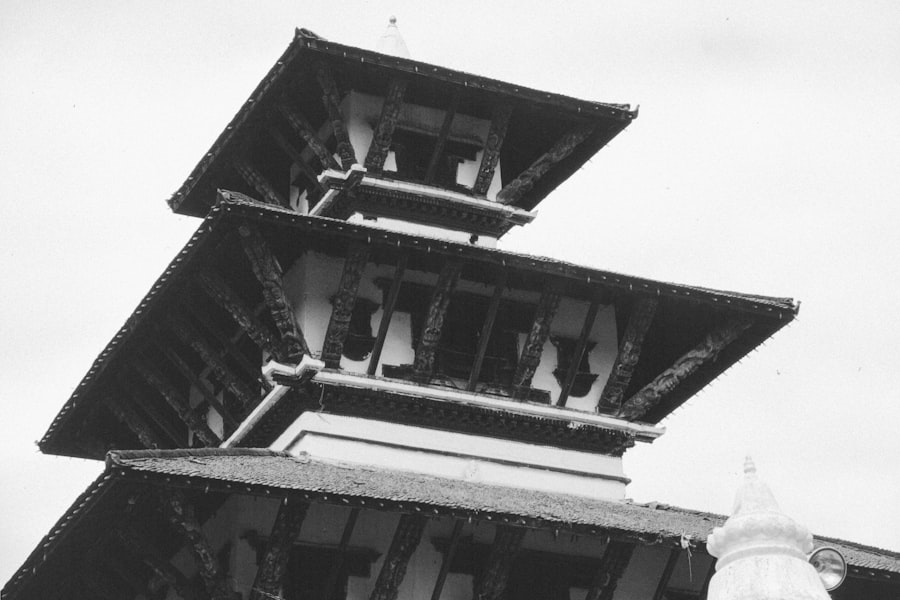
The evolution of Buddhist art and architecture, from early stupas to magnificent temples, is presented as a visual manifestation of profound spiritual insights. The stylized representations of the Buddha and the symbolic imagery used in sacred spaces offer a unique window into the faith.
Confucius and the Chinese Ethical System
In China, the teachings of Confucius laid the groundwork for a deeply ingrained ethical and social system. The documentary examines his philosophy, focusing on the importance of virtue, filial piety, and good governance.
The Analects: Wisdom for Living
The enduring wisdom of “The Analects” is analyzed, highlighting Confucius’s emphasis on self-cultivation, social harmony, and the importance of education. His ideas on leadership and the role of the educated scholar are explored.
The Mandate of Heaven: Legitimacy and Dynastic Rule
The concept of the Mandate of Heaven, a key element in Chinese political thought, is explained as a justification for dynastic rule and a mechanism for explaining dynastic change. The documentary illustrates how this belief shaped the political landscape of China for centuries.
The Prophets of Israel: Monotheism and Moral Law
The documentary turns its attention to the ancient Near East and the development of monotheism within the Israelite tradition. The narratives of the prophets and their unwavering commitment to a single God and a strict moral code are explored.
The Covenant: God’s Promises and Human Responsibility
The concept of the covenant between God and the Israelites is a central theme, emphasizing mutual promises and responsibilities. The documentary delves into the significance of this relationship and its impact on Jewish identity and practice.
The Ten Commandments: Foundations of Moral Conduct
The enduring legacy of the Ten Commandments, as a foundational set of ethical guidelines, is highlighted. Their influence on Western legal and moral traditions is explored.
Greek Philosophers: Questioning the Universe
The documentary returns to the intellectual ferment of Greece to explore the radical questioning of the universe undertaken by pre-Socratic philosophers. Their attempts to understand the fundamental nature of reality, often through rational inquiry rather than myth, are celebrated.
Thales, Anaximander, and the Search for the Arche
The pioneering efforts of philosophers like Thales, who sought a single fundamental principle (arche) for all things, and Anaximander, who proposed the concept of the apeiron, are presented as the early sparks of scientific and philosophical inquiry.
Heraclitus and Parmenides: The Nature of Change
The contrasting philosophies of Heraclitus, who emphasized the universality of change (“everything flows”), and Parmenides, who argued for the unchanging nature of reality, are explored as foundational debates in metaphysics.
Beyond the Horizon: Cultures of the East and Wonders of the Americas
“The Ultimate Ancient History Documentary” understands that the ancient world was not solely confined to the Western and Near Eastern spheres. It boldly ventures eastward and across the Atlantic to explore equally fascinating and influential civilizations.
The Indus Valley Civilization: Enigmatic Urban Planners
The documentary sheds light on the sophisticated and remarkably well-planned Indus Valley Civilization, a Bronze Age culture that flourished in what is now Pakistan and northwestern India.
Mohenjo-Daro and Harappa: Cities of Order
The meticulously planned cities of Mohenjo-Daro and Harappa are showcased, highlighting their advanced sanitation systems, grid-like street layouts, and standardized brick sizes. The documentary ponders the reasons for their eventual decline and the enduring mystery of their script.
Trade and Craftsmanship: A Flourishing Society
The documentary explores the extensive trade networks of the Indus Valley people and their mastery of craftsmanship, evidenced by their intricate seals, pottery, and metalwork. Their economic activity and artistic achievements are presented as testaments to a thriving society.
Ancient China: Dynasties and Innovations
The documentary provides an overview of the successive dynasties of ancient China, showcasing the remarkable continuity and innovation that characterized this long and rich history.
The Shang Dynasty: Bronze Metallurgy and Oracle Bones
The Shang Dynasty is presented as a period of significant technological advancement, particularly in bronze metallurgy, and the development of early Chinese writing on oracle bones. The documentary explains how these artifacts provide invaluable insights into Shang beliefs and practices.
The Qin Dynasty: Unification and the Terracotta Army
The unification of China under the Qin Dynasty and the construction of the Great Wall are explored. The awe-inspiring Terracotta Army, guarding the tomb of the First Emperor, is presented not only as an artistic marvel but as a testament to the immense power and ambition of this era.
The Maya: Cosmic Architects of Mesoamerica
Venturing across the Atlantic, the documentary turns its gaze to the incredible achievements of the Maya civilization in Mesoamerica. Their advanced understanding of astronomy, mathematics, and their monumental architecture are brought to life.
Chichen Itza and Tikal: City-States of Grandeur
Iconic Maya city-states like Chichen Itza and Tikal are vividly reconstructed, revealing their towering pyramids, elaborate ball courts, and intricate hieroglyphic inscriptions. The documentary explores their complex social and political structures.
The Maya Calendar: A Cosmic Clock
The sophisticated Maya calendar system, renowned for its accuracy and cyclical nature, is explained in detail. The documentary explores its astronomical basis and its role in Maya religion and ritual.
The Inca Empire: Masters of the Andes
The final significant ancient civilization explored is the Inca Empire, a vast and highly organized empire that spanned the Andes Mountains.
Machu Picchu: A City in the Clouds
The breathtaking citadel of Machu Picchu is presented as a testament to Inca engineering prowess and their harmonious integration with the natural landscape. The documentary explores its purpose and the challenges of building such a magnificent structure in a remote location.
The Road System and Quipu: Connecting an Empire
The documentary highlights the impressive Inca road system, which facilitated communication and trade across their vast empire, and the enigmatic quipu, a system of knotted cords used for record-keeping, demonstrating their ingenuity in managing such a large territory.
If you’re interested in exploring the fascinating connections between ancient maps and historical events, you might find this article on the Piri Reis map particularly intriguing. It delves into the military’s confirmation of the map’s authenticity and its implications for our understanding of ancient navigation. For more insights, check out the related article on the Piri Reis map and its significance in the context of ancient history.
The Enduring Echoes: Legacies That Shape Our World
| Documentary Title | Rating | Release Year | Duration |
|---|---|---|---|
| Ancient Egypt: Life and Death in the Valley of the Kings | 9.5/10 | 2013 | 120 minutes |
| The Roman Empire in the First Century | 9.2/10 | 2001 | 240 minutes |
| Greece: Secrets of the Past | 9.0/10 | 2006 | 90 minutes |
In its concluding segments, “The Ultimate Ancient History Documentary” artfully connects the dots between these ancient civilizations and our present day. It argues that the past is not a distant, irrelevant entity but a living force that continues to influence our societies, our institutions, and our very understanding of ourselves.
Law and Governance: From Hammurabi to Modern Jurisprudence
The documentary explores the development of legal codes, from the Code of Hammurabi to Roman law, and their foundational role in shaping modern legal systems. The principles of justice, fairness, and accountability, first articulated in ancient times, are shown to be enduring cornerstones of civilization.
The Rule of Law: An Ancient Ideal
The concept of the rule of law, the idea that everyone, including rulers, is subject to the law, is traced back to its ancient origins. The documentary emphasizes how this ideal, though often challenged, remains a crucial aspiration for just societies.
Trial by Jury: An Evolving Concept
The evolution of legal procedures, including early forms of jury systems, is examined, demonstrating how concepts we take for granted have deep historical roots. The enduring human need for order and adjudication is made clear.
Philosophy and Ethics: The Pillars of Thought
The philosophical inquiries of ancient Greece, the ethical systems of Confucius and the Buddha, and the prophetic traditions of Israel are presented as the bedrock of Western and Eastern thought. The questions they grappled with – about the nature of reality, the meaning of life, and how to live a good life – continue to be central to human experience.
The Birth of Western Philosophy: From Socrates to Aristotle
The unbroken chain of philosophical inquiry initiated by the ancient Greeks, from Socrates’ relentless questioning to Aristotle’s systematic approach to knowledge, is highlighted as a critical contributor to modern intellectual traditions.
Eastern Wisdom: Paths to Enlightenment and Harmony
The enduring wisdom traditions of the East, offering paths to spiritual liberation and social harmony, are presented as vital complements to Western thought, offering diverse perspectives on the human condition.
Science and Technology: The Building Blocks of Progress
The documentary showcases the scientific and technological innovations of ancient civilizations, from the astronomical observations of the Maya to the engineering feats of the Romans and the metallurgical advancements of the Shang.
Ancient Mathematics and Astronomy: Charting the Cosmos
The sophisticated mathematical concepts and accurate astronomical observations developed by ancient cultures, such as the Maya and the Babylonians, are celebrated for laying the groundwork for later scientific discoveries.
Engineering Marvels: Aqueducts, Roads, and Pyramids
The impressive feats of ancient engineering, still astounding today, are examined not just for their construction but for the organizational capacity and scientific understanding they represent, demonstrating humanity’s innate drive to build and innovate.
Art and Architecture: Expressions of Human Ingenuity and Belief
The art and architecture of the ancient world serve as powerful windows into the cultures, beliefs, and aspirations of people long gone. The documentary showcases the enduring beauty and profound symbolism found in their creations.
Iconic Structures: From the Parthenon to the Great Wall
The documentary revisits iconic structures like the Parthenon, the Colosseum, and the Great Wall, analyzing their artistic merit, their architectural innovation, and their cultural significance.
The Power of Symbolism: Unlocking Ancient Meanings
The rich use of symbolism in ancient art, from Egyptian hieroglyphs to Greek mythology, is explored, revealing how these visual languages conveyed complex ideas and beliefs about the cosmos, the divine, and the human experience.
“The Ultimate Ancient History Documentary” is more than just an educational program; it is an invitation to reconnect with our collective past. By illuminating the triumphs, the struggles, and the enduring legacies of ancient civilizations, it offers a profound understanding of who we are and how we came to be. It is a testament to the boundless curiosity and enduring ingenuity of the human spirit, a spirit that, across millennia, has continuously sought to understand the world and our place within it.

The Greatest Technology Humanity Ever Lost
FAQs
What are some popular ancient history documentaries?
Some popular ancient history documentaries include “Civilizations,” “The Story of Egypt,” “Rome: Rise and Fall of an Empire,” “The Greeks,” and “Ancient Aliens.”
Where can I watch ancient history documentaries?
Ancient history documentaries can be found on streaming platforms such as Netflix, Amazon Prime Video, Hulu, and YouTube. They may also be available for purchase or rental on platforms like iTunes and Google Play.
Who are some renowned experts in ancient history documentaries?
Renowned experts in ancient history documentaries include Mary Beard, Bettany Hughes, Michael Wood, and Neil Oliver. These historians and archaeologists have contributed to numerous documentaries on ancient civilizations.
What are some common themes in ancient history documentaries?
Common themes in ancient history documentaries include the rise and fall of civilizations, ancient warfare and conquests, religious beliefs and practices, cultural achievements, and the impact of ancient civilizations on modern society.
How accurate are ancient history documentaries?
The accuracy of ancient history documentaries can vary depending on the research and expertise of the filmmakers and contributors. It’s important to critically evaluate the sources and evidence presented in these documentaries.