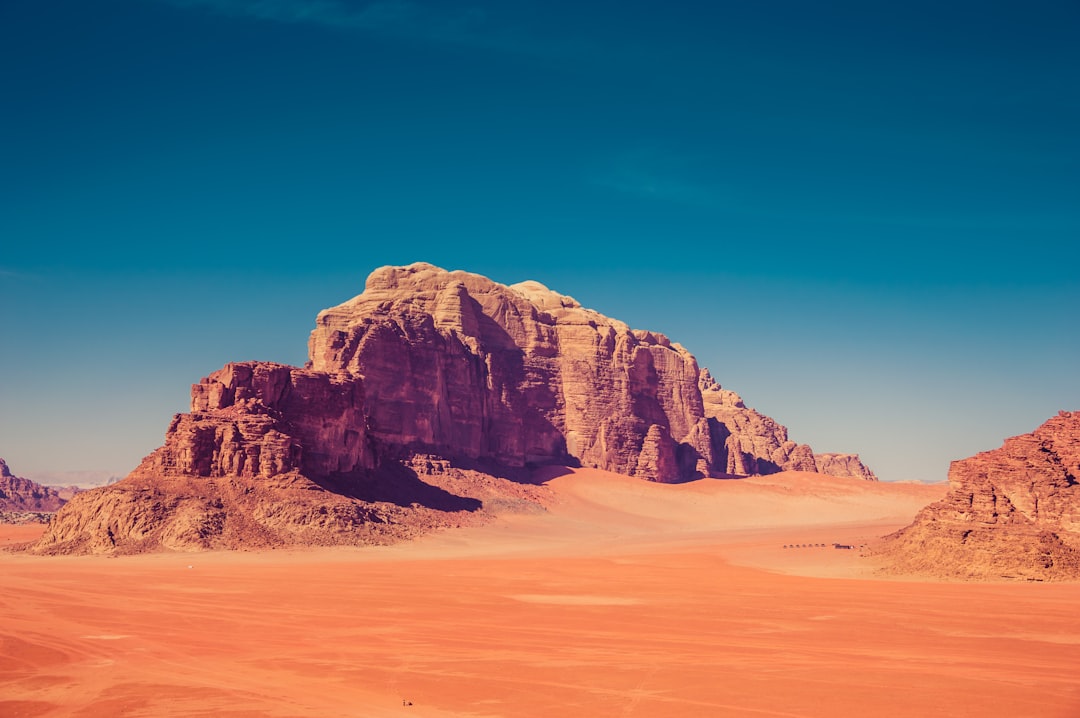
The sun beat down on the cracked earth, a relentless hammer forging a landscape of dust and despair. Where once a shimmering expanse of blue had greeted the horizon, now only a desolate plain stretched to the edges of vision. This was the grim testament to the vanishing lake, a stark transformation from life-giving water to a parched desert. The story of this lake’s demise was not a sudden catastrophe, but a slow, insidious creep, a culmination of environmental neglect and unsustainable practices that had ultimately drained the lifeblood from the land.
For generations, the lake had been the heart of the region. Its waters, fed by snowmelt from distant mountains and steady rainfall, supported a vibrant ecosystem and a thriving human community. The lake’s shores were a tapestry of life.
A Haven for Biodiversity
The freshwater ecosystem was a marvel of natural engineering. Schools of fish, their scales catching the sunlight, darted through the clear depths. Amphibians, their croaks a constant serenade, found refuge in the shallow reeds. Birdlife flourished, from graceful herons wading along the banks to migratory flocks that found the lake an essential stopover on their arduous journeys. The surrounding vegetation, nourished by the lake’s moisture, provided habitat and food for a diverse array of mammals.
The Lifeblood of the Community
Humanity had long recognized the lake’s bounty. Indigenous communities had lived in harmony with the lake for centuries, their traditions and livelihoods intrinsically linked to its presence. Fishing was not merely a means of sustenance but a cultural cornerstone. The fertile land along the lake’s edge, enriched by its waters, supported agriculture, allowing for the cultivation of crops that sustained the growing population. The lake also served as a vital water source for livestock, a constant replenishment in an otherwise arid region. The very rhythm of life in the settlements around the lake was dictated by its rise and fall, its abundance a promise of prosperity.
Economic Significance
As time progressed, the lake’s economic importance grew beyond its immediate surroundings. Its waters facilitated trade routes, connecting distant communities. The surplus agricultural produce found markets further afield, contributing to regional economies. Tourism, drawn by the lake’s natural beauty and recreational opportunities, began to emerge as a significant contributor, bringing revenue and employment. The lake was more than just a body of water; it was an engine of economic growth and a symbol of regional prosperity.
The transformation of a once-thriving lake into a barren desert is a striking example of environmental change, often driven by factors such as climate shifts and human activity. This phenomenon is not only a modern concern but also has historical precedents that reveal the complexities of ecological balance. For a deeper understanding of such transformations and their implications, you can explore the article titled “Unraveling Ancient Mysteries: New Discoveries Shed Light” at this link.
The First Cracks Appear
The first signs of trouble were subtle, easily dismissed as natural fluctuations. However, these were the early whispers of a storm that would eventually engulf the region. The delicate balance of the ecosystem, so long sustained, was beginning to fray.
Shifting Rainfall Patterns
Climate change, a global phenomenon with localized impacts, began to manifest in altered rainfall patterns. Years that were once predictable in their deluge became erratic. Droughts, once rare occurrences, started to lengthen and intensify, leaving the lake’s tributaries running thin. The natural replenishment cycle was disrupted, a subtle but critical imbalance.
Increased Evaporation Rates
As global temperatures climbed, so too did evaporation rates from the lake’s surface. The vast expanse of water, once a cooling influence, now became a conduit for atmospheric moisture to dissipate at an accelerated pace. This relentless loss, unseen and unfelt in its early stages, was a steady drain on the lake’s reserves.
Growing Demands
Simultaneously, the human population surrounding the lake experienced growth. This increased demand for water manifested in several critical areas, placing an unprecedented strain on the lake’s finite resources.
Agricultural Expansion
Driven by economic incentives and a growing population, agricultural practices expanded significantly. Vast tracts of land that were once used for less water-intensive crops, or left as natural rangeland, were converted to water-guzzling staples. Irrigation systems, designed to maximize yields, began to draw heavily from the lake and its feeder rivers. The sweet promise of increased food production came at a steep environmental cost.
Urban and Industrial Growth
As settlements grew into towns and cities, their water needs escalated. Domestic consumption, while significant, was amplified by industrial processes that required large volumes of water for cooling and manufacturing. Wastewater treatment, often inadequate, meant that some of this water, contaminated with pollutants, was returned to the environment, further impacting its usability.
The Water Level Drops
The subtle shifts escalated into an undeniable reality. The lake’s surface began to recede, exposing mudflats and altering the shoreline. The visible impact was undeniable, a stark visual representation of the growing crisis.
The Exposed Shoreline
What were once bustling beaches and vibrant wetlands became desolate expanses of cracked mud. The exposed lakebed, littered with the bleached bones of aquatic life and the detritus of human activity, offered a haunting glimpse of what had been lost. This new, barren landscape became a stark symbol of the unfolding environmental disaster.
Impact on Aquatic Life
The diminishing water levels had a devastating effect on the lake’s inhabitants. Fish populations, their habitats shrinking, became concentrated in smaller, warmer pools, making them vulnerable to disease and predation. Amphibians, their breeding grounds drying up, faced extinction. The entire aquatic food web began to collapse, cascading through the ecosystem.
The Loss of Migratory Bird Habitats
For migratory birds, the lake was a vital refueling station. As the water receded, the shallow feeding grounds they relied upon disappeared. Many species, unable to find sufficient food, were forced to alter their routes or perished during their journeys. The skies, once alive with the calls of countless birds, grew eerily silent.
The Desertification Process
As the water continued to vanish, a new threat emerged: desertification. The drying land, stripped of its protective vegetation and exposed to the elements, began to transform into a barren, unproductive desert.
Soil Erosion Takes Hold
The exposed lakebed, rich in fine sediment, became highly susceptible to wind and water erosion. Once the lake’s waters were gone, the soil lost its cohesion. Strong winds, once tempered by the lake’s moisture and the surrounding vegetation, now whipped across the plains, carrying away precious topsoil. This eroded soil choked rivers, clogged irrigation systems, and further degraded the remaining land.
Loss of Vegetation and Biodiversity
The persistent drought and soil degradation led to the death of the remaining vegetation. Plants that were once adapted to the moist environment could not survive the increasingly arid conditions. As the plant life withered, so too did the animals that depended on it for food and shelter. The rich biodiversity that once characterized the region rapidly declined, replaced by hardy, drought-resistant species, and eventually, by very little life at all.
The Dust Bowl Effect
The combination of widespread erosion and loss of vegetation created a devastating phenomenon: the dust bowl effect. Massive dust storms, once confined to specific arid regions, became a frequent and terrifying feature of the landscape. These storms blotted out the sun, choked communities, and carried the desiccated remains of the land for hundreds of miles, a grim reminder of the ecological collapse.
The transformation of a once-thriving lake into a barren desert is a striking example of climate change’s impact on our planet. This phenomenon highlights the delicate balance of ecosystems and the potential consequences of environmental shifts. For a deeper understanding of how climate change affects different regions, you might find it interesting to read about Antarctica’s hidden secrets in this article. It provides valuable insights into the ongoing changes in polar regions and their broader implications for the Earth. You can explore the article here: Antarctica’s hidden secrets.
The Human Cost
| Metric | Value | Unit | Description |
|---|---|---|---|
| Original Lake Area | 26,000 | km² | Surface area of the lake before drying up |
| Current Desert Area | 25,000 | km² | Approximate area of the desert formed after lake dried |
| Year of Significant Drying | 1960 | Year | Year when lake started to significantly shrink |
| Annual Water Loss | 1,000 | km³/year | Estimated volume of water lost annually |
| Average Rainfall | 100 | mm/year | Average annual precipitation in the region |
| Population Affected | 1,500,000 | People | Number of people impacted by the lake’s disappearance |
| Economic Impact | High | Qualitative | Level of economic disruption due to loss of lake resources |
| Environmental Impact | Severe | Qualitative | Degree of ecological damage caused by desertification |
The vanishing lake was not merely an environmental tragedy; it was a profound human crisis, impacting every facet of life for the communities that had called its shores home for generations.
Economic Collapse
The collapse of the lake’s ecosystem and the onset of desertification had a devastating impact on the regional economy. Fishing industries disappeared overnight. Agriculture, reliant on irrigation, became unsustainable. Livestock grazing grounds withered, forcing farmers to sell off their herds or watch them starve. The nascent tourism industry evaporated with the disappearing waters. This economic freefall led to widespread unemployment and poverty.
Displacement and Migration
With their livelihoods destroyed and their land rendered unproductive, many residents were forced to abandon their homes. Families who had lived in the region for centuries became climate refugees, migrating to other areas in search of work and a viable future. This displacement fractured communities, severed ancestral ties, and placed immense strain on the resources of host regions. The empty villages along the desiccated lakebed stood as poignant monuments to the human cost of environmental degradation.
Social and Cultural Erosion
Beyond the economic and physical displacement, the vanishing lake inflicted deep social and cultural wounds. The traditions, stories, and cultural practices that were intrinsically linked to the lake began to fade. The sense of community, once fostered by shared reliance on the lake’s bounty, fractured under the weight of hardship and migration. The loss of a shared heritage, intertwined with the natural landscape, was a profound and often unspoken sorrow. The cultural identity of the region was slowly being erased with the vanishing water.
The Lingering Scars
Even with the complete disappearance of the lake, the scars of its demise remained. The degraded land was difficult to reclaim, and the delicate balance of the ecosystem would take generations, if not centuries, to restore. The memory of the once-vibrant oasis served as a somber cautionary tale, a stark reminder of the consequences of unsustainable practices and the devastating power of environmental neglect. The story of the vanishing lake was a somber testament to what happens when humanity fails to respect the delicate equilibrium of nature, a transition from life-giving water to an unforgiving desert, a stark and enduring lesson etched into the very fabric of the land.
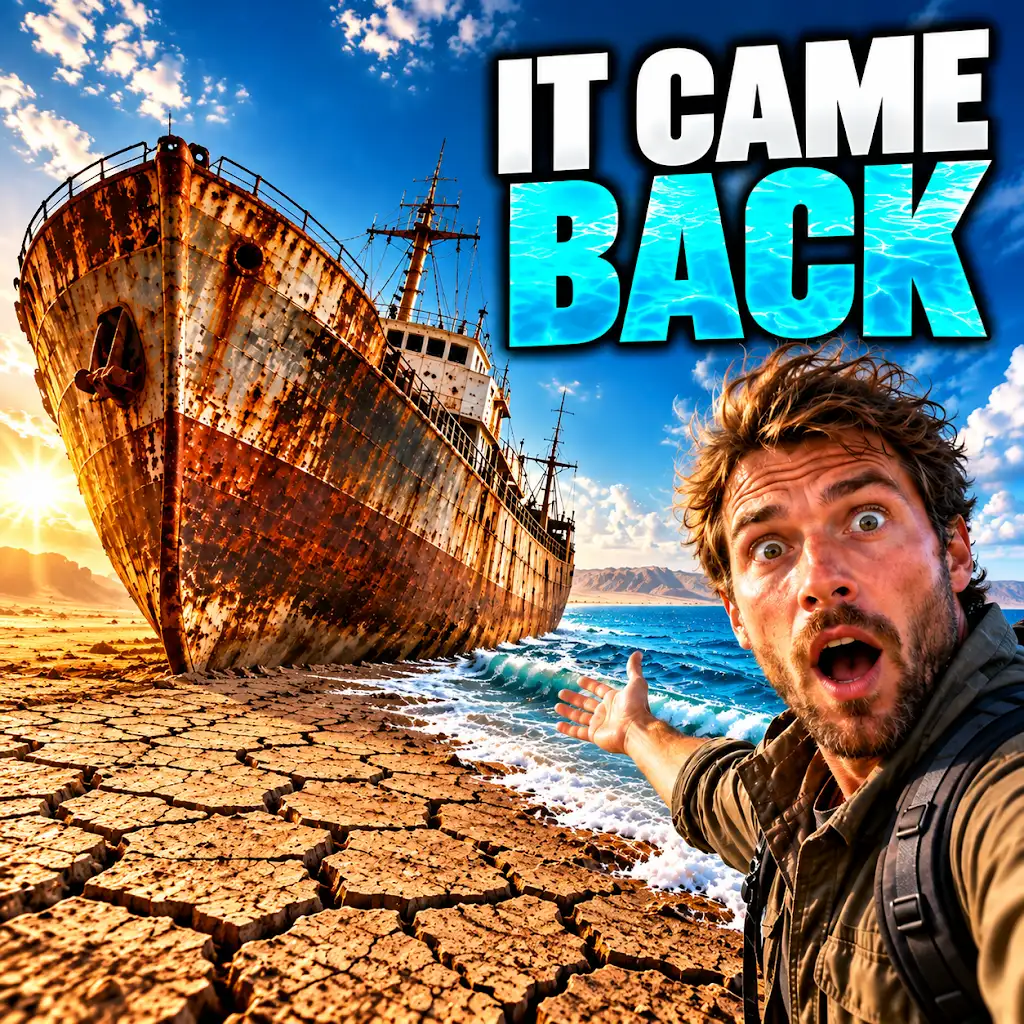
A Dam Brought the Aral Sea Back—But Only Part of It
FAQs
1. How did the lake turn into a desert?
The lake turned into a desert due to a combination of factors such as climate change, human activities like excessive water extraction, and natural processes like evaporation.
2. What were the environmental impacts of the lake turning into a desert?
The environmental impacts of the lake turning into a desert include loss of biodiversity, disruption of ecosystems, increased desertification, and potential dust storms due to exposed dry lake beds.
3. Can the lake be restored back to its original state?
Restoring a lake that has turned into a desert is a complex and challenging process. It may involve efforts such as water conservation, reforestation, and ecosystem restoration, but the success of restoration efforts can vary depending on the extent of damage.
4. How did the local community and wildlife adapt to the transformation of the lake into a desert?
The local community and wildlife may have had to adapt to the transformation of the lake into a desert by finding alternative water sources, changing their migration patterns, or adjusting their behavior to survive in the new arid environment.
5. Are there any lessons to be learned from the transformation of the lake into a desert?
The transformation of a lake into a desert serves as a stark reminder of the importance of sustainable water management, conservation of natural resources, and the need to address climate change to prevent similar environmental catastrophes in the future.