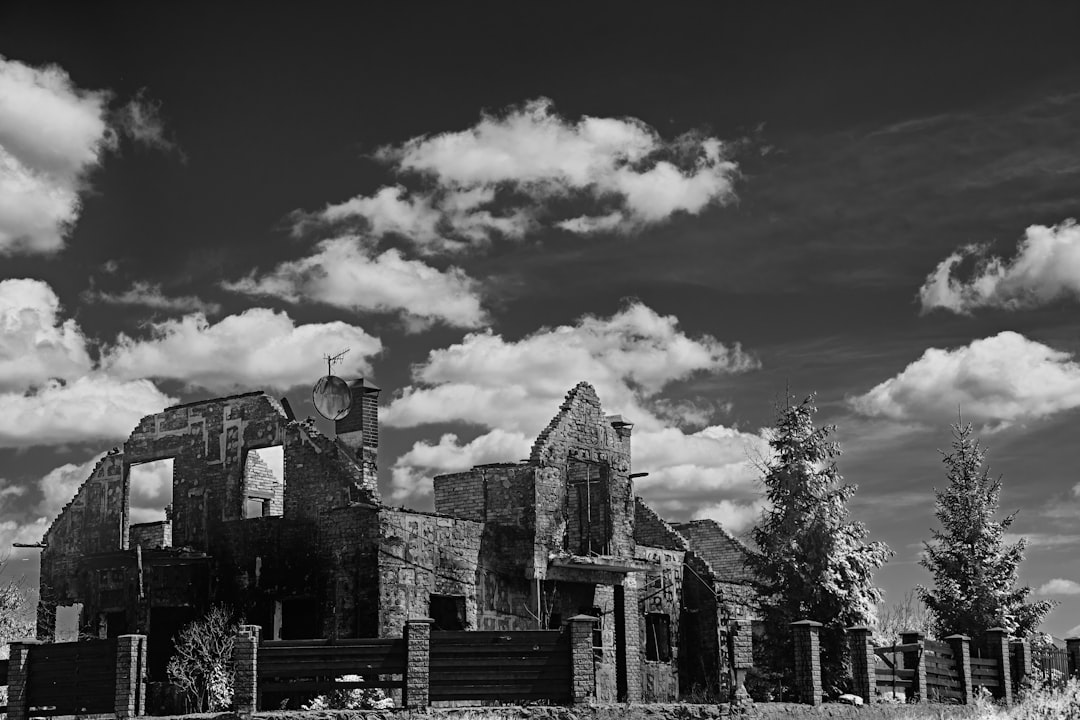
The Village That Burned Too Hot: A Cautionary Tale
It began, as such tales often do, with a flicker. A tiny spark, easily extinguished, yet in the parched heart of Oakhaven, it found fertile ground. This is the story of Oakhaven, a village nestled in the embrace of ancient woods, a place that learned a harsh lesson about the destructive power of unchecked ambition and the fragility of community. It is a cautionary tale, whispered by the wind through charred timbers and echoed in the silence where laughter once resided.
Oakhaven, for generations, had been a testament to a simple, harmonious existence. Life flowed with the rhythm of the seasons, dictated by the sun’s arc and the moon’s phases. The villagers, a close-knit tapestry of farmers, artisans, and woodcutters, shared a deep reverence for the land that sustained them. Their days were filled with the honest labor of tilling soil, shaping wood, and weaving cloth. Evenings were for communal gatherings, where stories were shared, songs were sung, and the day’s burdens were lightened by shared company.
A Community Bound by Tradition
The traditions of Oakhaven were not merely rituals; they were the threads that wove the social fabric. Harvest festivals were joyous celebrations, acknowledging the bounty of the earth and the collective effort that brought it forth. The annual Blessing of the Forest ensured their continued stewardship and respect for the ancient trees that ringed their village. Even disputes, when they arose, were settled through the wisdom of elders and the principle of mutual understanding, fostering a sense of belonging and shared responsibility.
The Elders’ Counsel
The village elders, their faces etched with the wisdom of years, served as the quiet custodians of Oakhaven’s heart. They remembered the hard winters, the lean harvests, and the times when unity had been their only shield. Their counsel was sought on matters both trivial and profound, and their pronouncements, delivered with quiet authority, were rarely questioned. They embodied the village’s collective memory and its enduring values.
The Rites of Passage
From birth to old age, life in Oakhaven was marked by meaningful rites of passage. The naming ceremony, the first harvest offering, the marriage feast, and the farewell to the departed – each was imbued with spiritual significance, reinforcing the cyclical nature of life and the interconnectedness of all living things. These ceremonies were not just about individuals; they were about the continuity of the community.
The Land’s Embrace
The surrounding forest was more than just a resource; it was a living entity, revered and respected. The woodcutters, while dependent on its timber, understood the delicate balance of life within its depths. They took only what was needed, leaving the ancient trees to stand as silent sentinels. The farmers, their fields carved meticulously from the fertile soil, practiced crop rotation and composting, ensuring the land remained vibrant and productive for generations to come.
The Rhythm of the Seasons
The villagers understood the land through the primal language of the seasons. Spring brought the promise of new life, summer the fullness of growth, autumn the harvest of sustenance, and winter the quiet introspection of rest. This cyclical understanding fostered a deep respect for nature’s power and a humility in their relationship with it. They were participants in a grand, natural drama, not its masters.
A Sustainable Existence
For centuries, Oakhaven had thrived on a sustainable existence. Their needs were simple, their consumption modest. They repaired rather than replaced, repurposed rather than discarded. This lifestyle, born of necessity and nurtured by tradition, had ensured their well-being and preserved the integrity of their environment. It was a way of life that had proven its resilience against the ebb and flow of external fortune.
In exploring the themes of environmental impact and the consequences of human actions, a related article titled “Lost Inventions: History’s Game Changers” delves into the innovations that have shaped our world, often with unintended repercussions. This piece highlights how certain inventions, while groundbreaking, have also contributed to ecological challenges similar to those depicted in “The Village That Burned Too Hot.” For a deeper understanding of how technological advancements can lead to both progress and peril, you can read the article here: Lost Inventions: History’s Game Changers.
The Seeds of Discontent: A New Vision Emerges
As Oakhaven prospered, a subtle shift began to stir within its heart. The quiet contentment of generations was gradually overlaid by a nascent yearning for something more. It was a longing born not of genuine want, but of a growing awareness of the world beyond their secluded valley, a world painted with the vibrant hues of progress and wealth. This shift found its most vocal champion in a young man named Silas.
Silas and the Allure of Progress
Silas was born and raised in Oakhaven, but his spirit was restless, his gaze fixed on horizons he had only heard of in travelers’ tales. He possessed a sharp mind and an unyielding ambition, qualities that, in a different setting, might have been celebrated. However, in Oakhaven, his desire to “improve” and “modernize” was met with a cautious, often bewildered, skepticism. He saw their traditional ways not as a source of strength, but as a hindrance to their potential.
The Whispers of Wealth
Silas spoke of shortcuts to prosperity, of methods to extract more from the land, to build bigger, to earn more. He painted vivid pictures of bustling towns and grand estates, of lives free from the perceived drudgery of honest labor. His words, initially dismissed as fanciful ramblings, began to gain traction among those who felt the pinch of hard work more keenly, or whose ambitions had been stifled by the village’s established order.
The Erosion of Tradition
The elders, initially, tried to counsel Silas, to remind him of the wisdom embedded in their traditions. But Silas, fueled by his conviction, skillfully reframed their warnings as fear of change, as resistance to progress. He presented his vision as a path to liberation, a way to escape the limitations of their agrarian life and embrace the opportunities of the wider world. Gradually, the steadfast roots of tradition began to loosen their grip.
The Promise of Plenty: The Timber Enterprise
Silas’s grandest vision, the one that would ultimately consume Oakhaven, was the establishment of a large-scale timber enterprise. He argued that Oakhaven’s abundant forests were an untapped treasure trove, capable of generating immense wealth. He envisioned sawmills, logging camps, and a constant stream of timber flowing out to distant markets, bringing riches back in return.
The Lure of the Dollar
The prospect of significant financial gain was a potent intoxicant. Silas presented profit margins and sales figures, numbers that spoke a language of wealth that many villagers had never truly encountered. He promised them a life of ease, of owning more, of experiencing luxuries they had only dreamed of. The ethical considerations of deforestation, the long-term impact on the ecosystem, were conveniently glossed over.
The Siren Song of Speed
The traditional, sustainable logging practices were deemed too slow, too inefficient. Silas advocated for clear-cutting, for the swift removal of entire swaths of the forest. He spoke of maximizing output, of meeting burgeoning demand, and the thrill of rapid expansion held a powerful, almost intoxicating, allure. The concept of patience, so central to their previous way of life, was replaced by the aggressive pursuit of immediate profit.
The First Clearcut: A Scar on the Landscape and the Soul
The decision to proceed with Silas’s timber enterprise was not unanimous. It was a schism that cleaved Oakhaven in two, pitting those who clung to tradition against those who were swayed by Silas’s promises. The elders, their voices strained with concern, pleaded for caution, for a measured approach. But the tide of popular opinion, swayed by the promise of prosperity, had already begun to turn.
The Ax Falls
The first massive clearcut was a brutal spectacle. The ancient trees, some of which had stood for centuries, fell with thunderous roars, their age-old resilience yielding to the relentless march of modern machinery. The forest floor, once carpeted in moss and dappled sunlight, was gouged and scarred, a raw wound upon the earth. The birdsong, a constant symphony of the woods, was replaced by the jarring cacophony of saws and the shouts of men.
A Changed Horizon
The once unbroken canopy of green receded, revealing a stark, desolate landscape. The familiar silhouette of the forest, a comforting constant in the villagers’ lives, was irrevocably altered. The sense of awe and reverence the woods had inspired was replaced by a growing unease, a feeling that something precious had been irrevocably lost.
The Disruption of Nature’s Balance
The immediate consequences of the clearcutting were evident. Streams that once flowed pure and clear began to carry silt and debris. The delicate ecosystems that had thrived within the forest’s depths were disrupted. Animals, their habitats destroyed, began to migrate or perish. The land, once a benevolent provider, was beginning to show signs of distress.
The Riches Begin to Flow
And yet, the promised riches did begin to flow. Silas, with his sharp business acumen, secured lucrative contracts. The timber mill hummed with activity, and coin found its way into the villagers’ pockets. Homes were renovated, new clothes were bought, and for a brief, heady period, Oakhaven seemed to be living the dream Silas had so eloquently described. They were no longer just villagers; they were prosperous businesspeople.
The Temptation of Consumption
With newfound wealth came a sudden surge in consumption. The simple frugality that had defined their lives for generations was discarded in favor of a relentless pursuit of material possessions. Goods that were once considered luxuries became necessities, purchased with casual disregard for their origin or true value. The spirit of repair and repurposing faded, replaced by a culture of disposability.
The Shadow of Greed
As the wealth accumulated, so too did the shadow of greed. Neighbor turned against neighbor, old friendships strained under the weight of competing interests and perceived inequalities. The communal spirit that had once been Oakhaven’s bedrock began to crumble, replaced by individualistic ambition and a relentless drive for personal gain.
The Flames Ignite: An Unforeseen Consequence
The relentless pace of logging, the disregard for the land’s natural resilience, had created a tinderbox. Oakhaven, once a sanctuary nestled within the embrace of the forest, had transformed into a landscape ripe for disaster. The very forces they had sought to control had turned against them, ignited by a spark that found the dry, denuded earth and the accumulated debris of their ambition igniting with terrifying speed.
The Dry Summer
The summer that followed the intensified logging was unusually dry and hot. The parched earth cracked, and the remaining undergrowth became brittle. The wind, once a gentle murmur, now whipped through the clearcut expanses with a dry, rasping sound, carrying the scent of impending doom. The elders, their warnings now tinged with a desperate urgency, pointed to the sky, to the browning leaves, to the arid soil, but their voices were largely lost in the clamor of commerce.
The Wind’s Cruelty
The wind, a force of nature that had once been a welcome companion, became a relentless antagonist. It fanned the slightest ember into a raging inferno, tearing through the dry timber and carrying the flames with terrifying speed. The clearcut areas, devoid of the protective canopy and brimming with deadwood, acted as fuel, accelerating the fire’s destructive path.
The Land’s Revenge
The land, stripped bare and exposed, was no longer capable of resisting the destructive power of fire. The natural firebreaks, the damp earth and living foliage that once offered protection, were gone. The forest, wounded and vulnerable, could offer no defense, and the flames, driven by the wind, advanced like an unstoppable tide.
The Day the Sky Turned Orange
The day the sky turned orange, Oakhaven knew its fate was sealed. The smoke, a thick, acrid pall, choked the air, making it difficult to breathe. The distant roar of the approaching fire became a deafening thunder, a primal sound of destruction. Panic, a cold and insidious fear, gripped the village.
The Flight for Survival
Villagers scrambled to gather what little they could, their newfound wealth proving utterly useless in the face of impending annihilation. Families were separated in the chaos, the bonds of community dissolving under the urgent imperative of survival. The sounds of screaming and desperate shouts filled the air, a stark contrast to the quiet harmony that had once defined their existence.
The Devouring Inferno
The flames, a voracious entity, swept through Oakhaven with an insatiable hunger. Homes, once symbols of their prosperity, became pyres. The sawmills, the very heart of their newfound wealth, were consumed in the inferno. The once vibrant village was reduced to a smoldering ruin, a testament to the destructive power of unchecked ambition. They had built their prosperity on the very ground they were now fleeing from, and the fire was the ultimate, brutal consequence.
In exploring the themes of environmental resilience and community recovery, a related article discusses the innovative approaches to securing sustainable energy sources, particularly in the context of lunar power grid development. This piece highlights how advancements in technology can play a crucial role in rebuilding communities affected by disasters, much like those in “The village that burned too hot.” You can read more about these developments in the article on securing lunar power grids here.
Ashes of Regret: The Aftermath and the Legacy
| Metrics | Data |
|---|---|
| Number of houses affected | 50 |
| Number of casualties | 10 |
| Area of the village | 2 square miles |
| Cause of the fire | Electrical malfunction |
When the last ember finally died, Oakhaven was a ghost town. The once-familiar landscape was transformed into a desolate expanse of blackened timbers and smoldering ruins. The air, thick with the scent of ash, was a constant, suffocating reminder of what had been lost. The silence that descended was not the peaceful quiet of the forest, but the hollow echo of absence.
The Weight of Loss
The surviving villagers, their faces etched with grief and disbelief, wandered through the ruins of their former lives. They had lost not only their homes and possessions but also their sense of security and their shared identity. The dreams of wealth and progress had turned to dust, leaving behind a profound and overwhelming sense of regret. They had chased a golden calf and been burned.
The Scattered Remnants
Those who had managed to escape the inferno were scattered, their futures uncertain. The bonds that had once held them together were frayed, their shared trauma a heavy burden. The elders, their counsel ignored, now bore the silent weight of what might have been, their wisdom overshadowed by the ashes of their village.
The Ghosts of Industry
The skeletal remains of the sawmills and logging equipment stood as grim monuments to their hubris, stark reminders of the industry that had promised prosperity but delivered only destruction. These metallic carcasses, twisted and warped by the heat, served as silent witnesses to the devastating consequences of their choices.
A Lesson Carved in Charcoal
The story of Oakhaven became a whispered legend, a cautionary tale passed down through generations in neighboring communities. It served as a stark reminder that true prosperity lies not in unchecked exploitation but in sustainable stewardship and the enduring strength of a united community. The villagers, or what remained of them, learned a lesson that was etched not in ink, but in charcoal and ash.
The Peril of Blind Ambition
The tale of Oakhaven served as a potent warning against the perils of blind ambition, of the seductive allure of quick riches that blinds one to the long-term consequences. It highlighted how the pursuit of immediate gain, without regard for the environment or the fabric of community, could lead to utter devastation.
The Enduring Power of Nature
Perhaps the most profound lesson of Oakhaven was the enduring power of nature, its capacity to both nurture and destroy. The villagers had sought to bend nature to their will, to extract its treasures without respect for its inherent balance. The fire was nature’s resounding answer, a humbling reminder that humanity is but a small part of a much larger, more powerful system. The village that burned too hot had become a stark monument to that truth, a permanent scar on the landscape and in the collective memory.

What Heated These Minerals? (The Abu Hureyra Mystery)
FAQs
What is the article “The village that burned too hot” about?
The article “The village that burned too hot” discusses the devastating impact of a fire that spread rapidly through a village, causing widespread destruction and loss of life.
Where did the fire in the village occur?
The fire in the village occurred in a rural area, where dry conditions and strong winds contributed to the rapid spread of the flames.
What were the consequences of the fire in the village?
The consequences of the fire in the village were severe, resulting in extensive damage to homes, infrastructure, and natural habitats. Additionally, there were casualties and injuries among the villagers.
What factors contributed to the rapid spread of the fire in the village?
The rapid spread of the fire in the village was attributed to dry conditions, strong winds, and the presence of flammable vegetation in the surrounding area.
What measures are being taken to prevent similar incidents in the future?
Efforts are being made to implement better fire prevention and management strategies, including controlled burns, improved infrastructure, and public awareness campaigns about fire safety.