The churning ocean, a force both breathtakingly beautiful and terrifyingly destructive, has long held humanity in its thrall. The documentary “The Wrath of the Ancients: Tsunami” plunges viewers into the heart of this immense power, exploring the science, history, and human impact of the colossal waves that reshape coastlines and lives. This film is not merely a recounting of disasters; it is a profound meditation on our planet’s raw energy and humanity’s enduring vulnerability and resilience in the face of its most cataclysmic manifestations.
The documentary meticulously unravels the geological processes that birth tsunamis, transporting the audience to the very edge of the Earth’s dynamic crust. It begins by establishing the fundamental distinction between regular ocean waves and these monstrous walls of water, dispelling common misconceptions.
Plate Tectonics: The Undercurrent of Catastrophe
“The Wrath of the Ancients” dedicates significant time to explaining the theory of plate tectonics, the driving force behind the planet’s seismic activity. Viewers are educated on how the Earth’s lithosphere is fractured into massive plates that constantly, albeit slowly, move and interact.
Convergent Boundaries and Subduction Zones
A core focus of this section is the role of convergent plate boundaries, particularly subduction zones. The film vividly illustrates how denser oceanic plates are forced beneath lighter continental plates. This process, occurring over millennia, builds up immense stress along the fault lines. Expert interviews with geologists and seismologists paint a clear picture of these powerful interactions, often accompanied by sophisticated CGI animations that visualize the immense forces at play deep beneath the ocean floor. The documentary emphasizes that these are not sudden, random events, but rather consequences of long-term geological processes.
The Sudden Release: Earthquakes as Triggers
The pivotal moment is the sudden release of this pent-up energy as an underwater earthquake. The film highlights that not all earthquakes trigger tsunamis. It delves into the specific characteristics of magnitude, depth, and fault rupture that are crucial for generating such a colossal displacement of water. The documentary showcases footage of seismographs registering these massive quakes, juxtaposed with animated explanations of how the vertical displacement of the seabed acts as the primary catalyst for the tsunami’s formation. The sheer scale of energy released is often conveyed through comparisons to powerful conventional weapons, underscoring the unfathomable force involved.
Beyond Earthquakes: Other Tsunami Generators
While underwater earthquakes are the most common cause, “The Wrath of the Ancients” broadens the scope to include other, albeit rarer, tsunami triggers.
Volcanic Eruptions and Landslides
The documentary explores the devastating potential of submarine volcanic eruptions, where massive explosions can displace vast amounts of water. It also details the catastrophic impact of large-scale landslides – those occurring both underwater and those that cause entire mountainsides to fall into the sea. Dramatic historical accounts and simulations are used to illustrate these events, reminding viewers that the Earth’s explosive power is not confined to seismic activity alone. The film shows how the collapse of volcanic islands or the tsunamis triggered by the pyroclastic flows of eruptions like Krakatoa can be equally, if not more, devastating than earthquake-generated waves.
Meteorite Impacts: The Ultimate Existential Threat
The documentary briefly touches upon the theoretical possibility of meteorite impacts in the ocean as a tsunami trigger, framing it as the ultimate existential threat. While statistically improbable in recorded human history, the sheer scale of destruction such an event could unleash is a sobering reminder of the cosmic forces that can influence our planet. This serves as a stark contrast to the more frequently observed geological triggers, emphasizing the diverse array of mechanisms capable of unleashing such destructive power.
The recent documentary on ancient tsunamis provides a fascinating glimpse into the catastrophic events that shaped early civilizations. For those interested in exploring the broader implications of such natural disasters on societal structures, the article “Unearthing the Archaeology of Social Collapse” offers valuable insights. It delves into how environmental factors, including tsunamis, have historically contributed to the decline of societies. You can read more about this topic in the article here: Unearthing the Archaeology of Social Collapse.
Echoes of the Past: Historical Tsunami Accounts
“The Wrath of the Ancients” does not shy away from the historical scars left by tsunamis, weaving together compelling narratives of past events that have shaped coastal communities and human understanding of these natural disasters.
The Ghosts of Ancient Shores
The film delves into archaeological evidence and ancient texts to reconstruct the impact of significant prehistoric and ancient tsunamis. It explores how these events may have influenced early civilizations, potentially leading to societal collapse, mass migrations, or the formation of myths and legends.
The Lisbon Earthquake and Tsunami of 1755
A significant portion is dedicated to the devastating 1755 Lisbon earthquake and its subsequent tsunami. The documentary uses historical illustrations, eyewitness accounts, and reconstructions to vividly portray the destruction of this vibrant European capital. The film emphasizes how this event significantly impacted scientific and philosophical thought, prompting a greater understanding of earthquakes and tsunamis and the need for preparedness. The detailed account of the destruction of Lisbon, a major port city, and the ensuing widespread flooding and fires, serves as a stark reminder of the interconnectedness of geological events and human infrastructure.
Other Notable Historical Events
Beyond Lisbon, the documentary highlights other significant historical tsunamis, such as the Ryukyu Islands tsunami of 1771 in Japan and the Cuddalore tsunami in India. These accounts are often brought to life through dramatic reenactments, interviews with historians, and the examination of surviving artifacts. The film carefully navigates the challenges of verifying ancient accounts, relying on consistent narratives and geographical evidence to build a compelling historical timeline of destruction. The emphasis is not just on the event itself, but on the long-term consequences, including economic devastation, social upheaval, and the psychological impact on survivors.
The Dawn of Scientific Understanding
The latter part of this section focuses on how historical tsunamis spurred the development of scientific inquiry. The documentary traces the evolution of our understanding from superstitious interpretations to early scientific hypotheses.
Early Observational Efforts
The film showcases early attempts to observe and record tsunami events, highlighting the limited technology and understanding of the time. It details how repeated observations of wave behavior and its correlation with earthquakes began to form the basis of scientific investigation. The documentary points to the diligence of early naturalists and scholars who, despite facing significant limitations, laid the groundwork for future scientific breakthroughs.
The Birth of Tsunami Warning Systems
A crucial aspect of “The Wrath of the Ancients” is its exploration of the development of tsunami warning systems. The documentary traces the journey from rudimentary observations to the sophisticated scientific instruments and communication networks that exist today. It emphasizes how each major tsunami event, while tragic, has often served as a catalyst for improving these systems, pushing the boundaries of scientific knowledge and technological innovation.
The Modern Fury: Tides of Destruction in the 21st Century

The documentary then shifts its focus to the more recent, and in many cases, more extensively documented, tsunami events of the 21st century, showcasing the ongoing threat and the immediate impact on global consciousness.
The Indian Ocean Tsunami of 2004: A Global Tragedy
The 2004 Indian Ocean tsunami is a central and deeply impactful segment of the film. The documentary provides an in-depth look at the earthquake that generated it and the catastrophic wave that swept across numerous countries.
The Unprecedented Scale of Devastation
“The Wrath of the Ancients” meticulously details the immense loss of life and the widespread destruction caused by the 2004 tsunami. Through harrowing personal testimonies from survivors, powerful archival footage, and expert analysis, the film conveys the sheer horror of the event. The documentary highlights the fact that this tsunami affected over a dozen countries, showcasing the far-reaching consequences of such a powerful event. The sheer volume of human tragedy is conveyed through statistics presented with sensitivity and respect, emphasizing the global interconnectedness of humanity when faced with such a crisis.
Challenges of Response and Relief
The film examines the immense logistical and humanitarian challenges faced by relief agencies in the aftermath of the 2004 tsunami. It highlights the difficulties in reaching affected areas, providing aid, and rebuilding communities. The documentary does not shy away from the criticisms and lessons learned from the initial response, emphasizing the need for better international cooperation and preparedness for future disasters. The section underscores the critical role of volunteers and aid organizations, while also acknowledging the limitations and the immense scale of the need.
The Tohoku Earthquake and Tsunami of 2011: A Technological Reckoning
Similarly, the 2011 Tohoku earthquake and tsunami in Japan are explored with a focus on both the physical destruction and the societal and technological implications.
A Nation’s Resilience and Technological Prowess
The documentary showcases Japan’s advanced tsunami defenses, including massive seawalls and sophisticated warning systems, and examines how these measures, while mitigating some of the destruction, were ultimately overwhelmed by the sheer magnitude of the event. The film explores the human stories of survival against incredible odds, highlighting the resilience and community spirit of the Japanese people. The footage of the destruction is stark, but it is juxtaposed with images of the ongoing rebuilding efforts and the determination of the survivors.
The Fukushima Daiichi Nuclear Disaster
A significant part of the Tohoku section focuses on the catastrophic consequences of the tsunami’s impact on the Fukushima Daiichi nuclear power plant. The documentary details how the tsunami disabled cooling systems, leading to meltdowns and a widespread radioactive contamination. This segment delves into the complex scientific and ethical challenges posed by the nuclear disaster, including evacuation efforts, long-term health risks, and the unprecedented clean-up operation. The film clearly explains the chain of events that led to the crisis, using expert interviews to clarify the scientific complexities involved.
The Science of Safety: Modern Tsunami Detection and Warning
Understanding the scientific advancements that allow us to detect and warn about tsunamis is a crucial component of “The Wrath of the Ancients.” The documentary offers a comprehensive and accessible explanation of these cutting-edge technologies.
Early Warning Systems: A Global Network
The film provides an in-depth look at the sophisticated network of sensors and buoys that form the backbone of modern tsunami detection.
Seismic Networks and Real-time Monitoring
Viewers are educated on how seismometers around the world constantly monitor for underwater earthquakes. The documentary explains how data from these seismic networks is rapidly processed to determine the location, magnitude, and potential tsunami-generating characteristics of an earthquake. The speed and accuracy of these systems are emphasized as critical for providing timely warnings. The film utilizes visualizations to show how data converges from various seismic stations, feeding into complex algorithms that predict potential tsunami impacts.
Deep-Ocean Assessment and Reporting of Tsunamis (DART) Buoys
A particular focus is placed on the DART buoy system. The documentary explains how these autonomous buoys, anchored to the ocean floor, can detect minute changes in sea level as a tsunami wave passes over them. The real-time transmission of this data to shore-based centers is crucial for confirming the existence and intensity of a tsunami and refining warning dissemination. The film demonstrates how these buoys are strategically placed in areas prone to tsunamis, acting as the “eyes” below the surface.
Forecasting and Communication: The Art of the Alert
Detecting a potential tsunami is only the first step; effectively communicating warnings is equally vital.
Modeling and Prediction Algorithms
“The Wrath of the Ancients” explains how sophisticated computer models use data from earthquakes and ocean sensors to forecast the trajectory, height, and potential arrival times of tsunamis at various coastal locations. The documentary emphasizes that these models are constantly being refined and improved through ongoing research and the assimilation of new data. The limitations of these models are also discussed, highlighting the inherent complexities of predicting such massive natural phenomena.
The Dissemination of Warnings
The film explores the complex process of disseminating warnings to the public, often involving multiple government agencies, emergency services, and media outlets. The documentary highlights the importance of clear, concise, and timely communication to ensure that populations at risk have sufficient time to evacuate. The challenges of reaching remote communities and ensuring that warnings are understood and acted upon are also addressed, underscoring the human element in the warning chain.
The recent documentary on ancient tsunamis provides a fascinating look into the geological events that have shaped coastal landscapes over millennia. It highlights the importance of understanding these natural disasters, especially in light of current climate change concerns. For those interested in exploring related topics, the article on island vulnerability discusses how rising sea levels and increased storm intensity pose significant risks to island communities. You can read more about this pressing issue in the article here.
Living with the Giants: Preparedness, Resilience, and the Future
| Documentary Title | Release Year | Duration | Featured Locations |
|---|---|---|---|
| Ancient Tsunami | 2020 | 60 minutes | Japan, Greece, Indonesia |
The concluding section of “The Wrath of the Ancients” shifts to a forward-looking perspective, focusing on how humanity can better coexist with the ever-present threat of tsunamis.
Community Preparedness and Education
The documentary stresses the paramount importance of educating coastal communities about tsunami risks and promoting proactive preparedness measures.
Evacuation Routes and Drills
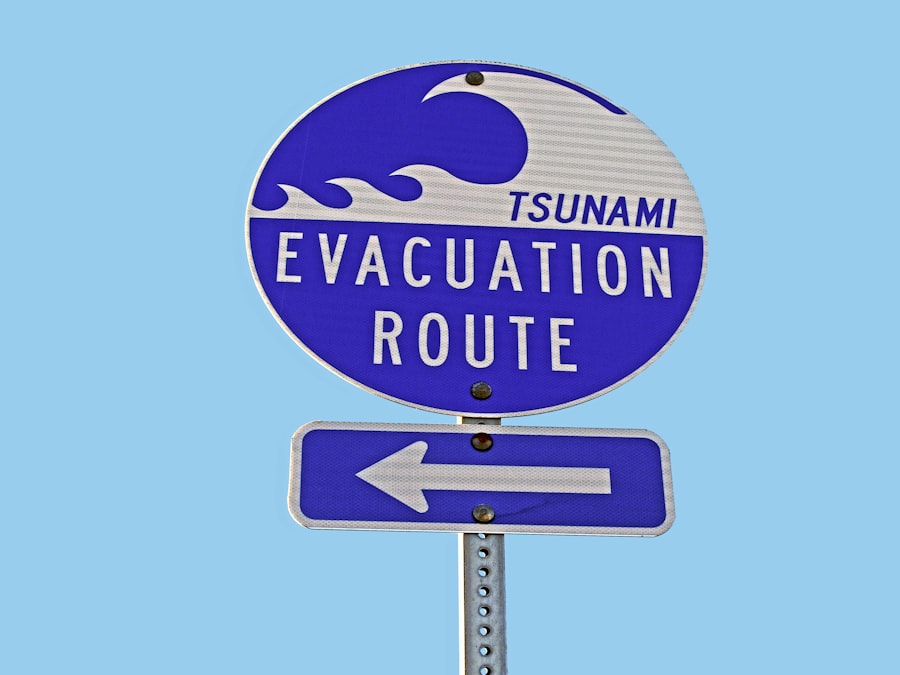
The film showcases successful community-led initiatives, such as the establishment of clear evacuation routes, regular tsunami drills, and educational programs for schools and residents. The effectiveness of these measures in saving lives is highlighted through compelling narratives of communities that have successfully navigated tsunami threats due to their preparedness. The documentary emphasizes that preparedness is not solely the responsibility of governments but a shared endeavor between authorities and citizens.
Building Resilient Infrastructure
“The Wrath of the Ancients” explores innovative approaches to building more tsunami-resilient infrastructure. This includes the design of elevated buildings, tsunami-resistant materials, and the strategic planning of coastal development to minimize vulnerability. The film showcases examples of communities that have successfully incorporated these principles into their urban planning, demonstrating that it is possible to build in harmony with natural forces. The concept of “living with the waves” rather than simply defending against them is explored.
The Human Element: Stories of Survival and Rebuilding
At its heart, “The Wrath of the Ancients” is a testament to the indomitable spirit of humanity in the face of overwhelming adversity.
Personal Testimonies of Courage and Loss
Throughout the documentary, survivors share their deeply personal stories of loss, resilience, and hope. These narratives provide a profound emotional anchor, reminding viewers of the human cost of tsunamis and the strength of the human spirit in overcoming unimaginable trauma. The film captures the raw emotion of these encounters, allowing the audience to connect on a deeply personal level with the impact of these events.
Rebuilding Lives and Communities
The documentary concludes by showcasing the ongoing efforts of communities to rebuild their lives and their infrastructure in the aftermath of devastating tsunamis. It highlights the immense challenges of recovery, both physically and psychologically, but also celebrates the remarkable capacity for renewal and the enduring sense of community that emerges in times of crisis. The focus on rebuilding underscores the long-term commitment required after such disasters and the importance of sustained support. The film leaves the audience with a profound sense of respect for the power of the ocean and an understanding of the critical importance of preparedness, scientific advancement, and the enduring resilience of the human spirit.

The Forgotten World Beneath the North Sea
FAQs
What is the documentary about?
The documentary explores the evidence of ancient tsunamis and their impact on ancient civilizations.
Where was the documentary filmed?
The documentary was filmed in various locations around the world, including archaeological sites and coastal regions.
Who are the experts featured in the documentary?
The documentary features interviews with leading experts in the fields of archaeology, geology, and tsunami research.
What evidence of ancient tsunamis is presented in the documentary?
The documentary presents evidence such as geological formations, sediment layers, and archaeological findings that indicate past tsunami events.
What can viewers learn from watching the documentary?
Viewers can learn about the impact of ancient tsunamis on human civilizations, the methods used to study ancient tsunamis, and the importance of understanding these events for modern coastal communities.