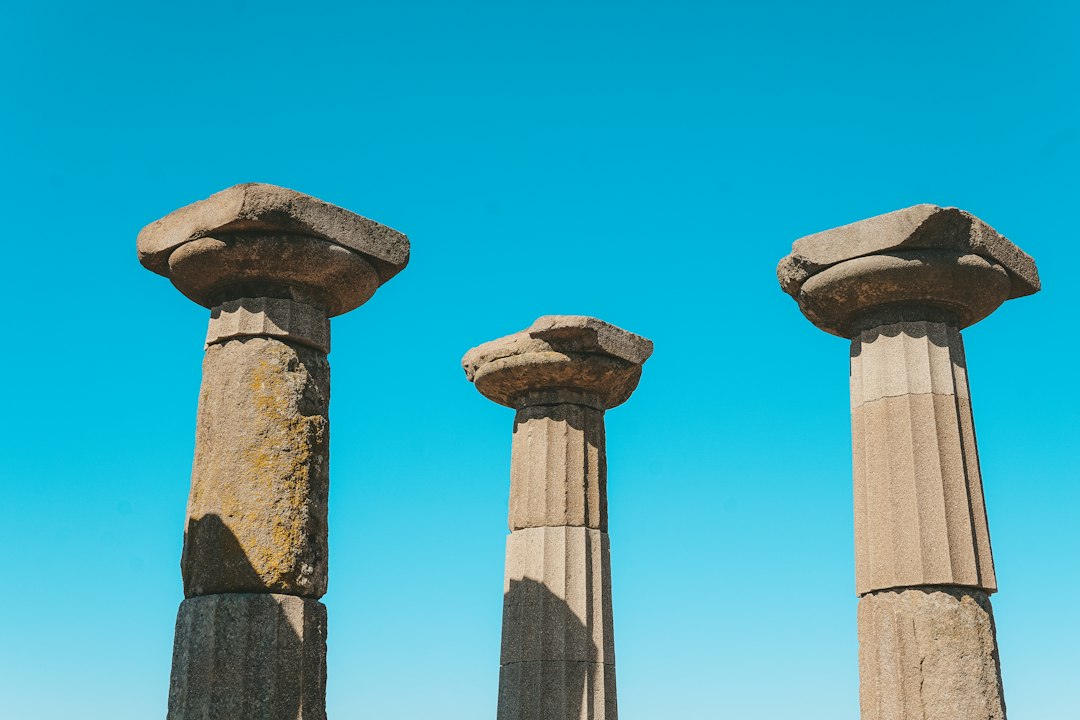
The year 536 BC, a period shrouded in the mists of early recorded history, stands as a stark testament to humanity’s vulnerability in the face of environmental catastrophe. For many across the ancient world, it was a year of profound hardship, marked by a chilling darkness that descended upon the land and a subsequent famine that threatened to decimate populations. This was not a localized disaster; evidence suggests a widespread climatic anomaly, the precise cause of which remained a mystery to those who endured it. The consequences, however, were undeniable and far-reaching, impacting societies from the Mediterranean to the far reaches of Asia.
The descriptions from contemporary sources paint a grim picture. The historian Procopius, writing centuries later, referenced an event that plunged the world into darkness for a year and a half. While Procopius’s account might be tinged with hyperbole, scientific investigations have lent credence to the idea of a significant atmospheric disturbance. Ice core data from Greenland and Antarctica, for instance, reveal a dramatic spike in sulfate aerosols during this period, indicative of massive volcanic eruptions. These eruptions, likely originating in a region capable of injecting vast quantities of dust and gas into the stratosphere, would have had a profound global impact. The fine particles would have reflected sunlight back into space, leading to a significant drop in temperatures and a reduction in the intensity of sunlight reaching the Earth’s surface.
The immediate effects on human life were devastating. Crops failed to grow, leading to widespread starvation. The reduced sunlight would have disrupted agricultural cycles, making it impossible for the essential grains that formed the backbone of ancient diets to mature. The lack of food led to societal unrest, increased mortality rates, and mass migrations as people desperately sought more hospitable lands. For nascent empires and established city-states alike, this was a period of existential crisis. Trade routes faltered, populations dwindled, and the very fabric of social order was tested. The psychological impact must have been immense, as the familiar rhythms of the natural world were violently disrupted, casting a long shadow of fear and uncertainty. The memory of “the year of darkness” likely persisted for generations, becoming a potent symbol of cosmic wrath or natural disaster, woven into the myths and legends of the time. The lack of detailed, contemporaneous written accounts from all affected regions makes a comprehensive understanding of its full scope challenging, yet the scientific evidence and scattered historical fragments combine to paint a chilling portrait of a world plunged into an unprecedented natural calamity.
The Shadow of the Volcano: Unraveling the 536 BC Event
Whispers of Darkness in Ancient Texts
The most compelling contemporary accounts of the 536 BC catastrophe come from the Mediterranean world. The Greek historian Thucydides, though writing about a different period, mentions a severe drought and famine that afflicted Greece. While his timeline is later, the echoes of widespread agricultural failure resonate. More direct, though later, accounts exist. The Byzantine historian Procopius, in his work “The Wars of Justinian,” references a period of prolonged darkness that obscured the sun for eighteen months. He describes a chilling gloom that prevented the sun from shining “as it used to do.” This description aligns remarkably well with the scientific understanding of volcanic winter. The phrase “as it used to do” suggests a return to normalcy after a period of unnatural and prolonged darkness, a characteristic of post-volcanic atmospheric recovery.
Further afield, Chinese historical records also speak of unusual climatic conditions and famine during this period, though pinpointing the exact year can be a challenge with ancient chronologies. These records often describe severe winters, unusual frosts, and widespread crop failures, all consistent with a significant global cooling event. The sheer breadth of these anecdotal accounts, spread across vast geographical distances and different cultural contexts, strengthens the argument for a single, overarching atmospheric event. The lack of precise dating in some older texts should not dismiss their significance; rather, it highlights the challenge of aligning disparate historical records with precise scientific data. The consensus among scholars is that these disparate accounts are likely referring to the same anomalous period.
The Smoking Gun: Ice Cores and Volcanic Signatures
The scientific consensus points towards a massive volcanic eruption as the primary culprit behind the 536 BC gloom. Ice cores drilled from the glaciers of Greenland and Antarctica provide an invaluable archive of past atmospheric conditions. These ice cores contain layers of trapped gases and aerosols, each layer representing a year’s accumulation of snow. By analyzing the chemical composition of these layers, scientists can reconstruct past climate events. In the ice cores from 536 AD (note the shift in dating which is a common point of confusion and scientific debate), a significant spike in sulfate concentration is observed. Sulfates are a common byproduct of volcanic eruptions, and high levels in ice cores indicate that a large amount of sulfur dioxide was injected into the stratosphere.
The Domino Effect: Societal Repercussions
The immediate consequence of the volcanic winter was a devastating blow to agriculture. With reduced sunlight and lower temperatures, growing seasons were drastically shortened or eliminated altogether. This led to widespread crop failures, resulting in severe famine across numerous regions. The impact on societies was profound. In the Roman Republic, which was undergoing significant political and social transformations, the famine would have exacerbated existing tensions and contributed to the widespread unrest that characterized the late Republic. For societies reliant on subsistence agriculture, the failure of crops meant starvation and a collapse of food security. This often led to desperate measures, including widespread migration in search of food and fertile land, further destabilizing communities and potentially leading to conflict. The psychological toll of such prolonged hardship cannot be overstated. Living under a perpetually darkened sky, facing starvation, and witnessing the suffering of loved ones would have had a profound impact on the collective psyche of ancient populations, shaping their beliefs, their art, and their understanding of the world.
In exploring the tumultuous periods of ancient history, one cannot overlook the significance of the “Three Bad Years,” a term often associated with the devastating famines that struck various civilizations. These events not only impacted agricultural production but also led to social upheaval and shifts in power dynamics. For a deeper understanding of how government control and resource management can influence societal stability, you may find the article on government-controlled assets insightful. It provides a comprehensive overview of how such mechanisms can either mitigate or exacerbate crises throughout history. To read more, visit this article.
The Crimson Tide: The Black Death’s Devastating Arrival in 1347 AD
The year 1347 AD marks a terrifying turning point in human history, the year the bubonic plague, later known as the Black Death, first made its devastating landfall in Europe. This was not merely an epidemic; it was a cataclysm that would reshape the continent’s demographics, economy, and social fabric for centuries to come. The plague, caused by the bacterium Yersinia pestis, spread rapidly along trade routes, carried by fleas that infested black rats. The speed and lethality of this disease were unprecedented, overwhelming the limited medical knowledge and public health infrastructure of the time.
The initial outbreak was traced to the port of Messina in Sicily, where Genoese trading ships, having sailed from the Black Sea, brought with them the deadly contagion. The horrifying symptoms – fever, chills, vomiting, and the characteristic swollen lymph nodes called buboes – were met with terror and bewilderment. As the plague spread inland, it moved with an unstoppable ferocity, leaving behind a trail of death and despair. Towns and cities were decimated, with entire families and communities wiped out. The sheer scale of mortality was staggering, with estimates suggesting that the Black Death killed between 30% and 60% of Europe’s population within a few short years. This demographic collapse had profound and lasting consequences, impacting everything from labor availability and wages to religious beliefs and artistic expression.
The Gateway of Contagion: Messina and the Genoese Ships
The arrival of the Black Death in Europe is often pinpointed to the autumn of 1347, when several Genoese galleys docked in the Sicilian port of Messina. These ships, having traded in the Genoese colony of Caffa (modern-day Feodosia) on the Crimean Peninsula, were unwittingly carrying a cargo far more lethal than any merchandise. Caffa itself had been besieged by the Mongol Golden Horde, who, according to some accounts, employed a gruesome biological warfare tactic by catapulting infected corpses into the city. While the veracity of this specific tactic is debated, it is clear that the plague was rampant in the Black Sea region.
When the Genoese ships arrived in Messina, the dying sailors and the stench of death emanating from their vessels were a clear warning sign. However, the full horror of what they were bringing was not yet understood. The rats on board, carrying infected fleas, disembarked and began to spread the disease to the unsuspecting port city. From Messina, the plague spread with terrifying rapidity, moving inland and along the coasts, facilitated by the extensive trade networks that connected medieval Europe. Ships, as mobile vectors, played a crucial role in its swift dissemination, carrying the disease from one port to another, creating a vast and interconnected web of infection. The speed with which the plague infiltrated port cities across the Mediterranean and beyond underscores the interconnectedness of the medieval world, a connection that, in this instance, proved to be a death sentence.
The concept of enduring hardship is not new, as evidenced by the struggles faced in ancient civilizations. One notable example is the three bad years that impacted various societies, leading to famine and social unrest. These events highlight the importance of effective resource management, much like the innovative techniques used in the ancient Persian qanat system. For a deeper understanding of how ancient cultures adapted to their environment, you can read more about this remarkable water management system in the article on the ancient Persian qanat system.
The Unseen Enemy: Understanding the Plague’s Mechanics
The bacterium Yersinia pestis is the culprit behind the bubonic plague. This microscopic organism is primarily transmitted to humans through the bite of infected fleas, which in turn typically infest rodents, most notably the black rat. When an infected flea bites a human, it regurgitates the bacteria into the bloodstream. The bacteria then multiply rapidly, often leading to inflammation and swelling of the lymph nodes, particularly in the groin, armpits, and neck, forming the characteristic buboes.
The bubonic form of the plague, while deadly, is not the only manifestation. The disease can also progress to pneumonic plague, which affects the lungs and can be spread directly from person to person through airborne droplets, making it far more contagious. Septicemic plague occurs when the bacteria multiply in the bloodstream, leading to widespread infection and often a rapid, fatal outcome. Medieval physicians, lacking knowledge of germ theory, were ill-equipped to understand the disease’s transmission. Explanations ranged from miasmas (bad air) to divine punishment, leading to ineffective and sometimes harmful treatments. The absence of a scientific understanding of contagion meant that sanitation efforts were rudimentary, and quarantine measures, while sometimes implemented, were often too late or insufficient to stem the tide of infection. The unseen nature of the bacterium, coupled with the limited scientific understanding of the time, rendered medieval populations largely defenseless against this microbial onslaught.
The Echoes of Mortality: Societal Transformation
The demographic impact of the Black Death was nothing short of apocalyptic. The death toll was so immense that it fundamentally altered the power dynamics between the surviving population. In a society heavily reliant on agricultural labor, the drastic reduction in the workforce meant that peasants and laborers were suddenly in high demand. This led to an unprecedented rise in wages and a weakening of the feudal system, as serfs found themselves with greater bargaining power. Landowners, struggling to find workers, were forced to offer better terms or risk their land lying fallow.
Beyond economics, the plague had profound psychological and religious consequences. The pervasive death and suffering led to widespread despair and a questioning of established religious doctrines. Some saw the plague as divine punishment, leading to increased piety and the rise of flagellant movements. Others turned to more hedonistic pursuits, believing that life was short and uncertain. The art and literature of the period reflect this profound sense of mortality, with themes of death, decay, and the danse macabre becoming increasingly prominent. The Black Death also spurred advancements in public health, albeit slowly. Cities began to implement more rigorous quarantine measures, and the concept of public health departments slowly began to emerge. While the immediate years were marked by unimaginable suffering, the long-term consequences of the Black Death included a restructuring of society, a shift in economic power, and a lasting impact on the collective consciousness of Europe.
The Wrath of Vesuvius: Pompeii and Herculaneum Erupt in 79 AD
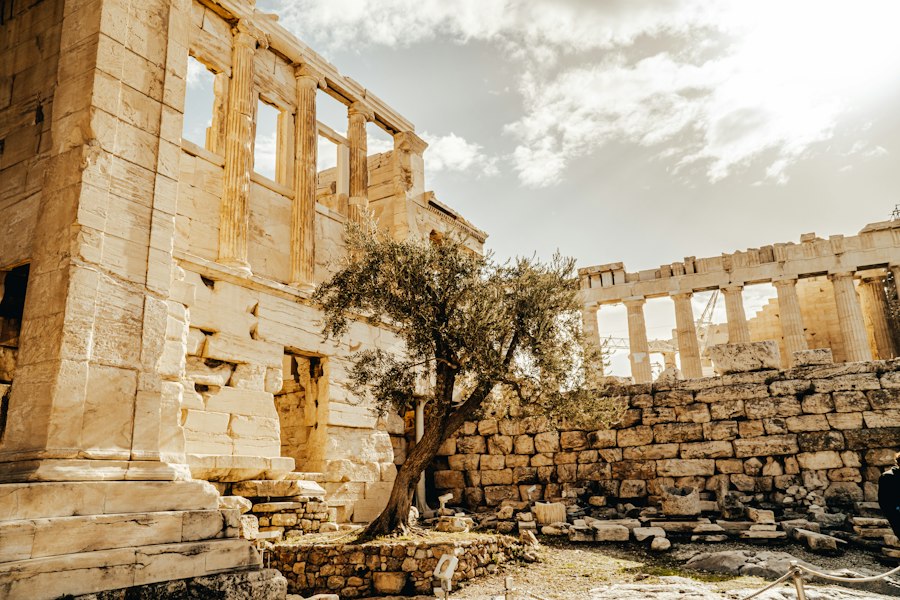
The year 79 AD witnessed one of history’s most dramatic and well-documented volcanic eruptions, the destruction of the Roman cities of Pompeii and Herculaneum by Mount Vesuvius. This catastrophic event, while localized compared to the global impacts of 536 BC or the widespread devastation of the Black Death, offers a uniquely preserved glimpse into Roman life, frozen in time by the ash and pumice of the eruption. For the inhabitants of these bustling cities, the day began as any other, oblivious to the slumbering giant that lay dormant above them.
The eruption was not a sudden explosion but a series of increasingly violent phases. Initially, a column of ash and rock rose miles into the atmosphere, creating a spectacular and terrifying spectacle. However, the true destructive force of Vesuvius came with the pyroclastic flows – superheated clouds of gas, ash, and volcanic debris that surged down the mountainside at incredible speeds. These flows were incandescent and suffocating, engulfing everything in their path. Pompeii was buried under several meters of ash and pumice, while Herculaneum was overwhelmed by a superheated mudflow that solidified, preserving organic materials to an extraordinary degree. The chilling final moments of the inhabitants of these cities have been captured for eternity, providing an unparalleled archaeological window into the Roman world and a stark reminder of nature’s overwhelming power.
The Mountain Awakens: Precursors and Initial Outburst
Mount Vesuvius had been dormant for centuries, and its inhabitants had grown accustomed to its presence, even cultivating its fertile slopes. However, seismic activity had been increasing in the years leading up to the eruption, with notable earthquakes in 62 AD and 64 AD. These tremors would have been a worrying sign for those who understood the potential power of volcanoes, but for many, they were likely dismissed as minor disturbances.
The eruption itself began on August 24, 79 AD, with a powerful explosion that sent a massive column of volcanic material kilometers into the stratosphere. This initial phase was characterized by an explosive discharge of ash, pumice, and gas. The sky over the Bay of Naples turned dark, and a rain of lightweight pumice stones began to fall on Pompeii. This pumicefall, while causing damage and disruption, was not immediately lethal for most. Many residents attempted to flee, but the increasingly severe conditions and the sheer volume of falling debris made escape treacherous. The sheer spectacle of the eruption, with its towering ash column, would have been both awe-inspiring and terrifying, a clear sign that the mountain was alive and angry.
The Fury Unleashed: Pyroclastic Surges and Suffocation
The most devastating phase of the Vesuvius eruption, particularly for Herculaneum, was the series of pyroclastic flows. These are the fastest and hottest volcanic phenomena, consisting of incandescent gas, ash, and rock fragments that race down the volcano’s flanks at speeds exceeding 100 kilometers per hour. The temperatures within these flows could reach several hundred degrees Celsius.
When the first pyroclastic surge struck Herculaneum, it was a superheated blast that instantly vaporized water and incinerated organic matter. The thick mudflow that followed, mixed with volcanic debris, buried the city under many meters of material, hardening into a dense rock. This burial, while destructive, acted as an exceptional preservative. In Pompeii, while ash and pumice were the primary burying agents, pyroclastic surges also swept through, contributing to the high death toll. The victims of Pompeii were largely suffocated by the fine ash and gases or killed by collapsing buildings. The famous plaster casts of Pompeii are not the actual bodies, but voids left by decomposed bodies filled with plaster by archaeologists, revealing the final, agonizing postures of the victims. These casts provide a poignant and visceral connection to the human tragedy of that fateful day.
A Window to the Past: Archaeological Treasures
The destruction of Pompeii and Herculaneum, while a tragedy, has yielded an unparalleled archaeological treasure trove. The volcanic material that entombed these cities acted as a time capsule, preserving buildings, artifacts, and even the everyday details of Roman life with astonishing fidelity. Excavations began in the 18th century and have continued for centuries, revealing intact homes, shops, temples, public baths, and theaters.
The frescoes adorning the walls of Pompeian villas offer insights into Roman art, mythology, and domestic life. Mosaics reveal intricate craftsmanship and decorative styles. The streets, with their stepping stones and chariot ruts, paint a picture of daily urban activity. In Herculaneum, the preservation of organic materials is even more remarkable. Carbonized wooden furniture, textiles, scrolls, and even food items have been recovered, providing a unique glimpse into the material culture of the Roman world. The detailed graffiti found on walls offer a more informal and intimate connection to the lives of ordinary people, their thoughts, their loves, and their complaints. The unearthed artifacts allow historians and archaeologists to reconstruct the social, economic, and religious aspects of Roman life with a level of detail rarely afforded by other ancient sites, making the eruption of Vesuvius a pivotal event not just in natural history, but in our understanding of human history itself.
Your 401(k) Withdrawal Can Make More of Your Social Security Taxable
FAQs
1. What were some major events that occurred during the three bad years in ancient history?
During the three bad years in ancient history, there were widespread famines, plagues, and political unrest in various regions. These events led to significant disruptions in daily life and had long-lasting effects on the affected populations.
2. Which ancient civilizations were particularly impacted by the three bad years?
Ancient civilizations such as the Roman Empire, Han Dynasty in China, and Gupta Empire in India were particularly impacted by the three bad years. These powerful empires faced challenges such as food shortages, disease outbreaks, and internal conflicts during this period.
3. How did the three bad years in ancient history contribute to social and economic changes?
The three bad years in ancient history contributed to social and economic changes by weakening established power structures, causing population decline, and disrupting trade networks. These challenges forced societies to adapt and led to shifts in political and economic systems.
4. Were there any notable figures who emerged during the three bad years in ancient history?
Yes, some notable figures emerged during the three bad years in ancient history, including leaders who rose to power during times of crisis, scholars who documented the events of the period, and individuals who provided aid to those in need. These figures played important roles in shaping the outcomes of the tumultuous years.
5. How did the three bad years in ancient history influence future generations and historical narratives?
The three bad years in ancient history left a lasting impact on future generations and historical narratives by serving as cautionary tales of the consequences of societal upheaval. The events of this period have been studied and analyzed by historians to better understand the resilience of civilizations in the face of adversity.