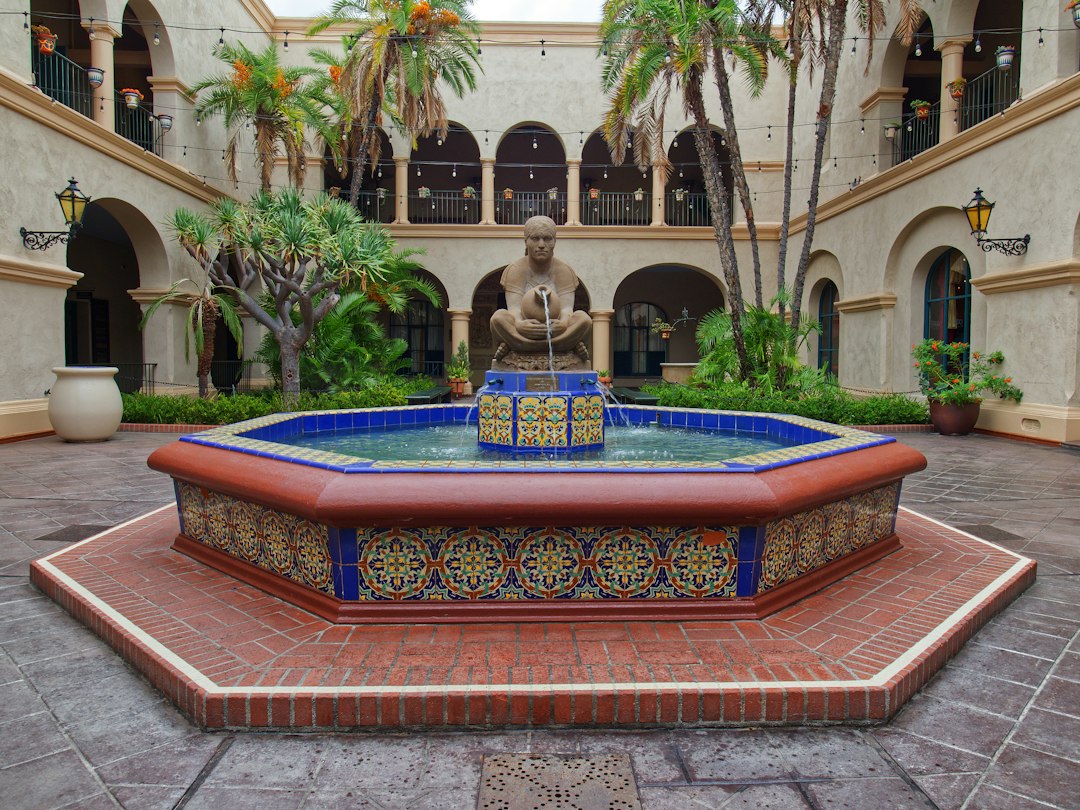
The allure of a timeless sanctuary, a place where dappled sunlight paints shifting patterns on ancient stone and the gentle murmur of water offers a constant, soothing soundtrack, is a universal human desire. For centuries, architects and garden designers have sought to capture this essence, and few styles embody it as profoundly as the ancient shaded courtyard. This design, born from necessity and refined by aesthetic sensibility, offers a profound connection to nature and a profound sense of peace. It is a testament to the enduring power of thoughtful, integrated design, a space that transcends fleeting trends to offer a sanctuary for the soul.
The ancient shaded courtyard was not conceived purely as an aesthetic exercise; its origins are deeply rooted in practical considerations, particularly in the hot and arid climates where many of these designs first flourished. The need for respite from intense sun and heat was paramount, leading to architectural solutions that prioritized coolness and shade. Yet, from these functional necessities, a sophisticated and enduring aesthetic emerged.
Climate as a Catalyst for Design
In regions like the Mediterranean, the Middle East, and parts of Asia, the relentless sun dictated building practices. Thick, insulative walls, often made of stone or adobe, were employed to buffer against extreme temperatures. The courtyard, positioned at the heart of a building or complex, acted as a natural air conditioner. Its enclosed nature allowed for the creation of microclimates, cooler and more humid than the surrounding environment.
The Role of Orientation and Massing
The placement and form of buildings surrounding the courtyard were crucial. Walls were oriented to minimize direct sun exposure during the hottest parts of the day. Overhanging eaves and strategically placed colonnades provided additional shade. The sheer mass of the surrounding architecture absorbed heat during the day and slowly released it at night, moderating internal temperatures. This understanding of thermal dynamics, often intuitively applied, laid the groundwork for the enduring appeal of these spaces.
The Courtyard as the Heart of the Home and Community
Beyond mere shelter, the courtyard became the pulsating heart of domestic and communal life. It was a space for gathering, for socializing, for the performance of daily chores, and for quiet contemplation. Its central location made it accessible from all parts of the dwelling, fostering a sense of unity and connection.
A Social Hub for Daily Life
In traditional homes, the courtyard was where families would congregate. Meals were often taken al fresco, shaded from the sun. Children played, elders shared stories, and artisans worked in the cool embrace of the courtyard. This integration of daily life within the shaded space imbued it with a deep sense of intimacy and belonging.
A Microcosm of Nature
The courtyard was also a place where nature could be brought into the built environment. The presence of water, either in a central fountain or a surrounding channel, was a vital element, not only for cooling but also for its calming auditory and visual effects. Lush vegetation, carefully selected for its ability to thrive in the specific climate and provide shade, further enhanced the sense of an oasis.
Ancient shaded courtyards have long been a hallmark of architectural design, providing a serene escape from the heat while fostering social interaction. These spaces often reflect the cultural values and environmental adaptations of their creators. For a deeper understanding of how ancient civilizations approached design and urban planning, you may find the article “Uncovering Evidence of Ancient Advanced Civilizations” insightful. It explores the ingenuity of past societies and their contributions to architectural practices, including the significance of shaded courtyards. You can read more about it here: Uncovering Evidence of Ancient Advanced Civilizations.
Elements of Timeless Charm: The Building Blocks of Tranquility
The enduring appeal of ancient shaded courtyards lies in the harmonious interplay of their fundamental elements. These are not mere decorative features but integral components that contribute to the overall atmosphere of serenity and timelessness. Each element, from the materials used to the water features, plays a crucial role in crafting this unique experience.
The Enduring Beauty of Natural Materials
The selection of materials in ancient courtyard design speaks to a deep respect for nature and a preference for durability and understated elegance. Stone, wood, and terracotta are not just building components; they are tactile and visual elements that age gracefully and contribute to the organic feel of the space.
Stone: The Foundation of Solidity and Coolness
Stone, in its myriad forms, is perhaps the most defining material. Paving stones, walls, and decorative elements crafted from local stone provided excellent thermal mass, absorbing and radiating heat slowly. The varied textures and colors of stone, from the warm tones of sandstone to the cool greys of slate, added visual depth and character. Ancient stonework, worn smooth by time and touch, carries a palpable sense of history.
Wood: Warmth and Visual Appeal
While less prevalent in the hottest climates due to its flammability, wood was often used for pergolas, trellises, and decorative screens. Its warmth contrasted beautifully with the coolness of stone, and its ability to support climbing plants made it an essential element for creating vertical shade. Weathered wood, with its silvery patina, further enhanced the sense of age and authenticity.
Terracotta and Ceramics: Color and Craftsmanship
Terracotta tiles, whether for flooring or decorative accents, introduced earthy tones and a sense of handcrafted artistry. Glazed ceramic tiles, often in vibrant blues and greens, were used to adorn fountains, walls, and benches, adding touches of color and reflecting light. These elements spoke of a rich cultural heritage and a dedication to artisanal skill.
The Life-Giving Presence of Water
Water is an indispensable element in the ancient shaded courtyard, serving both practical and symbolic purposes. Its presence brings a sense of life, movement, and auditory pleasure, transforming the space into a true oasis.
Fountains: The Heartbeat of the Courtyard
Central fountains, often elaborately carved, were the focal point of many courtyards. The gentle splashing of water created a soothing soundscape, masking external noises and promoting relaxation. The evaporation of water also contributed to the cooling effect of the microclimate. The design of these fountains, from simple basins to multi-tiered structures, often reflected the prevailing architectural styles and cultural beliefs.
Reflecting Pools and Channels: Serenity and Light Play
Beyond fountains, reflecting pools and narrow channels of water were also employed. These provided a sense of calm and invited contemplation. The still surface of a reflecting pool mirrored the sky and the surrounding architecture, creating a dynamic interplay of light and shadow. Water channels, sometimes encircling central planting beds, added a subtle layer of coolness and visual interest.
The Art of Strategic Planting: Shade and Scent
The vegetation within an ancient shaded courtyard was carefully chosen to maximize shade, provide fragrance, and enhance the overall aesthetic. Plants were not merely decorative; they were functional elements that contributed to the coolness and sensory richness of the space.
Trees and Tall Shrubs: The Architects of Shade
Larger trees, such as citrus trees, olive trees, or palms, were strategically planted to cast broad canopies, providing essential shade. Their branches often framed views and created a sense of enclosure. Taller shrubs and flowering bushes were used to fill in gaps, soften architectural lines, and introduce bursts of color and scent.
Climbing Plants: Vertical Greenery and Fragrance
Vines and climbing plants played a crucial role in greening the walls and creating a sense of lushness. Jasmine, bougainvillea, and grapevines, with their fragrant blossoms and vibrant foliage, climbed pergolas and trellises, further reducing heat absorption and perfuming the air. The delicate tendrils and cascading flowers added a touch of romanticism.
Fragrant Herbs and Groundcovers: Sensory Delights
Smaller plants, such as rosemary, lavender, and mint, were often planted in beds or pots within the courtyard. Their fragrant foliage released their scent when brushed against, adding another layer to the sensory experience. Groundcovers, like thyme or creeping myrtle, helped to keep the soil cool and suppress weeds.
The Psychological and Sensory Impact: A Sanctuary for the Senses
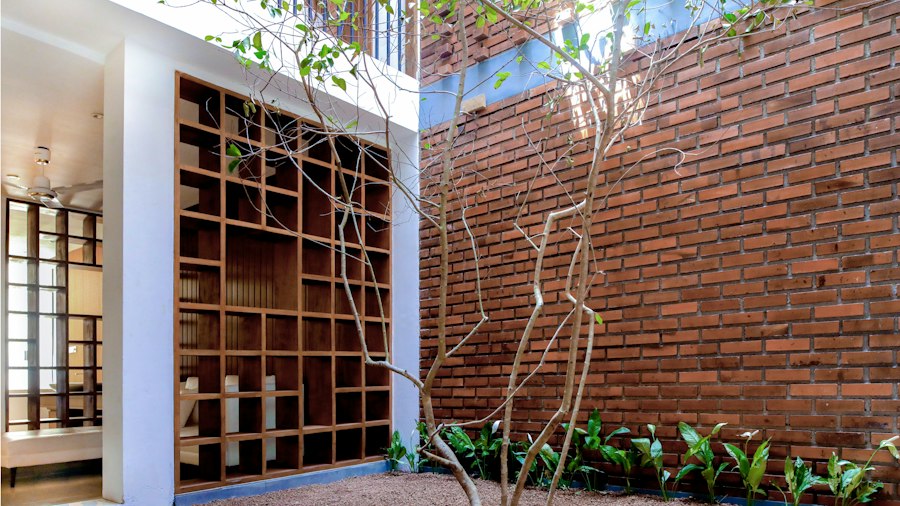
The ancient shaded courtyard is more than just a collection of pleasing elements; it is a carefully orchestrated environment designed to profoundly impact the human psyche and engage all the senses. Its power lies in its ability to create a profound sense of peace, tranquility, and connection.
The Calming Embrace of Enclosure
The inherent enclosure of a courtyard, formed by walls and buildings, creates a sense of security and protection. This feeling of being held within a safe and intimate space can be incredibly comforting, offering respite from the perceived chaos of the outside world. The limited views outward can also encourage inward reflection and focus.
A Sense of Intimacy and Belonging
The close proximity of the surrounding architecture and the shared experience of the courtyard foster a sense of intimacy and belonging. It is a space designed for shared moments, whether quiet contemplation or lively conversation, strengthening bonds between individuals and creating a feeling of community.
Reducing Sensory Overload
In a world often characterized by overwhelming stimuli, the ancient shaded courtyard offers a welcome counterpoint. The controlled environment, the muted sounds of water and rustling leaves, and the soft dappled light create a sanctuary that reduces sensory overload and promotes a sense of calm.
The Symphony of Sound and Scent
The auditory and olfactory experiences within a shaded courtyard are carefully curated to enhance its tranquil atmosphere. The gentle sounds and delicate fragrances work in concert to create a deeply immersive and restorative environment.
The Soothing Rhythms of Water
The constant, gentle sound of flowing or dripping water is a powerful tool for relaxation. It masks intrusive noises, promotes a meditative state, and creates a sense of constant, natural rhythm. The visual aspect of water, whether shimmering in a pool or cascading from a fountain, further enhances its calming effect.
The Aromatic Tapestry of Nature
The carefully selected plantings contribute to a rich aromatic tapestry. The sweet scent of jasmine, the invigorating aroma of mint, or the herbaceous notes of rosemary create a fragrant atmosphere that soothes the mind and stimulates the senses. This olfactory richness adds a vital dimension to the overall experience of the courtyard.
The Dance of Light and Shadow: A Living Artwork
The interplay of light and shadow is a defining characteristic of the ancient shaded courtyard. It is a dynamic and ever-changing element that transforms the space throughout the day, creating a sense of living artistry.
Dappled Sunlight and Its Cooling Effect
The shade provided by pergolas, trees, and architectural overhangs creates dappled sunlight that filters through the foliage. This soft, diffused light is more comfortable than direct sunlight and contributes to the cooling effect of the courtyard. The shifting patterns of light and shadow create a constantly evolving visual experience.
The Reflection of Light
The presence of water and light-colored materials, such as stone and glazed tiles, reflects light, further brightening the courtyard and contributing to its cool and airy feel. This strategic use of light creates a sense of spaciousness and vibrancy.
Modern Interpretations and Enduring Relevance
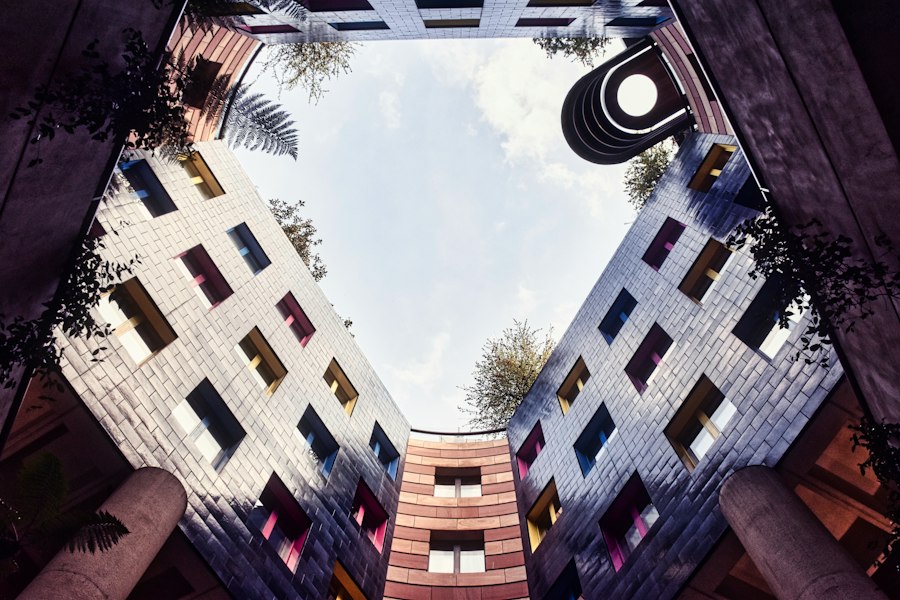
While rooted in antiquity, the principles of ancient shaded courtyard design remain profoundly relevant for contemporary living. Architects and designers continue to draw inspiration from these timeless spaces, adapting them to modern needs and aesthetics while preserving their essential character.
Adapting Ancient Principles to Modern Life
The challenges of modern urban living, with its increasing density and often harsh environmental conditions, make the concept of a private, shaded sanctuary more desirable than ever. Contemporary interpretations of the shaded courtyard address these needs by integrating them into apartments, townhouses, and even commercial spaces.
Small-Space Solutions
Even in limited urban plots, the essence of a courtyard can be captured. Vertical gardens, strategically placed water features, and clever use of shade structures can transform a small balcony or patio into a tranquil retreat. The principles of enclosure and the integration of natural elements remain key.
Sustainable Design Integration
Modern courtyard designs often incorporate sustainable features, such as rainwater harvesting systems, drought-tolerant planting, and energy-efficient lighting. These additions align with the ancient courtyard’s inherent connection to nature and its efficient use of resources.
The Courtyard as a Wellness Space
In an era increasingly focused on well-being and mental health, the ancient shaded courtyard offers a compelling model for creating spaces that promote relaxation and rejuvenation. Its inherent qualities resonate with the growing desire for mindful living and connection to nature.
Promoting Mindfulness and Contemplation
The tranquil atmosphere and sensory richness of a well-designed courtyard encourage mindfulness and contemplation. It provides a dedicated space to disconnect from the digital world and reconnect with oneself and the natural environment.
Enhancing Biophilic Design
The principles of biophilic design, which advocate for the integration of nature into the built environment, are perfectly embodied by the ancient shaded courtyard. Its success lies in its ability to foster a deep and restorative connection with the natural world, promoting human health and well-being.
Ancient shaded courtyard designs have long fascinated architects and historians alike, as they reflect the cultural values and environmental adaptations of past civilizations. These courtyards often served as communal spaces that provided respite from the sun, fostering social interaction and connection with nature. For those interested in exploring the broader context of ancient civilizations, a related article discusses intriguing findings about pre-flood societies and their architectural innovations. You can read more about these discoveries in the article found here.
The Legacy of Timeless Design: A Blueprint for Serenity
| Feature | Description | Common Materials | Purpose | Region | Typical Dimensions |
|---|---|---|---|---|---|
| Shaded Pergola | Wooden or stone framework supporting climbing plants to provide shade | Wood, stone, vines (grape, wisteria) | Cooling and aesthetic appeal | Mediterranean, Middle East | 3-5 meters wide, 2-3 meters high |
| Central Water Feature | Fountain or small pool to cool air and create soothing sounds | Stone, ceramic tiles | Temperature regulation and ambiance | Islamic, Roman, Persian | 1-3 meters diameter |
| Thick Walls | High thermal mass walls to block sun and retain coolness | Adobe, stone, brick | Temperature control | Desert regions, North Africa, Middle East | 0.5-1 meter thickness |
| Overhanging Eaves | Extended roof edges to shade courtyard walls and windows | Wood, tile | Reduce direct sunlight | East Asia, Mediterranean | 0.5-1 meter extension |
| Vegetation | Shade trees and shrubs planted within courtyard | Olive, fig, citrus trees | Shade and microclimate improvement | Mediterranean, Middle East | Varies, typically 2-5 meters height |
| Flooring | Stone or tile flooring to keep surface cool | Marble, limestone, ceramic tiles | Heat reflection and durability | Roman, Islamic, Mediterranean | Varies, usually flat and smooth |
The ancient shaded courtyard is more than just an architectural style; it is a philosophy of design that prioritizes human well-being, environmental harmony, and enduring beauty. Its legacy continues to inspire, offering a blueprint for creating spaces that are both functional and profoundly soul-enriching.
A Testament to Enduring Human Needs
The continued appeal of ancient shaded courtyards speaks to enduring human needs for comfort, security, beauty, and connection. These spaces, born from practical necessity, have evolved into timeless sanctuaries that continue to resonate with people across cultures and generations.
The Pursuit of Peace and Tranquility
In a world that often feels overwhelming, the ancient shaded courtyard offers a powerful antidote. It is a physical manifestation of peace and tranquility, a space where one can find solace and rejuvenation. Its design actively promotes a sense of calm and well-being.
The Power of Simplicity and Harmony
The timeless charm of these courtyards lies in their inherent simplicity and the harmonious integration of their elements. There is no excessive ornamentation, but rather a focus on natural materials, the thoughtful arrangement of space, and the graceful interplay of natural forces. This understated elegance is what makes them so enduringly appealing.
The ancient shaded courtyard, with its dappled light, the murmur of water, and the embrace of cool stone, remains a potent reminder of the power of thoughtful design to create spaces that nourish the soul and stand the test of time. It is a blueprint for serenity, a timeless testament to our innate desire for beauty, comfort, and connection with the natural world. Its principles, honed over centuries, continue to offer a valuable guide for creating sanctuaries in our modern lives, proving that true charm is indeed timeless.

How Ancient Cities Stayed Cool Without Air Conditioning
FAQs
What is an ancient shaded courtyard design?
An ancient shaded courtyard design refers to a traditional architectural layout that incorporates shaded areas within a courtyard space, often using elements like trees, pergolas, or architectural features to provide relief from the sun.
What are the benefits of an ancient shaded courtyard design?
An ancient shaded courtyard design offers several benefits, including providing a cool and comfortable outdoor space for relaxation, reducing the heat island effect in urban areas, and creating a visually appealing and tranquil environment.
How can ancient shaded courtyard designs be incorporated into modern architecture?
Ancient shaded courtyard designs can be incorporated into modern architecture by integrating elements like shade structures, greenery, and water features into outdoor spaces, utilizing sustainable materials, and designing with climate and local conditions in mind.
What are some common features of ancient shaded courtyard designs?
Common features of ancient shaded courtyard designs include the use of natural materials like stone and wood, the presence of shade-providing elements such as trees or trellises, the inclusion of seating areas for relaxation, and the incorporation of water features like fountains or ponds.
Are ancient shaded courtyard designs still relevant today?
Yes, ancient shaded courtyard designs are still relevant today as they offer sustainable solutions for creating comfortable outdoor spaces, promoting biodiversity in urban environments, and connecting people with nature and traditional architectural practices.