The echoes of ancient ingenuity resonate through the fabric of modern life, a testament to the enduring power of human innovation. Long before the digital age, before the hum of electricity became commonplace, our ancestors laid the groundwork for much of what we take for granted today. These were not fleeting fads but fundamental advancements that solved critical problems, improved daily living, and ultimately shaped the trajectory of civilization. Examining these timeless inventions offers a profound appreciation for the cleverness and foresight of those who came before us, reminding us that the seeds of progress are often sown in the distant past.
The human need for shelter, protection from the elements, and a stable place to call home is primal. Ancient peoples, driven by this fundamental requirement, developed sophisticated architectural and engineering techniques that continue to influence construction and urban planning. Their understanding of materials, structural integrity, and environmental adaptation laid the groundwork for every building, bridge, and city we inhabit.
The Enduring Power of Stone and Masonry
The ability to shape and manipulate stone was a pivotal moment in human history, allowing for the creation of durable and monumental structures. The precision with which ancient civilizations quarried, transported, and fitted massive stone blocks is still a source of awe.
Pyramids and Temples: Monuments to Human Endeavor
The Egyptian pyramids, with their colossal scale and intricate internal passages, represent an extraordinary feat of ancient engineering. The sheer volume of material moved and assembled, often without the aid of modern machinery, speaks to an advanced understanding of geometry, leverage, and organization. Similarly, the ziggurats of Mesopotamia and the temples of Greece and Rome, built with carefully cut and fitted stones, demonstrate a mastery of structural principles that have allowed them to withstand millennia. The precise angles and interlocking techniques employed ensured stability and longevity, principles still observed in modern construction, albeit with vastly different tools.
Aqueducts: The Lifeline of Ancient Cities
The Roman aqueducts are perhaps the most striking example of ancient hydraulic engineering. These gravity-fed systems, built with arches and precise gradients, transported vast quantities of fresh water over miles, transforming arid landscapes into thriving urban centers. The mathematical understanding required to maintain the consistent slope necessary for water flow is remarkable. These structures not only provided essential resources for drinking and sanitation but also facilitated public baths and fountains, contributing significantly to the quality of life and public health in ancient Roman cities. The ingenuity of their design, utilizing natural forces to deliver a vital resource, remains a benchmark for sustainable infrastructure.
The Art of Working with Materials
Beyond stone, ancient peoples developed sophisticated methods for working with other materials, transforming raw resources into tools, containers, and artistic expressions that enhanced their lives.
Pottery and Ceramics: Vessels of Daily Life
The invention of pottery, dating back to the Neolithic period, revolutionized food storage, preparation, and transportation. The ability to create waterproof containers from clay allowed for the boiling of food, preserving perishables, and the transport of liquids over longer distances. The firing process, which turned soft clay into a durable material, was a significant technological leap. Different cultures developed unique styles and glazing techniques, showcasing both their practical needs and their artistic sensibilities. From simple cooking pots to ornate decorative vessels, pottery played an indispensable role in the daily lives of ancient peoples and its principles continue to be fundamental to the ceramics industry today.
Early Metallurgy: Shaping the World with Metal
The discovery and manipulation of metals marked a profound turning point. The Bronze Age and Iron Age saw the creation of stronger tools, weapons, and implements that dramatically increased human capabilities. The smelting process, which involved heating ores to extract pure metal, and the subsequent forging and casting techniques, required a deep understanding of chemistry and physics.
Bronze Tools and Weapons: A Revolution in Warfare and Agriculture
The development of bronze, an alloy of copper and tin, produced tools and weapons that were superior to those made from stone or bone. Bronze axes could fell trees more efficiently, bronze plows could till the soil more effectively, and bronze swords and armor offered a significant advantage in conflict. The control of bronze production, often a closely guarded secret, led to the rise and fall of empires, demonstrating the immense power that control over essential resources could wield.
Iron: The Material of Empires
The advent of ironworking, while perhaps initially less refined than bronze, eventually led to even more widespread and accessible tools and weapons. Iron ore was more abundant than the components needed for bronze, making iron more democratically available. Iron tools facilitated larger-scale agriculture, supporting growing populations, and iron weapons became the backbone of many ancient armies. The ability to produce large quantities of strong, durable tools and weapons fundamentally reshaped societies and warfare.
Ancient inventions have laid the groundwork for many modern technologies that continue to function effectively today. For instance, the principles behind the Archimedes screw, an ancient device used for raising water, are still utilized in various applications, including irrigation and sewage systems. This enduring relevance of ancient innovations highlights the ingenuity of early civilizations. To explore more about how human ingenuity continues to evolve and adapt, you can read a related article on securing long-term human presence on the Moon at this link.
The Power of Communication and Knowledge: Writing, Mathematics, and Philosophy
The ability to record, transmit, and build upon knowledge is the bedrock of civilization. Ancient innovations in writing systems, mathematics, and philosophical inquiry provided the tools and frameworks for collective learning and the development of complex societies.
The Dawn of Written Records: Preserving Thought and History
The invention of writing was arguably one of the most transformative developments in human history, allowing for the permanent recording of ideas, laws, history, and culture. Before writing, knowledge was primarily transmitted orally, subject to the vagaries of memory and interpretation.
Cuneiform and Hieroglyphs: The First Written Languages
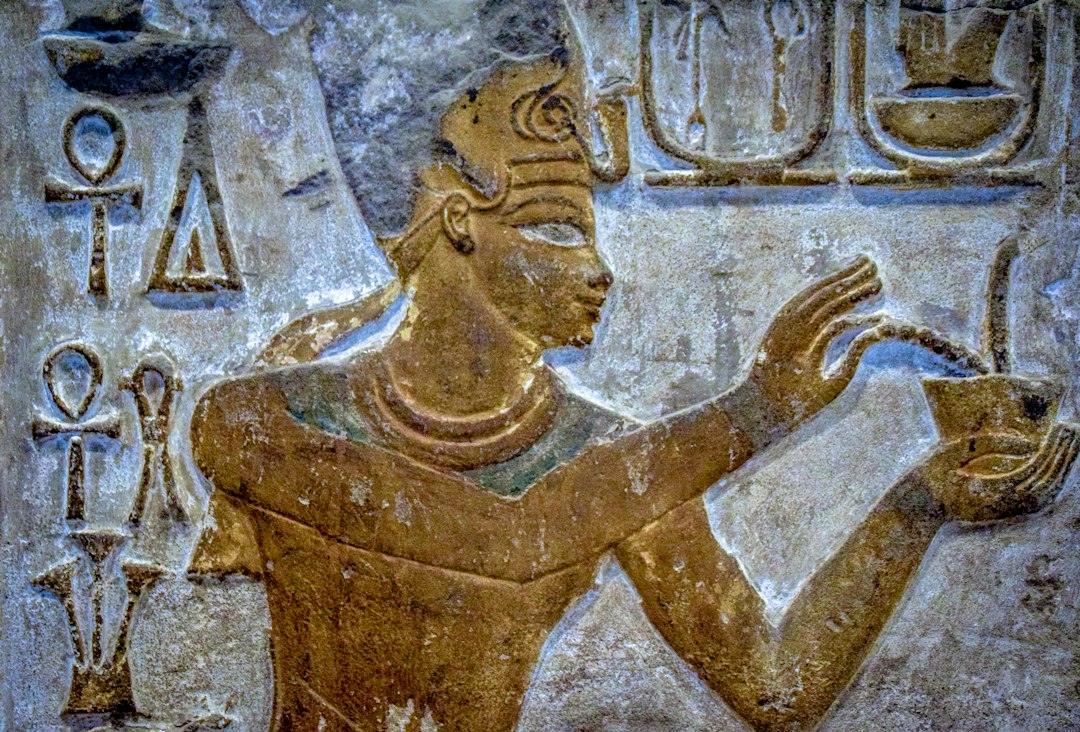
The earliest known writing systems, cuneiform developed in Mesopotamia and hieroglyphs in ancient Egypt, emerged around the same time. Cuneiform, etched onto clay tablets, was used for administrative, economic, and literary purposes. Hieroglyphs, carved into stone or painted on papyrus, served religious, monumental, and administrative functions. These systems, though complex, allowed for the meticulous recording of information, fostering literacy, bureaucracy, and the preservation of cultural heritage for future generations. The decipherment of these ancient scripts has unlocked vast repositories of knowledge about these lost civilizations.
The Alphabet: Democratizing Literacy
The development of alphabetic writing, originating in the Levant, represented a significant simplification and democratization of writing. Instead of hundreds of individual characters, alphabetic systems utilized a smaller set of symbols representing sounds, making them far easier to learn and use. This innovation facilitated wider literacy and the dissemination of ideas across broader segments of society. The Phoenician alphabet, in particular, became the ancestor of many modern alphabets, including Greek, Latin, and Hebrew, underscoring its profound and lasting impact.
The Language of the Universe: Ancient Mathematics and Astronomy
The quest to understand the cosmos and to quantify the world around them led to remarkable advancements in mathematics and astronomy. These disciplines provided the tools for sophisticated engineering, navigation, and the prediction of natural phenomena.
Babylonian Mathematics: Place Value and Algebra
The Babylonians developed a sophisticated sexagesimal (base-60) number system, which included the crucial concept of place value. This allowed them to perform complex calculations and record astronomical observations with remarkable accuracy. They also developed early forms of algebraic equations, laying the groundwork for future mathematical discoveries. Their astronomical observations, meticulously recorded over centuries, provided a rich dataset that informed later scientific inquiry.
Greek Geometry: The Foundation of Modern Mathematics
The ancient Greeks, particularly figures like Euclid, formalized geometry into a rigorous axiomatic system. Euclid’s “Elements” became a foundational text for mathematics and science for over two millennia, introducing concepts like axioms, postulates, and theorems that are still taught today. Their work in geometry provided the essential language for describing shapes, spaces, and relationships, fundamental to everything from architecture and art to physics and engineering.
Celestial Observations: Predicting the Stars and Seasons
Ancient civilizations across the globe, from the Maya to the Chinese to the Egyptians, meticulously observed the night sky. They tracked the movements of the sun, moon, and stars, developing calendars and predicting celestial events. These observations were crucial for agriculture, religious ceremonies, and navigation. The intricate alignment of ancient structures with celestial bodies, like Stonehenge or the Mayan pyramids, demonstrates a deep connection between the earthly and the cosmic in their worldview.
The Pursuit of Wisdom: Ancient Philosophy and Ethics
Beyond the practical, ancient thinkers grappled with fundamental questions about existence, morality, and the nature of society. Their philosophical inquiries established frameworks for ethical conduct, political thought, and the pursuit of knowledge itself.
Socrates, Plato, and Aristotle: Pillars of Western Thought
The philosophical giants of ancient Greece, Socrates, Plato, and Aristotle, laid the foundations for much of Western philosophical and scientific thought. Socrates’ method of questioning, Plato’s theory of Forms, and Aristotle’s empirical approach to understanding the world continue to be debated and studied. Their ideas on ethics, politics, logic, and metaphysics shaped intellectual discourse for centuries and remain relevant to contemporary discussions.
Eastern Philosophies: Paths to Harmony and Enlightenment
Concurrent with Western developments, ancient Eastern philosophies, such as Buddhism, Confucianism, and Taoism, offered profound insights into human nature, ethics, and the pursuit of inner peace and societal harmony. These traditions emphasized mindfulness, compassion, ethical conduct, and the interconnectedness of all things, providing enduring frameworks for living a meaningful life. Their influence continues to shape cultural values and spiritual practices across vast populations.
The Engine of Progress: Ancient Technologies of Daily Life

Many of the most impactful ancient inventions were those that directly improved the quality of daily life, making tasks more efficient and comfortable, and freeing up time for other pursuits.
The Revolution of the Wheel and Axle
The invention of the wheel, arguably one of the most fundamental and impactful innovations, revolutionized transportation and mechanics. Its application in chariots, carts, and wagons transformed the ability to move goods and people, enabling trade, exploration, and the growth of settlements.
Early Wheeled Vehicles: Transforming Trade and Warfare
The earliest evidence of wheeled vehicles comes from Mesopotamia and the Indus Valley, dating back to the 4th millennium BCE. These early carts, pulled by domesticated animals, dramatically increased the efficiency of transporting heavy loads. This innovation facilitated long-distance trade, allowing for the exchange of goods and ideas between different regions, and contributing to the growth of larger, more complex societies. In warfare, chariots provided a mobile platform for archers and warriors, changing the dynamics of ancient battles.
The Wheel in Mechanics: From Grinding to Water Management
Beyond transportation, the principle of the wheel found application in various mechanical devices. Water wheels, developed in the ancient world, harnessed the power of flowing water to grind grain, irrigate fields, and power early forms of machinery. The potter’s wheel, a specialized application of the same principle, allowed for the rapid and uniform shaping of clay, vastly increasing the production of pottery. These mechanical applications of the wheel highlight its versatility and its role as a foundational element in technological development.
The Power of Fire: Control, Cooking, and Craftsmanship
The controlled use of fire was a monumental step for early humans, transforming their diet, safety, and technological capabilities. The ability to harness and manipulate this powerful force unlocked a cascade of benefits.
Cooking and Food Preservation: Enhancing Diet and Health
The advent of cooking, made possible by the control of fire, allowed early humans to render food more digestible, kill harmful bacteria, and unlock nutrients that were otherwise inaccessible. This led to improved health, longer lifespans, and the ability to utilize a wider range of foodstuffs. Cooked food also provided greater caloric intake, supporting larger brain development and more active lifestyles. Furthermore, smoking and drying food using fire helped preserve it, allowing communities to store food for leaner times.
Metallurgy and Craftsmanship: Shaping the World with Heat
As mentioned earlier, the controlled application of heat was essential for the development of metallurgy, allowing for the extraction of metals from ores and their subsequent shaping into tools, weapons, and art. Beyond metalworking, fire was crucial for pottery production, glassmaking, and the creation of other durable materials. The manipulation of heat allowed ancient artisans and craftspeople to transform raw materials into objects of both utility and beauty, laying the groundwork for specialized crafts and industries.
The Art of Weaving and Textiles: Clothing, Comfort, and Commerce
The development of weaving and the creation of textiles provided essential clothing for protection from the elements and also played a significant role in trade and social status.
Early Loom Technology: From Simple Threads to Complex Fabrics
The earliest evidence of weaving suggests the use of simple tools and techniques, perhaps using fingers or basic frames. Over time, more sophisticated looms were developed, allowing for the creation of intricate patterns and stronger, more durable fabrics. The ability to produce textiles transformed human comfort and allowed for adaptation to diverse climates. Different cultures developed distinct weaving styles and natural dyes, creating a rich tapestry of textile art.
The Economic and Social Significance of Textiles
Textiles were not merely functional; they were also significant commodities. The production and trade of cloth played a crucial role in ancient economies, and certain fabrics or styles could denote social status or wealth. The development of specialized textile crafts led to the rise of skilled artisans and merchants, contributing to the complexity of ancient societies. The demand for dyes and raw materials also drove trade routes and interactions between different cultures.
The Legacy of Ancient Navigation and Exploration: Charting the Seas and Skies
The innate human desire to explore the unknown, coupled with the need for trade and migration, spurred the development of sophisticated navigation techniques that allowed ancient peoples to venture beyond their immediate horizons.
Navigating the Waters: From Coastal Hopping to Open Seas
The ability to cross bodies of water, initially by venturing short distances from shore, eventually led to more ambitious voyages. The development of seaworthy vessels and rudimentary navigational tools was critical.
Early Boats and Ships: Vessels of Trade and Exploration
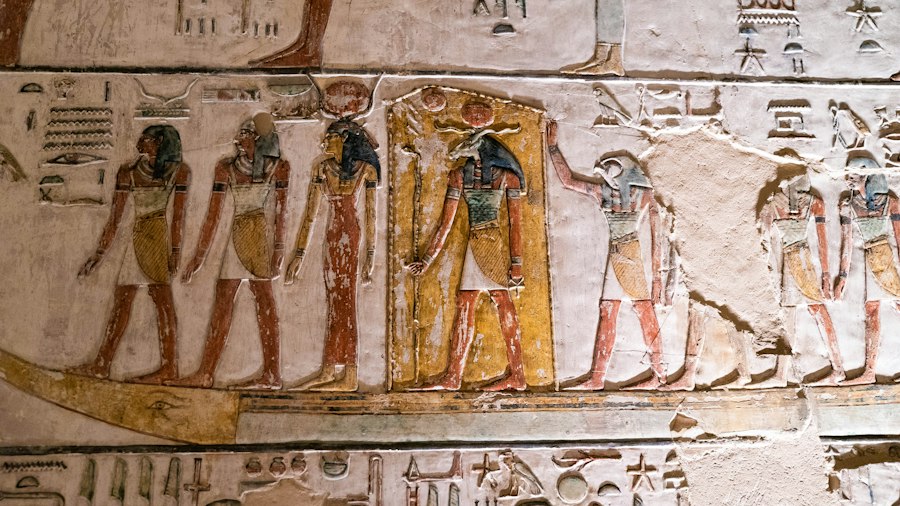
The earliest boats were likely simple rafts or dugout canoes. Over time, advancements in shipbuilding led to more complex vessels, such as the reed boats of ancient Egypt and the more robust wooden ships of the Phoenicians and Greeks. These innovations allowed for longer voyages, facilitating trade between distant lands and enabling migration to new territories. The development of sails, allowing vessels to harness wind power, was a particularly significant advancement in seafaring technology.
Celestial Navigation: The Stars as Guides
While early navigation relied heavily on landmarks and coastal features, ancient mariners also began to use the stars and other celestial bodies for guidance. By observing the position of the sun during the day and constellations at night, they could maintain a general course, even when out of sight of land. This rudimentary form of celestial navigation was a crucial step towards more accurate and reliable long-distance voyages, paving the way for future discoveries.
Understanding the Winds and Currents: Mastering the Maritime Environment
Beyond celestial cues, ancient mariners developed an intimate understanding of prevailing winds and ocean currents. This knowledge, often passed down through generations of sailors, allowed them to plan their voyages more effectively and to navigate with greater confidence.
The Importance of Seasonal Winds: The Monsoons and Beyond
The awareness of seasonal wind patterns, such as the monsoons in the Indian Ocean, was vital for enabling regular trade routes. By understanding when certain winds would blow in a particular direction, traders could plan their outbound and return journeys to coincide with favorable conditions, maximizing efficiency and minimizing risk. This understanding of natural cycles was a hallmark of ancient maritime expertise.
Recognizing and Utilizing Ocean Currents
Similarly, ancient sailors learned to recognize and utilize ocean currents, which could either assist or hinder their journeys. By understanding the flow of water, they could strategically use currents to speed up their voyages or to navigate around obstacles. This empirical knowledge, gained through countless voyages, was an invaluable asset for any captain seeking success on the open sea.
Many ancient inventions have stood the test of time, showcasing the ingenuity of early civilizations. For instance, the simple yet effective design of the wheel, which dates back to around 3500 BC, continues to be a fundamental component in modern machinery and transportation. This fascinating topic is explored in greater detail in a related article that discusses various ancient innovations and their lasting impact. You can read more about these incredible discoveries by visiting this article.
The Lasting Impact of Ancient Innovations: A Foundation for the Future
| Invention | Origin | Approximate Date | Purpose | Modern Usage |
|---|---|---|---|---|
| Wheel | Mesopotamia | c. 3500 BCE | Transportation and machinery | Vehicles, machinery, industrial applications |
| Paper | China | c. 105 CE | Writing and documentation | Books, packaging, printing |
| Concrete | Ancient Rome | c. 300 BCE | Construction material | Buildings, infrastructure, roads |
| Compass | China | c. 2nd century BCE | Navigation | Marine, aviation, hiking navigation |
| Glassblowing | Ancient Mesopotamia | c. 1st century BCE | Creating glass objects | Windows, containers, lenses |
| Plumbing | Ancient Rome | c. 6th century BCE | Water supply and sanitation | Modern water systems and sewage |
| Paper Money | China | c. 7th century CE | Currency and trade | Global financial systems |
The inventions of our ancient predecessors were not merely historical curiosities; they were foundational innovations that provided the bedrock upon which modern civilization has been built. The principles of engineering, mathematics, writing, and technology that they pioneered continue to inform and inspire us today.
The Continuum of Progress: Building on Ancient Foundations
It is essential to recognize that modern advancements are rarely born in a vacuum. Nearly every technological leap, from the printing press to the internet, has roots in earlier discoveries. The ancient Greeks’ development of logic, for instance, paved the way for scientific reasoning. The Romans’ engineering prowess, particularly their aqueducts and roads, established precedents for infrastructure development. The ancient practice of record-keeping laid the groundwork for our complex information systems. We are, in many ways, standing on the shoulders of giants.
Enduring Principles in Modern Applications
The timeless nature of these ancient inventions lies in their fundamental effectiveness. The wheel still powers our vehicles, the principles of geometry underpin our architecture, and the written word remains the primary vehicle for knowledge dissemination. The scientific method, in its nascent form, can be traced back to the systematic observation and inquiry of ancient philosophers and astronomers. These enduring principles demonstrate the universality of human needs and the consistent ingenuity employed to meet them.
A Source of Inspiration for Future Generations
Studying ancient innovations offers more than just historical insight; it serves as a potent source of inspiration. By understanding the challenges faced and the ingenious solutions devised by our ancestors, we are reminded of the boundless potential of human creativity. It encourages us to think critically, to question existing paradigms, and to seek novel approaches to the challenges of our own time. The story of these timeless inventions is a narrative of human resilience, adaptability, and an unyielding drive to improve and understand the world. Their legacy is not just in the past, but in the continued progress they enable for generations to come.

How Ancient Cities Stayed Cool Without Air Conditioning
FAQs
What are some ancient inventions that are still used today?
Some ancient inventions that are still used today include the wheel, the lever, the pulley, the screw, and the calendar.
How have ancient inventions like the wheel and the lever evolved over time?
While the basic principles of the wheel and the lever have remained the same, advancements in materials and technology have allowed for more efficient and versatile versions of these inventions to be created.
Why are ancient inventions like the pulley and the screw still relevant in modern times?
The pulley and the screw are still relevant in modern times because they provide simple and effective solutions for lifting heavy objects and fastening materials together, respectively.
How has the calendar, an ancient invention, adapted to meet modern needs?
The calendar has evolved over time to include different systems for tracking time, such as the Gregorian calendar, which is widely used today for organizing days, months, and years.
What lessons can we learn from ancient inventions that are still in use today?
Ancient inventions that are still in use today demonstrate the enduring power of simple and practical solutions, as well as the importance of innovation and adaptation in order to meet the changing needs of society.