
The echoing whispers of antiquity, carried on the winds of time, speak of a profound and enduring legacy: timeless wisdom. It is a treasure, not unearthed from dusty tombs, but meticulously woven into the fabric of human existence through ancient traditions passed down through generations. These traditions, encompassing rituals, stories, crafts, and ethical frameworks, serve as the bedrock upon which societies are built and individuals find meaning. They are the silent guides that shape our understanding of the world, our place within it, and our connections to those who came before and those who will follow. This article delves into the multifaceted nature of these inherited practices, exploring their enduring relevance in the modern era and the vital role they play in preserving cultural identity and fostering human flourishing.
The Living Tapestry of Cultural Inheritance
Ancient traditions are not static relics, confined to museum displays. Instead, they are dynamic, living entities that adapt and evolve while retaining their core essence. They are the invisible threads that bind communities together, providing a shared narrative, a common set of values, and a sense of belonging that transcends individual lifetimes. From the grand ceremonies that mark life’s milestones to the subtle, everyday customs that govern social interactions, these inherited practices offer a framework for understanding and navigating the complexities of human experience. They are the repository of accumulated knowledge, the distilled wisdom of countless ancestors who grappled with the same fundamental questions of life, death, love, and purpose.
The Foundation of Identity and Belonging
At the heart of every tradition lies the power to forge identity. For an individual, understanding their heritage, the customs and beliefs of their ancestors, provides a crucial anchor in a world often characterized by flux. It offers a sense of rootedness, a connection to something larger than oneself, and a place within a continuum of human experience. This is particularly vital for children, who learn about themselves and their place in the world through the participatory rituals and narratives of their culture. The stories told, the songs sung, the festivals celebrated – all contribute to a nascent understanding of who they are and where they come from. For adults, this inherited sense of belonging can provide solace during times of hardship, a source of pride, and a motivation to contribute to the ongoing legacy of their community. Moreover, traditions often foster a strong sense of collective identity, uniting individuals under a common banner of shared values and practices. This shared experience can create powerful bonds of solidarity and mutual support, essential for the resilience of any community.
The Transmission of Moral and Ethical Frameworks
Beyond mere cultural markers, ancient traditions are profound vehicles for the transmission of moral and ethical frameworks. They often embody centuries of collective reflection on what constitutes a good life, a just society, and responsible stewardship of the earth. These frameworks are not always codified in written laws; more often, they are embedded in proverbs, cautionary tales, and the very structure of rituals. For instance, indigenous cultures often have deep-seated traditions of reciprocity and respect for nature, passed down through oral histories and ceremonial practices, guiding their interactions with the environment and with each other. Similarly, many religious traditions, rooted in ancient texts and practices, provide comprehensive ethical guidelines that have shaped civilizations for millennia. These traditions offer nuanced perspectives on virtues like honesty, compassion, forgiveness, and courage, providing individuals with the tools to navigate ethical dilemmas and to cultivate moral character. The emphasis on intergenerational transmission ensures that these values are not merely abstract ideals but are internalized and practiced, shaping behavior and fostering a sense of responsibility towards others and the wider community.
The Continuity of Knowledge and Skills
Many ancient traditions are repositories of practical knowledge and skills that have been refined over generations. These can range from agricultural techniques adapted to specific environments to intricate craft methods passed down from master to apprentice. For example, the traditional knowledge of medicinal plants, passed down through shamanic or herbalist traditions, represents a vast library of information about the natural world and its healing properties, often overlooked by modern science. Similarly, the art of weaving, pottery, or metalworking, honed through centuries of practice, often involves a deep understanding of materials, tools, and processes that are both effective and sustainable. These skills are not simply about efficiency; they are often imbued with cultural significance, reflecting a particular worldview and aesthetic. The act of learning and practicing these traditions fosters patience, discipline, and a profound respect for the materials and the lineage of knowledge. This continuity of knowledge ensures that valuable insights and practices are not lost to the ephemeral trends of the present, offering sustainable and time-tested solutions to enduring human needs.
Ancient traditions have been passed down through generations, shaping cultures and societies in profound ways. These customs often reflect the values, beliefs, and histories of the people who practice them. For a deeper understanding of how ancient knowledge and traditions have influenced our perception of the world, you can explore the article “Navigating the Unknown: Mapping the World Before Discovery,” which delves into the historical significance of early navigation and exploration. To read more about this fascinating topic, visit here.
Echoes of the Past in Modern Life

The relevance of ancient traditions in the 21st century might seem, at first glance, to be diminished by the relentless march of technological advancement and globalization. However, upon closer inspection, these inherited practices reveal a remarkable resilience and an enduring capacity to offer profound meaning and guidance even in our hyper-connected, fast-paced world. They provide a necessary counterpoint to the often fleeting and superficial nature of modern life, offering a sense of depth, continuity, and connection.
The Search for Meaning and Purpose in a Secular Age
In an era where traditional religious institutions may hold less sway for some, ancient wisdom traditions, whether spiritual, philosophical, or secular, offer vital pathways for individuals seeking meaning and purpose. Practices like mindfulness meditation, rooted in ancient contemplative traditions, have found widespread adoption for their demonstrable benefits in reducing stress and enhancing well-being. The exploration of Stoic philosophy, with its emphasis on virtue, resilience, and acceptance, offers practical guidance for navigating life’s inevitable challenges. Similarly, indigenous cosmologies, which often emphasize a holistic interconnectedness between humanity and the natural world, provide alternative perspectives on our place in the universe and our responsibilities towards it. These traditions offer frameworks for understanding the human condition, for cultivating inner peace, and for discerning what truly matters in a world that constantly bombards us with distractions and manufactured desires. They remind us that true fulfillment often lies not in acquisition or external validation, but in cultivating inner virtues and forging meaningful connections.
Resilience in the Face of Change and Uncertainty
The world is in a constant state of flux, and the challenges facing humanity, from environmental crises to social upheaval, are immense. In such times, ancient traditions often provide a source of resilience. They offer tested strategies for coping with adversity, for fostering community support, and for maintaining hope. Many traditions emphasize the cyclical nature of life, the inevitability of change, and the importance of adapting with grace. This perspective can be incredibly empowering, helping individuals to weather storms without being broken. Furthermore, the communal aspect of many traditions, the shared rituals and gatherings, create a powerful sense of solidarity that can buffer the effects of isolation and fear. The stories of ancestors who overcame great hardships can inspire courage and determination in present-day individuals, reminding them that they are part of a lineage of survivors and innovators. This inherited resilience is a precious resource, enabling individuals and communities to not only endure but to thrive in the face of uncertainty.
The Cultivation of Mindfulness and Connection
In an age saturated with digital distractions, the ancient practices of mindfulness and intentional connection are more critical than ever. Many traditions, from the contemplative practices of Eastern philosophies to the deliberate paces of indigenous ceremonies, emphasize being present in the moment and fostering deep, authentic connections with others and with the natural world. These traditions often teach the importance of slowing down, of observing without judgment, and of appreciating the simple beauties of life. The practice of communal storytelling, for example, is a powerful way to foster empathy and understanding, strengthening the bonds between individuals and preserving shared histories. Similarly, traditions that emphasize respect for the earth, such as those found in many indigenous cultures, encourage a mindful appreciation of the natural world and a sense of responsibility for its well-being. In reclaiming these practices, individuals can counter the fragmentation and superficiality of modern life, finding deeper meaning and genuine fulfillment.
The Enduring Power of Storytelling and Ritual
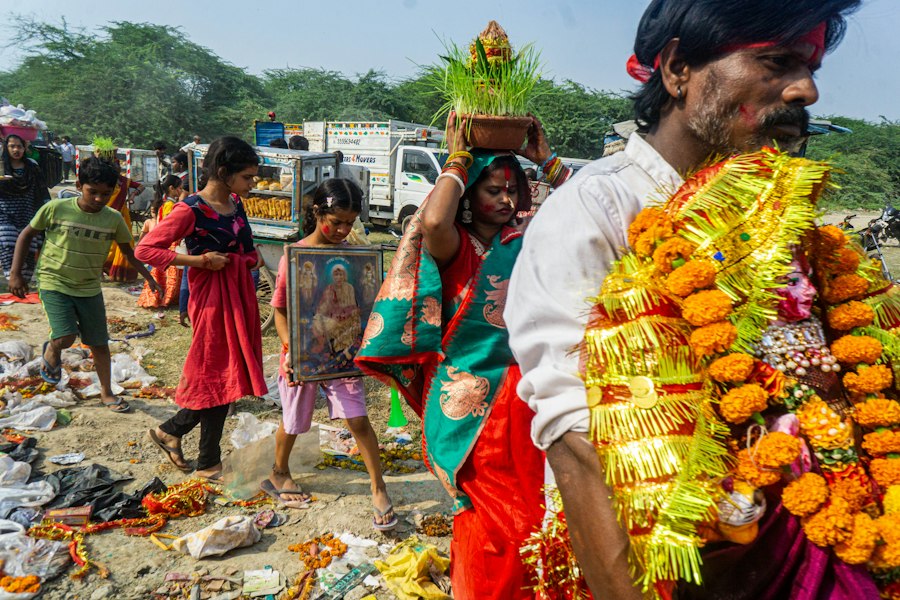
At the very heart of the transmission of ancient wisdom lie two potent forces: storytelling and ritual. These are not merely entertainment or rote performance; they are deeply symbolic acts that carry profound cultural weight, shaping our understanding of the world and our place within it. They are the living arteries through which the essence of generations past flows into the present.
The Oral Tradition: Vessels of Ancestral Knowledge
Long before the advent of widespread literacy, the oral tradition served as the primary means of transmitting knowledge, history, and values across generations. Grandparents recounted tales of their own ancestors, of heroes and villains, of triumphs and tribulations. These stories were not just entertainment; they were carefully crafted lessons, embedding moral principles, practical advice, and a collective memory within their narratives. The characters, the plot twists, the moral of the story – all were designed to impart wisdom in a way that was memorable and relatable. From epic poems that chronicled the founding of nations to simple fables that taught children about honesty, the power of the spoken word was immense. Even in the digital age, the enduring appeal of storytelling, whether in books, films, or podcasts, speaks to its fundamental human need. The act of listening to and engaging with stories connects us to the shared human experience and allows us to learn from the triumphs and mistakes of those who came before us.
The Sacred Dance of Ritual and Ceremony
Rituals and ceremonies, whether grand public celebrations or intimate family observances, provide structure, meaning, and a sense of continuity to human life. They mark the passage of time, from the birth of a child to the passing of an elder, and in doing so, they help individuals and communities navigate significant transitions with grace and understanding. The repetitive nature of rituals can be deeply grounding, offering a sense of order and predictability in an often chaotic world. The symbolic actions within a ritual, the specific words spoken, the objects used – all carry layers of meaning that have been imbued by generations of practice and belief. These acts connect the participants to something larger than themselves, to a lineage of shared experience and spiritual understanding. Whether it is a wedding ceremony, a harvest festival, or a moment of quiet contemplation, rituals provide a sacred space for reflection, connection, and reaffirmation of values. They are the heartbeat of culture, pulsing with the accumulated wisdom of ages.
Preserving and Revitalizing Ancient Wisdom
In the face of rapid societal change and the homogenizing forces of globalization, the active preservation and revitalization of ancient traditions are crucial endeavors. It is a conscious effort to ensure that the invaluable wisdom of the past is not lost but continues to inform and enrich the lives of future generations. This is not about resisting progress, but about integrating the enduring strengths of tradition with the innovations of the present.
The Role of Education and Cultural Institutions
Education plays a pivotal role in ensuring the continuity of ancient wisdom. Beyond formal schooling, cultural institutions such as museums, libraries, and heritage centers serve as vital custodians of this knowledge. They can house artifacts that tell the stories of past practices, host workshops that teach traditional crafts, and organize exhibitions that highlight the enduring relevance of ancestral customs. However, the responsibility extends beyond institutional walls. Within families and communities, the active teaching and practice of traditions are paramount. Elders hold a particularly important role as living libraries, sharing their knowledge and experience with younger generations. Encouraging intergenerational dialogue and creating opportunities for shared learning are essential for the transmission of wisdom. This might involve passing down recipes, teaching traditional songs, or participating together in cultural festivals.
Adapting Traditions for a Contemporary Context
While the essence of ancient wisdom traditions remains constant, their expression often needs to adapt to the contemporary context. This is not about diluting their meaning, but about finding relevant and accessible ways for them to be practiced and understood in the modern world. For example, traditional storytelling might be adapted to digital platforms, reaching wider audiences. Ancient agricultural techniques, when re-examined through the lens of sustainability, can offer valuable insights for modern ecological practices. Similarly, contemplative practices rooted in ancient philosophies can be integrated into secular mindfulness programs, benefiting individuals seeking stress reduction and emotional well-being. The key is to approach adaptation with respect and a deep understanding of the original intent, ensuring that the core values and wisdom are preserved while finding new avenues for their expression and application. This dynamic process of adaptation ensures that these traditions remain vibrant and relevant, rather than becoming fossilized relics of the past.
The Global Exchange and Appreciation of Diverse Traditions
The increasing interconnectedness of the world presents an unprecedented opportunity for the global exchange and appreciation of diverse ancient wisdom traditions. As societies become more multicultural, understanding and respecting the inherited practices of different peoples enriches everyone. This appreciation can foster greater empathy, break down stereotypes, and promote cross-cultural understanding. When individuals engage with traditions different from their own, they gain new perspectives on the universal human experiences of love, loss, joy, and struggle. This exchange can also lead to the cross-pollination of ideas and practices, inspiring new innovations and approaches to ancient wisdom. Supporting the efforts of communities worldwide to preserve their unique traditions, through cultural tourism, collaborative projects, and respectful engagement, is vital for ensuring the continued flourishing of this global tapestry of human inheritance.
Ancient traditions have a remarkable way of being passed down through generations, often shaping the cultural identity of communities. One intriguing example is the Piri Reis map, which has sparked debates regarding its accuracy and the knowledge of ancient civilizations. This fascinating topic is explored in detail in a related article that delves into the historical significance and the mysteries surrounding this ancient cartographic work. To learn more about this captivating subject, you can read the full article here.
The Unfolding Legacy
| Tradition | Region | Estimated Age (Years) | Method of Transmission | Current Practice Status |
|---|---|---|---|---|
| Oral Storytelling | Global | Over 10,000 | Verbal narration from elders to youth | Widely practiced |
| Ancestor Worship | East Asia | 4,000+ | Rituals and ceremonies | Common in rural areas |
| Traditional Weaving | South America | 3,000+ | Hands-on apprenticeship | Preserved by indigenous communities |
| Yoga Practices | India | 5,000+ | Teacher to student transmission | Global popularity |
| Shamanic Healing | Siberia | Thousands | Initiation and mentorship | Practiced in select communities |
The legacy of ancient traditions is not a closed chapter but an ongoing narrative. It is a testament to the enduring human capacity for wisdom, resilience, and connection. In a world that often feels fragmented and uncertain, the echoes of ancient practices offer a compass, guiding us towards a deeper understanding of ourselves, our communities, and the world around us. By actively engaging with, preserving, and adapting these timeless treasures, we ensure that the wisdom of our ancestors continues to illuminate the path forward, not as mere relics of the past, but as living, breathing sources of inspiration and guidance for generations to come. The threads of tradition, spun from the loom of time, continue to weave a rich and meaningful tapestry of human existence, a legacy that is as vital today as it was millennia ago.