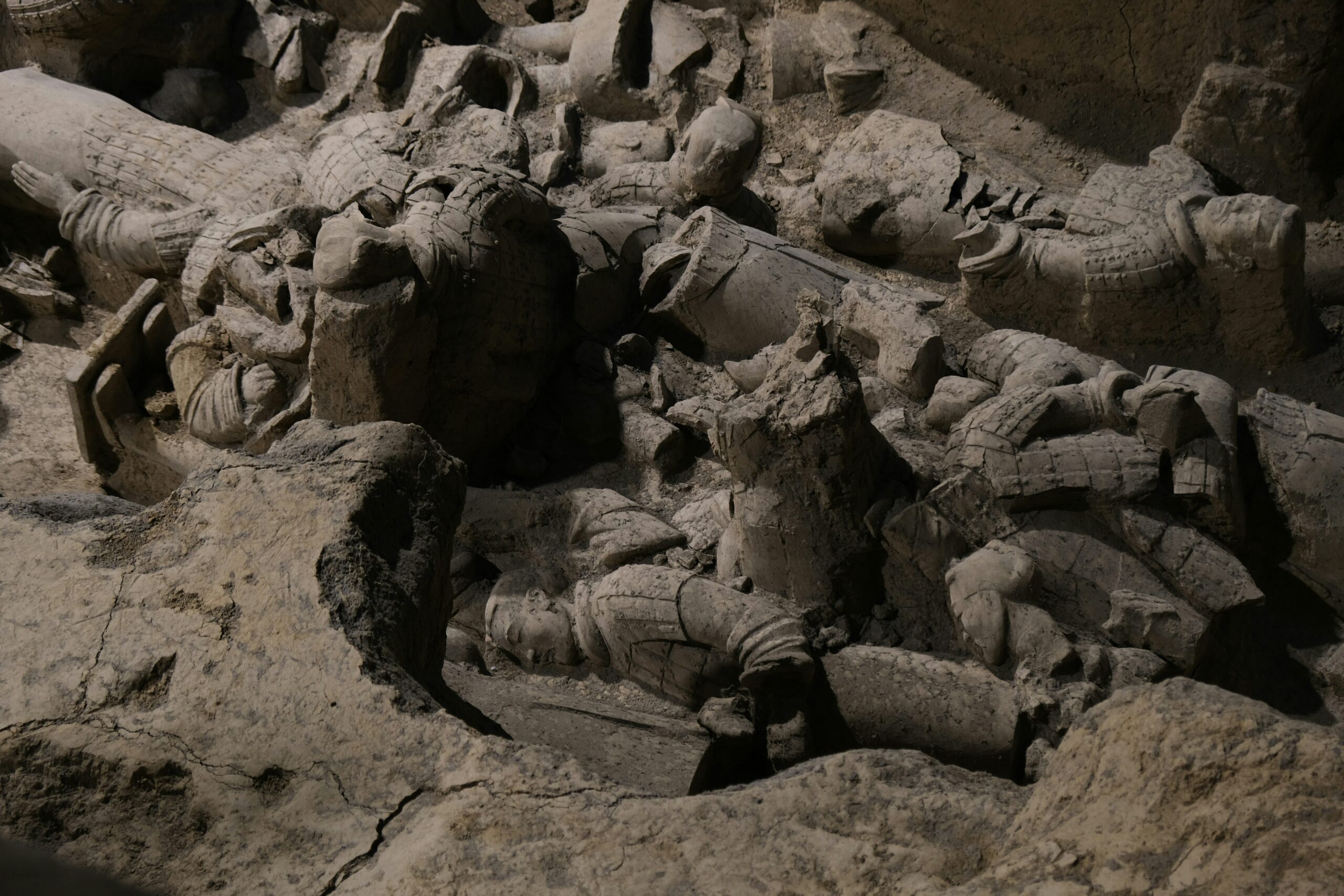
The allure of uncovering the past, piecing together the lives of those who came before, and understanding the foundations of our present has long captivated human imagination. Archaeology, the study of human history and prehistory through the excavation of sites and the analysis of artifacts and other physical remains, offers a tangible connection to these ancient worlds. While textbooks and museums provide invaluable insights, the digital age has democratized access to this fascinating discipline, with YouTube emerging as a vibrant hub for archaeological exploration. This article delves into some of the top YouTube channels that bring the thrill of discovery, the meticulousness of research, and the profound narratives of history directly to viewers, offering a gateway to understanding our shared human story.
Unearthing Ancient Civilizations: Channels That Bring the Past to Life
The grand narratives of ancient civilizations, from the towering pyramids of Egypt to the enigmatic ruins of the Maya, are fertile ground for documentary filmmaking. These channels excel at transforming dry historical facts into compelling visual journeys, making complex historical periods accessible and engaging. They employ a combination of expert interviews, stunning location footage, detailed CGI reconstructions, and sometimes even dramatic reenactments to transport viewers across millennia. The focus often lies on the architectural marvels, social structures, religious beliefs, and technological advancements of these bygone eras, offering a panoramic view of human ingenuity and cultural development.
The Titans of Antiquity: Egypt, Rome, and Greece
Many of the most popular archaeology documentaries gravitate towards the well-trodden but ever-fascinating paths of ancient Egypt, Rome, and Greece. Channels dedicated to these regions often delve into the lives of pharaohs and emperors, the intricacies of daily life in bustling ancient cities, and the enduring impact of their art, philosophy, and governance on the modern world. Viewers can expect to see detailed explorations of iconic sites like the Valley of the Kings, the Colosseum, and the Acropolis, accompanied by expert commentary that sheds light on their construction, purpose, and the latest archaeological findings. These documentaries are crucial for understanding the roots of Western civilization and its enduring influence.
Lost Empires and Forgotten Peoples: Beyond the Familiar
While the giants of antiquity rightly command attention, many channels also venture into the less-explored corners of the archaeological world. This includes shedding light on the civilizations of Mesoamerica, the advanced societies of ancient India, the intricate cultures of Africa, and the diverse peoples of prehistoric Europe. These documentaries often highlight the unique achievements of these cultures, challenging Eurocentric perspectives and offering a more nuanced understanding of global history. They may focus on the development of early agriculture, the rise of complex social systems, the creation of unique art forms, or the mysteries surrounding their decline. The exploration of these “lost” empires is vital for a comprehensive appreciation of the full spectrum of human history.
The Dawn of Humanity: Prehistory and Early Humans
Moving further back in time, a significant segment of archaeological interest lies in understanding the origins of humankind. Channels that focus on prehistory explore the lives of our earliest ancestors, the development of tools, the emergence of language, and the migration patterns that led humans to populate every corner of the globe. These documentaries often feature cutting-edge genetic research, fossil discoveries, and analyses of ancient DNA to reconstruct the evolutionary journey of Homo sapiens. The visual storytelling here can be particularly challenging, relying on detailed animations, expert interpretations of skeletal remains, and depictions of early hominin behavior in their natural environments. Understanding this distant past is fundamental to comprehending our biological and cultural heritage.
If you’re fascinated by the intriguing world of archaeology and the secrets it uncovers about ancient civilizations, you might find the article “Uncovering the Deceptions of Ancient Rulers” particularly enlightening. This piece delves into the manipulative tactics employed by historical leaders to maintain power and control over their subjects, shedding light on the complexities of ancient societies. To explore this topic further, check out the article here: Uncovering the Deceptions of Ancient Rulers.
The Thrill of Discovery: Channels Focused on Excavation and Fieldwork
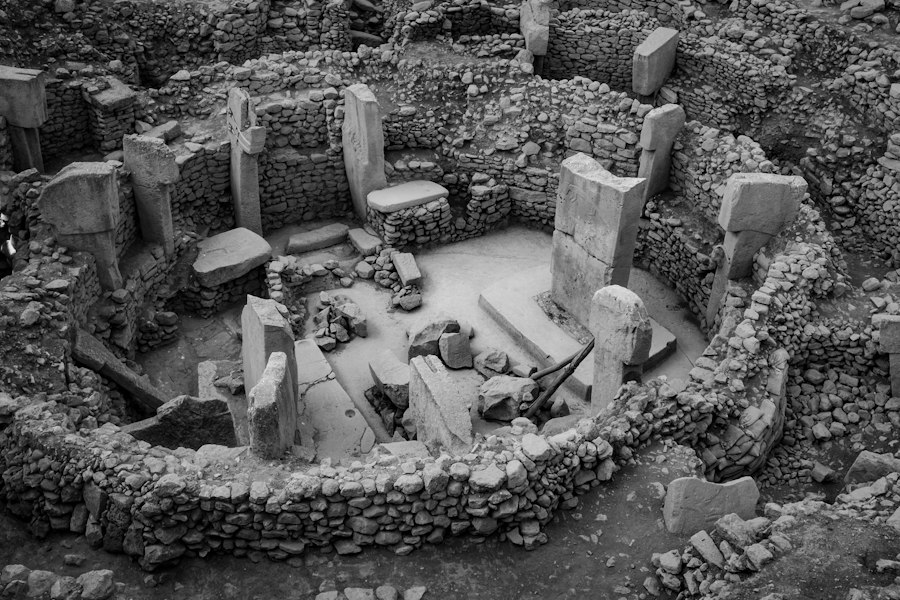
Beyond showcasing finished discoveries, some YouTube channels offer a direct window into the process of archaeological fieldwork itself. These channels bring viewers along on expeditions, allowing them to witness the painstaking work of excavation, the meticulous documentation of finds, and the collaborative spirit of archaeological teams. This perspective provides a valuable understanding of the challenges and rewards of archaeology, highlighting the dedication, patience, and scientific rigor required to unearth the past. It demystifies the often-glamorized image of archaeology, revealing the gritty realities and intellectual stimulation of being on the ground.
A Day in the Life of an Archaeologist
These channels often follow archaeologists as they prepare for digs, travel to remote locations, and begin the arduous task of uncovering buried sites. Viewers get an intimate look at the tools of the trade, from trowels and brushes to ground-penetrating radar and drones. The process of carefully removing layers of soil, identifying features, and collecting artifacts is presented in detail. These segments often emphasize the importance of context, showing how the precise location and association of an artifact with other finds are crucial for its interpretation. The challenges of weather, terrain, and funding are also often candidly discussed, offering a realistic portrayal of the profession.
The Art and Science of Digging
This category focuses on the scientific methodologies employed in archaeological fieldwork. Viewers learn about techniques such as stratigraphy, which analyzes the layers of soil to understand the sequence of events at a site, and how different dating methods, like radiocarbon dating or thermoluminescence, are used to establish chronologies. The importance of meticulous record-keeping, photography, and digital mapping is also highlighted. The excitement of uncovering a significant artifact, whether it’s a pottery shard, a tool, or even a human remains, is palpable in these documentaries, showcasing the culmination of hard work and scientific inquiry.
Uncovering Mysteries: Recent Discoveries and Ongoing Projects
Many channels dedicate segments to showcasing the very latest archaeological discoveries and the ongoing research at significant sites. This can include breaking news about new excavations, the analysis of recent finds that are reshaping our understanding of history, or updates on long-term projects that are yielding significant insights. These documentaries often feature interviews with the lead archaeologists, providing firsthand accounts of their work and the implications of their findings. The sense of ongoing discovery and the constant evolution of our historical knowledge are powerfully conveyed, making viewers feel like they are part of the unfolding story of archaeology.
Specialized Niches: Deep Dives into Specific Archaeological Subjects
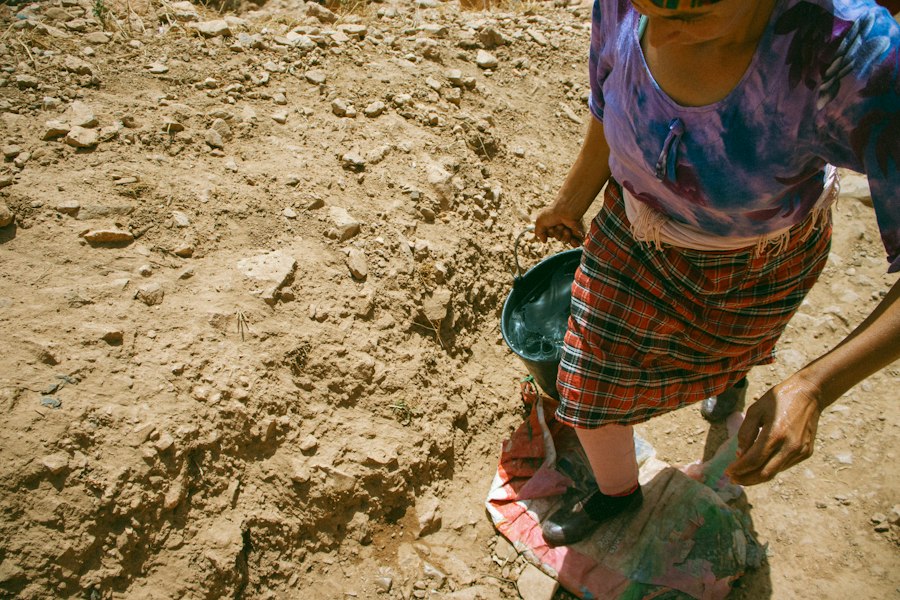
The vastness of archaeology means that many channels choose to specialize, focusing on particular regions, time periods, or themes. This allows for a more in-depth and nuanced exploration of specific aspects of the human past. These specialized channels cater to viewers with a keen interest in particular areas, offering detailed analyses that go beyond the broad strokes often found in more general documentaries. They are invaluable for those seeking to deepen their knowledge and explore the intricate details of specific historical puzzles.
Underwater Archaeology: Sunken Treasures and Lost Worlds
The world beneath the waves holds a wealth of archaeological information, from ancient shipwrecks to submerged cities. Channels focused on underwater archaeology bring viewers to these often-inaccessible sites. They showcase the unique challenges of excavating in a marine environment, the specialized equipment required, and the remarkable preservation that can occur underwater. These documentaries often tell compelling stories of maritime trade, naval battles, and the lives of seafarers, revealing lost worlds and the impact of seafaring on human history. The discovery of ancient artifacts, remarkably preserved by the ocean depths, offers a unique glimpse into the past.
Forensic Archaeology: Unraveling Human Remains and Justice
Forensic archaeology applies archaeological techniques to the recovery and analysis of human remains, often in the context of legal investigations or the identification of missing persons. Channels in this niche explore the ethical considerations and scientific methodologies involved in exhuming bodies, analyzing skeletal trauma, and using archaeological context to understand the circumstances of death. These documentaries can be both fascinating and somber, highlighting the role of archaeology in bringing closure to families and ensuring justice. They demonstrate how the meticulous examination of human remains can reveal stories of violence, survival, and the hidden histories of individuals.
The Archaeology of Daily Life: Beyond the Monuments
While grand monuments and royal tombs often capture the imagination, the archaeology of daily life offers a more intimate and relatable connection to the past. Channels exploring this theme focus on the homes, tools, food, and social practices of ordinary people throughout history. They reveal how people lived, worked, ate, and interacted with their environments. This perspective is crucial for understanding the broader social and economic structures of past societies and how the lives of everyday individuals contributed to the grand historical narrative. It highlights the universality of human experience across different eras.
The Future of Archaeology: Technology and Emerging Trends
Archaeology is a dynamic field, constantly evolving with new technologies and methodologies. The channels that embrace and explain these advancements are crucial for understanding where the discipline is headed. This includes the increasing use of digital tools, remote sensing techniques, and innovative analytical methods that are pushing the boundaries of what is possible in exploring the past. These channels offer a glimpse into a future where the lines between archaeology, data science, and other disciplines are increasingly blurred.
Digital Archaeology: Mapping, Modeling, and Virtual Worlds
The digital revolution has profoundly impacted archaeology. Channels focusing on digital archaeology showcase how 3D scanning, photogrammetry, GIS (Geographic Information Systems), and virtual reality are being used to document, analyze, and present archaeological sites. Viewers can see how sites are recreated digitally, allowing for virtual exploration and detailed analysis without disturbing the physical remains. This technology also aids in conservation efforts and allows for wider public engagement with heritage sites, bringing the past into the digital realm for all to experience. The ability to create interactive digital models of ancient structures provides a powerful educational tool.
Citizen Science and Community Archaeology: Involving the Public
The growing trend of citizen science and community archaeology is empowering the public to participate directly in archaeological research. Channels highlighting these initiatives showcase how volunteers can contribute to data collection, site monitoring, and even excavation under expert supervision. This collaborative approach not only expands the capacity for research but also fosters a deeper connection between communities and their local heritage. It democratizes the practice of archaeology, making it more inclusive and accessible to a wider audience who can contribute their time and passion to uncovering history.
The Ethical Frontier: Preservation, Repatriation, and Modern Challenges
As archaeology progresses, so too do the ethical considerations surrounding its practice. Channels that address these issues explore topics such as the responsible stewardship of archaeological sites, the repatriation of cultural artifacts to their originating communities, and the challenges of navigating heritage in conflict zones or areas undergoing rapid development. These discussions are vital for ensuring that archaeology is conducted in a manner that respects both the past and the present, fostering a more responsible and inclusive approach to our shared human heritage. The ongoing debates around ownership and access to historical artifacts are crucial for a more equitable understanding of the past.
If you’re interested in the fascinating world of archaeology, you might find it intriguing to explore how information control has evolved over time. A related article discusses the history of information control, tracing its roots from censorship to modern digital surveillance. This connection highlights the importance of preserving archaeological findings and the narratives they hold. You can read more about this topic in the article here.
Engaging with the Past: Learning and Inspiring Through YouTube
| Metric | Value | Description |
|---|---|---|
| Average Views per Video | 150,000 | Typical number of views for archaeology documentary videos |
| Average Video Length | 20 minutes | Common duration for in-depth archaeology documentaries |
| Subscriber Count (Top Channel) | 1.2 million | Subscribers of the leading archaeology documentary YouTube channel |
| Engagement Rate | 4.5% | Average likes and comments relative to views |
| Upload Frequency | 1 video per week | Typical posting schedule for archaeology documentary channels |
| Popular Topics | Ancient Civilizations, Excavations, Artifact Analysis | Common themes covered in archaeology documentaries |
Ultimately, the value of these YouTube channels lies in their ability to educate, inspire, and foster a deeper appreciation for history and archaeology. They democratize access to knowledge, making complex subjects accessible to a global audience. By combining rigorous research with compelling storytelling, these channels ignite curiosity, encourage critical thinking, and remind viewers of the profound connections that bind us to the people who inhabited our planet long before us. The accessibility of these resources means that anyone with an internet connection can embark on their own personal journey of discovery, unearthing the layers of human history one video at a time.
Fueling Curiosity: From Casual Viewer to Enthusiast
For many, watching archaeology documentaries on YouTube is the first step in a lifelong fascination with the past. These channels can transform casual viewers into dedicated enthusiasts, sparking questions and encouraging further research. The visual nature of YouTube makes it an ideal platform for conveying the tangible evidence of archaeology, from the intricate details of ancient pottery to the grand scale of ancient architecture. The sheer volume of content available ensures that there is always something new to learn, catering to a wide range of interests and levels of prior knowledge.
The Power of Visual Storytelling in Education
YouTube’s inherent visual appeal makes it an exceptionally effective tool for teaching archaeology. Complex concepts can be illustrated with graphics, animations, and real-world footage, making them easier to grasp than through text alone. The narrative format of documentaries allows for the creation of engaging stories, drawing viewers into the mysteries and discoveries of the past. This approach makes learning about history an active and enjoyable experience, rather than a passive reception of facts. The ability to pause, rewind, and rewatch segments further enhances the learning process.
Contributing to a Global Dialogue on Heritage
These YouTube channels play a vital role in fostering a global dialogue about our shared human heritage. By showcasing diverse cultures and historical periods, they promote understanding and appreciation for the rich tapestry of human experience. The interactive nature of YouTube, with its comment sections and community features, allows for discussions and debates about historical interpretations, encouraging a collaborative approach to understanding the past. This collective engagement with history is essential for preserving and valuing our cultural legacy for future generations.
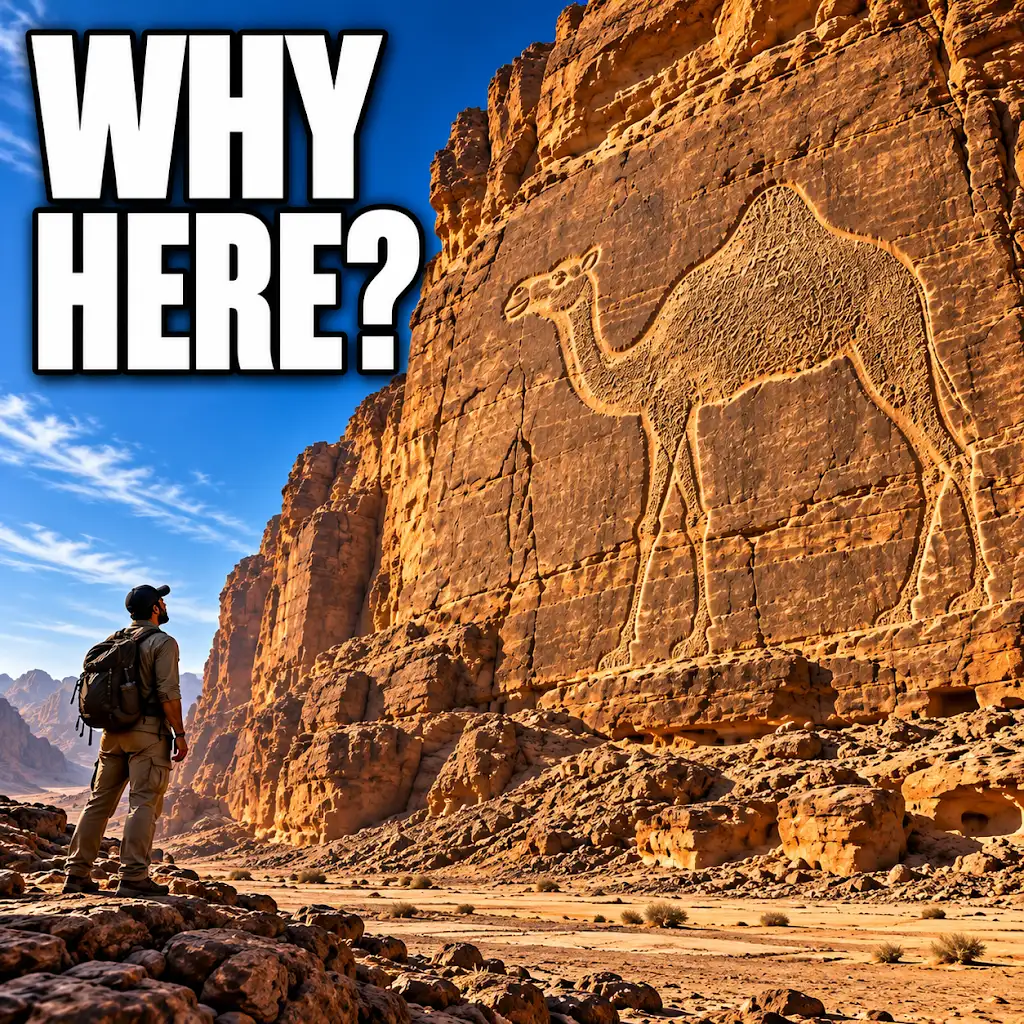
Why Were Giant Camels Carved Above the Desert?
FAQs
1. What is an archaeology documentary?
An archaeology documentary is a film or video production that explores archaeological discoveries, research, and findings. It typically showcases excavations, historical sites, artifacts, and the work of archaeologists.
2. Where can I watch archaeology documentaries on YouTube?
You can watch archaeology documentaries on YouTube by searching for specific channels dedicated to archaeology, such as National Geographic, BBC, or independent creators who specialize in archaeological content.
3. Are archaeology documentaries educational?
Yes, archaeology documentaries are often educational as they provide insights into ancient civilizations, historical events, and the methods used by archaeologists to uncover the past. They can be a valuable source of information for those interested in history and archaeology.
4. What are some popular topics covered in archaeology documentaries on YouTube?
Popular topics covered in archaeology documentaries on YouTube include ancient civilizations like the Egyptians, Romans, and Mayans, archaeological mysteries, underwater archaeology, and recent discoveries that shed light on human history.
5. How can archaeology documentaries benefit viewers?
Archaeology documentaries can benefit viewers by expanding their knowledge of history, cultures, and archaeological methods. They can also inspire curiosity, appreciation for the past, and a deeper understanding of the world’s diverse heritage.