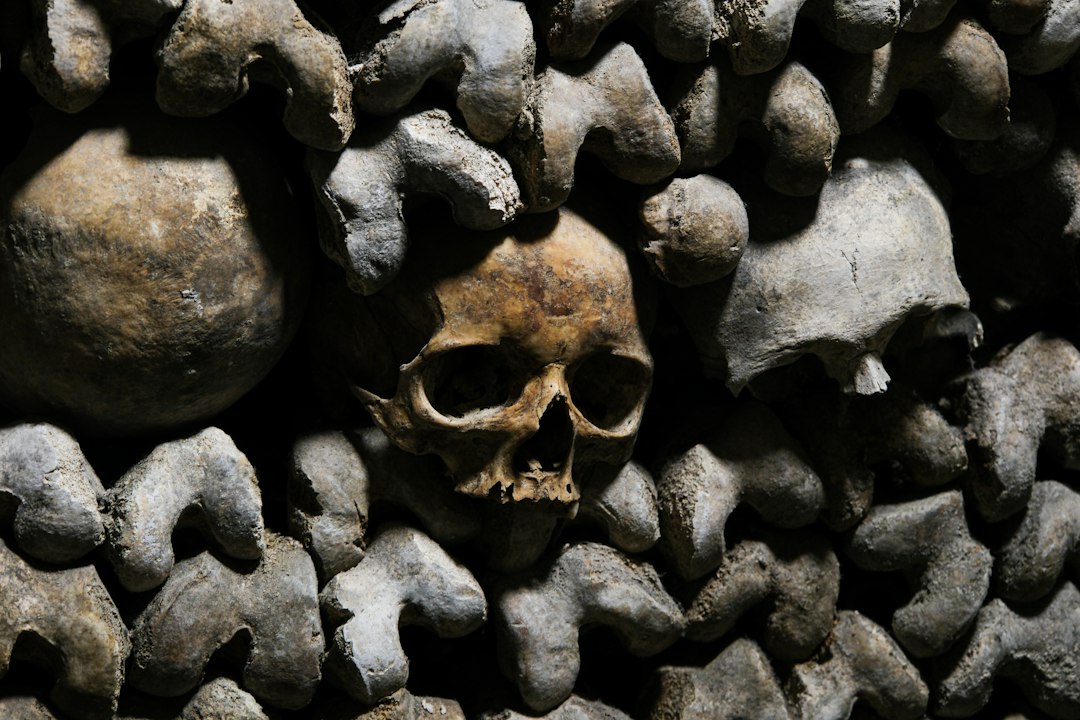
The allure of our origins has captivated humanity for millennia. The silent stones, fossilized bones, and ancient tools whisper stories of a time before written records, a period of dramatic evolution and adaptation that shaped who we are today. For those eager to delve into this profound narrative, the accessibility of streaming platforms offers an unprecedented opportunity to explore the early chapters of human history from the comfort of their own homes. Documentaries serve as invaluable windows into this lost world, bringing to life the challenges, triumphs, and remarkable ingenuity of our earliest ancestors. This article highlights some of the most compelling and informative early human history documentaries available for streaming now, offering a journey through the dawn of our species.
Unearthing the Earliest Ancestors: A Visual Expedition
The story of human evolution is not a linear progression but a complex branching tree, populated by a diverse array of hominin species. Documentaries on this topic aim to reconstruct these ancient lineages, using a combination of fossil evidence, genetic analysis, and comparative anatomy to paint a picture of our distant relatives. These productions often feature leading paleoanthropologists and archaeologists, guiding viewers through the painstaking process of discovery and interpretation. From the savannahs of Africa to the cave systems of Europe and Asia, these films explore the environments in which our ancestors lived, the pressures they faced, and the key evolutionary leaps that set them on the path to modernity.
The Dawn of Homo Sapiens: Tracing Our Own Emergence
A central theme in early human history documentaries is the emergence of Homo sapiens. These films meticulously examine the fossil record, showcasing iconic finds such as the Lucy skeleton (Australopithecus afarensis), the Turkana Boy (Homo erectus), and the Neandertal remains that have so profoundly influenced our understanding of our place in the hominin family tree. They explore the geographic origins of our species, often focusing on Africa as the cradle of humankind, and trace the migrations that led to the peopling of the globe. Through sophisticated CGI and expert interviews, viewers are offered glimpses into the lives of these ancient hominins, their social structures, tool-making abilities, and the development of early forms of communication and culture. The interplay between our species and other hominins, particularly Neandertals and Denisovans, is a frequently discussed and scientifically dynamic area, with recent genetic discoveries shedding new light on interbreeding and its impact on modern human populations.
The Oldowan and Acheulean Revolutions: The First Tools
The development of stone tools marks a pivotal moment in human evolution, signifying a leap in cognitive ability and technological innovation. Documentaries dedicated to this period delve into the Oldowan and Acheulean tool industries, examining the techniques used by early hominins to fashion sharp implements for cutting, scraping, and butchering. These films often visit archaeological sites where such tools have been unearthed, demonstrating the skill and foresight required to transform raw materials into functional objects. The significance of these early technologies extends beyond mere utility; they represent the nascent stages of planning, problem-solving, and the transmission of knowledge across generations. Understanding these early stone tool traditions is fundamental to comprehending the trajectory of human technological advancement and its profound impact on our ability to adapt and thrive.
The Discovery of Fire: A Game Changer
The controlled use of fire represents another monumental achievement in early human history, fundamentally altering the course of our species’ development. Documentaries exploring this breakthrough discuss the evidence for early fire use, which often involves analyzing charred bones and hearth sites. They examine the multifaceted benefits of fire, including its role in providing warmth and protection from predators, its ability to cook food thereby increasing its digestibility and nutrient availability, and its potential to become a social focal point, fostering community and the development of language. The mastery of fire not only allowed early humans to colonize new, colder environments but also had significant biological consequences, influencing dietary habits and potentially even brain development.
For those interested in early human history, a fascinating article titled “Exploring the Mysterious Secrets of Ancient Palace Ruins” delves into the architectural marvels and cultural significance of ancient structures. This piece provides insights that complement various documentaries available for streaming, enhancing the viewer’s understanding of our ancestors’ lives and societies. To read the article, visit here.
The Minds That Shaped Our Future: Cognitive and Social Evolution
Beyond physical adaptations and technological prowess, the evolution of the human mind and social structures is a crucial aspect of our early history. Documentaries on this subject explore the growing evidence for increased brain size, complex social behaviors, and the emergence of symbolic thought. They grapple with the question of what cognitive abilities differentiated our ancestors from other primates and how these differences fueled further evolutionary advancements. The development of language, art, and ritualistic practices are all explored as indicators of a growing complexity in human consciousness and social organization.
The Rise of Complex Societies: From Bands to Tribes
As human populations grew and their capabilities expanded, so too did the complexity of their social organization. Documentaries in this vein examine the transition from small, mobile hunter-gatherer bands to larger, more sedentary tribal societies. They explore the evidence for changes in settlement patterns, the development of early forms of leadership and social hierarchy, and the increasing importance of kinship and cooperation. The rise of such complex social structures was instrumental in enabling larger-scale hunting efforts, resource management, and the defense of territories, laying the groundwork for future societal developments.
The Birth of Symbolism and Art: Expressing the Intangible
One of the most profound indicators of advanced cognitive abilities is the emergence of symbolic thought, often expressed through art and ritual. Films focusing on this aspect of early human history showcase the breathtaking cave paintings of Lascaux and Chauvet, the intricate carvings found at various Paleolithic sites, and the burial practices that suggest a belief in an afterlife or a reverence for the deceased. These artistic expressions are not merely decorative; they offer insights into the beliefs, cosmologies, and understanding of the world held by our ancient ancestors. They demonstrate a capacity for abstract thought, communication of complex ideas, and the development of cultural traditions that extend beyond immediate survival needs.
The Great Migrations: Peopling the Planet
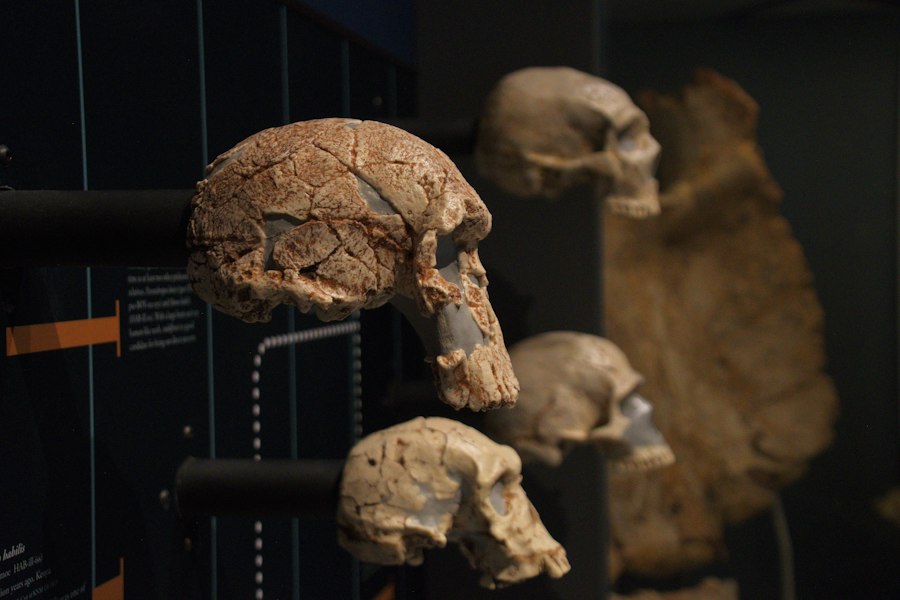
The story of early human history is inextricably linked to the incredible journeys our ancestors undertook, spreading from their African homeland to colonize virtually every corner of the globe. Documentaries on human migration offer a compelling narrative of exploration, adaptation, and resilience. They utilize a combination of archaeological findings, genetic data, and environmental reconstructions to trace the routes and timelines of these epic voyages, revealing the diverse challenges faced by early humans as they adapted to vastly different climates and ecosystems.
Out of Africa: The First Great Expansion
The “Out of Africa” model is a cornerstone of our understanding of human origins and dispersal. Documentaries dedicated to this subject explore the evidence for the initial migrations of Homo sapiens out of the African continent, typically around 60,000 to 70,000 years ago. They investigate the geographical pathways taken, the environmental conditions encountered, and the genetic signatures left behind in modern populations. These films often highlight the remarkable adaptability of our species, as early humans successfully navigated diverse landscapes, from arid deserts to dense forests and eventually even to the frozen tundras of the north.
Adapting to New Worlds: Colonizing Diverse Environments
As humans spread across continents, they encountered and adapted to an astonishing array of environments. Documentaries focusing on these adaptations showcase the ingenuity of early peoples in developing new technologies, hunting strategies, and social structures suited to their specific surroundings. From the ice age hunters of Siberia to the seafaring peoples of the Pacific, these films illustrate the remarkable flexibility and resourcefulness of humanity. They demonstrate how genetic and cultural adaptations allowed our ancestors to not only survive but also to thrive in environments that would have been utterly alien to their predecessors, showcasing the deep evolutionary relationship between humans and their habitats.
The Neolithic Revolution: A Paradigm Shift
The advent of agriculture, known as the Neolithic Revolution, marked a profound transformation in human history, leading to sedentary lifestyles, population growth, and the development of complex societies. Documentaries exploring this period examine the transition from a hunter-gatherer existence to settled farming communities, the domestication of plants and animals, and the profound social, economic, and environmental consequences of this shift.
The Birth of Agriculture: From Foraging to Farming
The origins of agriculture are explored in detail, with films delving into the specific regions where this revolution first took hold, such as the Fertile Crescent. They discuss the earliest domesticated crops and animals, the techniques developed for cultivation and husbandry, and the impact of these changes on human diet and health. The move towards settled agriculture not only provided a more stable food supply but also freed up time for other pursuits, contributing to the development of new crafts, technologies, and social structures.
The Rise of Villages and Cities: The Dawn of Civilization
The Neolithic Revolution laid the foundation for the development of larger, more complex settlements, leading eventually to the emergence of villages, towns, and the first cities. Documentaries on this transition examine the archaeological evidence for early settlements, the organization of communal living, and the development of specialized labor. They explore the beginnings of trade, governance, and the emergence of social hierarchies that characterized the dawn of civilization. This period represents a critical juncture in human history, setting the stage for the development of writing, complex economies, and the rise of ancient empires, fundamentally reshaping the human landscape and our relationship with the environment.
For those interested in exploring early human history through engaging documentaries, there is a fascinating article that delves into the mysteries of ancient maps and their implications for our understanding of the past. This piece, which can be found here, offers a scientific rebuttal to the claims surrounding the Piri Reis map, shedding light on how such artifacts can reshape our perception of early civilizations and their navigational capabilities.
Essential Viewing for the Curious Mind: Where to Stream
| Documentary Title | Streaming Platform | Release Year | Duration (minutes) | Focus Area | Viewer Rating (out of 10) |
|---|---|---|---|---|---|
| Becoming Human | Netflix | 2015 | 60 | Human Evolution | 8.2 |
| The Dawn of Man | Amazon Prime | 2018 | 90 | Early Hominids | 7.9 |
| Origins: The Journey of Humankind | Disney+ | 2017 | 45 | Human History | 8.5 |
| First Peoples | Hulu | 2015 | 120 | Early Human Migration | 8.0 |
| Walking with Cavemen | BBC iPlayer | 2003 | 90 | Prehistoric Humans | 8.3 |
For those eager to embark on these illuminating journeys, several streaming platforms offer a rich selection of documentaries on early human history. From comprehensive series exploring the entire arc of human evolution to focused explorations of specific periods or discoveries, there is a wealth of material available to satisfy the curiosity of any viewer. The accessibility of these productions allows for a continuous engagement with the most fundamental questions about who we are and where we came from, making the study of our deep past an engaging and readily available pursuit.
Recommended Series and Standalone Films
Among the most highly acclaimed and informative productions are series like “The Story of Us” (National Geographic), which provides a sweeping overview of human evolution and migration, often featuring stunning visuals and expert insights. Documentaries focusing on specific hominin species, such as those exploring the discovery and implications of Australopithecus sediba or the debate surrounding the lineage of Homo floresiensis, offer a more in-depth look at particular facets of our ancestry. Films that delve into the scientific process of paleoanthropology, showcasing the challenges and excitement of fossil hunting and analysis, such as “Becoming Human” (PBS NOVA), provide a valuable understanding of how our knowledge is constructed. Many documentaries also explore the rich tapestry of prehistoric art, like “Cave of Forgotten Dreams” (Werner Herzog), offering a unique and artistically profound perspective on the minds of our ancestors. The continuous release of new research and discoveries means that the landscape of early human history documentaries is ever-evolving, ensuring there is always something new and fascinating to discover. These films are more than just entertainment; they are educational tools that connect us to our shared, deep past, fostering a greater appreciation for the incredible journey of human evolution.

Beneath the Ice: Surviving the Ice Age 20,000 Years Ago
FAQs
1. Are there any recommended early human history documentaries available for streaming?
Yes, there are several highly recommended early human history documentaries available for streaming on platforms like Netflix, Amazon Prime, and Hulu. These documentaries provide valuable insights into the lives of our ancestors and how they lived.
2. What are some common themes explored in early human history documentaries?
Common themes explored in early human history documentaries include the evolution of early humans, their migration patterns, the development of tools and language, the emergence of agriculture, and the impact of climate change on early civilizations.
3. How accurate are early human history documentaries in depicting historical events?
While early human history documentaries strive to be as accurate as possible, it’s important to remember that they are often based on interpretations of archaeological evidence and scientific theories. Some details may be speculative, but overall, these documentaries aim to provide a factual representation of early human history.
4. Can early human history documentaries be educational for students and enthusiasts?
Absolutely! Early human history documentaries can be highly educational for students, history enthusiasts, and anyone interested in learning more about our ancient ancestors. They offer a visual and engaging way to explore the past and gain a deeper understanding of human evolution.
5. Are there any renowned experts or archaeologists featured in early human history documentaries?
Many early human history documentaries feature renowned experts and archaeologists who have dedicated their careers to studying our ancient past. These experts provide valuable insights and analysis, helping viewers to better understand the complexities of early human history.