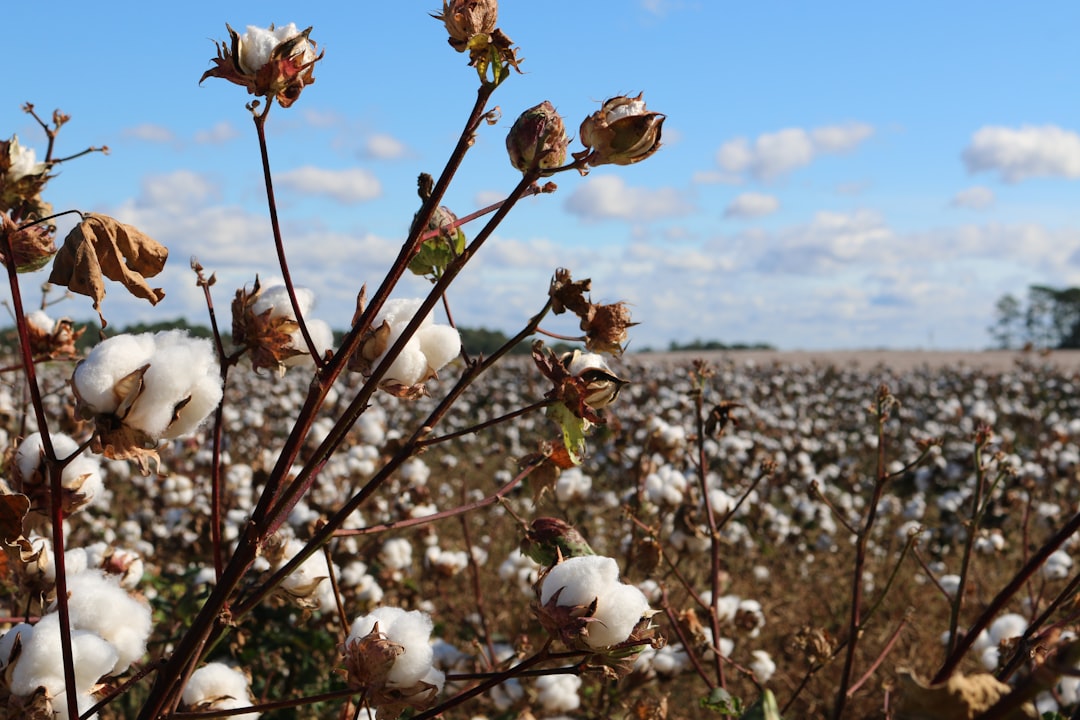
The textile industry, a global behemoth responsible for adorning and clothing humanity, relies heavily on cotton, a ubiquitous plant fiber. However, the journey from cotton boll to finished garment is often fraught with chemical interventions. This article aims to dissect the differences in toxicological profiles between conventionally grown cotton and its organic counterpart, illuminating the choices consumers face when selecting textiles.
Conventional cotton farming, a cornerstone of global textile production, employs a proactive and often aggressive approach to pest and weed management. This strategy, while aimed at maximizing yield and ensuring a blemish-free fiber, introduces a complex cocktail of synthetic chemicals into the agricultural ecosystem, with implications extending far beyond the farm gate.
A Symphony of Synthetics: The Role of Pesticides
Pesticides, broadly defined as agents that control pests, are the frontline defense in conventional cotton fields. These chemicals are designed to disrupt the life cycles of insects that feed on the cotton plant, from the notorious bollworm to other voracious larvae. The sheer volume of pesticides applied to cotton is staggering. Globally, cotton is one of the most pesticide-intensive crops, accounting for a significant portion of the world’s pesticide use despite occupying a relatively smaller percentage of arable land. This intense application transforms vast tracts of land into chemical battlegrounds, where synthetic agents are deployed in a perpetual war against nature’s own intricate web of life.
Classes of Chemical Warfare: Insecticides and their Targets
Within the broad category of pesticides, insecticides are specifically developed to target insects. These can include organophosphates, carbamates, pyrethroids, and neonicotinoids, each with distinct mechanisms of action.
Organophosphates and Carbamates: Neurotoxic Agents
Organophosphates and carbamates, for instance, function by inhibiting acetylcholinesterase, an enzyme crucial for nerve function in insects. When this enzyme is blocked, nerve signals become overstimulated, leading to paralysis and death. While effective against target pests, these chemicals are not always specific. Their presence can have unintended consequences on non-target insects, including beneficial pollinators like bees, and can pose risks to wildlife and agricultural workers. The persistence of these chemicals in the environment can vary, with some having the potential to remain in soil and water for extended periods.
Pyrethroids: Mimicking Nature’s Defense
Pyrethroids, often synthetic versions of naturally occurring insecticides found in chrysanthemum flowers, are also widely used. They interfere with sodium channels in insect nerve cells, causing rapid paralysis. While generally considered to have lower mammalian toxicity than some older classes of insecticides, they can be highly toxic to aquatic life and are often lethal to beneficial insects. Their environmental fate is also a consideration, as they can degrade into various byproducts in the environment.
Neonicotinoids: A Systemic Threat
Neonicotinoids represent a more recent class of insecticides that are absorbed by the plant and distributed throughout its tissues, making the entire plant toxic to sap-sucking insects. This systemic action can be highly effective, but it also means that nectar and pollen can become contaminated, posing a significant risk to pollinators that come into contact with treated plants. Concerns about the widespread impact of neonicotinoids on bee populations have led to restrictions and bans in various regions.
The Unseen Competition: Herbicides and Their Role
Alongside insecticides, herbicides are employed to control unwanted plant growth, commonly known as weeds. These competitors vie with the cotton plant for essential resources like water, sunlight, and nutrients, thus reducing crop yields. Herbicides act through diverse mechanisms, targeting plant growth processes, photosynthesis, or specific metabolic pathways.
Broad-Spectrum vs. Selective Herbicides: A Matter of Precision
Herbicides can be categorized as broad-spectrum, meaning they kill most types of plants they come into contact with, or selective, designed to target specific weed species while leaving the crop unharmed. Both types have their place in conventional farming systems.
Glyphosate and Diquat: Common Chemical Arsenal
Glyphosate, a widely used broad-spectrum herbicide, functions by inhibiting an enzyme essential for amino acid synthesis in plants. Its widespread application has raised debates regarding its potential impact on human health and the environment. Diquat, another herbicide, works by disrupting photosynthesis, leading to rapid cell damage.
The Residue Left Behind: Traces in the Harvest
The intensive application of these synthetic chemicals inevitably leads to their presence as residues within the cotton fiber itself. While processing and washing can reduce these levels, they are not entirely eliminated. These residual chemicals, though present in minute quantities, can become part of the finished textile, potentially coming into contact with human skin for extended periods. The long-term implications of chronic low-level exposure to this complex mixture of agricultural chemicals have been a subject of ongoing research and public concern.
When considering the environmental impact of textile production, it’s essential to understand the differences between organic cotton and conventional cotton, particularly regarding the toxins used in their cultivation. For a deeper insight into the broader implications of manufacturing practices, including labor conditions and environmental concerns, you can read the article on comparing manufacturing wages in Mexico versus China at this link. This article provides valuable context on how different regions approach manufacturing, which can influence the sustainability of cotton production.
The Natural Embrace: Organic Cotton’s Chemical-Free Approach
In stark contrast to the chemical-intensive model of conventional cotton production, organic cotton cultivation operates under a philosophy of working with nature, not against it. This approach prioritizes ecological balance and the absence of synthetic chemical inputs, striving for a healthier environment and a safer product.
The Foundation of Purity: Soil Health and Biodiversity
The bedrock of organic cotton farming lies in nurturing the health of the soil. Rather than relying on artificial fertilizers, organic farmers employ practices that enrich the soil with organic matter. This includes crop rotation, cover cropping, composting, and the use of animal manure. These techniques foster a vibrant soil ecosystem, teeming with beneficial microorganisms that are crucial for nutrient cycling and plant health. A healthy soil acts as a living sponge, capable of retaining water and nutrients, reducing the need for irrigation and external inputs. Furthermore, this focus on soil health contributes to increased biodiversity, supporting a wider range of insects, birds, and other wildlife on and around the farm.
Guardians of the Crop: Natural Pest and Weed Management
Organic cotton farmers eschew synthetic pesticides and herbicides in favor of a multifaceted approach to pest and weed control. This strategy is less about eradication and more about establishing a healthy equilibrium where pests and weeds are managed through natural means.
Biological Control: Harnessing Nature’s Allies
Biological control is a cornerstone of organic pest management. This involves introducing or encouraging natural enemies of the pests. For example, ladybugs are released to prey on aphids, and predatory wasps are encouraged to parasitize bollworms. This approach leverages the intricate predator-prey relationships that exist in nature, restoring a balance that synthetic chemicals often disrupt.
Cultural Practices: Cultivating Resilience
Cultural practices play a significant role in deterring pests and weeds. Crop rotation, for instance, helps to break pest cycles by removing the host plant. Intercropping, planting different crops together, can confuse pests or attract beneficial insects. Strategic planting times, physical barriers, and even the use of specific companion plants all contribute to a resilient farming system that is less vulnerable to pest outbreaks.
Mechanical Methods: The Gentle Touch
When necessary, mechanical methods are employed to manage weeds. This can include hand-weeding, hoeing, or the use of specialized machinery that removes weeds without damaging the cotton plants. These methods are more labor-intensive but are crucial in maintaining the chemical-free integrity of the crop.
The Absence of Synthetic Fertilizers and Genetically Modified Organisms
Organic cotton cultivation strictly prohibits the use of synthetic fertilizers, which can lead to nutrient runoff and water pollution. Instead, reliance is placed on natural, organic amendments to provide essential nutrients for plant growth. Furthermore, the use of Genetically Modified Organisms (GMOs) is forbidden. This ensures that the cotton is grown from non-genetically manipulated seeds, aligning with the broader principles of natural and sustainable agriculture.
A Purer Fiber: The Result of Conscious Cultivation
The cumulative effect of these practices is a cotton fiber that is free from synthetic pesticide and herbicide residues. This purity is not merely an abstract concept; it translates into a tangible difference in the final product, offering a potentially safer and more environmentally benign textile option. The journey of organic cotton is one of nurturing and respect for the natural world, resulting in a fiber that carries the imprint of its clean origins.
The Human Connection: Health Implications of Cotton Choices
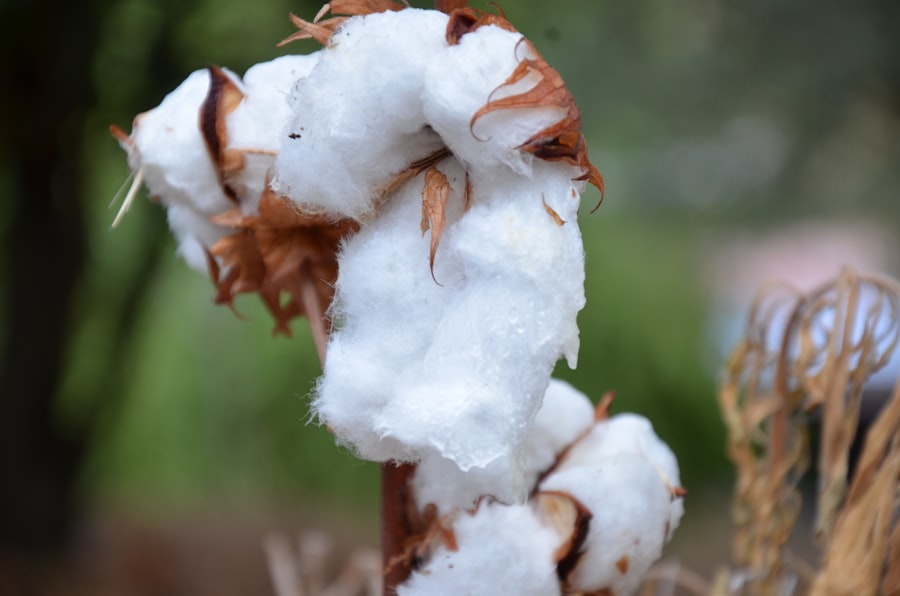
The choices made in the cultivation of cotton have direct and indirect ramifications for human health. The presence or absence of synthetic chemical residues on textiles, as well as the environmental impact of agricultural practices, all contribute to the overall health narrative surrounding cotton.
Occupations at Risk: The Farmer’s Dilemma
Agricultural workers, particularly those involved in conventional cotton farming, are often the first point of contact with the chemicals used. Exposure can occur during application, harvesting, or through contact with contaminated equipment and land. While protective gear is often mandated, its consistent and correct use can be challenging, especially in contexts with limited resources. Studies have linked occupational exposure to various health issues, including respiratory problems, neurological disorders, and certain types of cancer. The long-term health consequences for these individuals, who are instrumental in bringing cotton to our wardrobes, are a significant concern.
The Consumer’s Interface: Skin and Beyond
Once conventional cotton is transformed into clothing, bedding, or other textile products, consumers come into contact with any residual chemicals. While individual sensitivities vary, prolonged skin contact with fabrics treated with pesticides and herbicides can potentially lead to:
Dermatological Reactions: A Canvas for Irritation
Some individuals may experience skin irritation, redness, or allergic reactions to the chemicals present in conventional cotton textiles. These reactions can be subtle or pronounced, depending on the individual’s sensitivity and the concentration of the residues. The constant friction and contact between clothing and skin provide ample opportunity for these chemicals to interact with the dermis.
Systemic Concerns: The Unfolding Picture
The debate around the systemic effects of chronic low-level exposure to a cocktail of agricultural chemicals through textiles remains an active area of scientific inquiry. While direct causality is often difficult to establish definitively, some research suggests potential links between exposure to certain pesticide residues and endocrine disruption, developmental issues, and other long-term health concerns. The body is a complex system, and the silent accumulation of various chemical stressors can have cumulative effects over time.
The Broader Environmental Health Link: A Connected Web
The health of the environment is inextricably linked to human health. The pollution of water sources with pesticide runoff from conventional cotton fields can contaminate drinking water supplies, posing risks to entire communities. The loss of biodiversity, including the decline of pollinators, disrupts ecosystems in ways that can ultimately impact food security and human well-being. Choosing organic cotton can be seen as a vote for a healthier planet, which in turn supports a healthier human population. It is a recognition that our well-being is intertwined with the well-being of the natural world.
Environmental Footprints: Water, Soil, and Biodiversity
The environmental consequences of cotton cultivation extend far beyond the direct applications of chemicals. The sheer scale of cotton consumption means that even seemingly minor environmental impacts can aggregate into significant global concerns. Examining the ecological footprint of both conventional and organic cotton reveals stark differences in their impact on vital natural resources.
The Thirsty Field: Water Consumption and Contamination
Cotton is an inherently water-intensive crop. However, conventional farming practices can exacerbate this issue.
Irrigation Demands and Depletion of Water Resources
The intensive use of synthetic fertilizers in conventional cotton can lead to nutrient imbalances in the soil, reducing its water-holding capacity. This often necessitates increased irrigation, drawing heavily on freshwater resources. In many cotton-producing regions, this over-extraction contributes to the depletion of rivers, lakes, and aquifers, leading to water scarcity for both agricultural and domestic use. The arid and semi-arid regions where much cotton is grown are particularly vulnerable to such pressures.
Runoff and Water Pollution: A Chemical Cascade
Pesticides and herbicides used in conventional cotton farming are susceptible to runoff, particularly during rainfall or irrigation. These chemicals can be carried into nearby rivers, lakes, and groundwater, contaminating these vital water sources. This pollution poses a significant threat to aquatic ecosystems, harming fish, amphibians, and other wildlife. Furthermore, it can impact the quality of drinking water for downstream communities. The lingering presence of these chemicals in water bodies can disrupt natural processes for years to come.
The Unspoken Degradation: Soil Health and Eroding Land
The long-term viability of agricultural land is contingent on maintaining healthy soil. Conventional cotton farming practices can contribute to soil degradation.
Soil Compaction and Nutrient Depletion
The heavy machinery used in conventional farming can lead to soil compaction, hindering root growth and water infiltration. The relentless focus on chemical inputs can also lead to a depletion of the soil’s natural organic matter, reducing its fertility and making it more susceptible to erosion. This creates a vicious cycle where more artificial inputs are needed to compensate for the declining health of the soil.
Erosion and Sedimentation: Land Lost to the Elements
When soil health is compromised, it becomes more vulnerable to erosion by wind and water. This loss of topsoil, the most fertile layer of the earth, is a significant agricultural concern. Eroded soil particles can then enter waterways, contributing to sedimentation and impacting water quality. The visual spectacle of dust storms emanating from these degraded lands is a stark reminder of this environmental cost.
The Fading Tapestry: Biodiversity Loss
The intensive use of pesticides and the simplification of farming landscapes in conventional cotton cultivation have a profound impact on biodiversity.
The Silent Spring: Impact on Insects and Pollinators
Synthetic pesticides are often broad-spectrum, meaning they kill a wide range of insects, including beneficial ones. This can decimate insect populations, including vital pollinators like bees and butterflies, which play a crucial role in the reproduction of many plants, including food crops. This loss of insect life has cascading effects throughout the ecosystem, impacting other species that rely on insects for food.
Habitat Destruction and Ecosystem Imbalance
The focus on monoculture – planting vast areas with a single crop – in conventional cotton farming reduces habitat diversity. This eliminates the varied food sources and shelter needed by a wide range of wildlife. The removal of hedgerows, diverse plant margins, and natural vegetation to maximize planting area further contributes to habitat fragmentation and biodiversity loss. This results in a barren landscape, a single thread in the once-vibrant tapestry of nature.
When considering the environmental impact of textiles, the debate between organic cotton and conventional cotton often highlights the presence of toxins in the latter. A related article discusses the implications of financial crimes and how they can affect various industries, including agriculture. Understanding these connections can provide deeper insights into the importance of sustainable practices. For more information on how legislation can protect against financial crimes, you can read the full article here.
The Transparency Dilemma and Consumer Empowerment
| Metric | Organic Cotton | Conventional Cotton |
|---|---|---|
| Pesticide Use | 0 kg/ha (no synthetic pesticides) | Approximately 16 kg/ha synthetic pesticides |
| Herbicide Use | None (uses natural weed control methods) | High usage of synthetic herbicides |
| Insecticide Use | None (relies on natural pest control) | High usage of synthetic insecticides |
| Soil Toxicity | Low (promotes soil health and biodiversity) | High (chemical residues can accumulate) |
| Water Contamination Risk | Minimal (no synthetic chemicals) | High (runoff contains pesticides and fertilizers) |
| Worker Exposure to Toxins | Low (no synthetic chemicals used) | High (exposure to synthetic pesticides and chemicals) |
| Residue in Final Product | Negligible to none | Possible traces of pesticide residues |
Navigating the world of textiles can feel like traversing a marketplace shrouded in a degree of opaqueness. While labels often convey basic information, the deeper implications of a product’s origin and production methods can be less apparent. However, increasing awareness and evolving marketplace dynamics are empowering consumers to make more informed and conscious choices.
The Label’s Promise: Understanding Certifications
The quest for clarity in the textile industry is often aided by various certification schemes. These certifications act as signposts, indicating that a product has met certain standards related to its production.
GOTS and OCS: Guardians of Organic Integrity
The Global Organic Textile Standard (GOTS) is a leading certification that ensures the organic status of textiles, from the harvesting of raw materials to environmentally and socially responsible manufacturing. It encompasses ecological and social criteria, prohibiting the use of genetically modified organisms, toxic chemicals, and ensuring fair labor practices. The Organic Content Standard (OCS) is another certification that verifies the presence and amount of organically grown material in a final product. These certifications provide a level of assurance to consumers seeking genuinely organic products.
The Absence of a “Organic” Label: A Potential Warning Sign
Conversely, the absence of a recognized organic certification on a cotton product often signifies that it has been produced using conventional methods, which may involve the use of synthetic pesticides and herbicides. While this does not automatically denote danger for every individual, it presents a different risk profile, as discussed previously regarding chemical residues and environmental impact.
The Cost of Consciousness: Price and Perception
The price of organic cotton products can sometimes be higher than their conventional counterparts. This difference is often attributed to the increased labor involved in organic farming practices, the costs associated with certification, and the generally lower yields compared to heavily chemically-assisted conventional farming.
Valuing More Than Just the Thread: The True Cost of Production
However, it is crucial for consumers to consider the “true cost” of production. The seemingly lower price of conventional cotton often externalizes environmental and health costs onto society and the planet. The degradation of soil, pollution of water, and potential health impacts associated with conventional cotton are not reflected in the retail price. Organic cotton, while seeming more expensive upfront, can be viewed as an investment in a healthier future and a more sustainable planet.
Shifting Priorities: The Power of Consumer Demand
As consumer awareness grows, so too does the demand for sustainable and ethically produced goods. This shifting demand has a powerful influence on the market. Brands are increasingly recognizing the value of offering organic options to meet consumer expectations. This creates a virtuous cycle: increased demand leads to greater availability, which can, over time, lead to more competitive pricing and a broader accessibility of organic cotton products.
The Information Highway: Empowering Informed Decisions
In an era of readily available information, consumers are more empowered than ever to make informed choices. Online resources, consumer advocacy groups, and the transparent reporting of brands all contribute to a more informed marketplace.
Beyond the Buzzwords: Research and Knowledge
Understanding the terminology, the science behind chemical impacts, and the benefits of organic farming allows consumers to move beyond mere marketing buzzwords. Taking the time to research certifications, brand practices, and the environmental and health implications of synthetic chemicals empowers individuals to make choices that align with their values.
Voting with Your Wallet: The Ultimate Influence
Ultimately, the most potent tool a consumer possesses is their purchasing power. Every purchase is a statement, a vote for the kind of industry and world one wishes to support. By choosing organic cotton, consumers actively contribute to a shift away from harmful chemical practices and towards a more sustainable and health-conscious future for textiles. The threads of our choices weave the fabric of our collective reality.

WATCH NOW ▶️ WARNING: Why Europe Banned Your Wardrobe
FAQs
What are the main differences between organic cotton and conventional cotton?
Organic cotton is grown without synthetic pesticides, herbicides, or fertilizers, using natural farming methods. Conventional cotton typically relies on chemical inputs to enhance growth and control pests, which can introduce toxins into the environment.
Are there toxins present in conventional cotton farming?
Yes, conventional cotton farming often uses synthetic chemicals such as pesticides and insecticides, which can leave toxic residues on the cotton fibers and contribute to environmental pollution and health risks for farmworkers.
Does organic cotton contain any harmful chemicals or toxins?
Organic cotton is grown without synthetic chemicals, so it generally contains fewer harmful residues. However, natural substances used in organic farming are typically less toxic and biodegradable, making organic cotton a safer choice regarding toxins.
How do toxins from conventional cotton affect the environment?
Toxins from conventional cotton farming can contaminate soil, water, and air, harming wildlife and reducing biodiversity. Chemical runoff can pollute waterways, and pesticide exposure can negatively impact farmworkers and nearby communities.
Is organic cotton better for human health compared to conventional cotton?
Organic cotton is considered better for human health because it is free from synthetic pesticide residues, reducing the risk of skin irritation and allergic reactions. Additionally, it minimizes exposure to harmful chemicals for farmers and consumers alike.