The Dawn of Humanity: Origins in Africa
The story of human migration is not a single, grand exodus, but rather a tapestry woven from countless individual journeys, stretching back hundreds of thousands of years. It is a narrative etched in fossilized bones, encoded in our DNA, and revealed through the meticulous work of archaeologists and geneticists. At its heart lies the irrefutable evidence that humanity, Homo sapiens, emerged on the African continent. For a significant period of our evolutionary history, Africa was our sole cradle, the stage upon which our ancestors developed the cognitive abilities, bipedal locomotion, and social structures that would eventually allow us to conquer the globe.
Unraveling the African Genesis
The earliest fossil evidence for Homo sapiens points to Africa. Discoveries like those at Jebel Irhoud in Morocco, dating back approximately 300,000 years, and the Omo remains in Ethiopia, around 195,000 years old, provide a solid foundation for understanding our species’ initial emergence. These early hominins, while anatomically modern in many respects, would have differed from us in subtle but significant ways, reflecting ongoing evolutionary processes. The African environment, with its diverse landscapes ranging from savannas to forests, likely played a crucial role in shaping these early populations.
The Great African Laboratories
Within Africa, multiple regions appear to have been crucial for the development and diversification of early humans. The Eastern African Rift Valley, a region rich in fossil hominin finds, has long been considered a pivotal area. However, evidence is accumulating that other regions, including Southern Africa and even North Africa, were also significant evolutionary incubators. The complex interplay of environmental changes, resource availability, and population dynamics within these African “laboratories” would have driven adaptation and innovation, ultimately paving the way for our species’ future dispersal. Genetic studies, which analyze the variations in DNA within modern human populations, strongly support this African origin, revealing that the greatest genetic diversity is found among African populations, indicating that they have been evolving for the longest period.
The study of ancient human migration patterns has revealed fascinating insights into how our ancestors spread across the globe. For a deeper understanding of these migration timelines and the remarkable discoveries that have shaped our knowledge of human history, you can explore the article titled “Unbelievable Maps: Shocking Discoveries” available at this link. This article provides a visual representation of migration routes and highlights significant archaeological findings that have contributed to our understanding of early human movement.
The First Steps Out of Africa: Early Dispersals
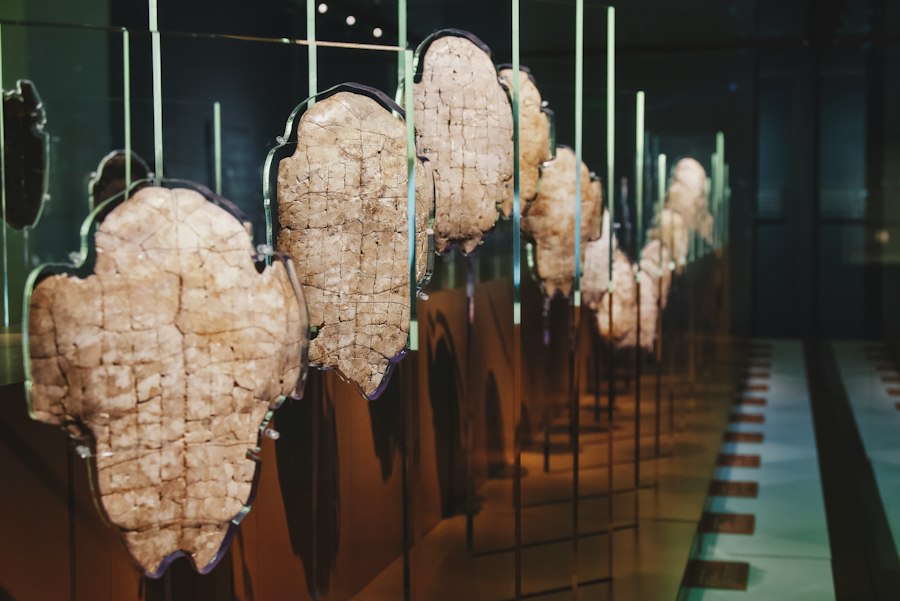
The initial migrations out of Africa were not a single, coordinated event, but rather a series of tentative explorations and expansions. These early journeys were likely driven by a confluence of factors, including population growth, resource scarcity, and curiosity about neighboring territories. Understanding these first outward movements is crucial to deciphering the subsequent spread of humanity across the globe.
The Southern Route: Across the Bab el-Mandeb
One of the most widely accepted theories for the initial Homo sapiens dispersal out of Africa centers on a southern route. This route likely involved crossing the Bab el-Mandeb strait, the narrow body of water separating the Horn of Africa from the Arabian Peninsula. During periods of lower sea levels, this strait would have been narrower, potentially allowing for easier passage. Evidence for this dispersal comes from archaeological sites in Arabia and the Levant, which show the presence of anatomically modern humans by around 100,000 to 120,000 years ago. These early migrants would have encountered new environments, adapted to different food sources, and potentially interacted with archaic human populations already present in these regions, such as Neanderthals and Denisovans.
The Northern Route: Through the Levant
Another significant pathway for early human movement out of Africa appears to have been through the Levant, the region encompassing modern-day Israel, Palestine, Lebanon, and Syria. While evidence for this route is sometimes debated, some archaeological finds suggest human presence in this area earlier than previously thought. These early arrivals would have then continued their journey north and east, exploring the vast landscapes of Eurasia. The timing and nature of these early dispersals are complex, and ongoing research continues to refine our understanding of these pivotal moments in human history.
Populating Eurasia: A Continent of Diversification
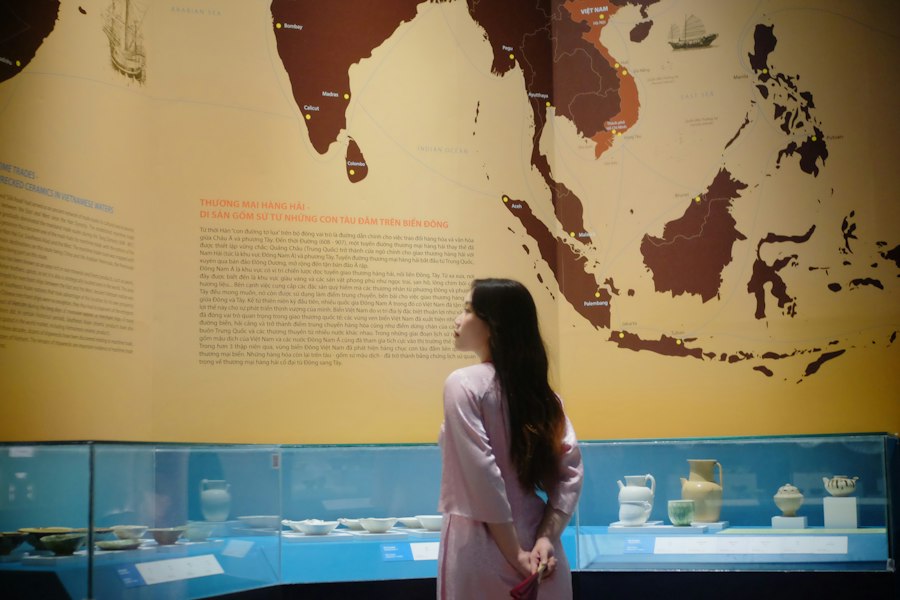
Once out of Africa, Homo sapiens embarked on a monumental journey to populate the vast Eurasian continent. This process was not linear, but rather a complex web of migrations, adaptations, and interactions that led to the emergence of diverse human populations with distinct physical and cultural characteristics. The encounter with existing hominin groups, such as Neanderthals and Denisovans, also played a significant role in shaping the genetic makeup of modern Eurasians.
The Neanderthal Encounter: A Complex Relationship
As early Homo sapiens ventured into Europe and Western Asia, they encountered Neanderthals, a hominin species that had evolved in these regions for hundreds of thousands of years. Far from being a purely antagonistic relationship, evidence suggests a more complex interplay of competition, coexistence, and even interbreeding. Genetic studies have confirmed that modern non-African humans carry a small percentage of Neanderthal DNA, a testament to these ancient encounters. This genetic admixture may have provided early Homo sapiens with advantageous traits, such as adaptations to colder climates and enhanced immune responses.
Denisovans and the East: A Mysterious Branch
In Eastern Asia, Homo sapiens encountered another archaic hominin group: the Denisovans. Known primarily through genetic evidence from a few fossil fragments, Denisovans were a widespread group that inhabited parts of Asia. Like Neanderthals, Denisovans also interbred with migrating Homo sapiens. Today, populations in Melanesia and some parts of Asia show evidence of Denisovan ancestry, suggesting that these interactions were widespread across the continent. The extent of their geographical range and their specific interactions with Homo sapiens remain areas of active research.
Adapting to New Worlds: From Forests to Steppes
The colonization of Eurasia presented Homo sapiens with an incredible array of environmental challenges and opportunities. They had to adapt to vastly different climates, from the frozen landscapes of Siberia to the temperate forests of Europe and the arid steppes of Central Asia. This adaptation involved developing new hunting strategies, mastering the use of fire for warmth and cooking, and creating more sophisticated tools and shelters. Archaeological sites across Eurasia reveal a remarkable ingenuity in developing technologies tailored to specific local conditions. The development of clothing, for instance, would have been crucial for survival in colder regions, while advancements in projectile technology would have been essential for hunting large game.
Reaching the Ends of the Earth: Island Hopping and Continent-Spanning Journeys
The urge to explore and expand did not cease with the peopling of Eurasia. Humans continued their relentless journey, venturing across vast oceans and challenging landscapes to reach the most remote corners of the planet. These epic migrations, often involving sophisticated seafaring technologies and remarkable navigational skills, led to the colonization of islands, continents, and even the harsh environments of the Arctic.
The Southeast Asian Archipelago: Mastering the Waves
The colonization of Southeast Asia and the islands of Oceania represents one of humanity’s greatest navigational achievements. The migration into this region, which began tens of thousands of years ago, involved island hopping across a vast and complex archipelago. This required the development of seaworthy watercraft and a deep understanding of ocean currents and weather patterns. Early humans in this region adapted to diverse tropical environments, developing specialized fishing techniques and cultivating new food sources. The genetic diversity found in the populations of this region is a testament to the numerous waves of migration and the long periods of isolation and adaptation that followed.
The Americas: A Land of Ancient Peoples
The arrival of humans in the Americas is a topic of ongoing scientific debate, but the consensus points to a migration from Northeast Asia across the Bering Land Bridge. This land bridge, exposed during periods of lower sea levels, would have provided a pathway for humans and animals to move between continents. The timing of this migration is estimated to be at least 15,000 years ago, possibly even earlier. Once in the Americas, humans spread south, populating North, Central, and South America, adapting to a wide range of environments, from the Arctic tundra to tropical rainforests and vast grasslands. The development of distinct cultures and technologies in these new lands reflects a remarkable capacity for adaptation and innovation by these ancient pioneers.
The Arctic Frontier: Survival in the Extreme
The colonization of the Arctic regions, both in Eurasia and North America, represents an extraordinary testament to human resilience and ingenuity. Venturing into these harsh, unforgiving environments required the development of specialized clothing, advanced hunting techniques for marine mammals and land animals, and the ability to build sturdy shelters capable of withstanding extreme cold. The Inuit and Yupik peoples, and their ancestors, demonstrate a remarkable legacy of adaptation to life in the Arctic, a testament to the enduring spirit of human exploration and survival in the face of seemingly insurmountable challenges.
Recent studies have shed light on ancient human migration patterns, revealing how early populations dispersed across continents. This fascinating topic is further explored in an article that discusses the Piri Reis map, which offers insights into ancient navigation and cartography. For those interested in the connections between geography and migration, you can read more about it in this insightful piece on ancient technology. Understanding these patterns not only enriches our knowledge of human history but also highlights the ingenuity of our ancestors in navigating the world.
The Legacy of the Wanderer: Genetic Traces and Ongoing Discoveries
| Time Period (Years Ago) | Migration Event | Region(s) Involved | Significance |
|---|---|---|---|
| ~200,000 | Emergence of Homo sapiens | Africa | Origin of anatomically modern humans |
| ~70,000 | Out of Africa Migration | Africa to Middle East and Asia | First major dispersal of modern humans out of Africa |
| ~50,000 | Migration into Australia | Southeast Asia to Australia | Early human settlement of Australia via coastal routes |
| ~45,000 | Migration into Europe | Middle East to Europe | Replacement of Neanderthals by modern humans |
| ~30,000 | Expansion into Siberia | Asia to Siberia | Adaptation to cold climates and preparation for Americas migration |
| ~20,000 | Migration to Americas | Siberia to North America via Bering Land Bridge | First human settlement of the Americas |
| ~15,000 | Spread throughout Americas | North America to South America | Rapid colonization of the entire American continents |
| ~10,000 | Neolithic Agricultural Expansion | Middle East to Europe and Asia | Spread of farming and sedentary lifestyles |
The ancient journeys of our ancestors are not lost to the mists of time. The genetic legacy of these migrations is woven into the DNA of every human being alive today. By studying these genetic patterns, scientists are continuously unraveling the intricate details of our shared past, revealing new insights into the timing, routes, and complexities of early human movements.
DNA as a Historical Record: Unraveling Ancestry
The advent of genetic analysis has revolutionized our understanding of human migration. By comparing the DNA of modern populations with ancient DNA extracted from fossilized remains, researchers can trace ancestral lineages, identify admixture events, and estimate the timing of population movements. Mitochondrial DNA, which is passed down from mother to child, and Y-chromosome DNA, passed from father to son, are particularly valuable for tracing ancient migrations. These genetic “clocks” allow scientists to map the spread of human populations across continents and oceans, providing a powerful complement to archaeological evidence.
New Discoveries and Evolving Narratives
The field of paleoanthropology and ancient genomics is a dynamic one, with new discoveries constantly emerging. Advances in dating techniques, excavation methodologies, and genetic sequencing technologies are continually refining our understanding of early human migrations. Previously held theories are being re-evaluated, and new hypotheses are being proposed as more evidence comes to light. The story of human migration is an ongoing narrative, and each new fossil find or genetic analysis adds another crucial chapter to our understanding of where we came from and how we came to inhabit the diverse planet we call home. The quest to trace our ancient journeys is a testament to our innate curiosity and our deep-seated desire to understand our place in the grand tapestry of life.