
So, you’re curious about tracing Cajun DNA and what it can tell us about where these fascinating people came from? It’s a great question! Essentially, tracing Cajun DNA is like piecing together a historical puzzle using your own genetic code. It reveals the journey of your ancestors, primarily from France, across the Atlantic, and their eventual settlement in what is now Louisiana. It’s not just about finding French roots; it’s about understanding the specific migrations and interactions that shaped Cajun culture.
The Acadians: A People in Motion
Before they were Cajuns, they were Acadians. This is the foundational story, and it’s a dramatic one. Understanding the Acadians is the first step in unraveling Cajun DNA.
French Beginnings and the New World Dream
In the early 17th century, France was looking to expand its influence and establish colonies in North America. They set their sights on Acadia, a region encompassing parts of what are now Nova Scotia, New Brunswick, and Prince Edward Island in Canada. The settlers, largely from western France, were a mix of farmers, fishermen, and artisans. They weren’t necessarily seeking religious freedom initially, but rather a new life, the chance to build something from scratch in a vast, untamed land. Their early settlements were characterized by a strong sense of community and a remarkable ability to adapt to the challenging environment of the Maritimes. They developed unique farming techniques, like the marshes or aboiteaux, to reclaim land from the sea.
Life in Acadia: Community and Resilience
For over a century, the Acadians carved out a life for themselves. They maintained their French language and Catholic faith, developing a distinct cultural identity separate from both the indigenous peoples and the growing British presence. Their society was largely agrarian, with close-knit villages and a strong emphasis on family ties. They were relatively isolated, and while they traded with neighbors, they largely managed their own affairs. This period laid the groundwork for the resilience and strong sense of identity that would become hallmarks of the Acadian and, later, Cajun people. The genetic markers we see today in Cajun DNA are a direct echo of this early French population.
The study of Cajun DNA migration routes offers fascinating insights into the historical movements and cultural exchanges of the Cajun people in Louisiana. For those interested in understanding how migration patterns shape communities, a related article discusses the urgent need for international aid in Yemen, highlighting the complexities of migration and humanitarian crises. You can read more about this pressing issue in the article found here: Yemen Crisis: The Urgent Need for International Aid.
The Great Upheaval: The Expulsion of the Acadians
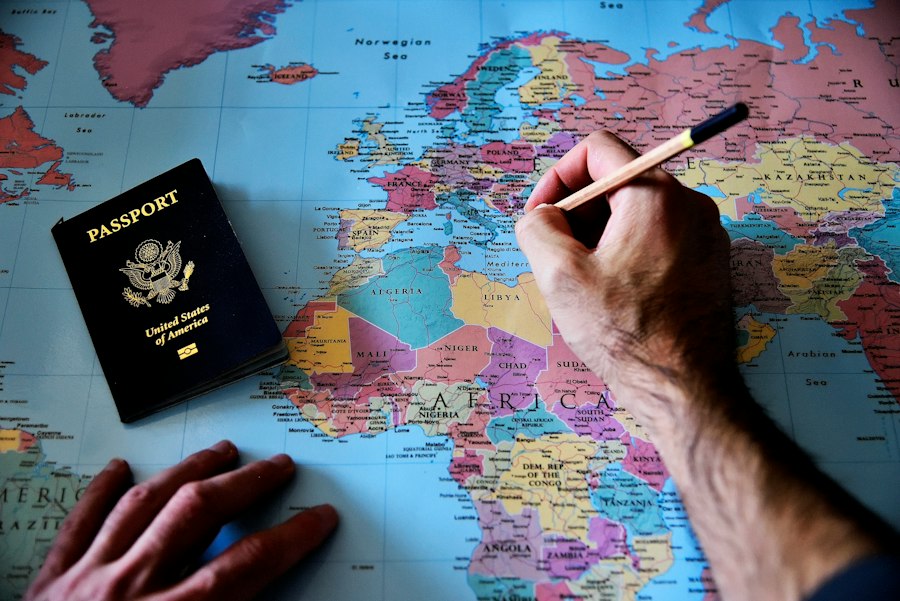
This is the most pivotal and tragic chapter in the Acadian story, and it directly influences the genetic landscape we see in modern Cajuns. The expulsion, also known as Le Grand Dérangement, is the reason why many Acadians ended up in Louisiana.
British Rule and Growing Tensions
As British influence grew in North America following the Treaty of Utrecht in 1713, Acadia came under British control. The Acadians, however, were a French-speaking, Catholic population living within a predominantly English-speaking, Protestant empire. The British authorities were wary of their loyalties, especially with ongoing conflicts between Britain and France. They demanded that the Acadians swear an unqualified oath of allegiance to the British Crown, which the Acadians, fearing military conscription and the abandonment of their neutrality, largely refused. This refusal became the flashpoint for their eventual expulsion.
Deportation and Dispersion
Between 1755 and 1763, the British carried out the systematic expulsion of the Acadians. Families were forcibly removed from their homes, often with little notice, and scattered across British colonies in North America, including New England, Maryland, and the Carolinas. Many were crammed onto ships, and the conditions were harsh. Thousands died during this period from disease, starvation, and shipwrecks. This wasn’t a single event but a protracted and brutal process of ethnic cleansing. The scattering meant that Acadian communities were broken apart, and their genetic pool was dispersed.
Recent studies on Cajun DNA migration routes have revealed fascinating insights into the historical movements of this unique cultural group. Researchers have traced the genetic lineage of Cajun populations, uncovering connections to various regions and communities. This exploration of heritage is reminiscent of the shifting dynamics in other areas, such as the evolving landscape of space geopolitics. For a deeper understanding of how these changes impact global interactions, you can read more in this article about SpaceX and its influence on space geopolitics.
The Journey South: Seeking Refuge
While some Acadians remained in British territories, a significant number, seeking to reunite with family or simply find a place where they could live freely, began a arduous journey south. Many made their way to Spanish-controlled Louisiana, a territory that offered a refuge from British rule and a welcoming environment for French speakers. Others arrived in Louisiana by sea, having been deported to various points and eventually making their way to the fertile lands along the Mississippi River and its tributaries. This southward migration is the direct link that connects Acadian DNA to Cajun DNA.
Louisiana: A New Home and a New Identity
The arrival in Louisiana marked the beginning of a new chapter, one where the Acadians adapted and evolved into the people we now know as Cajuns.
Settling the Bayou Country
Upon arriving in Louisiana, the Acadians were granted land, often in the southern and western parts of the colony, far from the established French Creole society of New Orleans. These areas, characterized by swamps, marshes, and bayous, were challenging but ultimately fertile. They settled in communities like St. Martinville, Lafayette, and New Iberia, reclaiming the land and adapting their farming and fishing techniques to the new environment. The name “Cajun” itself is a corruption of “Acadian,” reflecting this transformation. The isolation of these bayou settlements also helped preserve their distinct language and culture.
Cultural Fusion and Adaptation
While they maintained their French language and Catholic faith, the Acadians in Louisiana didn’t exist in a vacuum. They interacted with Spanish settlers, Native American tribes (like the Chitimacha and Atakapa), and later, other European groups and enslaved Africans. These interactions led to a fascinating cultural fusion. The food, music, and dialect of the Cajuns all bear the marks of this intermingling. This is where the genetic story gets richer. While the core of Cajun DNA is French, there are also contributions from other groups that arrived in Louisiana, either concurrently or later, and integrated into these communities.
The Defining Characteristics of Cajun Culture
Cajun culture is known for its unique blend of influences. Their distinctive cuisine, famous for its rich flavors and use of local ingredients, is a testament to their adaptability. Their music, a lively mix of French folk, blues, and other influences, is an expression of their vibrant spirit. The Cajun French dialect, while derived from the French spoken in Acadia, has also absorbed words and pronunciations from Spanish, English, and indigenous languages. This cultural resilience and distinctiveness are what make tracing Cajun DNA so compelling – it’s a journey through history, hardship, and adaptation.
Genetic Markers and Ancestral Origins
Now, let’s get into the nitty-gritty of what DNA testing can actually reveal about Cajun ancestry. It’s about looking for specific patterns that tell a story.
The French French Connection: Autosomal DNA
For most people, the primary tool for tracing recent ancestry is autosomal DNA testing (the kind that tests for 23andMe, AncestryDNA, etc.). This type of DNA is inherited from all your ancestors. When you test your autosomal DNA, you’ll see ethnicity estimates
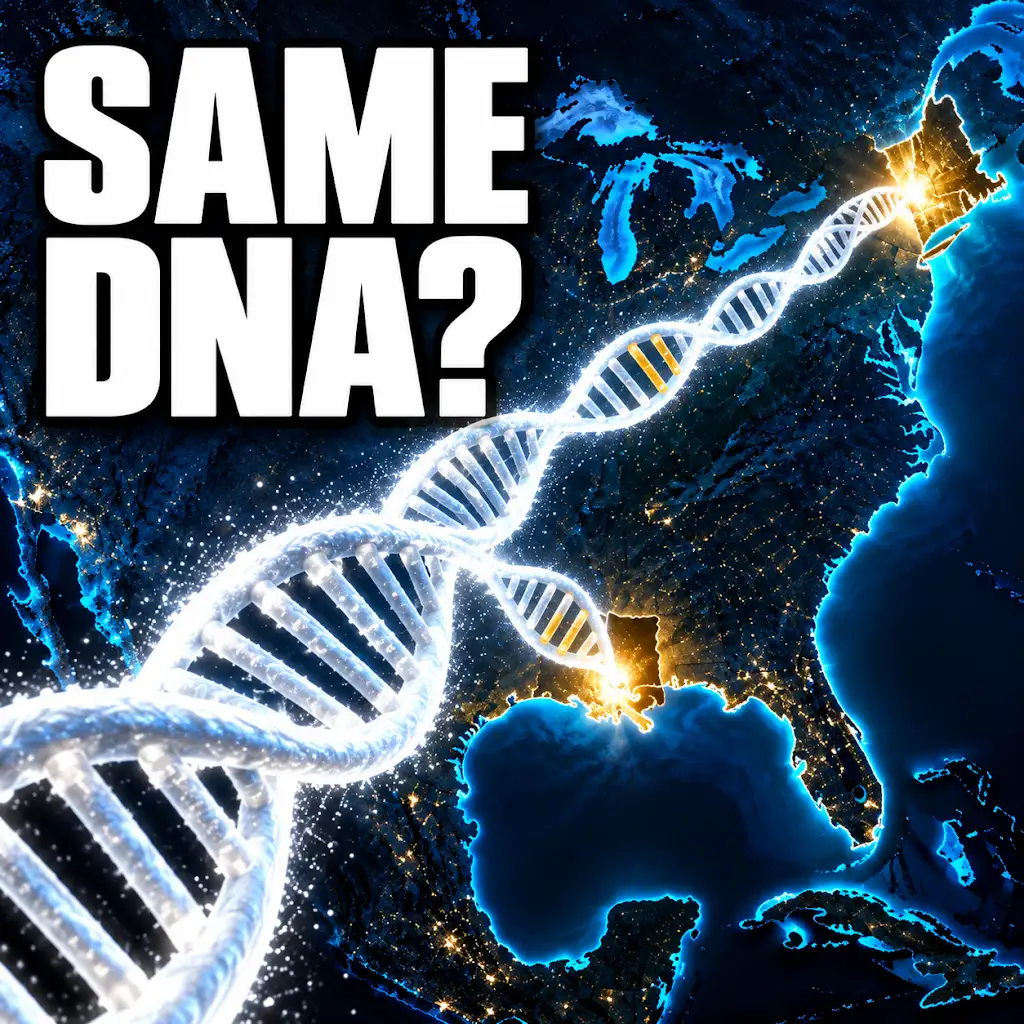
Cajun or French Canadian? The DNA Looked the Same—Until Researchers Looked Closer
FAQs
What are Cajun DNA migration routes?
Cajun DNA migration routes refer to the paths taken by Cajun people as they migrated from France to Canada and eventually settled in Louisiana, USA.
How did the Cajun people end up in Louisiana?
The Cajun people were originally French settlers who were expelled from Acadia (present-day Nova Scotia, Canada) by the British in the mid-18th century. They eventually settled in Louisiana, where they became known as Cajuns.
What genetic markers are commonly found in Cajun DNA?
Common genetic markers found in Cajun DNA include markers associated with French, Spanish, Native American, and African ancestry, reflecting the diverse origins of the Cajun people.
How has DNA testing helped trace Cajun migration routes?
DNA testing has helped trace Cajun migration routes by identifying genetic markers specific to Cajun ancestry and comparing them to populations in France, Canada, and other regions to determine migration patterns.
What can studying Cajun DNA migration routes tell us about Cajun history and culture?
Studying Cajun DNA migration routes can provide insights into the history and cultural heritage of the Cajun people, including their origins, migration patterns, and genetic diversity resulting from centuries of intermingling with different populations.