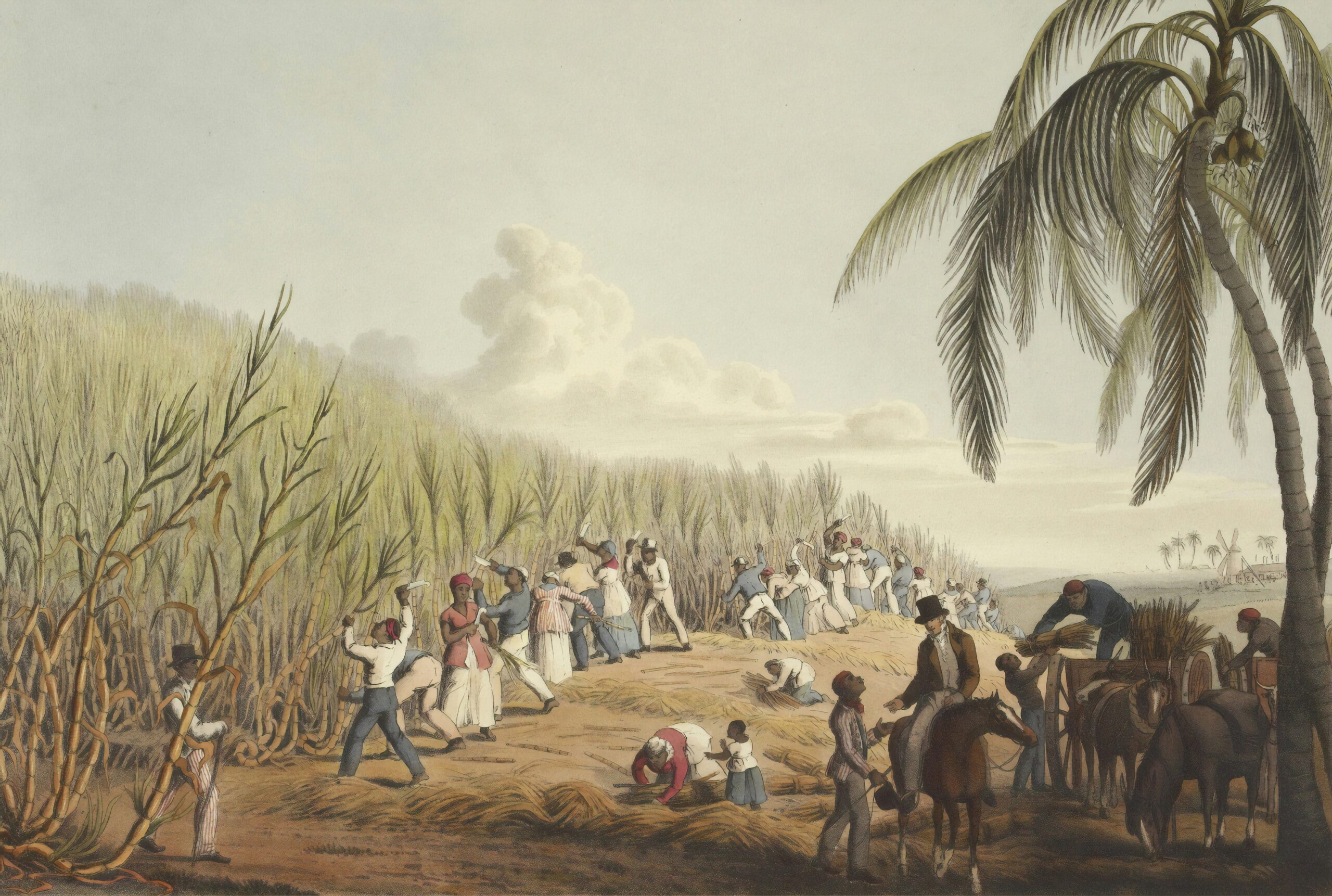
The story of humanity is intrinsically a narrative of movement. From our humble origins, the impulse to explore, to seek new resources, and to expand our territories has driven hominin populations across vast distances, leaving behind a trail of genetic and archaeological clues that, when meticulously pieced together, reveal the epic saga of our migration patterns across continents. Understanding these ancient journeys is not merely an academic pursuit; it offers profound insights into our shared ancestry, the development of human diversity, and the remarkable adaptability of our species.
The African Cradle: Origins and Initial Dispersions
The scientific consensus firmly places the genesis of Homo sapiens in Africa, a continent that served as both the nursery and the initial launchpad for our species. The fossil record, coupled with increasingly sophisticated genetic analyses, paints a picture of early hominin evolution over millions of years, culminating in the emergence of anatomically modern humans. The earliest evidence for Homo sapiens dates back to around 300,000 years ago in North Africa, suggesting a long period of development and localized diversification within the continent before the significant outward migrations began.
Unraveling Mitochondrial Eve and Y-Chromosomal Adam
One of the most powerful tools for tracing deep human ancestry has been the study of mitochondrial DNA (mtDNA) and the Y chromosome. Mitochondrial DNA is inherited exclusively from the mother, while the Y chromosome is passed down from father to son. By analyzing the genetic variations within these DNA segments across global populations, scientists can construct phylogenetic trees that point to a common ancestral origin. “Mitochondrial Eve” and “Y-Chromosomal Adam” are not literal single individuals but rather represent the most recent common ancestors from whom all currently living humans trace their maternal and paternal lineages, respectively. Their estimated origins within Africa provide a crucial anchor point for understanding subsequent migrations. These genetic markers demonstrate a clear African origin, with subsequent diversification occurring as populations moved and became isolated. The genetic diversity within Africa is also demonstrably higher than anywhere else on Earth, a direct consequence of this long period of evolution and early dispersal within the continent.
Early Waves of Out-of-Africa Migration
While the precise timing and routes of the earliest significant dispersals out of Africa are still subjects of ongoing research and debate, evidence points to multiple waves of migration. The “Out of Africa” model, which posits that modern humans originated in Africa and then migrated to populate the rest of the world, is strongly supported by genetic and fossil data. These early migrations were likely driven by a complex interplay of factors including climate change, resource availability, population growth, and curiosity. Early hominins, possessing increasingly sophisticated toolkits and social structures, were capable of adapting to a variety of environments, enabling them to venture beyond the African continent.
Evidence from the Levant and the Arabian Peninsula
The Levant, a region encompassing modern-day Israel, Palestine, Lebanon, Jordan, and Syria, and the Arabian Peninsula have been critical crossroads in early human migration. Fossil discoveries in these areas, such as the Skhul and Qafzeh caves in Israel, dating back over 100,000 years, suggest that early modern humans may have ventured out of Africa much earlier than previously thought, perhaps through the Sinai Peninsula. While some of these early excursions might not have led to sustained populations outside of Africa, they represent important exploratory movements. The genetic signatures found in populations along these routes provide further evidence of these early interactions and dispersals.
Recent studies on early human family migration patterns have shed light on how ancient civilizations adapted to their environments, particularly in relation to water management. One fascinating example is the ancient Persian qanat system, which played a crucial role in supporting agricultural communities and facilitating migration in arid regions. For more insights into this remarkable engineering feat and its impact on human settlement, you can read the article here: The Ancient Persian Qanat System: A Water Management Marvel.
The Journey East: Populating Asia

Following their departure from Africa, one of the primary routes for early human migration led eastward, traversing the Arabian Peninsula and into South Asia, Southeast Asia, and eventually East Asia. This vast expansion involved navigating diverse landscapes, from arid deserts to dense tropical rainforests, showcasing the remarkable adaptability of our ancestors.
South Asia as a Major Migration Hub
The Indian subcontinent, with its rich archaeological record and diverse populations, has proven to be a significant focal point for understanding early Asian migrations. Genetic studies of South Asian populations reveal a complex tapestry of ancestral components, reflecting multiple migratory waves. Archaeological sites, such as those in the Thar Desert of Rajasthan, have yielded stone tools and fossil remains that indicate early human presence. The genetic diversity within India is also substantial, suggesting it was a crucial area where populations settled, diversified, and potentially served as a source for further migrations into Southeast Asia and beyond. The integration of linguistic and archaeological data with genetic findings provides a more comprehensive picture of these ancient movements.
The Peopling of Southeast Asia and the Islands
The journey eastward continued into Southeast Asia, a region characterized by its rich biodiversity and archipelagic nature. Early humans likely utilized coastal routes, exploiting marine resources and island-hopping to spread across the islands of Indonesia and the Philippines. The discovery of ancient hominin fossils, such as Homo floresiensis on the island of Flores, while not Homo sapiens, highlights the long history of hominin presence and diversification in this region, suggesting complex interactions and potentially earlier migrations than currently understood for our own species. Genetic studies of populations in Island Southeast Asia reveal a fascinating admixture of continental and island-origin ancestries, indicating distinct migratory pulses and interactions.
Reaching the Far East: China and Siberia
The migration into East Asia, encompassing China and Siberia, represents another significant chapter in the human story. Archaeological evidence, such as the discovery of early Homo sapiens fossils in China dating back tens of thousands of years, points to a sustained presence. The genetic landscape of East Asia is characterized by distinct lineages that reflect the long-term settlement and diversification of populations across this vast territory. Further north, the peopling of Siberia, with its harsh environmental conditions, represents a remarkable feat of human adaptation. This movement into Siberia laid the groundwork for the eventual migration into the Americas, a journey that would bridge the Bering Strait.
The Great Leap Westward: Europe and the Middle East
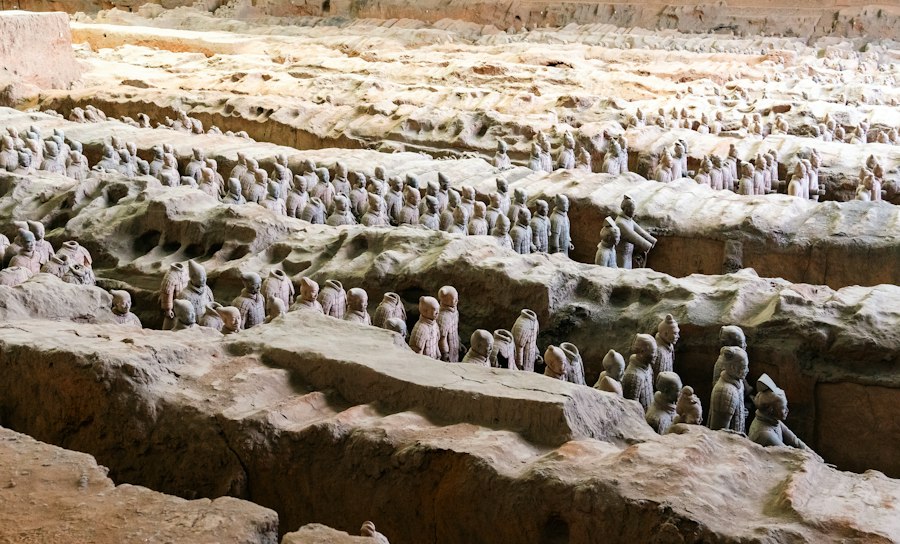
While populations were moving eastward, another significant migratory current flowed westward, leading to the settlement of the Middle East and eventually Europe. This expansion involved encountering and interacting with other hominin groups, most notably Neanderthals, and adapting to the diverse environments of the Eurasian continent.
Early Encounters with Neanderthals
As early Homo sapiens ventured out of Africa and into the Middle East and Europe, they encountered established populations of Neanderthals. For a significant period, these two hominin groups coexisted, and compelling genetic evidence has revealed that interbreeding occurred. Modern humans of non-African ancestry carry a small percentage of Neanderthal DNA, a testament to these ancient encounters. This genetic legacy suggests that Neanderthals contributed to the adaptive toolkit of early Homo sapiens as they spread across Eurasia, providing genes that may have conferred advantages in novel environments, such as those related to immunity and skin pigmentation. The archaeological record also shows periods of overlap where distinct lithic technologies associated with both groups are found in close proximity.
The Colonization of Europe
The colonization of Europe was a protracted process, likely occurring in multiple waves. Early Homo sapiens moved into the Levant and then gradually spread northwards and westwards. The archaeological record in Europe provides a rich timeline of human settlement, from the Aurignacian culture, associated with the earliest Homo sapiens in Europe, to later industries like the Gravettian, Solutrean, and Magdalenian, each reflecting distinct technological innovations and migratory movements. Climate played a significant role, with glacial periods presenting formidable barriers and interglacial periods opening up new territories. The genetic diversity of modern European populations is a reflection of these complex migratory histories, including the initial colonization, subsequent expansions, and admixture with other groups, including residual Neanderthal and Denisovan contributions.
The Rich Tapestry of the Middle Eastern Genetic Landscape
The Middle East, serving as a crucial bridge between Africa and Eurasia, exhibits a particularly intricate genetic landscape. It was a region of initial contact between Homo sapiens and Neanderthals, and a corridor for multiple migratory pulses from both Africa and further east. The genetic diversity found in populations across the Levant, Anatolia, and the Arabian Peninsula reflects a long history of settlement, interaction, and movement. Studying these populations is key to understanding the earliest dispersals into Europe and Asia and the complex genetic interactions that shaped our ancestral lineages. The archeological sites here often reveal evidence of both African and Eurasian influences, underscoring the region’s pivotal role.
Across the Oceans: The Peopling of the Americas and Oceania
The final great continental migrations involved reaching the Americas and the vast expanse of Oceania, feats that required remarkable ingenuity, technological advancements, and an unparalleled capacity for adaptation to vastly different environments.
Bridging the Bering Strait: The First Americans
The peopling of the Americas is a story intrinsically linked to the last glacial period. As massive ice sheets covered much of North America, sea levels dropped, exposing a land bridge known as Beringia, connecting Siberia and Alaska. It is widely believed that the first humans to populate the Americas arrived via this land bridge, likely in multiple waves, perhaps as early as 20,000 to 25,000 years ago. The genetic evidence strongly supports an East Asian origin for Native American populations, with distinct lineages that reflect the timing and routes of these migrations. Archaeological sites like Monte Verde in Chile, dating back over 14,000 years, provide evidence of early human presence deep within the continent, suggesting rapid dispersal once the ice barriers receded. The exact routes of travel, whether over land, along the Pacific coast, or a combination thereof, remain active areas of research.
The Island Hopping of Oceania
The colonization of Oceania, from the islands of Southeast Asia to the remote reaches of the Pacific, represents one of the most extraordinary achievements in human migration history. This process involved seafaring technologies that allowed populations to navigate vast stretches of open ocean, settling island after island. The Austronesian expansion, which began perhaps 5,000 years ago, is particularly noteworthy, spreading peoples and languages across an enormous geographical area, from Madagascar to Easter Island. The genetic diversity within Oceanian populations is a reflection of these complex maritime migrations, with distinct ancestral components linking them to mainland Asia and demonstrating remarkable adaptation to diverse island environments. Linguistic studies have been invaluable in tracing the spread of these seafaring cultures.
Adapting to Extreme Environments
The successful migration and settlement of continents with such diverse and often extreme environments speak volumes about the ingenuity and resilience of early humans. From the frigid landscapes of Siberia and the Arctic to the tropical rainforests of Southeast Asia and the vast deserts of Africa and Australia, our ancestors demonstrated an unparalleled ability to adapt. This adaptability was driven by a combination of technological innovation, social organization, and cultural learning. The development of specialized tools, clothing, shelter, and hunting techniques allowed humans to thrive in conditions that would have been insurmountable for less adaptable species. This remarkable capacity for adaptation is a defining characteristic of Homo sapiens and has been central to our global success.
Recent studies have shed light on early human family migration patterns, revealing how our ancestors adapted to various environments as they spread across the globe. This fascinating exploration of human history is complemented by a related article that discusses the impact of migration on modern societies, particularly in the context of economic development. For those interested in understanding the connections between past and present, the article can be found here.
Modern Tools for Ancient Journeys: Genetics, Archaeology, and Anthropology
| Region | Approximate Time Period | Migration Route | Key Evidence | Significance |
|---|---|---|---|---|
| East Africa | 200,000 – 100,000 years ago | Origin point | Fossil records, genetic markers (mtDNA) | Cradle of modern humans (Homo sapiens) |
| Middle East | 90,000 – 70,000 years ago | Out of Africa via Sinai Peninsula | Archaeological sites, stone tools | First major migration out of Africa |
| South Asia | 70,000 – 50,000 years ago | Coastal route along Arabian Sea | Genetic diversity, ancient tools | Expansion into Asia |
| Europe | 45,000 – 40,000 years ago | Via Middle East and Anatolia | Fossils, cave art, DNA evidence | Interaction with Neanderthals |
| Australia | 50,000 – 40,000 years ago | Island hopping from Southeast Asia | Archaeological sites, genetic studies | One of the earliest oceanic migrations |
| East Asia | 40,000 – 30,000 years ago | From South Asia northwards | Fossils, genetic markers | Settlement of diverse climates |
| Americas | 20,000 – 15,000 years ago | Bering Land Bridge from Siberia | Archaeological sites, mitochondrial DNA | First human presence in the New World |
The understanding of early human migration patterns is a multidisciplinary endeavor, relying on the synergistic efforts of genetics, archaeology, and anthropology. Each field provides a unique lens through which to view our ancestral past, and their combined insights offer the most comprehensive and nuanced picture of our global journey.
The Power of Ancient DNA Analysis
The advent of ancient DNA (aDNA) analysis has revolutionized our understanding of human migration. By extracting and sequencing DNA from fossilized remains, scientists can directly analyze the genetic makeup of past populations. This allows for precise dating of divergences, identification of admixture events, and tracing of ancestral lineages across vast distances and time scales. For instance, aDNA has confirmed interbreeding with Neanderthals and Denisovans, revealed the genetic makeup of early European settlers, and provided critical insights into the peopling of the Americas. The continuous refinement of aDNA extraction and sequencing techniques is constantly pushing the boundaries of what we can learn about our deep past.
Archaeological Fingerprints of Movement
Archaeology provides the tangible evidence of human presence and movement. The discovery of stone tools, settlements, burial sites, and other artifacts allows researchers to map the spread of human populations, infer their subsistence strategies, and understand their technological capabilities. By comparing artifact styles and distributions across different regions, archaeologists can identify potential migration routes and periods of significant population movement. The correlation of archaeological findings with genetic data is particularly powerful, providing a robust framework for reconstructing migration histories. For example, the spread of specific lithic technologies often correlates with distinct genetic clades.
Anthropological Perspectives on Culture and Adaptation
Anthropology offers crucial insights into the social, cultural, and behavioral aspects of human migration. By studying contemporary hunter-gatherer societies and analyzing the archaeological record of past human behavior, anthropologists can infer the motivations behind migration, the social structures that facilitated it, and the adaptive strategies that enabled survival in new environments. Understanding the development of language, kinship systems, and belief structures provides a more complete picture of how early humans organized themselves and interacted with their surroundings. This holistic approach, integrating biological, archaeological, and cultural evidence, is essential for a comprehensive understanding of human migration.
The Ongoing Dialogue Between Disciplines
The story of human migration is not static. New discoveries are constantly being made, and scientific methods are continuously evolving. The interplay between genetics, archaeology, and anthropology is a dynamic and ongoing dialogue, where each discipline informs and challenges the findings of the others. This collaborative approach is essential for refining our understanding of the complex pathways and timelines of our ancestral journeys, piecing together the intricate mosaic of human history, and ultimately, understanding ourselves. The ongoing quest to trace these ancient family migration patterns continues to reveal the remarkable odyssey that brought humanity to every corner of the globe.

Life 20,000 Years Ago: The Ultimate Ice Age Fight to Survive
FAQs
What were the early human family migration patterns?
Early human family migration patterns refer to the movements of early human groups from one region to another in search of resources, better living conditions, or due to environmental changes. These migrations played a crucial role in the spread of humans across the globe.
How did early human families navigate during migration?
Early human families likely relied on a combination of landmarks, celestial navigation, and knowledge passed down through generations to navigate during migration. They may have also used natural cues such as the sun, stars, wind patterns, and animal behavior to guide their movements.
What factors influenced early human family migration patterns?
Factors that influenced early human family migration patterns include changes in climate, the availability of food and water, competition with other groups, natural disasters, and the desire to explore new territories. These factors often determined when and where early humans would migrate.
Where did early human families migrate to?
Early human families migrated to various regions around the world, including Africa, Europe, Asia, Australia, and the Americas. The specific destinations of these migrations were influenced by factors such as geography, climate, and the presence of resources necessary for survival.
How did early human family migration patterns contribute to human diversity?
Early human family migration patterns led to the diversification of human populations as groups adapted to different environments and developed unique cultures, languages, and physical characteristics. This diversity is a result of the varied migration routes and settlement patterns of early human families.