So, you’re wondering how DNA testing can help you trace your French Canadian New England roots? It’s a pretty common question for folks with that particular heritage! The short answer is: yes, absolutely, DNA testing can be a powerful tool, but it works best when you combine it with traditional genealogy research. Think of it as a way to confirm existing research, uncover new branches of the family tree, and connect with distant cousins you never knew you had. It’s not a magic bullet that will instantly hand you a complete history, but it’s a fantastic way to add detail and excitement to your discoveries.
Unraveling Your French Canadian Ancestry: The DNA Advantage
For many in New England, the phrase “French Canadian” conjures images of early settlers, close-knit communities, and a rich cultural tapestry. Tracing this lineage can be a rewarding journey, and DNA testing offers a unique, modern avenue to explore it. It’s not just about confirming who your great-grandparents were; it’s about understanding the migrations, the interactions, and the very makeup of your ancestral lines.
Beyond the Basics: What DNA Tells You About French Canadian Roots
When you take a DNA test, you’re essentially looking at your autosomal DNA, which is inherited from all your ancestors. For those with French Canadian heritage, this DNA can reveal distinct ethnic and geographic origins. While broad categories like “Western European” are a starting point, more advanced DNA testing services can often pinpoint regions within France, and sometimes even specific historical migratory paths that are characteristic of French Canadian populations. This might show up as a higher percentage of French, Belgian, or even Spanish ancestry, depending on the specific origins of your French ancestors.
The Unique Genetic Fingerprint of French Canadians
French Canadians, due to centuries of relative isolation and founder effects (where a population is descended from a small number of ancestors), can exhibit some unique genetic patterns. While you’ll see strong French and French-speaking Belgian markers, you might also find a slightly higher prevalence of certain genetic markers that are more common in these specific populations compared to the general population of France. This is where DNA testing becomes really interesting, as it can sometimes highlight these nuances that might be harder to spot through paper records alone.
Connecting the Dots: How DNA Complements Traditional Genealogy
This is perhaps the most crucial aspect. DNA tests don’t magically provide names and dates. Instead, they give you a list of DNA matches – people who share a significant amount of DNA with you. Your job then becomes to figure out how you are related to these matches. This is where your existing genealogical research comes in. By comparing your known family tree with your matches’ trees (when they’re available), you can often identify common ancestors and confirm those familial links. For French Canadian New Englanders, this means you might find matches whose trees show connections to Quebecois ancestors or families who settled in specific New England towns known for their French Canadian communities.
What to Expect from Your Ethnicity Estimate
Your ethnicity estimate is the part of the report that often gets the most attention. For French Canadian New Englanders, you can generally expect to see a significant percentage of “French” and possibly “Belgian” or “Germanic” ancestry. The “Germanic” might sound surprising, but it’s important to remember that historical France included regions that are now part of Germany, and there were significant population movements throughout Europe over centuries. You might also see smaller percentages from other European countries, which is normal for anyone with European ancestry. What’s particularly interesting for this group is when the percentage of French/Belgian is notably high, and how it correlates with your known family history.
For those interested in the genetic heritage of French Canadians in New England, a fascinating article that explores the broader implications of ancestry and identity can be found at this link. It delves into how our understanding of lineage can influence not only personal identity but also societal roles, much like how the French Canadian community has shaped the cultural landscape of New England through its rich history and unique DNA.
Navigating the DNA Testing Landscape: Choosing the Right Service
With several DNA testing companies out there, picking the right one can feel a bit overwhelming. For tracing French Canadian New England heritage, some services offer more detailed breakdowns and robust tools for connecting with matches.
The exploration of French Canadian ancestry in New England has revealed fascinating insights into the region’s cultural and genetic landscape. Researchers have been delving into the DNA of individuals with French Canadian roots, uncovering connections that date back centuries. This topic is closely related to the ongoing studies of ancient climate influences on migration patterns, as discussed in a recent article. For more information on how climate has shaped human history, you can read about it here. Understanding these connections not only enriches our knowledge of genealogy but also highlights the intricate interplay between environment and human movement.
Major Players and Their Strengths
- AncestryDNA: This is often a good starting point because it has a massive database of users, including many with French Canadian roots. Its user interface is generally quite intuitive, and the Ancestry World Migration™ feature can sometimes offer insights into the historical movements of your ancestors, which is directly relevant to the French Canadian diaspora. The ability to view shared matches and compare trees is a significant advantage.
- 23andMe: Known for its detailed scientific reports, 23andMe offers a more granular ethnicity breakdown, often delving into sub-regions within France. They also have a “Ancestral Relative Finder” that connects you with matches. For some, the additional health reports are a bonus, though for pure genealogy, AncestryDNA often has a larger user base of historical researchers.
- MyHeritage DNA: This platform is particularly strong in Europe, and given the French origins, it can be a good complement to other tests. It’s also known for its extensive genealogical tools and the ability to upload raw DNA data from other services.
The Importance of the DNA Database Size
When you’re looking for specific ancestral connections, the more people who have tested with a particular company, the higher your chances of finding relevant DNA matches. AncestryDNA generally boasts the largest database, which is a considerable advantage for uncovering those often distant French Canadian cousins. However, it’s not unheard of for a unique or rare ancestral link to be found on a smaller platform.
Gedmatch and Other Tools for Advanced Analysis
For those who want to go deeper, or if your primary DNA test is with a company that doesn’t offer the most detailed matching tools, consider uploading your raw DNA data to a site like Gedmatch. This allows you to compare your DNA against a broader pool of users from various testing companies. It’s a bit more technical, but it can unlock new matches and provide more nuanced comparisons, which can be invaluable for piecing together complex family trees.
Uncovering Specific Ancestral Journeys: From France to New England

The story of French Canadians in New England is one
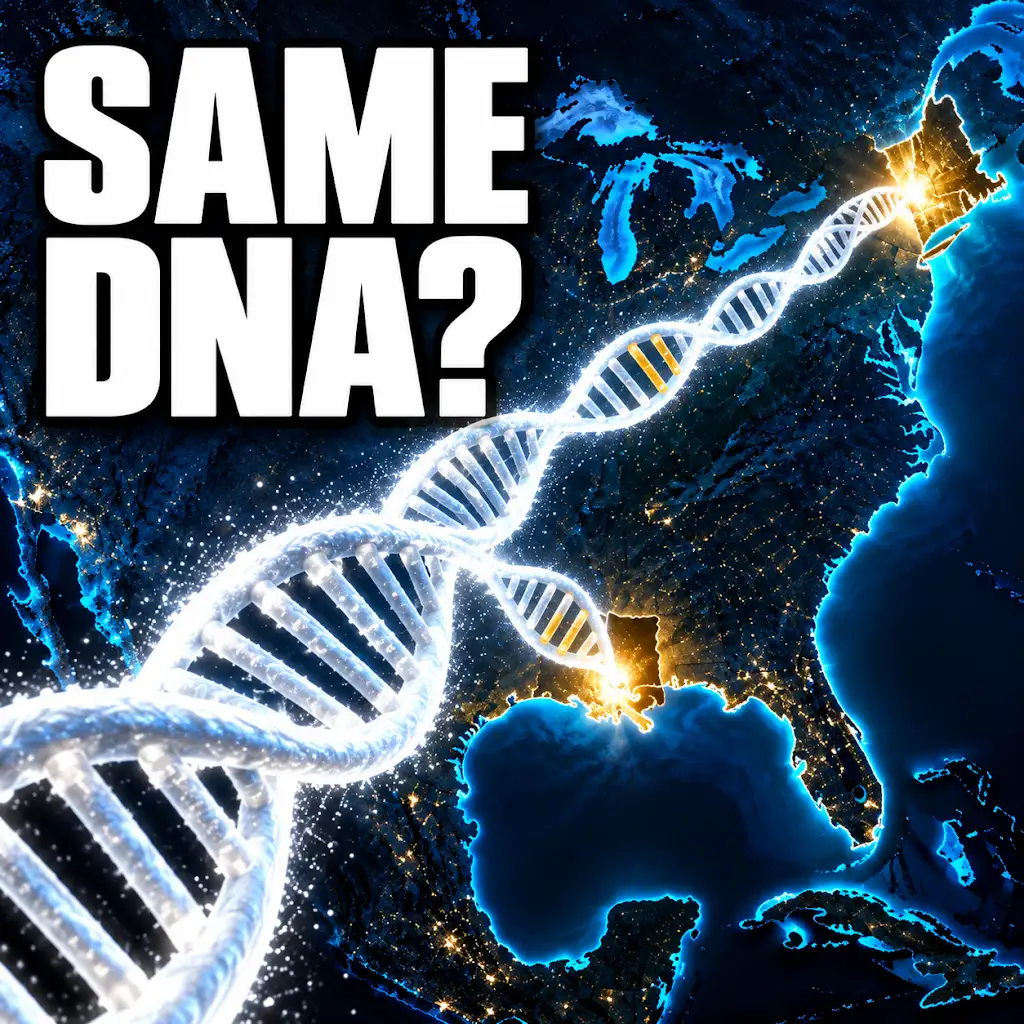
Cajun or French Canadian? The DNA Looked the Same—Until Researchers Looked Closer
FAQs
What is the significance of French Canadian New England DNA?
French Canadian New England DNA refers to the genetic markers and traits found in individuals with French Canadian ancestry who settled in New England. Studying this DNA can provide insights into migration patterns, genetic diversity, and population history.
How did French Canadians come to settle in New England?
French Canadians began migrating to New England in the 19th and early 20th centuries in search of economic opportunities, particularly in the textile mills and factories of the region. This migration was driven by factors such as industrialization, population growth, and agricultural challenges in Quebec.
What are some common genetic markers found in French Canadian New England DNA?
Common genetic markers found in French Canadian New England DNA include markers associated with French and Indigenous North American ancestry. These markers can help researchers trace the origins and migration patterns of French Canadians in New England.
How can studying French Canadian New England DNA benefit genealogical research?
Studying French Canadian New England DNA can help individuals trace their ancestry, identify genetic connections with other populations, and uncover hidden family relationships. This can be particularly useful for individuals with French Canadian roots looking to build their family tree.
Are there any genetic testing companies that specialize in analyzing French Canadian New England DNA?
Yes, there are genetic testing companies that offer specialized tests for individuals with French Canadian ancestry, including those who settled in New England. These tests can provide detailed insights into one’s genetic heritage, migration patterns, and connections to specific populations.