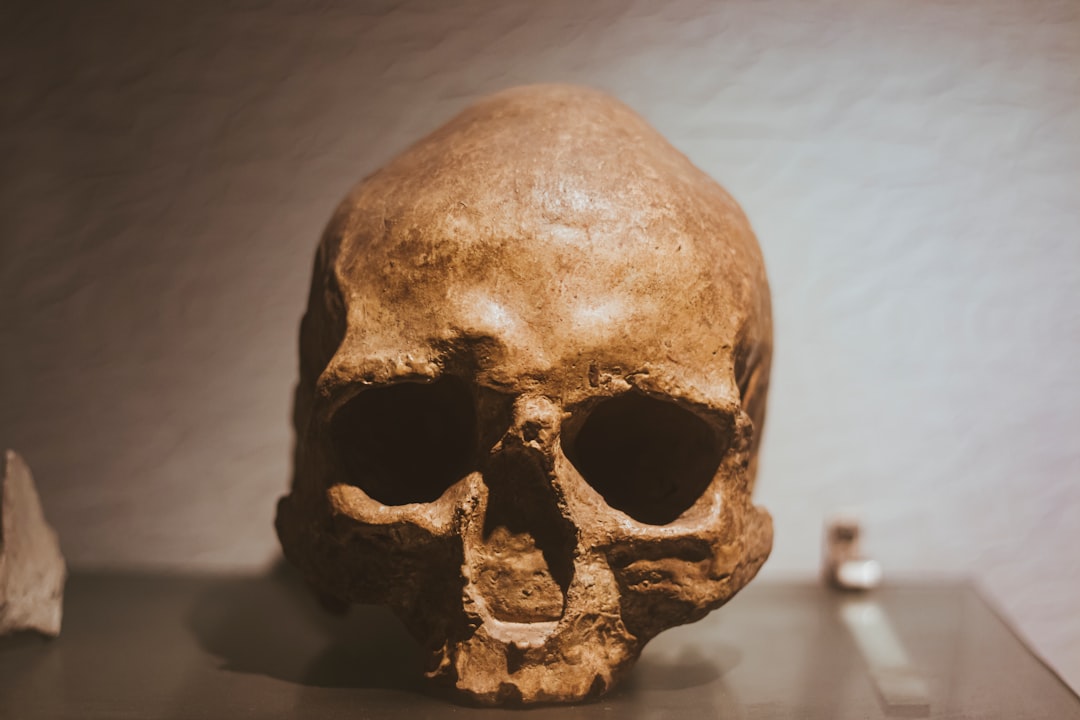
The whispers of our ancient relatives, long silenced by the march of millennia, are now being amplified by the remarkable power of genetics. For centuries, our understanding of extinct human species was confined to fragmented fossil records – chipped bones, worn teeth, and the occasional skull that offered tantalizing glimpses into our evolutionary past. But in recent decades, a revolution has swept through paleoanthropology, fueled by the ability to extract and analyze ancient DNA (aDNA). This genetic archaeology allows us to trace the footprints of our extinct human cousins, uncovering their stories, their migrations, and their relationships with us in ways previously unimaginable.
The journey to retrieve genetic material from individuals who perished tens of thousands, or even hundreds of thousands, of years ago is fraught with immense challenges. Unlike modern DNA, aDNA is highly degraded. It’s been broken down by environmental factors like heat, moisture, and microbial activity, making it a fragmented and contaminated puzzle. The very process of fossilization, while preserving bone structure, often obliterates the delicate strands of DNA within. Nevertheless, dedicated scientists have developed sophisticated techniques to overcome these hurdles, opening a window into the past.
The Art of Ancient DNA Extraction
The initial step in this genetic quest is the meticulous extraction of DNA from fossilized remains. This is typically performed in highly controlled, sterile laboratory environments to minimize contamination from modern human DNA, which is ubiquitous in any archaeological excavation. Samples are often taken from the most protected parts of the bone, such as the dense petrous bone in the skull, which is known to preserve DNA better than other skeletal elements. Specialized chemicals and protocols are employed to carefully dissolve the mineral matrix of the bone and isolate the minuscule fragments of aDNA.
Overcoming Contamination: A Constant Battle
Contamination is the ever-present specter haunting ancient DNA research. Every person who handles a fossil introduces their own genetic material. For this reason, researchers often wear specialized suits, use disposable tools, and work in dedicated clean rooms. Furthermore, computational methods are crucial for distinguishing authentic ancient DNA sequences from contaminating modern ones. Sophisticated algorithms are employed to identify unique patterns of damage characteristic of aDNA and to filter out any sequences that do not fit these criteria.
Sequencing the Past: From Fragments to Genomes
Once extracted, the fragmented aDNA needs to be sequenced – its chemical building blocks (nucleotides) identified in their correct order. This process, once painstakingly slow and expensive, has been revolutionized by high-throughput sequencing technologies. These technologies allow for the simultaneous sequencing of millions of DNA fragments. Even with these advancements, assembling a complete genome from highly fragmented aDNA is a monumental task, akin to reconstructing a book from thousands of torn pages, many of which are missing or smudged.
Recent studies have uncovered fascinating genetic traces of extinct human species, shedding light on our evolutionary history and the interbreeding that occurred between different hominin groups. For those interested in exploring more about the implications of human ancestry and the mysteries surrounding our past, a related article can be found at this link. This piece delves into the broader themes of exploration and discovery, paralleling the scientific quests that uncover our genetic heritage.
The Neanderthal Revelation: Our Closest Extinct Relatives
Perhaps the most groundbreaking discoveries in aDNA research have come from the study of Neanderthals. For decades, Neanderthals were largely depicted as brutish, unintelligent hominins, a evolutionary dead-end that disappeared without significant interaction with our own species, Homo sapiens. Ancient DNA has dramatically rewritten this narrative, revealing a far more complex and intimate relationship.
Sequencing the First Neanderthal Genome
The landmark achievement of sequencing the Neanderthal genome, published in 2010, was a watershed moment. It confirmed that Neanderthals were indeed a distinct hominin species, but critically, it revealed that they interbred with early Homo sapiens. This discovery sent ripples of excitement and re-evaluation throughout the scientific community.
Interbreeding with Homo Sapiens: A Shared Legacy
The genetic evidence unequivocally shows that Homo sapiens migrating out of Africa encountered Neanderthals in Eurasia and engaged in interbreeding. As a result, modern humans of non-African descent carry approximately 1-4% Neanderthal DNA in their genomes. This admixture is not random; specific Neanderthal genetic variants are found in modern populations, influencing a range of traits from skin pigmentation and hair texture to immune responses and susceptibility to certain diseases. For instance, Neanderthal genes play a role in how our skin and hair react to UV radiation and our ability to fight off infections.
Neanderthal DNA: A Window into Adaptation
The presence of Neanderthal DNA in modern humans is not merely a historical curiosity; it represents a legacy of adaptive advantage. It’s believed that early Homo sapiens, venturing into new environments in Eurasia, inherited beneficial Neanderthal genes that helped them adapt to novel pathogens and environmental conditions. This genetic exchange acted as a form of natural selection, allowing our ancestors to quickly acquire traits that increased their survival and reproductive success in these new territories.
The Enigmatic Denisovans: A New Branch on the Human Tree

The story of extinct humans took another astonishing turn with the discovery of the Denisovans, a hominin group known solely from genetic evidence for a considerable time. The initial discovery in Siberia’s Denisova Cave yielded a finger bone and a tooth, but the aDNA extracted from these meager remains painted a picture of a distinct lineage, separate from both Neanderthals and Homo sapiens.
From a Fragment to a New Species
The analysis of mitochondrial DNA from a finger bone found in Denisova Cave revealed it to be genetically distinct from both Neanderthals and modern humans. Subsequent analysis of nuclear DNA confirmed this distinction, leading to the classification of the Denisovans as a separate hominin species. This was a remarkable feat, demonstrating the power of aDNA to identify and characterize extinct hominins even from highly limited fossil material.
Denisovan Admixture in Modern Populations
Similar to Neanderthals, Denisovans also interbred with Homo sapiens, but their genetic legacy is more pronounced in certain parts of the world. Modern Melanesian, Aboriginal Australian, and Southeast Asian populations carry a significant amount of Denisovan DNA, sometimes as much as 5-6%. This suggests that Denisovans were present in these regions and interacted with ancestral Homo sapiens populations who then migrated to these areas.
Denisovan Genes and Adaptation to Altitude
One of the most fascinating aspects of Denisovan admixture is its apparent role in adaptation to high-altitude environments. The Tibetans, for example, possess a gene variant, known as EPAS1, which is highly efficient at enabling oxygen utilization in low-oxygen conditions. This gene variant is derived from the Denisovans, suggesting that our ancestors adopted this Denisovan adaptation to thrive in the hypoxic environments of the Tibetan plateau.
Tracing Migrations and Population Dynamics

Ancient DNA analysis has become an indispensable tool for reconstructing the migratory patterns and population dynamics of ancient humans. By examining the genetic makeup of individuals from different time periods and geographic locations, scientists can piece together the complex tapestry of human dispersal across the globe.
Out of Africa: The Great Human Expansion
The “Out of Africa” model, which posits that modern humans originated in Africa and then migrated outwards, is strongly supported by aDNA evidence. Genetic studies of ancient and modern human populations have traced the paths of these migrations, revealing the timing and routes of dispersal across continents. By analyzing the genetic relatedness of different groups, researchers can infer when populations diverged and how they interacted.
Understanding Ancestral Population Structure
aDNA allows for the reconstruction of ancestral population structures, revealing the genetic diversity of past human groups. This information helps us understand the relationships between different ancient populations, their levels of interbreeding, and the emergence of distinct lineages. It has shown that ancient human populations were not monolithic but comprised complex mixtures of groups with varying degrees of relatedness.
Gene Flow and Isolation: Shaping Human Diversity
The study of aDNA reveals periods of intense gene flow between different hominin groups, as well as periods of isolation. These events played a crucial role in shaping the genetic diversity we see in human populations today. For example, the introgression of Neanderthal and Denisovan DNA into Homo sapiens represents a significant instance of gene flow that has left a lasting genetic mark on humanity. Conversely, periods of geographic isolation led to the divergence of distinct populations.
Recent studies have uncovered fascinating genetic traces of extinct human species, shedding light on our evolutionary history and the complex interactions between different hominin groups. For those interested in exploring the broader implications of human ancestry and the challenges faced by fragile states, a related article can be found at this link. Understanding these genetic connections not only enriches our knowledge of where we come from but also informs contemporary discussions about identity and heritage.
The Future of Genetic Archaeology: Deeper Time and More Species
| Species | Genetic Traces | Location |
|---|---|---|
| Neanderthals | 2% of DNA in non-African populations | Europe, Asia, Middle East |
| Denisovans | 0.2-0.7% of DNA in Melanesian and Australian populations | Siberia, Southeast Asia |
| Homo floresiensis | Unknown | Indonesia |
The field of ancient DNA research is constantly evolving, with new techniques and discoveries pushing the boundaries of what is possible. Scientists are now aiming to extract DNA from even older specimens and from a wider range of extinct hominin species, promising even more profound insights into our evolutionary journey.
Pushing the Temporal Limits: DNA from the Deep Past
Extracting DNA from hominin fossils older than 500,000 years is an immense challenge due to extreme degradation. However, ongoing research into novel extraction methods and the identification of better-preserved specimens holds the promise of accessing genetic material from much earlier ancestors, potentially including Homo erectus and even earlier hominins. This would revolutionize our understanding of human evolution at its very origins.
Exploring Other Extinct Hominin Species
Beyond Neanderthals and Denisovans, there were other hominin species who walked the Earth alongside our ancestors. The fossil record hints at their existence, but without genetic material, their evolutionary story remains largely untold. Future advancements in aDNA retrieval might allow us to unlock the genetic secrets of these lesser-known extinct humans, further enriching our understanding of the hominin family tree.
The Ethical Considerations of Ancient DNA Research
As our ability to delve into the genetic past grows, so too do the ethical considerations. Questions surrounding the ownership and stewardship of ancient human remains, the potential for misinterpretation of genetic data, and the implications for contemporary identity are all important discussions that must accompany scientific progress. Responsible research practices and open dialogue are crucial to navigate these complex ethical landscapes.
The genetic footprints of extinct humans are no longer faint whispers; they are becoming a clear and compelling narrative. Each new discovery, powered by the relentless ingenuity of scientists, adds another chapter to our own story, revealing the intricate connections and shared heritage that bind us to the diverse array of human forms that have graced our planet over the vast expanse of evolutionary time. The study of aDNA is not just about understanding the past; it is about understanding ourselves.
Scientists Found Two Unknown Human Ancestors Hiding in Your DNA
FAQs
What are genetic traces of extinct humans?
Genetic traces of extinct humans refer to the remnants of ancient human DNA that have been preserved in the genomes of modern humans and other species.
How are genetic traces of extinct humans studied?
Genetic traces of extinct humans are studied through the analysis of ancient DNA extracted from fossils, as well as through the comparison of modern human genomes with those of our extinct relatives.
What can genetic traces of extinct humans tell us?
Genetic traces of extinct humans can provide insights into the evolutionary history of our species, including the relationships between different human groups and the genetic adaptations that allowed our ancestors to survive and thrive.
Which extinct human species have left genetic traces in modern humans?
Neanderthals and Denisovans are the two extinct human species known to have interbred with modern humans, leaving behind genetic traces in the genomes of people living today.
What are the implications of studying genetic traces of extinct humans?
Studying genetic traces of extinct humans can help us better understand the genetic diversity of our species, as well as the factors that have shaped human evolution over time. It can also shed light on the genetic basis of traits and diseases in modern humans.