Unearthing the Threads of Kinship
The tapestry of human history is woven with countless individual stories, and among the most compelling are those of ancestral women. For generations, genealogical research has often focused on the paternal line, tracing surnames and inheritances through men. However, a growing appreciation for the completeness of family history is leading researchers to delve deeper into maternal lines, uncovering the documented genealogies of ancestral women. This pursuit is not merely an academic exercise; it is a profound journey of connection, revealing forgotten narratives, reshaping family understanding, and offering a more nuanced perspective on the past. The challenges inherent in this endeavor are significant, as records pertaining to women have historically been less prevalent and often harder to access. Yet, the rewards—the rediscovery of matriarchs, the understanding of their roles, and the tracing of unique genetic legacies—are immeasurable. This exploration into tracing maternal lines highlights the importance of these often-overlooked connections and the evolving methodologies employed to bring these stories to light.
For those interested in exploring the intricacies of documented maternal lines genealogy, the article “Understanding the IIEPA Act: Asset Freezing Powers Explained” provides a fascinating perspective on how legal frameworks can impact family history research. By examining the interplay between genealogy and legal matters, readers can gain insights into how historical records may be affected by contemporary laws. To read more about this topic, visit the article here: Understanding the IIEPA Act: Asset Freezing Powers Explained.
The Historical Shadows on Female Ancestry
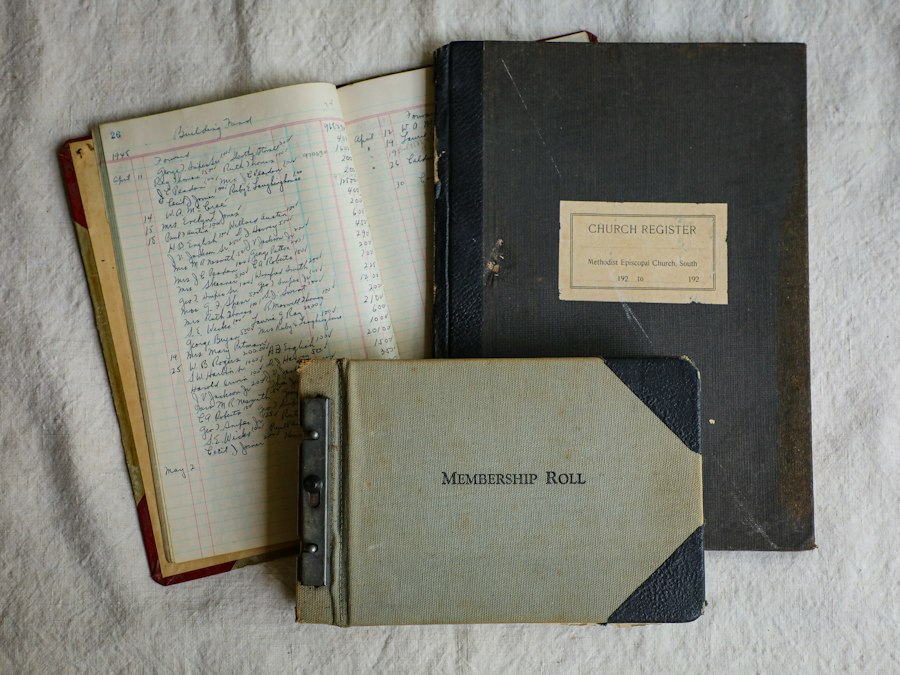
For centuries, societal structures and record-keeping practices often placed women in a secondary role, impacting the survival and accessibility of genealogical information. Understanding these historical biases is crucial for anyone embarking on the journey of tracing maternal lines.
The Patriarchal Lens of Documentation
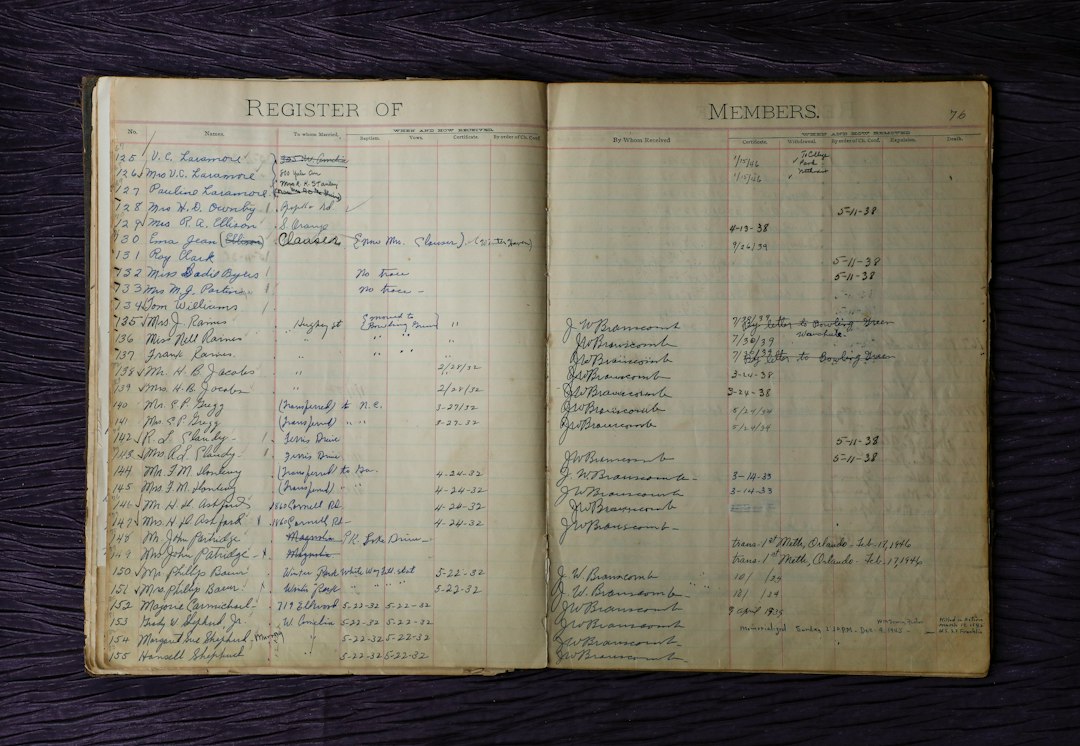
Historically, surnames were passed down through the male line, making it easier for genealogists to follow a patrilineal thread. Marriage certificates, legal documents, and even church records often emphasized the husband’s name, with the wife identified primarily by her relationship to him (daughter of, wife of). This created a systemic bias, leaving a fainter trail for women’s individual identities. The concept of a woman’s “maiden name” became the primary identifier before marriage, but subsequent documentation frequently subsumed this identity under her husband’s. This meant that while a man’s lineage might be meticulously recorded across generations, a woman’s existence could be reduced to a series of relationships, her individual contributions and identity often lost in the transcription of familial ties. Property inheritance, military service records, and occupational histories, all rich sources for genealogical research, were predominantly associated with men. Even when women were involved in these spheres, their documentation was often less detailed or framed within their male familial connections.
The Scarcity and Inaccessibility of Women’s Records
Beyond the inherent biases in documentation, the actual survival and accessibility of records pertaining to women have been further hampered by various factors. Personal letters, diaries, and journals, which could offer invaluable personal insights, were less commonly preserved for women, especially from lower socioeconomic strata. Educational opportunities for women were also historically limited, which could affect their ability to engage in record-keeping or ensure their own documentation was thorough. Furthermore, the mobility of women through marriage often meant their records were dispersed, sometimes lost entirely if families moved or records were not transferred effectively. The sheer volume of records that do exist might not have been indexed or digitized with the same rigor as those pertaining to men, creating a hurdle for modern researchers. For instance, census records might list women and their familial relationships, but without independent identification that would allow them to be traced forward without relying on the male head of household. This scarcity necessitates a more creative and persistent approach from genealogists.
Strategies for Unearthing Matrilineal Histories
Despite the historical challenges, a range of strategies and resources are now available to aid in tracing maternal lines. These methods often require a more nuanced approach, focusing on indirect evidence and leveraging a broader spectrum of historical documentation.
Navigating the Labyrinth of Vital Records
Vital records—birth, marriage, and death certificates—are the bedrock of genealogical research. For maternal lines, special attention must be paid to the information recorded for the mother. While early records might be less detailed, later certificates often include the mother’s full maiden name, her parents’ names, and even her place of birth. This offers a crucial jumping-off point for tracing her family. Birth certificates are particularly valuable as they directly link a child to their mother and often her lineage. Marriage certificates can confirm a woman’s maiden name and provide clues to her parents. Death certificates, while potentially occurring much later in life, can also list parents’ names and provide a death date and location, which can then be used to search for earlier records. The key is to meticulously extract every piece of information related to the female ancestor from these documents and use it to form new search queries.
The Power of Census Records and Parish Registers
Census records, taken periodically, provide snapshots of households at specific times. While often listing women in relation to the male head of household, they can reveal family composition, ages, occupations, and places of birth. By tracking a woman through successive censuses, one can observe her family’s growth, migrations, and eventual dispersal. Parish registers, containing records of baptisms, marriages, and burials, are vital, especially for periods before widespread civil registration. These registers can be particularly rich for identifying christenings of children, which often name the mother and sometimes even godparents, who could be maternal aunts or cousins, offering further clues. The challenge here lies in the potential for variations in spelling and the absence of standardized record-keeping across different parishes and time periods. Researchers must be prepared for meticulous cross-referencing and a deep understanding of local historical context.
Leveraging Probate Records, Wills, and Land Deeds
When direct vital records are scarce, indirect sources become invaluable. Probate records, including wills and estate inventories, can offer glimpses into the lives of women. While women, especially married ones, generally couldn’t inherit property directly in many historical periods, wills might mention provisions for wives or daughters, or their personal possessions could be listed. Land deeds and property transactions can also shed light on female involvement, particularly if a woman inherited or sold property before marriage or as a widow. These documents can confirm her name, location, and familial connections. For example, a deed might be signed by a woman and her husband, or by a woman and her siblings inheriting from a parent. The process involves searching for the woman’s name, her husband’s name, or the names of her male relatives in land records to see if she is mentioned in any capacity.
The Digital Age and the Rise of Online Databases
The advent of the internet has revolutionized genealogical research, making vast archives of records accessible from anywhere. Online databases, such as Ancestry.com, FamilySearch, and numerous country-specific archives, have digitized millions of documents, including census records, vital records, passenger lists, and even digitized books and collections of family histories. These platforms often employ sophisticated search algorithms that can help identify potential matches, even with incomplete or variant spellings of names. Many databases also allow for the creation of family trees, which can be linked to digitized records, facilitating the collaborative building of knowledge. However, it is crucial to remember that digital records are not always complete or perfectly indexed. Researchers must still apply critical thinking, verify information from multiple sources, and be aware of potential errors in transcription or indexing. The accessibility of these databases has democratized genealogical research, but it has also underscored the need for careful methodology and source evaluation.
Expanding the Scope: Beyond Direct Lineage
Tracing a maternal line is not solely about identifying names and dates. It involves understanding the context of these women’s lives, their social roles, and the communities in which they lived. This broader perspective enriches the genealogical narrative and provides a more holistic picture of ancestry.
Social Context and the Lives of Everyday Women
Understanding the social and economic context of an ancestral woman’s life is paramount. Was she from a farming family, a merchant class, or an artisan background? Her daily life, opportunities, and limitations would have been shaped by these factors. Research into historical occupations, social customs, and the legal status of women in different eras can illuminate the challenges and triumphs she likely faced. For instance, knowing that a woman lived through a period of industrialization might lead a researcher to look for evidence of her involvement in factory work or the domestic sphere supporting such industries. Similarly, understanding the marriage customs of her time can explain patterns of migration or family alliances. This contextual research moves beyond simply filling in a family tree to understanding the lived experiences of the women within it, offering a more empathetic and complete genealogical portrait.
Community Ties and Extended Family Networks
Women often formed strong bonds within their communities and with their extended families, even beyond their immediate maternal line. Identifying godparents in baptismal records, neighbors mentioned in wills, or witnesses on legal documents can reveal these networks. These connections can provide crucial clues for tracing further back or across geographical areas. For example, if a woman’s sister’s family migrated to a new town, she might have followed them, or vice versa. These extended family ties were often vital for support, child-rearing, and economic stability. By meticulously noting the names of individuals associated with an ancestral woman in various records, researchers can begin to reconstruct these complex webs of relationships, uncovering new avenues for research and a deeper understanding of her social fabric.
The Influence of Immigration and Migration
Immigration and migration have profoundly shaped family histories, and maternal lines are no exception. Tracing a woman’s journey from her homeland to her new settlement often involves navigating passenger lists, naturalization records, and immigrant diaries. The challenges of adapting to a new culture, maintaining traditions, and building a new life are significant elements of her story. Understanding the push and pull factors that led to her migration, whether driven by economic hardship, political upheaval, or religious persecution, adds crucial depth to her narrative. Furthermore, these migrations can impact the availability of records. Records from one country may be sparse or nonexistent in another, requiring a multi-jurisdictional approach to research. Following a maternal line through periods of migration offers a compelling narrative of resilience, adaptation, and the enduring spirit of family.
Exploring the intricacies of documented maternal lines genealogy can provide fascinating insights into family history and heritage. For those interested in how historical events shape familial connections, a related article discusses the implications of Russia’s role in the new moon race, shedding light on the broader context of human exploration and its impact on society. You can read more about this intriguing topic in the article found here.
The Genetic Dimension: Tracing the Unseen Inheritance
| Metric | Description | Example Value | Unit |
|---|---|---|---|
| Number of Documented Maternal Lines | Total count of distinct maternal lineages recorded | 125 | lines |
| Average Generations Traced | Mean number of generations documented per maternal line | 8 | generations |
| Oldest Maternal Ancestor Year | Earliest birth year recorded in maternal lineage | 1650 | year |
| Percentage Verified by DNA | Proportion of maternal lines confirmed through mitochondrial DNA testing | 72 | % |
| Average Number of Offspring per Maternal Ancestor | Mean number of children per woman in the maternal line | 3.4 | children |
| Geographic Diversity | Number of distinct regions represented in maternal lines | 15 | regions |
While traditional genealogy relies on documented evidence, the study of maternal lines has also been revolutionized by the advent of DNA testing. Mitochondrial DNA (mtDNA), inherited almost exclusively from the mother, offers a unique way to trace deep ancestral maternal connections.
Understanding Mitochondrial DNA (mtDNA)
Mitochondrial DNA is located in the mitochondria, organelles within a cell responsible for energy production. Unlike nuclear DNA, which is a combination of both parents’ genetic material, mtDNA is passed down virtually unchanged from mother to child. This means that a person’s mtDNA is identical to that of their mother, their maternal grandmother, their maternal great-grandmother, and so on, tracing back through countless generations along the direct maternal line. By testing mtDNA, individuals can identify their deepest maternal ancestor’s haplogroup, which is a designation representing a branch of the human family tree defined by specific genetic markers. This haplogroup can provide clues about the geographic origins of that maternal lineage, sometimes stretching back tens of thousands of years to ancient migratory patterns of humankind.
The Power of mtDNA Testing in Genealogy
mtDNA testing provides a powerful tool for confirming or extending genealogical research, especially when documentary evidence is scarce or contradictory. It can help to:
- Confirm maternal relationships: If two individuals share the same or a closely related mtDNA haplogroup and are believed to be related through their maternal lines, this can provide strong corroborating evidence.
- Identify ancestral origins: mtDNA haplogroups are often associated with specific geographic regions, offering insights into where one’s maternal ancestors may have lived thousands of years ago. This can be particularly exciting for individuals who have little or no documentary information about their ancient ancestry.
- Break down genealogical brick walls: When traditional research hits a dead end, mtDNA testing can sometimes provide new directions by identifying potential matches with other testers who may have documented the same maternal line. This can lead to collaborative research and the discovery of new information.
- Explore deep ancestry: mtDNA allows for the exploration of ancestry that predates historical records, connecting individuals to the grand sweep of human migration and prehistory.
However, it is important to understand the limitations of mtDNA testing. It only traces the direct maternal line and does not provide information about other ancestors. Furthermore, the geographic origins indicated by haplogroups are often broad and represent ancient migratory paths rather than precise locations of more recent ancestors. Nevertheless, for those seeking to understand the deepest roots of their maternal lineage, mtDNA testing offers an unparalleled, albeit indirect, documentary of ancestral women.
The Lasting Legacy of Documented Matrilines
The act of tracing documented genealogies of ancestral women is more than an academic pursuit; it is an act of reclamation and remembrance. It brings to light the often-unseen forces that shaped families and societies, celebrating the resilience, contributions, and enduring legacies of women throughout history.
Reclaiming Forgotten Narratives and Identities
By diligently researching and documenting the lives of ancestral women, genealogists are actively reclaiming forgotten narratives. These are the stories of women who may have been laborers, caregivers, entrepreneurs, artists, or community leaders, whose contributions were integral to their families and societies but were often unrecorded or overlooked. Their documented genealogies serve as a testament to their existence, their struggles, and their triumphs. This process of uncovering their identities not only enriches our understanding of our own heritage but also contributes to a more complete and accurate portrayal of history, ensuring that these women are no longer relegated to the shadows of patriarchal records. Their stories become part of a larger, more inclusive historical discourse.
Reshaping Family Understanding and Connection
Discovering the documented lives of ancestral women can profoundly reshape how individuals and families understand their heritage. It moves beyond the simple accumulation of names to a deeper appreciation of the familial bonds, the inherited traits, and the shared experiences that connect generations. This understanding can foster a stronger sense of identity and belonging, particularly for individuals who may have felt disconnected from their past. The stories of these women can serve as powerful role models and sources of inspiration, illustrating resilience in the face of adversity and the enduring strength of familial love. The shared endeavor of piecing together these maternal lines can also strengthen bonds within contemporary families as they collectively explore their shared history and the women who paved the way.
A More Complete and Nuanced Historical Record
Ultimately, the meticulous tracing of maternal lines contributes to a more complete and nuanced historical record. By bringing the experiences and contributions of women to the forefront, genealogical research moves beyond a singular, often male-centric, perspective. It acknowledges the dual nature of human lineage and the equal importance of both paternal and maternal lineages in shaping the human story. This enriched historical perspective provides a more accurate and representative understanding of past societies, their structures, their challenges, and their achievements. It reminds us that history is not solely the domain of kings and generals, but also the collective narrative of all individuals, including the countless women whose lives, though often less visible in historical documents, were foundational to the world we inhabit today.

The Lincoln DNA Study: Why the Internet is Wrong
FAQs
What is documented maternal lines genealogy?
Documented maternal lines genealogy is the study of tracing and documenting the ancestral lineage of individuals through their maternal, or mother’s, side. This involves researching and recording the names, dates, locations, and other details of the women in a person’s direct maternal line.
Why is it important to research maternal lines in genealogy?
Studying maternal lines in genealogy is crucial for understanding inherited traits, health conditions, and cultural heritage passed down through the maternal side. It also provides a more comprehensive view of one’s family history and can help fill in gaps in the family tree.
How can one trace their documented maternal line?
To trace a documented maternal line, individuals can start by gathering information from family records, birth certificates, marriage licenses, and other documents. They can then use genealogical research tools such as online databases, archives, and DNA testing to verify and expand their maternal lineage.
What are some challenges in documenting maternal lines in genealogy?
Challenges in documenting maternal lines may include limited availability of historical records, variations in naming conventions, and the possibility of female ancestors changing their surnames through marriage. Additionally, tracing maternal lines beyond a certain number of generations can become increasingly difficult due to record gaps.
How can documented maternal lines genealogy benefit future generations?
Documented maternal lines genealogy can provide future generations with a sense of identity, connection to their roots, and a deeper understanding of their family’s legacy. It can also help preserve cultural traditions, stories, and valuable information for descendants to cherish and pass on.