
The tale of Pocahontas, a Powhatan princess, is etched into the American historical narrative, often romanticized and simplified. Her interactions with English settlers in the early 17th century have fueled countless stories, myths, and even Hollywood portrayals. While her life and legacy have been extensively documented and debated through historical records, a newer, more scientific frontier has emerged in understanding her lineage: DNA evidence. This exploration delves into the groundbreaking and often complex ways genetic analysis is being used to trace the descendants of Pocahontas, shedding new light on her enduring impact and the intricate tapestry of American heritage.
The Historical Canvas: Pocahontas and Her World
To appreciate the significance of DNA evidence, one must first understand the historical context in which Pocahontas lived. Born Matoaka around 1596, she was the daughter of Chief Powhatan, the powerful leader of a confederation of Algonquian-speaking tribes in what is now Virginia. Her life intersected with the establishment of Jamestown, the first permanent English settlement, in 1607. The relationship between the Powhatan people and the English was fraught with tension, characterized by periods of conflict and uneasy cooperation. Pocahontas, often portrayed as a young girl who saved Captain John Smith’s life, played a role in facilitating some level of diplomacy between the two groups. However, historical accounts suggest her involvement was more complex, including her capture by the English, her forced conversion to Christianity, her marriage to tobacco planter John Rolfe, and her subsequent journey to England, where she died in 1617. This period is crucial because it marks the initial point of significant intermingling between Indigenous populations and European settlers, laying the groundwork for subsequent generations.
The Jamestown Settlement and Early Encounters
The arrival of the Virginia Company in 1607 at Jamestown marked a pivotal moment. Faced with unfamiliar terrain, disease, and the need to establish relations with the native inhabitants, the settlers’ survival depended on their interactions with the Powhatan Confederacy. Pocahontas, as the daughter of the paramount chief, was a significant figure within this context. Her early encounters with figures like John Smith, though debated in their specifics, highlight her presence at the nexus of these two cultures. The historical record, though often biased and incomplete, provides the initial framework for understanding her immediate family and social connections, which are the starting points for any genealogical investigation.
Pocahontas’s Captivity and Marriage to John Rolfe
A significant turning point in Pocahontas’s life, and consequently for the tracing of her lineage, was her capture by the English. During this period of captivity, she was held at Henricus, where she was educated, converted to Christianity, and given the English name Rebecca. It was also here that she met and married John Rolfe in 1614. This union was not only a personal decision but also a political maneuver, intended to foster peace between the Powhatan and the English. Their marriage produced a son, Thomas Rolfe, who became a critical link in the chain of descendants. Understanding this union is paramount as it represents the direct genealogical bridge between Pocahontas and many of her subsequent descendants who would assimilate into colonial society.
The Powhatan Confederacy and Indigenous Kinship Structures
The social and kinship structures of the Powhatan people were intricate and differed significantly from European customs. Understanding these structures is vital, as historical records might not always align with modern genealogical practices. Descent was often matrilineal, and alliances were forged through complex relationships within the confederacy. Pocahontas was not an isolated figure but part of a larger, interconnected community. Tracing her descendants requires an awareness of these indigenous social dynamics, which might influence how lineage was understood and passed down, and how records were kept, or not kept, from an Indigenous perspective.
Recent discussions surrounding the descendants of Pocahontas have gained traction, particularly with the emergence of DNA evidence that claims to trace lineage back to the famous Native American figure. This topic has sparked interest in the broader implications of ancestry and heritage, as well as the importance of genetic research in understanding historical narratives. For those interested in exploring related themes, an intriguing article can be found at this link, which delves into the complexities of identity and value in today’s society.
Unraveling the Genetic Threads: The Science of Ancestry
The advent of DNA testing has revolutionized genealogy, offering a powerful tool to complement and sometimes challenge traditional historical research. By analyzing specific markers in an individual’s DNA, scientists can identify patterns that are passed down through generations, revealing ancestral origins and familial connections. For descendants of Pocahontas, DNA evidence has become a crucial element in verifying and expanding upon existing genealogical research, particularly when historical records are scarce or ambiguous. The process involves comparing the DNA of individuals who claim descent from Pocahontas with known genetic signatures associated with her purported lineage.
Mitochondrial DNA (mtDNA): The Maternal Lineage
Mitochondrial DNA, or mtDNA, is inherited solely from the mother. This makes it an invaluable tool for tracing maternal lineages through generations, as it remains relatively unchanged over time. In the context of Pocahontas, her mtDNA would have been passed down to her mother, her grandmother, and so on, and similarly to her daughter and granddaughters. By identifying specific mtDNA haplogroups associated with Indigenous populations of the Eastern Woodlands, and by comparing these with the mtDNA of individuals claiming descent, researchers can establish a strong likelihood of a maternal connection to Pocahontas or her immediate female ancestors. This is a key method for verifying claims when the direct maternal line is not well-documented historically.
Y-Chromosome DNA (Y-DNA): The Paternal Lineage
Y-chromosome DNA, or Y-DNA, is passed down exclusively from father to son. This allows for the tracing of paternal lineages. While Pocahontas herself wouldn’t have carried Y-DNA to pass on, her father, Chief Powhatan, and her brothers would have. If a male descendant can be traced back to Pocahontas through her father or brothers, his Y-DNA could potentially be analyzed. However, the primary focus in tracing Pocahontas’s descendants usually centers on her son, Thomas Rolfe, making Y-DNA less directly applicable to her immediate maternal line but relevant for tracing the paternal lines of her paternal ancestors. The use of Y-DNA would be for establishing paternal links before Pocahontas or within her paternal ancestral lines within the Powhatan Confederacy.
Autosomal DNA: The Broader Ancestral Map
Autosomal DNA, inherited from both parents, makes up the vast majority of an individual’s DNA. It provides a comprehensive snapshot of a person’s ancestry from all lines, going back approximately five to seven generations with significant detail. When individuals who claim descent from Pocahontas undergo autosomal DNA testing, their genetic results can reveal shared DNA segments with other individuals who also claim such descent, or with reference populations known to have Indigenous American ancestry from the Eastern Woodlands. This type of DNA testing is particularly useful for identifying more distant or complex ancestral connections that might be obscured by incomplete historical records, confirming shared ancestry through multiple lines.
Navigating the Genealogical Maze: From Historical Records to Genetic Markers
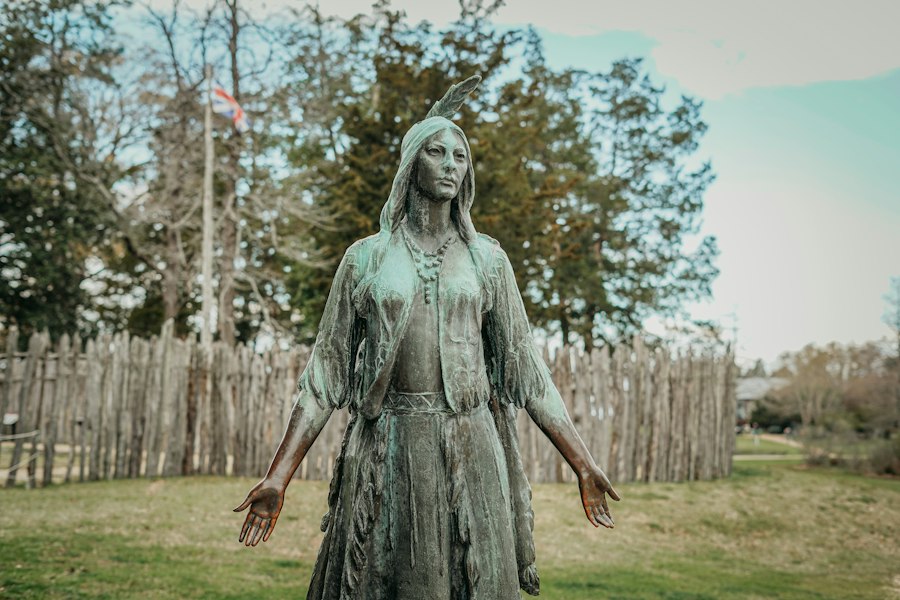
The process of tracing Pocahontas’s descendants is a meticulous endeavor that combines rigorous historical research with the insights provided by DNA analysis. Traditional genealogy relies on documentary evidence such as birth, marriage, and death records, land deeds, wills, and family Bibles. However, for Indigenous populations, such records are often sparse, biased, or non-existent, particularly for the period of Pocahontas’s life. This is where DNA evidence becomes indispensable, offering a complementary approach to validate or challenge genealogical claims. The combination of these two methodologies allows for a more robust and nuanced understanding of who is truly descended from Pocahontas.
The Legacy of Thomas Rolfe: A Pivotal Ancestor
Thomas Rolfe, Pocahontas’s son with John Rolfe, is the central figure for most genealogical claims of descent from her. He was born around 1615 and, after his mother’s death, was sent to England to be educated. He eventually returned to Virginia and became a significant landowner and a figure in colonial society. His descendants are the primary focus of studies seeking to link modern individuals to Pocahontas. Genealogical research meticulously traces his descendants through colonial records, charting marriages and offspring across generations. The accuracy of these historical records concerning Thomas Rolfe and his immediate descendants is therefore of utmost importance to any subsequent genealogical claims.
Challenges in Documenting Indigenous Lineages
One of the most significant hurdles in tracing Pocahontas’s descendants lies in the challenges of documenting Indigenous lineages during the colonial era. Native American communities often relied on oral traditions and kinship systems that differed from European record-keeping practices. The disruption caused by colonization, forced assimilation, and displacement further complicated the preservation of genealogical information. Many records that might have existed were lost, destroyed, or never created from an Indigenous perspective. This historical reality necessitates the use of genetic evidence to bridge these informational gaps and to provide a scientific basis for claims where traditional documentation is insufficient.
The Role of DNA Testing Companies and Genealogical Databases
Modern DNA testing companies play a significant role in facilitating the tracing of descendants. Companies like AncestryDNA, 23andMe, and MyHeritageDNA provide individuals with kits to collect DNA samples. These samples are then analyzed to provide ethnicity estimates and to connect individuals with potential relatives who have also tested. For those who believe they are descended from Pocahontas, these databases can be invaluable. By comparing their DNA with that of individuals who have documented (or strongly claimed) descent from Pocahontas’s son, Thomas Rolfe, they can identify shared DNA segments. The size and number of these shared segments provide an indication of the closeness of the relationship and the likelihood of a common ancestor.
DNA Evidence and Verified Descendants: Case Studies and Controversies
The application of DNA evidence in tracing Pocahontas’s descendants has not been without its challenges and controversies. While DNA can provide powerful insights, its interpretation requires careful consideration of historical context, genealogical methodology, and the limitations of genetic testing itself. Nevertheless, several individuals and families have been able to substantiate their claims of descent through a combination of historical research and genetic analysis, adding new dimensions to Pocahontas’s enduring legacy.
Substantiating Claims Through Genetic Matches
Numerous individuals have undergone DNA testing in hopes of verifying their ancestral ties to Pocahontas. When individuals discover that they share significant amounts of DNA with others who are demonstrably descended from Pocahontas’s son, Thomas Rolfe, it provides strong circumstantial evidence for their own lineage. These genetic matches, when combined with a plausible historical paper trail, can offer a high degree of confidence in their claimed descent. The larger the number of independent, consistent genetic matches with documented descendants, the stronger the assertion of a genuine connection. This empirical data adds a layer of scientific validation that can be crucial for individuals and for historical understanding.
Addressing Historical Ambiguities and Disputed Lineages
The romanticized narrative surrounding Pocahontas has led to a proliferation of claims, some of which may be based on wishful thinking or incomplete genealogical research. DNA evidence can serve as a critical tool for differentiating between well-substantiated lineages and those that lack robust historical or genetic support. By identifying individuals who do not share the expected genetic markers with known descendants, DNA testing can help to clarify disputed lineages and to correct historical misconceptions. This scientific approach, while sometimes challenging to accepted family histories, is essential for maintaining the integrity of genealogical research.
The Importance of Expert Interpretation and Validation
Interpreting DNA results in the context of genealogy requires expertise. Simply having a shared DNA segment does not automatically prove a specific ancestral link. Factors such as the size of the shared segment, the number of common ancestors, and the specific genealogical research of both parties involved must be considered. Reputable DNA testing companies often provide tools to estimate the relationship based on shared DNA, but these are estimates. Independent genealogical researchers and genetic genealogists play a crucial role in validating these findings, meticulously cross-referencing genetic matches with historical documents to build a comprehensive and convincing case for descent.
Recent studies have shed light on the descendants of Pocahontas, revealing intriguing DNA evidence that connects her lineage to various modern families. This fascinating exploration into ancestry not only highlights the historical significance of Pocahontas but also emphasizes the importance of genetic research in understanding our past. For those interested in the broader implications of historical narratives and their connections to contemporary issues, you might find insights in a related article discussing the secret military agenda of space exploration. You can read more about it here.
The Enduring Impact: Pocahontas’s Legacy in the Modern Era
| Metric | Data/Value | Source/Notes |
|---|---|---|
| Number of Confirmed Descendants | Over 30 documented descendants | Historical genealogical records |
| Y-DNA Haplogroup (Male Line) | Not applicable (Pocahontas was female) | Y-DNA passed through male lineage only |
| mtDNA Haplogroup (Maternal Line) | Unknown | No direct mitochondrial DNA samples from Pocahontas available |
| Autosomal DNA Testing | Matches found with some known descendants of John Rolfe and Pocahontas | Used to confirm family relationships |
| Genetic Markers Identified | Markers consistent with Native American ancestry | Supports Pocahontas’s Native American heritage |
| Historical DNA Evidence | No direct DNA samples from Pocahontas | Evidence based on descendants’ DNA and historical records |
The ability to trace descendants through DNA evidence underscores the profound and lasting impact of Pocahontas, not just on the historical record but on the very fabric of American society. Her life, though marked by tragedy and cultural upheaval, represents a crucial juncture in the formation of a new nation, a blend of indigenous heritage and European influence. The ongoing discoveries through genetic research continue to weave new threads into the complex tapestry of her legacy, reminding us of the interconnectedness of past and present.
A Living Connection to Indigenous Heritage
For individuals who discover their descent from Pocahontas through DNA testing, it can be a profound personal journey of reconnecting with their Indigenous heritage. In a nation where Indigenous cultures have faced immense pressures and attempts at erasure, these genetic links can serve as powerful affirmations of identity and cultural continuity. It allows for a tangible connection to the Powhatan people and their ancestral lands, fostering a deeper understanding and appreciation of this vital part of American history. This personal connection can inspire further exploration into Powhatan culture, history, and contemporary issues.
Interwoven Histories and a Complex National Identity
The tracing of Pocahontas’s descendants highlights the complex and often interwoven nature of American history. Her story is not one of isolation but of interaction, of the blending of cultures, and of the resulting lineages that have shaped communities across generations. The DNA evidence validates that the descendants of Pocahontas are not confined to a single ethnic or cultural group but are part of the broader mosaic of American society. This understanding is crucial for a more inclusive and accurate representation of the nation’s past and its diverse present.
Future Avenues of Research and Discovery
As DNA technology continues to advance, offering greater precision and accessibility, the potential for further uncovering the descendants of Pocahontas and other historical figures is immense. Future research may involve analyzing older DNA samples from historical sites, refining our understanding of ancient DNA and migration patterns, and developing more sophisticated tools for interpreting complex genetic data. The ongoing dialogue between historical scholarship and genetic science promises to continue illuminating the lives of individuals like Pocahontas and the enduring impact they have on the world today, revealing further layers of connection and shared human experience.
DNA Challenged This Family’s Pocahontas Ancestry Claim
FAQs
1. What does the DNA evidence reveal about Pocahontas’ descendants?
The DNA evidence shows that many individuals claiming to be descendants of Pocahontas through her son, Thomas Rolfe, do not actually have a genetic connection to her.
2. How was the DNA evidence used to determine Pocahontas’ true descendants?
Researchers compared the DNA of known descendants of Pocahontas’ sister, Anne, with individuals claiming descent from Pocahontas. Those who shared the same mitochondrial DNA sequence were confirmed as true descendants.
3. Are there any living descendants of Pocahontas today?
Yes, there are verified living descendants of Pocahontas through her sister, Anne. These descendants have been identified through DNA testing and genealogical research.
4. Why is it important to verify the ancestry of Pocahontas’ descendants?
Verifying the ancestry of Pocahontas’ descendants is important for historical accuracy and to ensure that the true lineage is preserved. It also helps to dispel myths and misinformation surrounding her family tree.
5. What implications does the DNA evidence have for the legacy of Pocahontas?
The DNA evidence has the potential to reshape the understanding of Pocahontas’ legacy and lineage. It provides a more accurate picture of her descendants and their place in history.