The tapestry of Colonial Virginia is woven from countless threads of family, each strand representing a unique ancestral line stretching back through generations. Tracing these roots, the intricate process of reconstructing colonial Virginia family trees, offers a profound connection to the past, illuminating not only individual histories but also the broader social, economic, and cultural landscape of the burgeoning colony. This endeavor is more than a genealogical hobby; it is an act of historical archaeology, unearthing the foundations upon which modern America was built. The challenges are numerous, the rewards immense, and the journey often leads to unexpected discoveries about resilience, migration, and the enduring human desire to understand where we come from.
The Foundation: Early Settlers and Their Documentation
The very beginnings of Colonial Virginia’s population are crucial to understanding its family trees. The initial waves of English settlers, arriving from the early 17th century onwards, laid the groundwork for subsequent generations. These were not a monolithic group; they comprised indentured servants, ambitious landowners, religious dissenters, and those seeking new economic opportunities. Their stories, and therefore the stories of their descendants, are preserved in a variety of historical records, albeit often fragmented and incomplete.
Pioneering Families and Their Records
The Jamestown settlement, established in 1607, marks the official beginning of English presence in Virginia. The early years were fraught with hardship, and detailed record-keeping was not always a priority. However, surviving documents from this period offer glimpses into the lives of these first families. Wills, land patents, court records, church registers, and parish records are the bedrock of colonial genealogy. The Church of England was the established church in Virginia, and its parishes often served as centers for vital record-keeping, including births (baptisms), marriages, and deaths (burials). While not all records survived the ravages of time, fire, and war, the existing fragments provide invaluable clues. For example, the wills of prominent figures like Governor Sir George Yeardley or the Pocahontas lineage provide some of the earliest traceable family connections. These documents often name beneficiaries, provide insights into property ownership, and list relationships, offering direct links between individuals. Land patents, granted by the Crown or the colonial government, are another critical resource. They document the acquisition of property, often listing the names of patentees and sometimes the individuals they brought to the colony as headrights (a system where importing a person entitled the importer to land). These records can help reconstruct the arrival and settlement patterns of families.
The Role of Indentured Servitude
A significant portion of Colonial Virginia’s early population arrived under indentured servitude. These individuals, bound to work for a specified period, often between four and seven years, in exchange for passage to the New World, form a vital, yet often elusive, part of family trees. Their lives were typically less documented than those of the landed gentry. However, indentured servant lists, particularly those associated with port records or county court actions (such as petitions for freedom dues or complaints against masters), can be instrumental in tracing these ancestral lines. While they might not appear in grand wills or elaborate land deeds, their contribution to the colony’s labor force and their eventual establishment of their own families are undeniable. Descendants of indentured servants might need to search more creatively, looking for surname occurrences in land records after their period of indenture would have ended, or for mentions in county court minutes detailing disputes or business transactions. The surname itself, if it survived, becomes a key identifier, allowing for the piecing together of fragmented information.
Exploring the intricate family trees of Colonial Virginia can provide fascinating insights into the lives of early settlers and their descendants. For those interested in understanding the broader historical context, a related article titled “Unearthing Ancient Droughts: Archaeological Evidence” delves into how environmental factors influenced the settlement patterns and agricultural practices of the time. You can read more about this topic by visiting the article here: Unearthing Ancient Droughts: Archaeological Evidence.
Navigating the Colonial Bureaucracy: Documentation and Archives

Colonial Virginia’s government, though nascent, created a surprisingly robust system of record-keeping that serves as a treasure trove for genealogists. Understanding this bureaucratic framework is essential for effective research.
Court Records and Legal Transactions
The county court was the primary administrative and judicial body in colonial Virginia. Its records are exceptionally rich for genealogical research. These courts heard a wide range of cases, from property disputes and debt collection to probate of wills and the administration of estates. Wills, as mentioned before, are crucial. They often list heirs, spouses, and children, providing direct genealogical links. Estate inventories, taken after a person’s death, can also offer clues, sometimes naming family members or indicating household goods that might have been passed down. Divorce and separation proceedings, though rare, can also reveal familial relationships. Furthermore, records of land transactions – deeds, conveyances, and mortgages – are vital for tracking the movement and prosperity of families. These documents often identify the buyer, seller, and sometimes witnesses or intermediaries, providing a web of interconnectedness. Research in county court archives, often housed in county courthouses or state archives, requires patience and a familiarity with historical legal terminology.
Church Records and Parish Life
As the established church, the Church of England played a central role in colonial life, and its records are invaluable for family history. Parish registers, meticulously kept by rectors and churchwardens, contain entries for baptisms, marriages, and burials. While ideally these would be complete, many have been lost or are damaged. However, where they exist, they provide direct evidence of family events. For instance, a baptismal record might list parents’ names, and a marriage record would clearly identify the bride and groom. Burial records, while less descriptive, can confirm the passing of an individual and, in some cases, the date of death. Beyond vital records, vestry books, which detail the administrative and financial affairs of the parish, can sometimes mention specific individuals, their contributions, or their roles within the community. These records can offer a broader context for a family’s life, detailing their involvement in church governance or community affairs.
The Shifting Landscape: Migration, Religion, and Identity

Colonial Virginia was not a static entity. Its population was dynamic, influenced by internal and external migration, evolving religious landscapes, and the complex interplay of identities. These factors significantly impact the tracing of family lines.
Internal Migration and Frontier Settlement
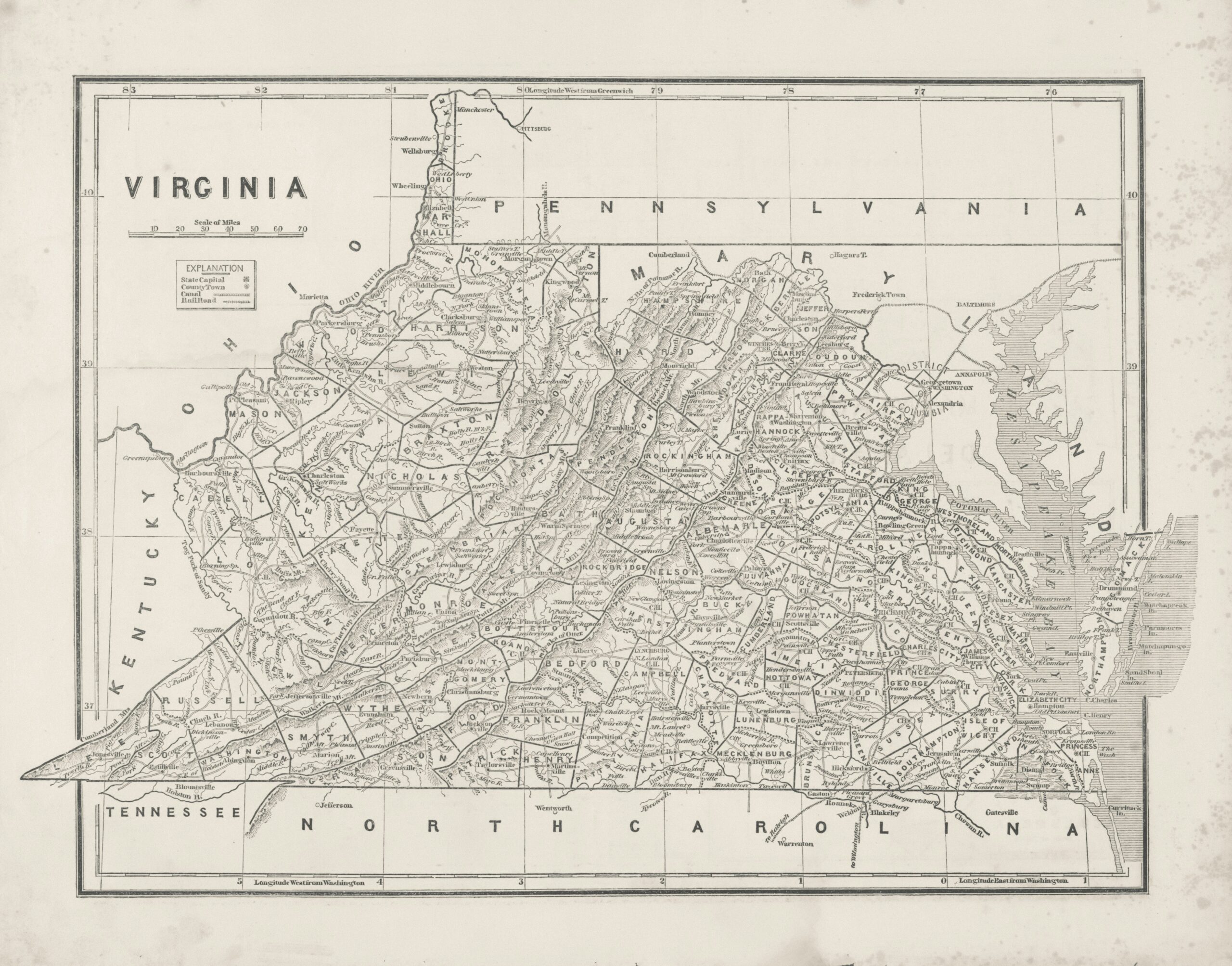
As the colony grew and land became scarce in the eastern Tidewater region, Virginians began to push westward and southward. This internal migration led to the establishment of new counties and the development of the Piedmont and trans-Allegheny frontier. Tracing families through these movements requires understanding settlement patterns and the creation of new administrative units. A family that appears in county records in the Tidewater in the early 18th century might be found in the Piedmont or the western frontier by the mid-18th century. Researchers need to consult land records, tax lists, and court minutes of these newer counties to follow these migrations. Often, surnames appearing in the records of a newly formed county will correspond with surnames found in older, more established counties, indicating a familial connection and a movement of people. The development of roads and the establishment of new churches also serve as indicators of these population shifts.
The Impact of Religious Diversity and Dissent
While the Church of England was dominant, Colonial Virginia also saw the presence of other religious groups, particularly dissenting Protestants like Presbyterians, Baptists, and Quakers. While these groups often faced persecution or limitations in their ability to practice freely, their communities nevertheless maintained their own records, often in private journals, meeting minutes, or correspondence. Tracing families who belonged to these dissenting groups requires looking beyond the established church records and delving into the archives of these specific denominations or into collections of private papers. The establishment of a Quaker meeting house or a Presbyterian congregation in a particular area can mark the arrival and settlement of families associated with that faith. These records, though sometimes less standardized than official church documents, can provide intimate details about family life, religious beliefs, and community relationships.
Beyond the Colony: Connections to the British Isles and Beyond
Colonial Virginia was not an isolated outpost. Its inhabitants had roots in Great Britain and, to a lesser extent, other parts of Europe. Understanding these transatlantic connections is crucial for tracing ancestral lines back to their origins.
Transatlantic Passenger Lists and Immigration Records
While passenger lists for early colonial voyages are notoriously incomplete and often non-existent, some records do survive, particularly for later periods. Official passenger lists, customs records, and personal accounts can offer clues about who arrived in Virginia and from where. For those whose ancestors may have arrived as indentured servants or assisted migrants, these records, though difficult to find, can be game-changers. Additionally, looking at records in England, Scotland, Ireland, and Wales for emigration can corroborate information found in Virginia. Parish records in the “sending” regions might document individuals or families leaving their homes. The process often involves working backward from known colonial ancestors, searching for matching surnames and given names in records of potential emigration ports.
The Role of Kinship Networks and Family Letters
Family letters, diaries, and memoirs, even if they don’t detail specific emigration events, can provide invaluable context. They often refer to relatives remaining in the homeland, discuss correspondence received, or mention plans for family members to join them. These personal documents offer a human dimension to the genealogical quest, revealing the emotional ties that bound families across the Atlantic. These materials are often found in private family collections, historical societies, university archives, and special collections within state libraries. Deciphering handwriting and understanding the social conventions of the time are key skills for working with such sources. The mention of a specific town or region in the British Isles within a colonial letter, for instance, provides a vital clue for further research on the other side of the Atlantic.
Exploring the intricate web of colonial Virginia family trees can provide fascinating insights into the lives of early American settlers. For those interested in understanding the broader implications of historical events on family lineage, a related article discusses the potential economic scenarios that could affect our understanding of history. You can read more about these scenarios in this insightful piece, which highlights how economic factors can shape societal structures over time. For further details, check out the article here.
The Modern Pursuit: Tools, Techniques, and Enduring Mysteries
| Family Name | Founding Year | Notable Ancestor | Number of Generations | Primary Location | Historical Significance |
|---|---|---|---|---|---|
| Washington | 1657 | John Washington | 8+ | Westmoreland County | First President’s lineage, influential in politics |
| Lee | 1640 | Richard Lee I | 7+ | Westmoreland County | Prominent political and military leaders |
| Carroll | 1670 | Charles Carroll | 6+ | Charles County | Signers of the Declaration of Independence |
| Randolph | 1660 | William Randolph | 7+ | Henrico County | Influential in colonial government and society |
| Burwell | 1650 | Lewis Burwell | 6+ | King and Queen County | Planters and political figures |
Today, the pursuit of Colonial Virginia ancestry benefits from both traditional archival research and a burgeoning array of technological tools, while still acknowledging that some lines may remain forever elusive.
Leveraging DNA and Online Genealogy Platforms
The advent of autosomal DNA testing has revolutionized genealogical research. Companies like AncestryDNA, 23andMe, and MyHeritage allow individuals to connect with living relatives and discover shared ancestors. For Colonial Virginia families, DNA can help bridge gaps in documentation, confirm suspected relationships, and even identify previously unknown lines of descent. When combined with traditional research, DNA results can provide powerful corroboration or point researchers in new directions. Online genealogy platforms, such as Ancestry.com, FamilySearch, and Findmypast, aggregate vast collections of digitized historical records, including wills, land records, census data (though colonial censuses are scarce and limited), and vital records. These platforms significantly streamline the research process, allowing for keyword searches and access to digitized documents that might otherwise require in-person visits to archives. However, it is crucial to remember that these platforms are tools; the interpretation and verification of the data remain the responsibility of the researcher.
Confronting the Gaps and Celebrating the Discoveries
Despite the wealth of available resources and the power of modern technology, tracing Colonial Virginia family trees is rarely a simple linear progression. Gaps in documentation, particularly for lower socioeconomic strata, enslaved individuals, and those who did not leave extensive written records, present significant challenges. The absence of a birth record, a lost will, or a burned courthouse can mean that certain ancestral lines remain incomplete or even untraceable with absolute certainty. Furthermore, the complex history of slavery in Virginia means that tracing the ancestry of enslaved people and their descendants requires a different approach, often relying on plantation records, runaway slave advertisements, and oral histories, alongside the gradually expanding availability of records specifically related to freedmen and their descendants. Yet, the process of tracing roots, even with its inherent difficulties, is profoundly rewarding. Each discovered document, each confirmed connection, is a victory, bringing individuals closer to understanding their heritage and the contributions their ancestors made to the rich and complex story of Colonial Virginia. The pursuit is a continuous journey, a testament to the enduring human desire to connect with the past and to understand the intricate tapestry of our collective ancestry.

DNA Challenged This Family’s Pocahontas Ancestry Claim
FAQs
1. How were family trees in colonial Virginia typically structured?
In colonial Virginia, family trees were often structured in a patriarchal manner, with the father or male head of the household at the top, followed by his wife and children listed below in descending order of age.
2. What types of records are commonly used to trace colonial Virginia family trees?
Commonly used records to trace colonial Virginia family trees include birth, marriage, and death records, wills, probate records, land deeds, church records, and census data from the colonial period.
3. Were family connections in colonial Virginia primarily based on blood relations?
While blood relations were important in colonial Virginia family trees, family connections were also often established through marriage, adoption, indentured servitude, and other forms of social bonds that were prevalent in the colonial society.
4. How did social status and wealth impact colonial Virginia family trees?
Social status and wealth played a significant role in shaping colonial Virginia family trees, with prominent families often intermarrying to consolidate power and resources, while those of lower social status may have had more fragmented family structures due to economic challenges.
5. What challenges are commonly faced when researching colonial Virginia family trees?
Common challenges when researching colonial Virginia family trees include incomplete or missing records, variations in spelling of names, lack of documentation for individuals of lower social status, and the need to carefully cross-reference multiple sources to verify relationships.