The Unfolding Tapestry: Unearthing the W. S. Rose and Bolling Family Legacies
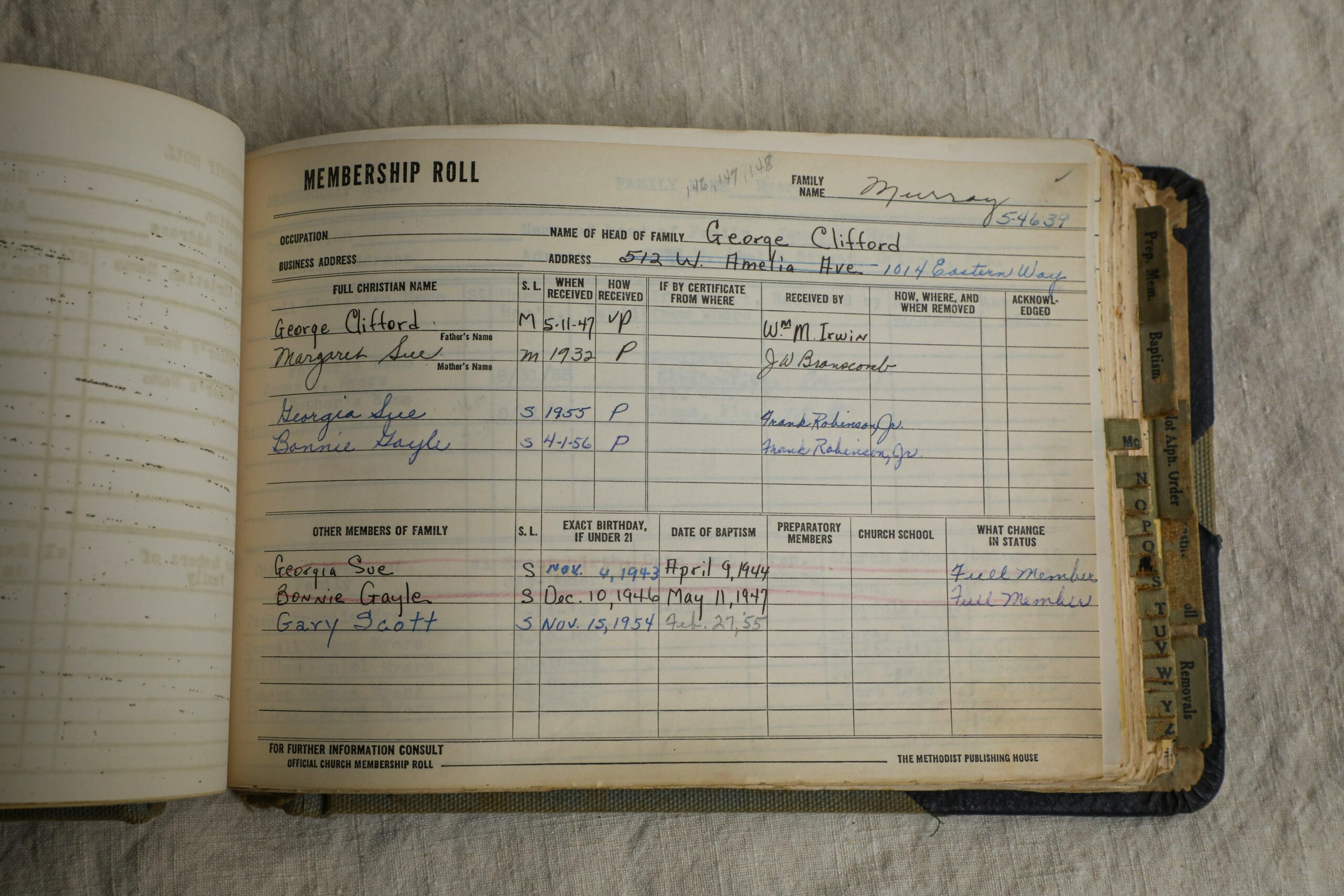
The human desire to understand one’s origins, to trace the intricate threads that connect us to those who came before, is a profound and enduring one. For many, this pursuit of genealogy is a journey of discovery, a detective-like endeavor to piece together fragmented histories and create a cohesive narrative of familial lineage. In this exploration, the names W. S. Rose and the Bolling family stand as significant points of reference, their interwoven histories offering a compelling glimpse into the past. This article delves into the fascinating world of W. S. Rose genealogy, paying particular attention to its connections with the prominent Bolling family, unraveling the stories, the migrations, and the lasting impact of these ancestral lines.
For those interested in the genealogy of W.S. Rose and the Bolling family, a fascinating article that delves into the broader implications of historical narratives and their preservation can be found at this link: The Deliberate Erasure of Ancient Wisdom. This piece explores how the erasure of certain histories can impact our understanding of lineage and heritage, making it a compelling read for anyone researching family histories or the significance of ancestral knowledge.
Pioneers and Patriots: The Early Days of the Bolling Family
The Bolling family name resonates through American history, particularly in the colonial South. Their story is one of early settlement, land ownership, and active participation in the developing colonies. Tracing their roots back to England, the Bolling family’s transplantation to Virginia marked the beginning of a new chapter, one filled with both opportunity and the inherent challenges of frontier life. Their influence extended beyond mere landholding; they were often involved in the civic and political spheres of their time, contributing to the nascent structures of colonial governance. Understanding this foundational period is crucial to appreciating the later branches of the family tree, including how they might intersect with the W. S. Rose lineage.
From English Shores to Virginian Soil
The earliest recorded Bolling immigrants to Virginia arrived in the 17th century, establishing themselves in the burgeoning settlements along the James River. These were individuals driven by ambition, seeking economic advancement and the chance to build a life in a new world. Their initial endeavors often focused on agriculture, the fertile lands of Virginia proving conducive to the cultivation of crops like tobacco, which would become a cornerstone of the colonial economy. The establishment of plantations and the acquisition of land were paramount, laying the groundwork for generations of Bolling prosperity and influence. Early records often paint a picture of sturdy individuals who faced the rigors of the wilderness with resilience and determination, setting a precedent for the family’s enduring spirit.
Shaping the Colonial Landscape: Bolling Influence and Connections
The Bolling family’s impact on colonial Virginia was multifaceted. They were not only landowners but also figures of public trust, often holding positions in local government and contributing to the social fabric of their communities. Their wealth and standing allowed them to forge connections with other prominent families, creating a network of alliances that shaped the political and economic landscape of the era. This interconnectedness is a key area of focus for genealogists, as it can reveal unexpected relationships and shared histories. The Bolling family’s presence was particularly significant in regions that would later become centers of American history, their actions and decisions contributing to the evolving narrative of the nascent nation.
The Enigmatic Figure of W. S. Rose: Bridging Generations
The name W. S. Rose, while perhaps less universally recognized than the Bolling surname in historical texts, represents a crucial node in many genealogical studies. The “W. S.” likely refers to an individual whose full name, and consequently the precise span of his life and influence, requires careful genealogical research to establish. The significance of W. S. Rose often lies in his potential role as an ancestor, a descendant, or a connecting figure between different family lines. Unraveling the details of his life, his family, and his geographical locations is paramount to understanding the broader Rose family tree and its potential intersections with families like the Bollings.
Deciphering the Identity: The Quest for W. S. Rose
Identifying a specific individual from an abbreviation like “W. S. Rose” presents a common challenge in genealogical research. The process involves meticulously sifting through census records, birth, marriage, and death certificates, land deeds, wills, and any other available documentation that might shed light on his existence. The aim is to pinpoint the exact individual, his parents, siblings, spouse, and children. This can be a protracted process, often requiring the cross-referencing of information from multiple sources and the careful elimination of individuals with similar names or conflicting biographical details. The geographical region where W. S. Rose lived is also a critical clue, helping to narrow down the search and focus on records from specific counties or states.
The Rose Family Diaspora: Migration and Settlement Patterns
Once W. S. Rose is identified, the next step in understanding his genealogical significance involves exploring the migration patterns of his family. Did the Rose family originate in a particular region, and did they move with specific economic or social motivations? Understanding these patterns is essential for tracing the lineage forward and backward. Were they early settlers in a new territory? Did they participate in westward expansion? The geographical dispersal of the Rose family provides vital clues for researchers looking to connect different branches of the family tree and potentially link them to other established lineages, such as the Bollings.
The Intersection: Where the Rose and Bolling Lines Converge
The true fascination in genealogical research often lies in the unexpected convergences of different family lines. The connection between W. S. Rose genealogy and the Bolling family history is likely to manifest through marriage or other familial relationships established over generations. These intersections are not merely academic curiosities; they represent the mingling of bloodlines, the sharing of traditions, and the creation of new branches of the extended family tree. Pinpointing these connections requires a deep dive into records that document marriages, the birth of children who carried names from both paternal and maternal lines, and potentially even shared property or business ventures.
Matrimonial Threads: Marriages and Descendancy
The most direct and common way for the W. S. Rose and Bolling families to intersect is through marriage. Generations ago, a member of the Rose family may have married a member of the Bolling family, or vice versa. This union would create a new generation of descendants who are related to both lineages. Genealogical research would involve meticulously searching marriage records from the relevant time periods and geographical locations. Once a marriage is identified, the focus shifts to tracing the lineage of the children born from that union. This requires examining birth records, baptismal certificates, wills that mention grandchildren, and census data that might list familial relationships. Each child from such a union becomes a vital link, carrying the legacy of both families forward.
Beyond Marriage: Other Familial Bonds and Shared Histories
While marriage is the most prevalent link, other familial bonds could also create intersections. Adoption, while less common historically, could lead to a name change and integration into a new family line. Furthermore, close friendships, business partnerships, or shared community involvement could lead to a deep intertwining of histories that might be documented in local histories, biographies, or even oral traditions passed down through generations. These less direct connections, while harder to trace definitively, can still offer valuable insights into the social and familial networks that existed between these prominent families. They paint a richer, more nuanced picture of how lives were lived and how families interacted in the past.
For those interested in the intricate connections of genealogy, particularly the lineage of W.S. Rose and the Bolling family, exploring historical events can provide valuable context. A fascinating read on the broader implications of historical shifts can be found in an article discussing the mysterious causes of the Bronze Age collapse. This article delves into how societal changes impact family lineages and heritage, making it a compelling complement to the study of genealogy. You can read more about it here.
Methodologies and Mysteries: The Art and Science of Genealogical Research
| Individual | Birth Year | Death Year | Relation | Notes |
|---|---|---|---|---|
| W S Rose | circa 1800 | circa 1870 | Ancestor | Patriarch in Rose family line |
| Bolling Rose | 1825 | 1890 | Son of W S Rose | Linked to Bolling family through marriage |
| Sarah Bolling | 1830 | 1900 | Spouse of Bolling Rose | Member of Bolling family, connected to Rose genealogy |
| John Rose Bolling | 1855 | 1920 | Descendant | Combined family names, important in genealogy records |
Tracing the intricate pathways of family history, especially when dealing with potentially distant or fragmented records, is a blend of meticulous research and deductive reasoning. The process of uncovering the connections between W. S. Rose genealogy and the Bolling family history relies on a variety of established genealogical methodologies, each with its own challenges and rewards. The historian or genealogist must become a detective, piecing together clues from a variety of sources, always striving for accuracy and verifiable evidence.
The Detective’s Toolkit: Records and Resources
The arsenal of a genealogist is vast and varied. Primary sources are the bedrock of reliable research: original documents such as birth, marriage, and death certificates; census records that enumerate households at specific points in time; land deeds and property records that track ownership and inheritance; probate records, including wills and estate inventories, which reveal family structures and assets; and church records, which often contain baptismal, marriage, and burial information. Secondary sources, while needing to be corroborated with primary evidence, can provide valuable context and starting points: published family histories, local histories, biographical dictionaries, and historical society records. For the W. S. Rose and Bolling families, particularly in their colonial and early American contexts, these records are often found in state archives, county courtholdings, historical societies, and increasingly, in digitized collections accessible online.
Navigating the Labyrinth: Challenges and Breakthroughs
Genealogical research is rarely a straightforward path. Obstacles are numerous and can include lost records due to fires, floods, or simply the passage of time; inconsistent spellings of names, especially in eras without standardized orthography; gaps in vital records; and the sheer volume of data that needs to be sifted. The identity of “W. S. Rose” itself represents a potential challenge, requiring careful disambiguation. Breakthroughs, however, are immensely rewarding. Discovering a previously unknown marriage record, finding a census entry that clearly links generations, or unearthing a letter that mentions family relationships can provide the missing pieces that illuminate the ancestral puzzle. The quest for the intersection of the Rose and Bolling families is a testament to this investigative spirit, where each discovered document brings the past a little closer.
For those interested in the fascinating world of genealogy, particularly the lineage of W.S. Rose and the Bolling family, a related article provides intriguing insights into historical connections and discoveries. You can explore more about these ancient secrets and their implications in genealogy by visiting this article, which delves into the revelations brought to light in a recent documentary.
The Enduring Legacy: Preserving and Sharing Family History
The culmination of genealogical research is not simply the accumulation of names and dates, but the preservation and sharing of the stories and legacies of those who came before. Understanding the W. S. Rose genealogy and its connection to the Bolling family history offers a window into the lives of individuals who shaped the past. This knowledge not only enriches the understanding of one’s own identity but also contributes to the broader historical narrative. The work of genealogists ensures that these stories are not lost to time, but are passed down to future generations.
The Living Archive: Family Trees and Historical Narratives
The creation of a comprehensive family tree is the primary output of genealogical research. This visual representation of lineage, often extending back many generations, serves as a living archive. It documents the descent from common ancestors, highlighting the various branches and connections. For the W. S. Rose and Bolling families, this would involve charting their respective lineages and then meticulously illustrating where and how they intersected. Beyond the structure of the tree, however, lies the creation of historical narratives. This involves researching the lives of the individuals identified, understanding their social context, their professions, their contributions, and the challenges they faced. These narratives breathe life into the data, transforming a list of names into a tapestry of human experience.
Passing the Torch: Education and Future Generations
The importance of genealogy extends beyond the individual researcher. It is about educating future generations about their heritage. By sharing the findings of W. S. Rose genealogy and the Bolling family history, families can foster a deeper sense of connection and belonging. This can be achieved through family reunions, the creation of family history books, online family trees, and informal discussions. The younger generations, armed with this knowledge, can gain a greater appreciation for the sacrifices, the triumphs, and the journeys of their ancestors. This ensures that the legacy of these families, and the stories of their intersections, continue to be remembered and honored for years to come. The ongoing pursuit of genealogical knowledge serves as a vital bridge, connecting the past to the present and informing the future.
DNA Challenged This Family’s Pocahontas Ancestry Claim
FAQs
Who was W.S. Rose?
W.S. Rose was a genealogist known for his extensive research on the Bolling family lineage.
What is genealogy?
Genealogy is the study of family history and lineage, often involving tracing ancestors and descendants through various records and documents.
What is the significance of the Bolling family in genealogy?
The Bolling family is a prominent American family with a rich history dating back to colonial times, making them a popular subject of genealogical research.
What contributions did W.S. Rose make to Bolling family genealogy?
W.S. Rose made significant contributions to Bolling family genealogy by compiling detailed records, documenting connections, and uncovering previously unknown information about the family’s history.
Where can I find more information about W.S. Rose’s genealogy research on the Bolling family?
More information about W.S. Rose’s genealogy research on the Bolling family can be found in historical archives, genealogical publications, and online databases specializing in family history research.