
Unveiling the Tapestry of Human Origins
The human story is one of migration, adaptation, and the intricate weaving of countless lineages. For millennia, communities lived in relative isolation, developing unique cultural practices and genetic signatures. Yet, beneath this surface diversity lies a profound truth: all humans share a common ancestry. The scientific field of population genetics, particularly through the analysis of DNA, has provided an unprecedented lens through which to trace these shared origins, offering profound insights into the historical movements and relationships of populations across the globe. This exploration delves into the methodologies, discoveries, and implications of tracing shared ancestry, revealing a complex yet ultimately interconnected human family tree.
Understanding shared ancestry and population backgrounds can provide fascinating insights into human history and migration patterns. For a deeper exploration of how ancient inventions and technological advancements have shaped societies, you may find the article “Uncovering Ancient Inventions: The Conspiracy to Hide Technological Advancements” particularly enlightening. It discusses the impact of these innovations on various cultures and their interconnectedness throughout history. You can read it here: Uncovering Ancient Inventions.
The Genetic Compass: Tools and Techniques for Ancestry Tracing

Understanding population backgrounds relies on a sophisticated array of genetic tools and analytical techniques. These methods allow scientists to sift through vast amounts of DNA data, identifying patterns that reflect historical migrations, admixtures, and ancestral connections. The power of these tools lies in their ability to peer into the very blueprint of life, revealing the echoes of past journeys and interactions.
Decoding the Blueprint: The Role of DNA
At the heart of population genetics lies Deoxyribonucleic Acid (DNA). This complex molecule carries the genetic instructions for the development and functioning of all known living organisms. Within human DNA, specific regions are particularly useful for tracing ancestry. Autosomal DNA, inherited from both parents, offers a broad overview of an individual’s genetic makeup and is crucial for identifying recent ancestry. However, for tracing deep ancestral roots and understanding migratory patterns, other forms of DNA play vital roles.
Y-Chromosome: The Patriarchal Lineage
The Y-chromosome is exclusively passed down from father to son. This unique inheritance pattern makes it an invaluable tool for tracing paternal lineage across vast stretches of time. By analyzing variations in Y-chromosome DNA, researchers can reconstruct ancient male migration routes, identifying the dispersal patterns of early human groups out of Africa and across continents. Haplogroups, defined by specific Y-chromosome mutations, serve as genetic markers, allowing scientists to group individuals with shared paternal ancestors. For example, certain Y-chromosome haplogroups are prevalent in specific regions of Asia, indicating the ancient movements of peoples across that continent. Similarly, the distribution of Y-chromosome haplogroups in Europe provides insights into the peopling of the continent after the last Ice Age. The study of Y-chromosome diversity has been instrumental in understanding the profound impact of ancient migrations, such as the expansion of Indo-European languages, which often correlates with the spread of specific Y-chromosome haplogroups.
Mitochondrial DNA: The Maternal Echo
Mitochondrial DNA (mtDNA) is inherited solely from the mother, passed down through the egg cell. Like the Y-chromosome, mtDNA has unique regions that mutate at a relatively predictable rate, making it an excellent marker for tracing maternal lineage. mtDNA analysis complements Y-chromosome studies by providing an independent perspective on migration and population history. It allows researchers to track the movements of ancient female populations, which may have followed different routes or experienced different demographic pressures than their male counterparts. For instance, mtDNA studies have been crucial in understanding the peopling of the Americas, revealing the maternal lines that contributed to the indigenous populations of the continents. The resilience and maternal focus of mtDNA have allowed scientists to trace the deep maternal ancestry of virtually all modern humans back to a common ancestor in Africa, often referred to as “Mitochondrial Eve.” The intricate network of mtDNA haplogroups across the globe paints a detailed picture of ancient maternal journeys, interweaving with other genetic data to form a comprehensive narrative of human dispersal.
Autosomal DNA: The Mosaic of Recent Ancestry
While Y-chromosome and mtDNA offer insights into single lines of descent, autosomal DNA provides a more holistic view of an individual’s genetic inheritance from all their ancestors. This is the primary type of DNA used in direct-to-consumer ancestry testing. Autosomal DNA is inherited in chunks from both parents, and these chunks are randomly inherited from grandparents, great-grandparents, and so on. By comparing the autosomal DNA of individuals from different populations, scientists can identify segments of DNA that are shared. The proportion of shared DNA and the specific ancestral origins of those segments reveal the degree of relatedness and historical admixture between populations. This allows for the reconstruction of more recent population movements and interactions. For example, studies using autosomal DNA have revealed the complex genetic landscape of Europe, highlighting the influence of various migrations, including those of Neolithic farmers, Bronze Age herders, and more recent historical movements. Similarly, the genetic diversity within Africa, the cradle of humanity, is extensively documented through autosomal DNA analysis, showcasing the deep divergence and intricate sub-regional histories within the continent. The ability to pinpoint specific percentages of ancestry from different geographic regions is a direct result of analyzing the vast mosaic of autosomal DNA.
Advanced Analytical Approaches
Beyond simply identifying DNA markers, sophisticated computational tools and statistical methods are essential for interpreting population genetic data. These include:
Population Structure Analysis
Techniques like Principal Component Analysis (PCA) and admixture analysis are used to identify patterns of genetic variation within and between populations. PCA visually represents the relationships between individuals based on their genetic similarity, often clustering individuals from the same or closely related populations together. Admixture analysis, on the other hand, estimates the proportion of ancestry an individual or population derives from distinct ancestral source populations. This allows for the identification of historical mixing events, such as intermarriage between different groups. For instance, PCA has been crucial in revealing the genetic stratification of populations within large continents, highlighting subtle but significant differences that reflect localized histories. Admixture analysis has provided concrete evidence for the assimilation of incoming populations into established ones, or the creation of entirely new genetic profiles through sustained interbreeding.
Phylogenetic Reconstruction
By analyzing the evolutionary relationships between DNA sequences, scientists can construct phylogenetic trees. These trees illustrate how different populations diverged from common ancestors over time. The branching patterns and branch lengths on these trees are indicative of the timing and magnitude of genetic drift and gene flow. Phylogenetic studies have been foundational in establishing the Out-of-Africa model of human origins and continue to refine our understanding of the precise routes and timings of early human dispersions. The resolution of these trees has increased dramatically with the availability of large-scale genomic data, allowing for the reconstruction of evolutionary histories with unprecedented detail.
Ancient DNA Analysis
The advent of ancient DNA (aDNA) analysis has revolutionized population genetics. By extracting and sequencing DNA from ancient skeletal remains, researchers can directly observe the genetic makeup of past populations. This provides a powerful validation for inferences made from modern DNA and offers direct insights into population turnover, admixture events, and genetic adaptations. The study of aDNA has provided compelling evidence for the genetic impact of major historical events, such as the spread of agriculture in Europe, the migrations of steppe pastoralists, and the peopling of various islands and isolated regions. For example, the analysis of Neolithic farmer DNA from Europe has shown its significant contribution to the ancestry of modern European populations, often displacing or mixing with existing hunter-gatherer groups. Similarly, ancient genomes from Siberia have illuminated the complex history of human movement and interaction across Eurasia.
Tracing the Out-of-Africa Exodus: The Genesis of Global Diversity

The most fundamental story in human population genetics is the “Out-of-Africa” migration, the epic journey of our ancestors from their birthplace on the African continent to populate the rest of the world. This narrative is deeply etched in our DNA, providing a foundational understanding of global genetic diversity.
The African Cradle: A Tapestry of Ancient Diversity
Africa, as the undisputed cradle of humanity, boasts the greatest genetic diversity of any continent. This is not surprising, as modern humans evolved there over hundreds of thousands of years. This deep evolutionary history has led to the divergence of numerous distinct populations within Africa, each with its own unique genetic heritage. The study of African genetic diversity is crucial for understanding the full spectrum of human variation and for accurately interpreting the ancestry of people worldwide. Researchers have identified distinct haplogroups and genetic signatures associated with various African ethnic groups, reflecting millennia of regional isolation and adaptation. For example, the Khoisan peoples of Southern Africa, with their ancient linguistic traditions and unique genetic markers, offer a glimpse into some of the earliest lineages to diverge. Similarly, West African populations exhibit a rich mosaic of genetic variations, underscoring their role in early human expansion. The intricate patterns of gene flow and isolation within Africa provide a complex and fascinating backdrop for understanding subsequent global migrations.
The Great Dispersal: Populating the Continents
From Africa, small groups of Homo sapiens began to migrate outwards, a process that unfolded over tens of thousands of years. These early migrants, driven by factors such as resource availability, climate change, and population growth, gradually spread across Asia, Europe, Australia, and eventually the Americas. Each wave of migration carried a subset of the genetic diversity present in the source population, leading to a pattern of decreasing diversity with increasing distance from Africa.
The Asian Expansion
The initial migrations out of Africa likely led groups into the Middle East and then fanned out across Asia. Different routes were taken, leading to the diversification of populations across this vast continent. Genetic studies have identified distinct lineages associated with South Asia, Southeast Asia, East Asia, and Central Asia, reflecting the complex interplay of ancient migrations, geographical barriers, and regional adaptations. The peopling of Southeast Asia, for instance, involved multiple waves of migration, including the arrival of Austronesian speakers, whose genetic signature is found across the islands of the Pacific. The genetic landscape of East Asia is equally intricate, with evidence of early migrations into the region and subsequent diversification and interaction with neighboring populations.
The European Journey
As humans moved northwards, they eventually entered Europe. This continent was initially populated by hunter-gatherer groups. Later, the arrival of farmers from the Near East during the Neolithic period, followed by migrations of Steppe pastoralists during the Bronze Age, significantly reshaped the genetic landscape of Europe. Modern European populations are a complex mosaic of these ancestral components, with varying proportions reflecting regional histories. For example, populations in the Iberian Peninsula show evidence of significant Paleolithic and Neolithic contributions, while Northern European populations often display a stronger influence from Steppe migrations. The genetic impact of the last Ice Age also played a crucial role, leading to the isolation of populations in glacial refugia and subsequent repopulation of the continent.
Reaching the Ends of the Earth: Australia and the Americas
The journey continued to the furthest reaches of the globe. Early humans reached Australia tens of thousands of years ago, developing unique cultures and genetic profiles in isolation. Similarly, the peopling of the Americas is a story of remarkable resilience and adaptation, with migrations occurring across the Bering land bridge. Genetic studies have revealed the deep connections between indigenous Siberian populations and the First Peoples of the Americas, as well as the subsequent diversification of these populations across the continents. The genetic evidence suggests multiple migration waves into the Americas, contributing to the rich diversity of indigenous populations from the Arctic to Tierra del Fuego.
The Intertwined Threads: Admixture and Population Interaction
The story of human migration is not simply one of linear dispersal; it is also a story of interaction, blending, and admixture. As populations encountered each other, they interbred, creating new genetic compositions and contributing to the rich tapestry of human ancestry. These admixture events have left indelible marks on the genomes of populations worldwide.
Historical Encounters: The Dynamics of Gene Flow
Throughout history, human groups have interacted through trade, conflict, exploration, and settlement. These encounters invariably led to gene flow – the transfer of genetic material from one population to another. The impact of these events can be seen in the genetic makeup of modern populations. For example, the Silk Road, a vast network of trade routes connecting East and West, facilitated the movement of people and ideas, leading to significant genetic admixture across Eurasia. Similarly, the era of European exploration and colonization resulted in widespread gene flow between Europeans, indigenous populations of the Americas, Africa, and Australia, shaping the genetic identities of billions of people.
Evidence in the Genome: Tracing Admixture Events
Geneticists use specific patterns in autosomal DNA to identify admixture events. When two distinct populations mix, their offspring inherit a mosaic of genetic segments from both parental groups. By analyzing the lengths and origins of these shared segments, researchers can estimate the timing and proportions of admixture. This has allowed for the reconstruction of the genetic impact of specific historical migrations and interactions. For instance, studies have revealed the significant genetic contribution of Central Asian populations to South Asia, indicative of ancient migrations and intermingling. In Europe, admixture analyses have provided evidence for the assimilation of various migrating groups, such as the Goths, Vandals, and Huns, into existing populations.
The Impact of Isolation and Founder Effects
Conversely, periods of isolation can also lead to distinct genetic signatures. When a small group of individuals establishes a new population (a founder effect), their limited genetic diversity becomes amplified over generations. This can lead to a higher prevalence of certain genetic traits or diseases within that population. Understanding founder effects is crucial for interpreting population-specific genetic variations and for accurately assessing ancestry. The Amish communities, for example, exhibit a higher incidence of certain genetic disorders due to their historical founder effect and subsequent genetic isolation. Similarly, island populations often display unique genetic characteristics due to their isolation from mainland gene pools.
Understanding shared ancestry and population background can provide valuable insights into the cultural and historical context of various regions. For instance, the Maldives, with its unique demographic composition, showcases how shared ancestry influences societal structures and traditions. A deeper exploration of this topic can be found in a related article that discusses the challenges faced by the nation, which you can read more about here. This connection between ancestry and current issues highlights the importance of recognizing historical ties in shaping modern identities.
Unlocking the Past, Informing the Present: Implications of Shared Ancestry Research
| Population Group | Estimated Shared Ancestry (%) | Common Genetic Markers | Geographic Region | Historical Background |
|---|---|---|---|---|
| Ashkenazi Jews | 70-80% | BRCA1, BRCA2 mutations | Europe (Central and Eastern) | Descendants of medieval Jewish communities in Europe |
| Sardinians | 60-75% | HLA haplotypes | Island of Sardinia, Italy | Isolated Mediterranean island population with limited gene flow |
| Finnish Population | 65-70% | Unique Y-chromosome haplogroups | Finland | Founder effect and genetic isolation in Northern Europe |
| Native Hawaiians | 50-65% | mtDNA haplogroups B4a1a1 | Hawaiian Islands | Polynesian migration and island isolation |
| Punjabi Population (India/Pakistan) | 55-70% | HLA alleles and Y-chromosome markers | Punjab region, South Asia | Ancient Indo-Aryan and local tribal admixture |
The ongoing exploration of shared ancestry through population genetics has profound implications, extending far beyond academic curiosity. It offers critical insights into human health, illuminates our understanding of cultural evolution, and fosters a deeper appreciation for our shared humanity.
Health and Disease: Genetic Predispositions and Ancestry
Understanding population backgrounds is increasingly vital for modern medicine. Genetic predispositions to certain diseases can vary significantly between populations due to differences in genetic makeup. By tracing an individual’s ancestry, healthcare professionals can gain valuable insights into their potential risk for specific conditions. This allows for more personalized and effective preventative care and treatment strategies. For example, certain genetic variants associated with an increased risk of cardiovascular disease or specific types of cancer may be more prevalent in particular ancestral groups. Furthermore, the study of population genetics has helped in identifying the genetic basis of lactose tolerance, a trait that emerged independently in different populations as they began to domesticate dairy animals. This highlights how adaptation to environmental factors leaves a distinct genetic footprint.
Cultural Evolution and Migration: A Symbiotic Relationship
The genetic history of populations is inextricably linked to their cultural development. As people migrated and interacted, they not only exchanged genes but also ideas, technologies, and languages. Population genetics can help to untangle the complex interplay between migration and cultural diffusion. For instance, the spread of agriculture across continents was accompanied by significant population movements and genetic admixture, shaping both the genetic and cultural landscapes of the regions they settled. Similarly, the genetic evidence for the expansion of Indo-European languages often correlates with the movement of specific Y-chromosome haplogroups, suggesting a complex relationship between genetic heritage and linguistic dissemination.
Fostering Global Understanding and Connection
Perhaps one of the most significant implications of tracing shared ancestry is its potential to foster a greater sense of global understanding and connection. By revealing the common threads that bind us all, this research challenges notions of distinct racial categories and highlights our shared evolutionary heritage. The realization that we are all descendants of ancient migrations, and that our ancestors interacted and interbred, can help to break down barriers and promote a more inclusive worldview. It underscores the fact that “race,” as a social construct, is not supported by deep genetic divisions; rather, the vast majority of human genetic variation exists within populations, not between them. This understanding can be a powerful tool in combating prejudice and promoting empathy across diverse communities. It reinforces the idea that the human story is a collective one, built on the foundations of countless generations and their journeys.
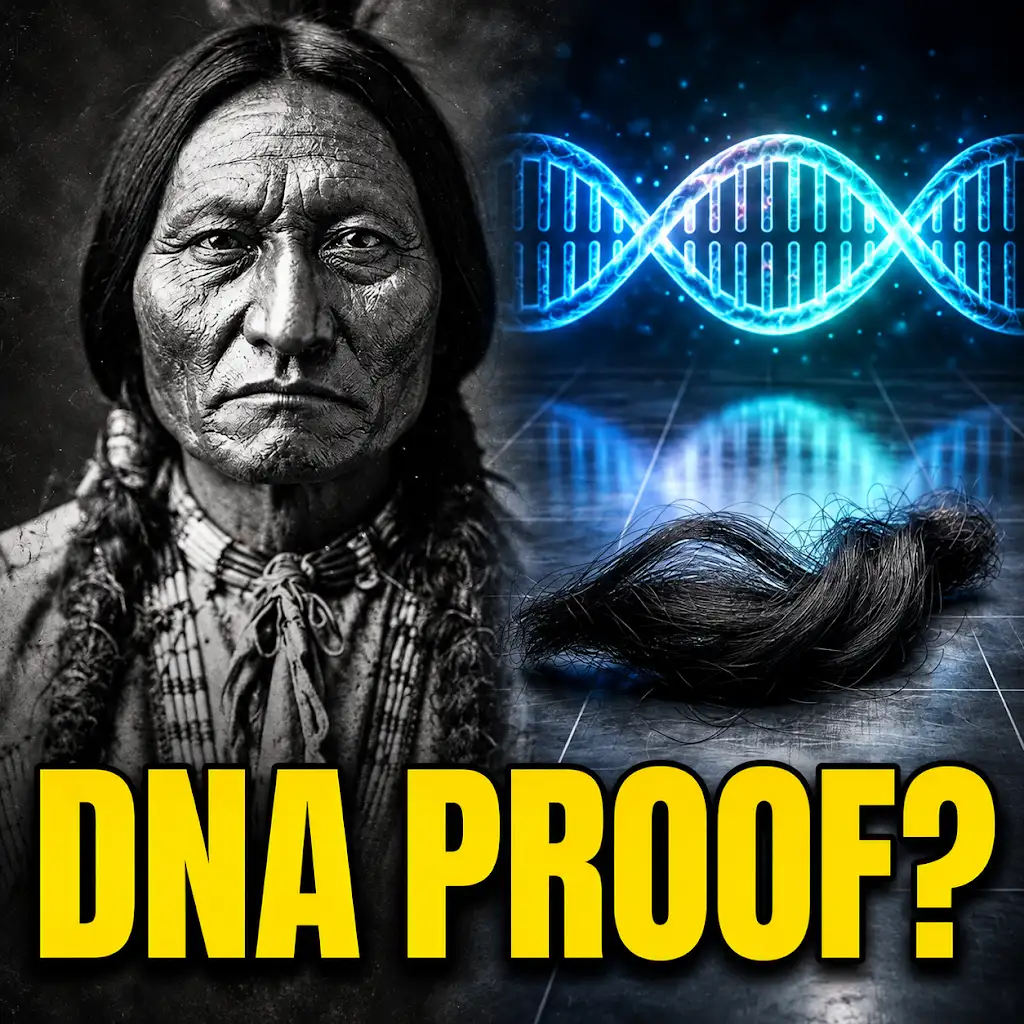
The Sitting Bull DNA Test: What Did It Actually Prove?
FAQs
What is shared ancestry population background?
Shared ancestry population background refers to the genetic heritage that is common among a group of individuals or a population, indicating a shared history of ancestry and genetic traits.
How is shared ancestry population background determined?
Shared ancestry population background is determined through genetic analysis, such as DNA testing, which can reveal common genetic markers and variations among individuals within a population.
Why is shared ancestry population background important?
Understanding shared ancestry population background is important for studying population genetics, tracing migration patterns, and identifying genetic predispositions to certain diseases within specific populations.
Can shared ancestry population background vary among different regions or ethnic groups?
Yes, shared ancestry population background can vary among different regions or ethnic groups due to historical migrations, intermixing, and genetic drift, leading to distinct genetic profiles in different populations.
How can shared ancestry population background research benefit society?
Research on shared ancestry population background can help improve personalized medicine, inform public health policies, and promote diversity and inclusivity by highlighting the interconnectedness of human populations.