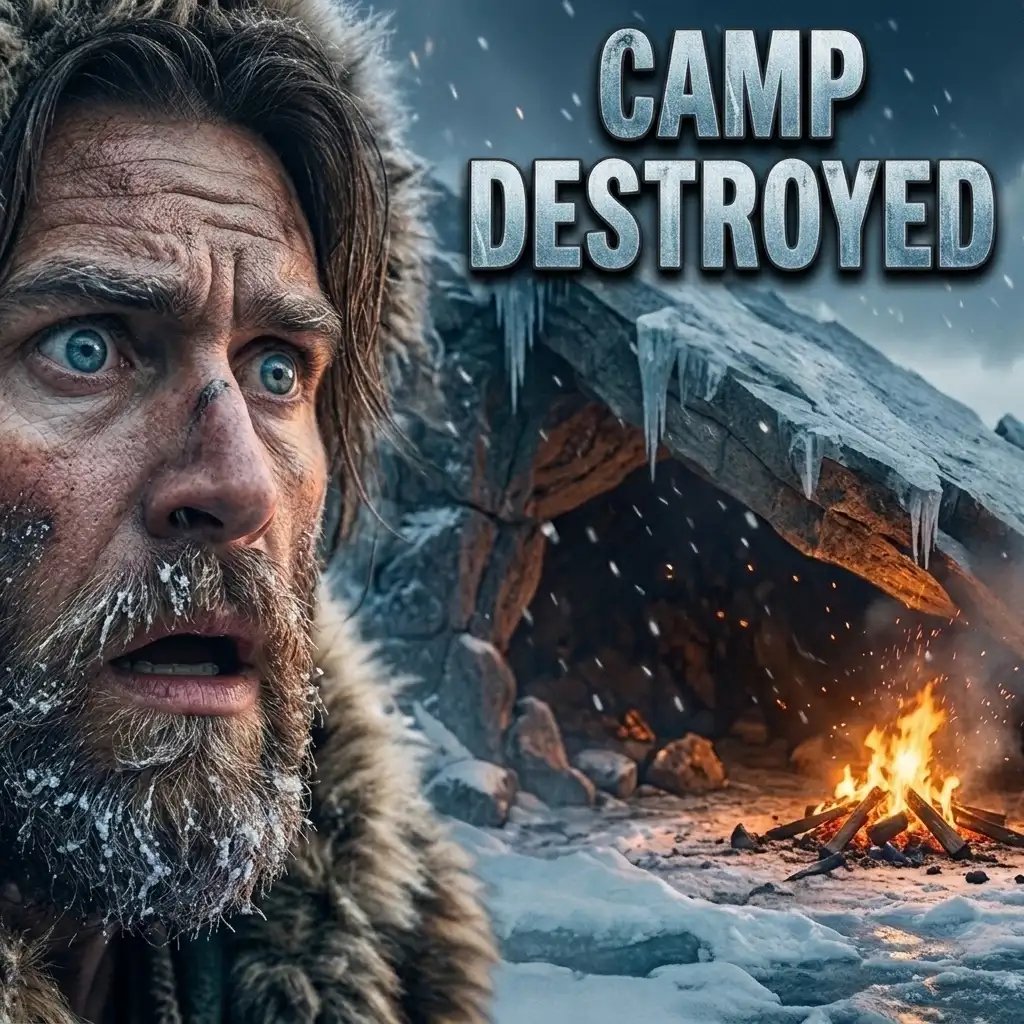
When the wind howls a furious lullaby and the snow falls in blinding sheets, the odds are stacked against those who become disoriented. For experienced search and rescue teams, these are the moments that test their mettle, the times when the silent, white wilderness transforms from a serene landscape into a treacherous adversary. Tracking lost hunters in a snowstorm is a race against time, a delicate dance between the hunter and the hunted, where survival hinges on knowledge, preparation, and the unwavering resolve to bring everyone home safely. This article delves into the critical survival tips and strategies employed by rescue professionals during these high-stakes snowstorm missions.
The Crucial Initial Assessment: Gathering Intelligence Under Pressure
The success of any rescue operation, especially one complicated by severe weather, begins long before the first boot hits the snow. The initial assessment phase is a whirlwind of activity, requiring rescuers to meticulously gather and interpret every scrap of information to build a comprehensive picture of the missing individuals and their potential predicament. This intelligence dictates the entire search strategy, from deployment of resources to the specific tactics employed in the field.
Understanding the Missing Person Profile: Who are They and What are Their Capabilities?
Before any boots touch the snow, a deep dive into the missing hunter’s profile is paramount. Rescuers need to understand not just their name and physical description, but their experience level with the terrain and weather conditions. Are they seasoned outdoorsmen with a deep understanding of survival, or are they novices venturing into the wilderness for the first time? Their physical condition, any known medical issues, and the type of gear they were carrying are all vital pieces of the puzzle. A hunter with a history of hypothermia or a reliance on specific medication presents a far more urgent and complex scenario than a fit individual who simply made a navigational error. Knowing their usual habits, their favored hunting spots, and their typical return times provides critical baseline data. Were they expecting to be back by a certain hour? Did they inform anyone of their planned route? Any deviation from their established patterns raises red flags and narrows the search area.
Analyzing the Last Known Sighting: Pinpointing the Starting Point of the Search
The last known sighting (LKS) is the linchpin of the entire operation. Where and when were they last seen or heard from? This information, often provided by companions, family members, or even cell phone pings, establishes the most likely starting point of their disorientation or potential accident. Rescuers will meticulously analyze this data, considering the direction of travel, the approximate time frame, and any environmental factors present at that moment. A hunter last seen heading towards a particular ridge might have gotten lost on its eastern or western slope, or perhaps attempted to cross a gully that has since become impassable due to drifting snow. The quality and precision of the LKS directly impact the efficiency of the search. A vague report of “somewhere in the north woods” is infinitely more challenging than a precise GPS coordinate or a witness who saw them enter a specific trail.
Assessing Environmental Conditions: The Snowstorm as a Dynamic Threat
The snowstorm itself is not a static entity; it is a dynamic and ever-evolving threat that profoundly impacts both the missing individuals and the rescue efforts. Rescuers must constantly monitor and analyze the weather forecast, paying close attention to wind speed and direction, visibility, temperature drops, and the rate of snowfall. These elements influence how quickly a lost person can succumb to hypothermia, how easily they can become disoriented, and how difficult it will be for search teams to operate. High winds can mask sounds, obliterating the ability to hear shouts for help or even the distant rumble of a snowmobile. Zero visibility can render aerial reconnaissance useless and force ground teams to move at a glacial pace, relying heavily on navigation tools and instinct. Understanding the storm’s trajectory and intensity is crucial for anticipating how the situation might unfold and for planning the search strategy accordingly.
In the context of tracking lost hunters during a snowstorm, it is crucial to understand the broader implications of navigation and safety in challenging environments. An insightful article that explores these themes is available at Navigating Post-Colonial Borders: Challenges and Opportunities. This piece discusses the complexities of navigation in various terrains, which can be particularly relevant when considering the difficulties faced by individuals in adverse weather conditions.
Locating the Lost: Advanced Tracking Techniques in Whiteout Conditions

Once the initial assessment is complete, the focus shifts to the challenging task of physically locating the missing hunters. In the heart of a snowstorm, traditional search methods are often rendered ineffective. Rescue teams must employ specialized techniques, leveraging both technology and keen observational skills to penetrate the blizzard and find their quarry.
Utilizing Canine Search and Rescue: The Nose Knows Best
Search and rescue dogs are invaluable assets in snowstorm conditions. Their incredible sense of smell, capable of detecting human scent even when buried under several feet of snow, provides a significant advantage. These highly trained animals can follow scent trails that are invisible to the human eye, leading rescuers through dense forest, across open fields, and even to victims buried in avalanches. The dogs are typically deployed in a grid pattern or directed along suspected travel routes. Their handlers must be adept at reading their dogs’ behavior, understanding when they are picking up a scent and how to interpret their directional cues. The effectiveness of a canine team is dependent on the dog’s training, the handler’s skill, and the prevailing weather conditions, which can sometimes dilute or distort scent.
Interpreting Sign and Trace Evidence: Reading the Subtle Clues
Even in a heavy snowfall, lost individuals often leave behind subtle clues that can guide rescuers. These can include broken branches, disturbed snow, footprints that are partially obscured but still discernible, discarded items of clothing, or even makeshift shelters. Experienced trackers are trained to meticulously examine the environment for any sign of human activity. The direction of footprints, the depth of impressions, and the presence of any personal belongings can provide crucial information about the lost person’s path and their state of mind. Even a single dropped glove or a partially consumed ration bar can serve as a vital waypoint, indicating the direction of travel and offering a glimmer of hope. Rescuers must be acutely aware that fresh snowfall can erase evidence rapidly, making timely and thorough examination critical.
Employing Thermal Imaging and GPS Technology: Seeing the Unseen
Modern technology plays a pivotal role in modern search and rescue. Thermal imaging cameras, capable of detecting heat signatures, can be incredibly effective in locating individuals, even those buried under snow or hidden within dense foliage. The human body emits heat, which registers as a distinct pattern on the thermal display, allowing rescuers to identify potential victims from a distance, especially during periods of low visibility. Furthermore, GPS devices and satellite phones are indispensable tools for navigation and communication. Rescuers can mark their search areas, track their progress, and, if the lost individuals have their own GPS devices or cell phones, potentially triangulate their last known locations. Even faint cell phone signals can be detected by specialized equipment, offering a lifeline in remote areas.
Survival Strategies for the Lost: What the Hunter Needs to Know
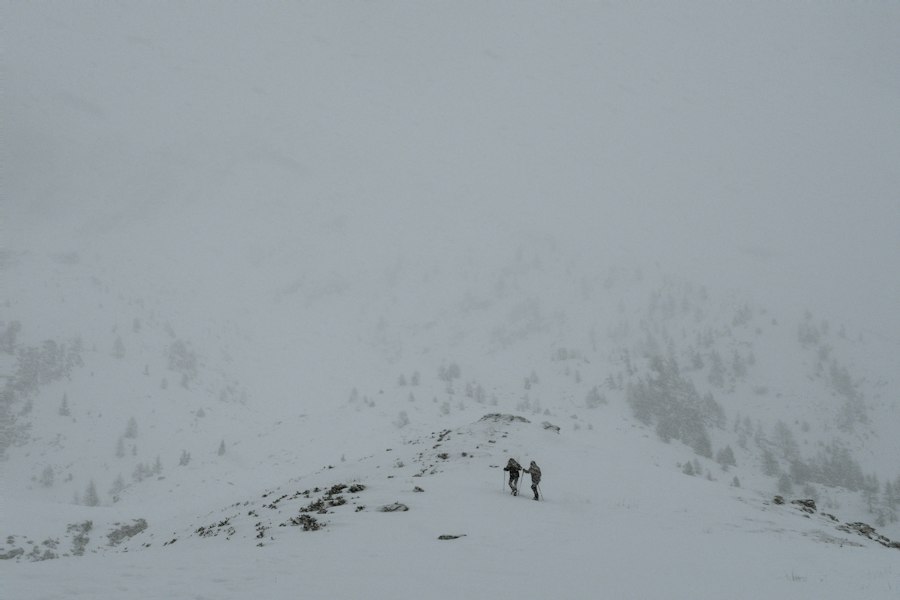
While search and rescue teams are employing their expertise to find them, the lost hunters themselves must also be equipped with the knowledge and mindset to survive. Their actions, or inactions, can significantly influence their chances of being found alive and well. Survival in a snowstorm is a testament to human resilience and the application of fundamental wilderness principles.
The Art of Shelter: Creating a Haven from the Storm
The most immediate threat in a snowstorm is exposure. Building or finding adequate shelter is paramount. If a hunter has the foresight to carry a tent or tarp, setting it up in a sheltered location, ideally out of the prevailing wind, is the first priority. In the absence of manufactured shelter, the hunter must improvise. Natural shelters like caves, rock overhangs, or dense evergreen trees can offer significant protection. If no natural options are available, constructing a snow cave or a quinzee (a dome-shaped shelter made from compacted snow) can provide vital insulation. The key is to create a space that minimizes heat loss and shields the individual from the wind and falling snow. Proper ventilation is crucial to prevent carbon monoxide poisoning if a heat source is used.
Fire as a Lifeline: Warmth, Signaling, and Morale
The ability to make fire is one of the most critical survival skills. Fire provides warmth, which is essential for preventing hypothermia. It can also be used for signaling, creating smoke that can be seen from a distance. Furthermore, the psychological boost of a fire cannot be overstated; it offers a sense of control and hope in a desperate situation. Hunters should always carry multiple reliable fire-starting tools, such as waterproof matches, lighters, and a ferrocerium rod, along with tinder that will ignite even when damp. Understanding how to gather dry fuel in a snowy environment – often by looking for dead, standing wood – is also crucial. Maintaining the fire is as important as starting it, especially during prolonged periods of extreme cold.
Staying Hydrated and Nourished: Fueling the Body’s Engine
Even in cold weather, dehydration is a serious concern. The body loses moisture through respiration and perspiration. While snow can be melted for water, it’s important to do so safely to avoid ingesting harmful bacteria. Boiling snow is the safest method. If fuel is scarce, individuals can also attempt to melt snow by placing it in a container against their body, although this is less efficient. Maintaining caloric intake is also vital. High-energy foods, such as nuts, dried fruits, and energy bars, are ideal. If these are not available, hunters should ration their existing supplies and avoid expending unnecessary energy. Hunger can impair judgment and physical capabilities, so maintaining a level of nourishment is essential for clear thinking and physical endurance.
The Power of Positive Mental Attitude: The Unseen Survival Tool
Perhaps the most underestimated survival tool is a strong mental attitude. Panic can lead to poor decision-making, which in turn can exacerbate a dangerous situation. Maintaining a positive outlook, focusing on achievable tasks, and reminding oneself of survival priorities can make the difference between life and death. Breaking down survival into manageable steps – finding shelter, starting a fire, conserving energy – can help combat feelings of overwhelming hopelessness. Visualizing rescue, focusing on loved ones, and engaging in self-talk can bolster resilience. The will to survive is a powerful force that can sustain an individual through the most extreme conditions.
Rescue Operations: Coordinated Efforts in a Frozen Landscape
When a hunter is reported missing in a snowstorm, a well-coordinated rescue operation is launched, involving multiple agencies and specialized teams. The complexity of these operations requires meticulous planning, clear communication, and unwavering dedication.
Establishing a Command Structure: The Central Hub of Operations
A unified command structure is essential for orchestrating any large-scale rescue mission. This typically involves setting up an Incident Command Post (ICP) where representatives from all involved agencies – law enforcement, fire departments, search and rescue teams, and potentially wilderness rangers – can convene. The ICP serves as the central hub for decision-making, resource allocation, and communication. A designated Incident Commander is responsible for overall strategy, while section chiefs manage specific areas like operations, planning, logistics, and finance. Clear lines of communication are vital to ensure that information flows efficiently and that all team members are working towards a common goal.
Deploying Specialized Search Teams: Tailoring Tactics to the Environment
Search and rescue teams are deployed based on the intelligence gathered and the terrain. This might include ground teams equipped with snowshoes or skis for traversing deep snow, specialized avalanche rescue teams if the terrain is mountainous, and canine units. Aerial reconnaissance, using helicopters or fixed-wing aircraft equipped with thermal imaging, can be crucial for covering large areas quickly, though their effectiveness can be hampered by poor visibility. The deployment strategy is dynamic, constantly adapting to new information and changing weather conditions. Teams may be dispatched along suspected routes, in grid patterns within a defined search area, or towards areas where potential signals have been detected.
Medical Support and Evacuation: Ensuring a Safe Return
Once a lost hunter is located, immediate medical assessment and care are paramount. Search and rescue personnel are trained in basic first aid and wilderness medicine. If the individual is injured or suffering from hypothermia, immediate treatment is administered to stabilize their condition. Evacuation procedures are then initiated. This might involve carrying the individual on a specialized stretcher, transporting them via snowmobile, or, in more remote or challenging situations, utilizing a helicopter for extraction. The priority is to move the rescued individual to a medical facility as quickly and safely as possible. Every step of the evacuation process is carefully managed to prevent further injury or deterioration of their condition.
In the challenging conditions of a snowstorm, tracking lost hunters becomes a critical task for rescue teams. The harsh environment can disorient even the most experienced outdoorsmen, making effective tracking techniques essential. For those interested in understanding the complexities of navigating treacherous terrains, a related article explores the hidden coastline of Antarctica, shedding light on the unique challenges faced in extreme weather conditions. You can read more about it in this insightful piece on Antarctica’s hidden coastline.
The Importance of Preparation: Preventing the Need for Rescue
| Metric | Description | Typical Value / Range | Importance |
|---|---|---|---|
| Visibility | Distance one can see in the snowstorm | 0 to 100 meters | Critical for navigation and spotting lost hunters |
| Temperature | Ambient air temperature during the storm | -30°C to 0°C (-22°F to 32°F) | Impacts survival time and equipment functionality |
| Wind Speed | Speed of wind during the storm | 10 to 60 km/h (6 to 37 mph) | Affects snow drift and tracking difficulty |
| Snow Depth | Accumulated snow on the ground | 10 cm to 1 meter | Influences movement and track visibility |
| Track Age | Time since hunter passed through an area | Minutes to several hours | Older tracks may be obscured or erased |
| Search Area Size | Geographical area to be searched | 1 to 50 square kilometers | Determines resources and time needed |
| Number of Searchers | People involved in the search operation | 1 to 20+ | More searchers increase coverage and speed |
| Communication Range | Distance over which searchers can communicate | 500 meters to 5 kilometers | Essential for coordination and safety |
| Survival Time Estimate | Estimated time a lost hunter can survive in conditions | 6 to 48 hours | Guides urgency and search prioritization |
While this article focuses on rescue, it’s crucial to emphasize that the best rescue is one that never has to happen. Prevention is always the most effective strategy. Hunters venturing into snow-covered wilderness must prioritize thorough preparation.
Pre-Trip Planning: The Foundation of Safety
Thorough pre-trip planning is the cornerstone of safe wilderness travel. This includes studying maps and understanding the terrain, checking detailed weather forecasts for the specific region, and informing a reliable contact person of the planned itinerary, including expected return times and the general route. This contact person should be instructed on who to notify if the hunter fails to check in. Understanding the limitations of their own experience and physical capabilities is also crucial. Overestimating one’s abilities in challenging conditions is a common pitfall.
Essential Gear and Knowledge: Equipping for the Worst
A well-stocked survival kit is non-negotiable. This should include essentials like a reliable compass and map (and the knowledge of how to use them), a first-aid kit, multiple fire-starting tools, emergency shelter materials (tarp, bivy sack), extra layers of warm clothing, high-energy food and water, a whistle for signaling, a headlamp or flashlight with extra batteries, and a fully charged cell phone or satellite communication device. Beyond physical gear, acquiring essential survival knowledge is equally important. This includes understanding basic navigation, how to build a shelter, fire-making techniques, and recognizing the signs and treatment of hypothermia and frostbite. Taking a wilderness survival course can provide invaluable skills and confidence.
Weather Awareness and Risk Assessment: Making Informed Decisions
Hunters must constantly monitor weather conditions and be prepared to alter their plans accordingly. This means understanding that weather can change rapidly in mountainous or remote regions. It is far better to postpone or abort a trip than to risk becoming caught in a dangerous situation. A willingness to turn back when conditions deteriorate or when signs of trouble emerge is a sign of good judgment, not weakness. The thrill of the hunt should never overshadow the paramount importance of personal safety. By embracing a proactive approach to safety and preparedness, hunters can significantly increase their chances of enjoying their time in the wilderness without becoming a statistic.