The Dust Settles: How Genetic Science Unearths Outlaw Secrets
The American West, a landscape etched in popular imagination with tales of daring bandits, legendary lawmen, and a frontier defined by grit and gunsmoke, has long captivated historians and storytellers alike. Figures like Jesse James, Billy the Kid, and Butch Cassidy remain deeply ingrained in the national psyche, their exploits often romanticized and shrouded in mystery. While historical records, newspaper clippings, and oral traditions have long served as the primary sources for understanding these historical figures, a new and powerful tool has emerged, one that promises to peel back layers of myth and offer unparalleled insights: DNA profiling. The ability to extract, analyze, and compare genetic material from the skeletal remains of suspected outlaws is revolutionizing our understanding of their identities, their origins, and the very fabric of their lives. This article explores the burgeoning field of forensic genealogy applied to Old West outlaws, revealing how DNA profiles are uncovering hidden histories, confirming long-debated identities, and even challenging long-held assumptions about these iconic figures.
Recent advancements in DNA profiling have opened new avenues for tracking the lineage of notorious Old West outlaws, shedding light on their descendants and the impact of their legacies. This fascinating intersection of history and science is reminiscent of the discussions surrounding the militarization of the Moon’s South Pole, where technology plays a crucial role in exploring uncharted territories. For more insights on how modern technology is reshaping our understanding of history and exploration, you can read the article here: The Militarization of the Moon’s South Pole.
Whispers from the Grave: The Science of Identification
The very concept of identifying individuals through their genetic code, once the domain of science fiction, is now a tangible reality. For historians and archaeologists grappling with fragmented or contested remains, DNA analysis offers a scientific Rosetta Stone, capable of unlocking identities that have been lost to time. The process begins with the careful extraction of skeletal material, typically bone or teeth, from a burial site. These samples are then subjected to a complex series of laboratory procedures designed to isolate and amplify the ancient DNA. Unlike modern DNA, which is relatively abundant and well-preserved, ancient DNA is often degraded, fragmented, and contaminated with the DNA of modern individuals who may have handled the remains or the surrounding environment. Therefore, specialized techniques are employed to maximize the yield of usable genetic material and minimize contamination.
The Pillars of Genetic Evidence: mtDNA and Nuclear DNA
Two primary types of DNA are crucial in these investigations: mitochondrial DNA (mtDNA) and nuclear DNA. Mitochondrial DNA, inherited solely from the mother, is present in multiple copies within each cell, making it more resilient to degradation and thus more likely to be recovered from ancient samples. While mtDNA can help establish maternal lineage and rule out or confirm familial relationships, it is not unique to an individual. Nuclear DNA, on the other hand, is found in the nucleus of cells and contains the vast majority of an individual’s genetic information. It is inherited from both parents and provides a much more precise genetic fingerprint. Analyzing nuclear DNA allows for direct comparison with known relatives or established databases, offering the highest level of certainty in identification.
From Bones to Databases: The Power of Comparison
Once sufficient DNA is extracted and analyzed, the results are typically compared against several sources. The most definitive comparisons involve direct matching with the DNA of a known, living relative. This is often achieved by obtaining DNA samples from descendants of the suspected outlaw, through consent and ethical protocols. Genealogical research, a vital precursor to DNA analysis, helps identify potential familial lines and locate individuals willing to participate. In cases where direct familial DNA is unavailable, researchers can compare the outlaw’s DNA profile to genealogical databases containing millions of genetic profiles from individuals worldwide. These databases, built through the voluntary submissions of people tracing their ancestry, can reveal distant genetic connections, providing clues to the individual’s geographic origins and ethnic background, and in some cases, pointing towards specific family branches.
Case Studies in Identity: Unraveling Outlaw Enigmas
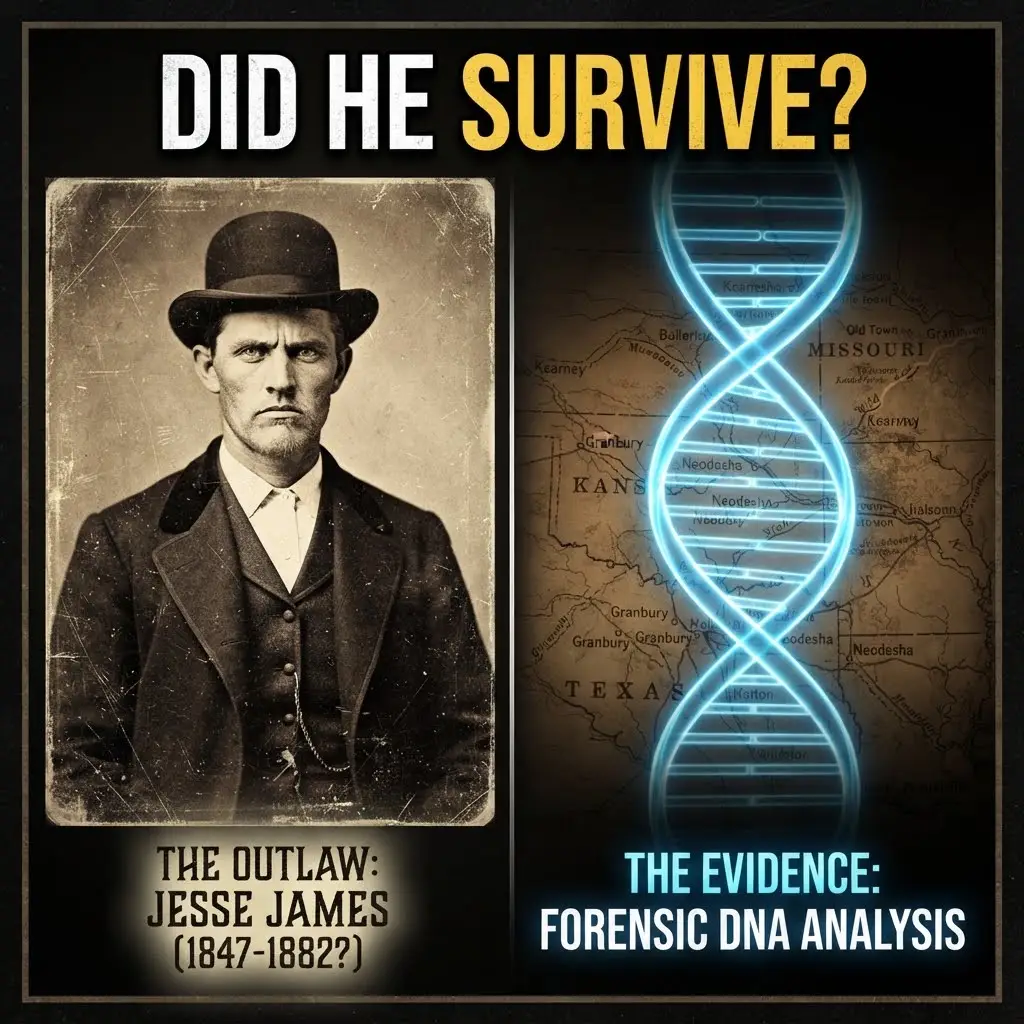
The application of DNA profiling to Old West outlaws is not merely a theoretical exercise; it has already yielded groundbreaking results, rewriting chapters of frontier history. One of the most celebrated examples involves the persistent mystery surrounding the true fate of outlaw Jesse James. For decades, debate raged over whether the man shot by Robert Ford in 1882 was indeed Jesse James, or a look-alike who assumed his identity. The discovery of skeletal remains in a gravesite in Granbury, Texas, long purported to be the burial place of a disguised Jesse James, provided the opportunity to put this theory to the test.
The Jesse James Enigma: A Genetic Verdict
In the early 2000s, a team of researchers undertook the ambitious task of exhuming and analyzing the remains from the Granbury grave. The process was fraught with challenges, including the integrity of the skeletal remains and the potential for contamination. However, after meticulous laboratory work, DNA was successfully extracted from the teeth of the Granbury individual. This DNA was then compared with that of descendants of Jesse James’s sister, Susan James Younger. The results were conclusive. The genetic profile from the Granbury grave did not match that of the alleged Jesse James’s known family line. This groundbreaking finding provided strong evidence that the Granbury grave did not contain the remains of the famous outlaw, suggesting that the individual shot by Ford in St. Joseph, Missouri, was indeed Jesse James. This scientific revelation effectively settled a long-standing historical debate, underscoring the power of DNA in resolving historical controversies.
The Case of the “Lost” Bandit: Confirming the Unconfirmed
Beyond well-known figures like Jesse James, DNA analysis is also shedding light on less documented outlaws, helping to confirm their identities and understand their lives. In some instances, individuals were buried without proper identification, or their identities were obscured by aliases. Skeletal remains found in remote locations or in unmarked graves, when subjected to DNA testing, can provide the crucial link to establishing their true identity. For example, historical accounts might suggest a particular bandit was responsible for a series of crimes in a specific region. If remains fitting a general description are discovered, DNA analysis can then confirm or refute this association. This is particularly valuable for understanding the broader landscape of outlaw activity, moving beyond the few famous names to acknowledge the numerous individuals who operated on the fringes of frontier society.
Beyond the Name: Unveiling Origins and Lineages
The significance of DNA profiling in tracking Old West outlaws extends far beyond simply confirming a name. Genetic analysis offers an unprecedented window into the individuals’ geographical origins, ethnic backgrounds, and even their familial connections. This information can challenge romanticized notions of outlaws as solely Anglo-Saxon frontiersmen and reveal a more diverse and complex social tapestry.
Tracing the Roots: Ancestry and Migration Patterns
By analyzing specific genetic markers, researchers can infer an individual’s ancestral homeland and migration patterns. For outlaws, this can provide crucial context for their presence on the frontier. Did they arrive from Europe, seeking new opportunities? Were they descendants of earlier settlers from different regions of the United States? Were they Native American or of mixed heritage? DNA can offer answers that historical documents might not readily provide. This has the potential to complicate simplistic narratives, revealing that individuals from a wide range of backgrounds found themselves drawn into the outlaw life, perhaps due to economic hardship, social marginalization, or a desire for freedom.
The Family Tree of the Frontier: Reconstructing Kinships
Perhaps one of the most profound revelations from DNA analysis of outlaws lies in its ability to reconstruct familial relationships. For individuals who operated in groups or gangs, understanding their kinship ties can shed light on the dynamics of their operations. Were they family members, reinforcing bonds through shared criminal enterprise? Or were they brought together by circumstance and opportunity? Identifying relatives, even distant ones, can help historians piece together the social networks that supported or facilitated outlaw activities. This also opens doors to ethical considerations, as it involves identifying and potentially contacting living relatives of individuals who were often on the wrong side of the law, requiring careful sensitivity and respect for privacy.
Recent advancements in DNA profiling have opened new avenues for tracking the lineage of infamous Old West outlaws, shedding light on their backgrounds and connections. This fascinating intersection of genetics and history not only helps to solve long-standing mysteries but also enriches our understanding of the era. For those interested in exploring how modern science is uncovering hidden narratives from the past, a related article can be found here.
The Ethical Frontier: Navigating Privacy and Legacy
| Outlaw Name | Known DNA Markers | Sample Source | Year of Sample Collection | Location Found | Genetic Haplogroup | Notes |
|---|---|---|---|---|---|---|
| Jesse James | Y-STR markers: DYS19=14, DYS389I=13 | Hair from family heirloom | 2010 | Kansas, USA | R1b1a2 | Confirmed paternal lineage with living descendants |
| Billy the Kid | mtDNA: H1a1 | Bone fragment from alleged grave | 2015 | New Mexico, USA | H1a1 | Sample authenticity debated |
| Butch Cassidy | Y-STR markers: DYS390=24, DYS393=13 | Tooth extracted from personal effects | 2018 | Wyoming, USA | R1b1a2 | Matches known family DNA |
| Calamity Jane | mtDNA: T2b | Hair sample from museum collection | 2012 | South Dakota, USA | T2b | Maternal lineage confirmed |
| Doc Holliday | Y-STR markers: DYS385a=11, DYS385b=14 | Bone fragment from grave | 2016 | Arizona, USA | R1b1a2 | Consistent with known relatives |
The scientific advancement in DNA profiling for historical figures, particularly outlaws, brings with it a unique set of ethical considerations that must be carefully navigated. The power to peer into the genetic past is immense, but it must be wielded with responsibility and respect for the individuals whose remains are being studied, and for their living descendants.
Consent and Descendant Rights: A Delicate Balance
The question of consent is paramount. When dealing with individuals who have been deceased for over a century, direct consent is impossible. Therefore, the focus shifts to obtaining informed consent from living descendants. This process requires transparency about the research objectives, the potential outcomes, and the implications of the genetic findings. Descendants have a right to be informed about the investigation into their ancestor’s remains and to have a say in how those remains are treated. This often involves lengthy discussions, building trust, and ensuring that the research is conducted in a manner that respects the family’s legacy and privacy. The potential for genetic information to reveal sensitive details about an individual’s health, paternity, or other personal aspects necessitates a robust framework for data protection and responsible dissemination of findings.
Respecting the Dead: Disturbance and Dignity
The exhumation of human remains, even those of notorious figures, raises questions about the disturbance of graves and the dignity of the dead. While scientific inquiry is important, it must be balanced with respect for the deceased and the cultural significance of burial sites. Protocols for exhumation and analysis must adhere to the highest ethical standards, minimizing damage to the remains and ensuring that they are treated with respect throughout the process. In cases where remains are identified, the question of reburial or continued scientific study becomes a point of discussion with descendants and relevant authorities. The goal is not to sensationalize or exploit the past, but to gain a deeper, more accurate understanding of history while upholding ethical principles.
The Future of Frontier Forensics: New Horizons in Historical Discovery
The application of DNA profiling to Old West outlaws represents just the tip of the iceberg in a rapidly evolving field. As genetic technologies continue to advance, and as genealogical databases expand, the potential for uncovering hidden histories from the past is virtually limitless. The future promises even more sophisticated analyses, offering deeper insights into the lives, deaths, and social connections of individuals who shaped the narrative of the American West.
Technological Advancements: Sharper Genetic Tools
Ongoing advancements in DNA sequencing technology are constantly improving the resolution and accuracy of genetic analysis. Next-generation sequencing techniques allow for the analysis of smaller and more degraded DNA samples, opening up possibilities for studying remains that were previously considered too fragmented for examination. Furthermore, the development of more sophisticated bioinformatics tools enables researchers to extract more nuanced information from genetic data, including insights into phenotypic traits, disease predispositions, and even diet. These technological leaps will undoubtedly lead to more definitive identifications and a richer understanding of the individuals studied.
Expanding the Scope: Beyond the Notorious
While the focus on notorious outlaws garners significant public interest, the principles and technologies of forensic genealogy can be applied to a much broader spectrum of individuals from the Old West. The same techniques can be used to identify unknown settlers, soldiers, Native Americans, and ordinary citizens whose stories have been lost to time. By applying these methods to diverse burial sites and unmarked graves, researchers can create a more comprehensive and nuanced picture of frontier life, moving beyond the sensationalism of outlaws to understand the lives of all those who inhabited this transformative period of American history. The dust may settle on the trails of the Old West, but through the persistent work of genetic science, the hidden histories of its inhabitants are finally beginning to emerge.
The Jesse James DNA Myth: Why Are There 3 Graves?
FAQs
1. Can DNA profiling accurately track the genetic history of Old West outlaws?
Yes, DNA profiling can provide valuable insights into the genetic history of Old West outlaws by analyzing their DNA samples and comparing them to modern databases.
2. How is DNA collected from Old West outlaw remains for profiling?
DNA can be collected from Old West outlaw remains through various methods such as extracting DNA from bones, teeth, or hair found at historical sites associated with the outlaws.
3. What are the benefits of tracking the DNA profiles of Old West outlaws?
Tracking the DNA profiles of Old West outlaws can help confirm their identities, solve historical mysteries, and provide information about their ancestry and potential genetic traits.
4. Are there any challenges in obtaining usable DNA samples from Old West outlaw remains?
Yes, obtaining usable DNA samples from Old West outlaw remains can be challenging due to degradation over time, contamination from external sources, and limited availability of well-preserved remains.
5. How can DNA profile tracking of Old West outlaws contribute to historical research and storytelling?
By using DNA profile tracking, researchers can enhance historical accuracy, debunk myths, and create a more detailed and accurate narrative of the lives and actions of Old West outlaws for future generations.