Echoes in the Ice: Unraveling the Ancient Tundra Narrative
The vast, windswept plains of the Arctic tundra, a landscape often perceived as stark and unchanging, hold within their frozen depths the secrets of millennia. For prehistoric humans, this seemingly inhospitable environment was a vibrant larder, a source of sustenance and survival. Central to their existence was the great annual migration of reindeer (Rangifer tarandus), a phenomenon that shaped human settlement patterns, technological innovation, and cultural practices for countless generations. Tracking these ancient hunters and their quarry requires a unique blend of archaeological deduction, paleoenvironmental reconstruction, and modern scientific techniques, allowing us to piece together a narrative etched in stone, bone, and the very fabric of the permafrost. The story of prehistoric hunters and the tundra reindeer migration is not merely an academic pursuit; it is a profound glimpse into the ingenuity and resilience of our ancestors, their intricate relationship with the natural world, and the enduring legacy of a truly remarkable migratory species.
The study of tundra reindeer migration offers fascinating insights into the adaptive strategies of prehistoric hunters who tracked these animals for sustenance. Similar to how Polynesian navigators utilized the stars and ocean currents for their journeys, these ancient hunters developed intricate knowledge of the landscape and animal behavior to optimize their hunting practices. For a deeper understanding of navigation techniques used by different cultures, you can explore the article on Polynesian wayfinding, which highlights the remarkable skills of these navigators in the Pacific. To read more, visit Navigating the Seas: Polynesian Wayfinding Explained.
The Reindeer’s Ancient March: A Lifeline of the North
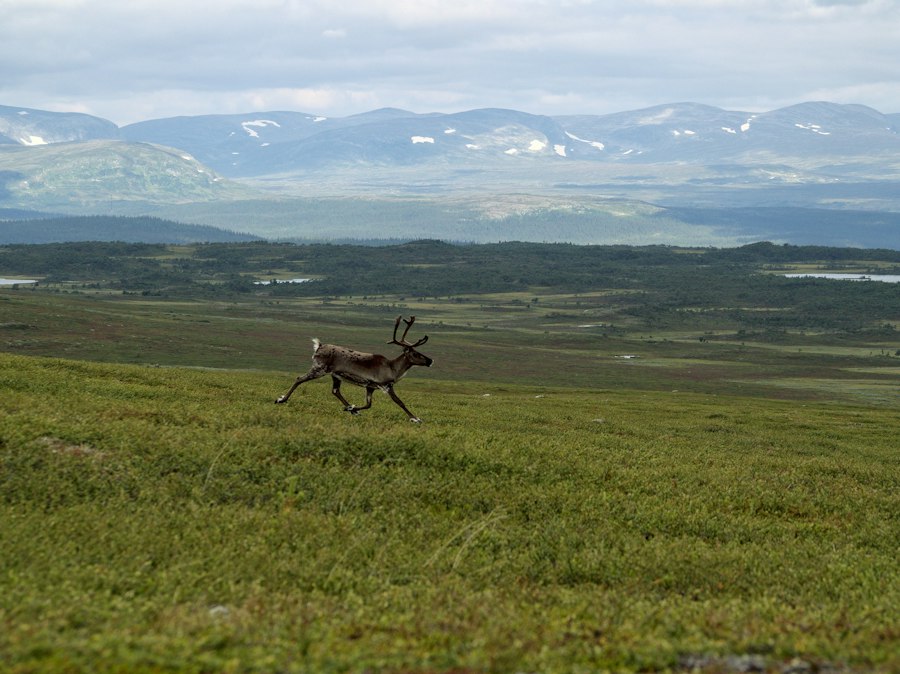
The reindeer, often referred to as caribou in North America, is the cornerstone of the Arctic ecosystem. Its migratory cycle, dictated by the rhythms of the seasons and the availability of food, has been a constant for tens of thousands of years. For early human populations, this annual movement was not just an ecological event; it was a predictable and vital resource. Understanding the drivers and patterns of this migration is fundamental to understanding the lives of the people who depended upon it.
Seasonal Rhythms and Food Scarcity
The tundra’s extreme seasonality plays a critical role in shaping reindeer behavior. Winters are long, harsh, and characterized by deep snow cover, limiting the availability of lichen, the reindeer’s primary winter food source. As spring approaches, snowmelt exposes new growth of grasses, sedges, and forbs, prompting the herds to move towards more productive pastures. Conversely, summer brings mosquitoes and other biting insects, forcing the reindeer to seek higher ground or windy areas where these pests are less bothersome. This continuous flux between scarce winter resources and abundant summer feeding grounds necessitates a remarkable migratory instinct, often covering hundreds of kilometers annually. These movements are not random; they are honed by generations of adaptation to specific geographical features, prevailing winds, and the predictable emergence of vegetation.
Herd Dynamics and Predictability
The sheer scale and predictable nature of reindeer herds offered prehistoric hunters a concentrated and relatively accessible food source. While individual reindeer are agile and adept at evading predators, large herds present a different challenge and opportunity. The annual calving grounds, often located in specific, sheltered valleys or elevated plateaus, become magnets for predators, including humans. Similarly, the rutting season, when males become more aggressive and focused on mating, can lead to increased vulnerability. Prehistoric hunters likely developed sophisticated strategies to predict these herd movements, observing subtle environmental cues and the behavior of the animals themselves. This predictability allowed for the planning of hunts, the establishment of seasonal camps, and the development of specialized hunting techniques.
The Reindeer’s Ecological Role
Beyond their direct value to humans, reindeer play a crucial role in shaping the tundra landscape. Their grazing habits influence vegetation composition, and their trampling can alter soil structure. This intricate ecological relationship means that the health and abundance of reindeer populations directly impacted the overall health and productivity of the tundra environment, further emphasizing their importance as a keystone species for early human survival. Understanding this broader ecological context is essential for appreciating the full scope of the human-reindeer interdependence.
Archaeological Traces: Footprints in Time
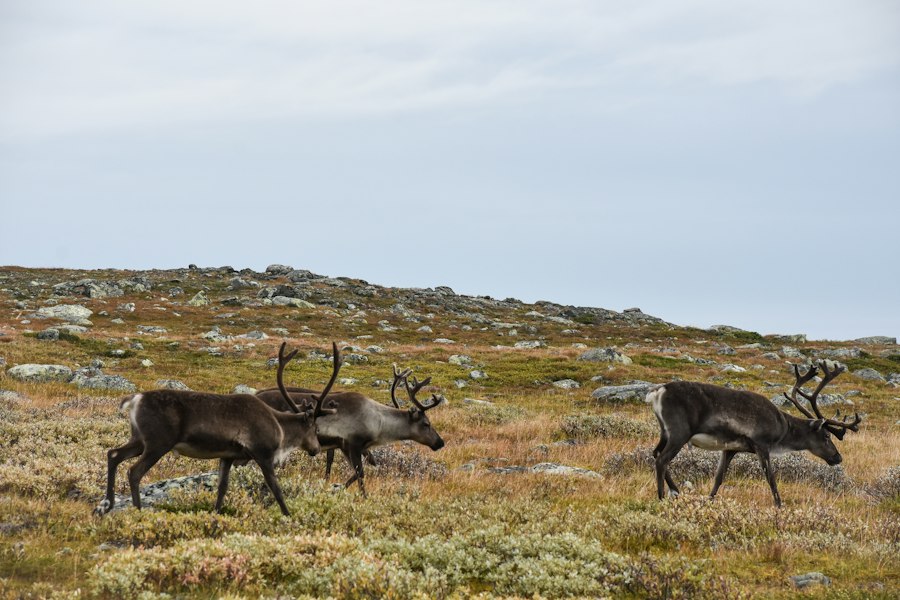
The archaeological record provides the most direct evidence of prehistoric human interaction with reindeer. From stone tools to skeletal remains, artifacts unearthed from tundra sites offer tangible insights into hunting strategies, diet, and the organization of human societies.
Hunting Technologies and Strategies
The tools left behind by prehistoric hunters speak volumes about their ingenuity and adaptation to the Arctic environment. Spear points, finely crafted from stone, bone, or antler, were likely used for both direct confrontation and for throwing from a distance. The development of the atlatl, or spear-thrower, would have significantly increased the range and power of these projectile weapons, allowing hunters to engage larger herds from a safer distance. Traps, such as pitfall traps or corrals, may also have been employed, particularly in areas where herd movements were funneled through narrow passes. The evidence for specialized arrowheads, designed to penetrate thick hides and muscle, suggests a refinement of hunting techniques over time. Furthermore, the discovery of large quantities of reindeer bones at kill sites, often with cut marks indicating butchery, provides irrefutable proof of their dietary significance.
Kill Sites and Butchery Practices
Identifying and analyzing kill sites is a cornerstone of understanding prehistoric hunting. These locations, often characterized by a high concentration of animal bones and discarded tools, represent moments of intense human activity. The pattern of bone breakage and the presence of cut marks can reveal how carcasses were processed, what parts were consumed, and how hides and other useful materials were utilized. For example, finding numerous femurs with broken ends suggests marrow extraction, a valuable source of fat and calories. The systematic dismemberment of carcasses at kill sites indicates efficient utilization of every part of the animal, reflecting a deep understanding of resource management and a commitment to minimizing waste. These practices highlight a sophisticated knowledge of reindeer anatomy and the most effective ways to process them for long-term survival.
Campsites and Settlement Patterns
The location of human campsites often correlates with predictable reindeer migration routes. Archaeological surveys have revealed seasonal encampments situated strategically to intercept herds moving to or from their wintering grounds or calving areas. These sites provide evidence of domestic life, including hearths, sleeping areas, and refuse pits, offering a glimpse into the daily routines of these hunter-gatherer groups. The size and duration of occupation at these campsites can also infer the size of the hunting parties and the extent of their reliance on reindeer. The discovery of artifacts indicating longer-term occupation, such as bone needles for sewing hides or grinding stones for processing plant materials, suggests that these hunting expeditions were not solely about immediate sustenance but also about gathering resources for extended periods and for manufacturing essential goods. The distribution of these campsites across the landscape provides crucial data for reconstructing prehistoric human mobility and their territorial range.
Environmental Reconstruction: Reading the Tundra’s Diary
To truly understand the context of prehistoric reindeer hunting, it is crucial to reconstruct the ancient environment. Paleoenvironmental studies, utilizing techniques such as ice core analysis, pollen studies, and sediment analysis, provide a detailed picture of past climates, vegetation, and landscape changes, revealing the conditions under which both reindeer and humans thrived or struggled.
Paleoclimate and Vegetation Shifts
The Arctic has experienced significant climatic fluctuations throughout prehistory. Ice cores, drilled from glaciers and ice sheets, act as invaluable archives of past atmospheric conditions, trapping air bubbles that reveal past levels of greenhouse gases, volcanic ash, and even the presence of ancient dust. These records, combined with pollen analysis from lake sediments and peat bogs, allow scientists to reconstruct past vegetation types and densities. A rise in certain grass pollen, for instance, indicates a more open, tundra-like environment suitable for grazing reindeer. Conversely, an increase in arboreal pollen suggests the presence of forests further south, implying cooler conditions and different migratory patterns. Understanding these shifts is crucial for understanding the availability of grazing lands and the potential for human habitation.
Landscape Dynamics and Resource Availability
Changes in climate directly influenced the tundra landscape. Glacial advance and retreat, permafrost stability, and river systems all played a role in shaping the terrain and, consequently, the distribution of reindeer herds. For example, periods of warmer, wetter climates might have led to increased shrubification, potentially altering grazing areas. Conversely, colder, drier periods could have resulted in more open grasslands. The availability of freshwater sources, often dictated by the freeze-thaw cycles of permafrost and the presence of glacial meltwater, would also have influenced both reindeer movements and human settlement choices. Archaeological evidence, such as the presence of specific tool types or settlement locations, can be interpreted in light of these reconstructed environmental conditions, providing a more nuanced understanding of human adaptation.
The Impact of Sea Level Changes
While seemingly distant from reindeer migration, changes in sea level have also indirectly impacted the tundra environment and human populations. During glacial periods, lower sea levels exposed land bridges, allowing for the migration of both animals and humans across continents. Conversely, during interglacial periods, rising sea levels inundated coastal areas, potentially altering terrestrial habitats and human access to certain resources. The study of ancient shorelines and the dating of coastal archaeological sites can help to understand how these large-scale environmental shifts influenced the movements and opportunities of prehistoric peoples and their reindeer prey.
The fascinating study of tundra reindeer migration offers valuable insights into the tracking methods used by prehistoric hunters, revealing how these early peoples adapted to their environment. Understanding the patterns of reindeer movement not only sheds light on ancient survival strategies but also connects to modern discussions about resource management and economic stability. For instance, an article on protecting your finances during uncertain times can be found here, which emphasizes the importance of strategic planning in both personal and environmental contexts. By examining the past, we can better navigate the challenges of the present and future.
Modern Science Meets Ancient Hunters: Unlocking New Insights
| Metric | Description | Value/Estimate | Source/Period |
|---|---|---|---|
| Migration Distance | Average annual migration distance of tundra reindeer | 300-500 km | Prehistoric to modern observations |
| Migration Timing | Typical months for migration start and end | Spring: April-May, Autumn: September-October | Ethnographic and archaeological records |
| Group Size | Average size of migrating reindeer herds | Hundreds to thousands | Prehistoric hunter-gatherer accounts |
| Tracking Techniques | Methods used by prehistoric hunters to track reindeer | Footprint analysis, landscape knowledge, seasonal patterns | Archaeological and ethnographic studies |
| Hunting Success Rate | Estimated success rate of prehistoric hunters tracking migrating reindeer | 30-50% | Ethnographic analogies and archaeological evidence |
| Reindeer Population Density | Estimated density of tundra reindeer in migration corridors | 5-15 individuals per square km | Ecological reconstructions |
| Seasonal Habitat Use | Preferred tundra habitats during migration | Open tundra plains, river valleys | Prehistoric environmental reconstructions |
Contemporary scientific advancements have revolutionized our ability to track and understand prehistoric human-reindeer interactions. From advanced dating techniques to isotopic analysis of ancient remains, these tools provide unprecedented levels of detail.
Radiocarbon Dating and Chronological Frameworks
Radiocarbon dating, a technique that measures the decay of the radioactive isotope carbon-14, is indispensable for establishing chronological frameworks for archaeological sites. By dating organic materials found alongside artifacts, such as bone fragments, charcoal from hearths, or preserved plant matter, researchers can determine the age of a site and, by extension, the period during which reindeer hunting was practiced. This allows for the construction of timelines, revealing patterns of migration, settlement shifts, and technological developments over thousands of years. The refinement of radiocarbon dating techniques, including accelerator mass spectrometry (AMS) dating, allows for the dating of even minute samples, opening up new possibilities for analyzing highly fragmented remains.
Isotopic Analysis: Diet and Mobility Clues
Isotope analysis of ancient human and animal remains offers a powerful window into diet and mobility. By examining the ratios of stable isotopes, such as carbon, nitrogen, oxygen, and strontium, found in teeth and bones, scientists can infer what individuals ate and where they lived. For example, a high ratio of carbon-13 to carbon-12 in human remains can indicate a diet rich in terrestrial plants, while a higher nitrogen-15 ratio suggests the consumption of animal protein. Strontium isotope analysis, in particular, can reveal geographic origins, as the strontium signature of rocks and soils varies geographically. If an individual’s strontium isotope signature differs from the local bedrock, it suggests they migrated from another region. Applying these techniques to both human and reindeer remains from the same sites can reveal direct connections and patterns of movement.
Ancient DNA and Population Genetics
The burgeoning field of ancient DNA (aDNA) analysis is providing revolutionary insights into the genetic makeup of past populations. By extracting and sequencing DNA from fossilized remains, researchers can identify genetic markers that reveal population ancestry, migration patterns, and relationships between ancient and modern groups. Applying aDNA analysis to both prehistoric humans and reindeer can help to map ancient migration routes, identify distinct populations, and even trace the domestication of reindeer, if applicable to the specific time period and region. This genetic evidence, when combined with archaeological and paleoenvironmental data, offers a more holistic understanding of the complex interplay between humans, animals, and their environment. The potential to reconstruct entire genomes from ancient samples opens up a universe of possibilities for understanding evolutionary histories and adaptation.
The fascinating study of tundra reindeer migration offers valuable insights into the tracking methods used by prehistoric hunters, revealing how they adapted to the harsh Arctic environment. Researchers have uncovered evidence that these early humans relied on their deep understanding of animal behavior and seasonal patterns to follow the herds. For those interested in the broader implications of migration and movement in human history, there is an intriguing article that discusses the complexities of navigating border disputes, which can be seen as a modern reflection of the challenges faced by ancient peoples. You can read more about this topic in the article navigating border disputes.
The Enduring Legacy: Lessons from the Tundra’s Past
The study of prehistoric reindeer hunters is more than an academic exercise; it offers profound lessons about human adaptation, resourcefulness, and our interconnectedness with the natural world. The insights gained from these ancient narratives resonate with contemporary challenges.
Resilience and Adaptation in Extreme Environments
The success of prehistoric humans in the Arctic tundra is a testament to their remarkable resilience and adaptive capacity. They not only survived but thrived in a challenging environment by developing sophisticated hunting strategies, intricate social structures, and a deep understanding of the natural world. Their ability to exploit a migratory species like the reindeer, with all its seasonal variations and potential dangers, highlights a level of ingenuity that continues to inspire. This ancient adaptation to extreme environments offers valuable lessons for understanding human behavior in the face of modern environmental change.
Sustainable Resource Management
The apparent sustainability of prehistoric hunting practices, as evidenced by the long-term presence of human populations in the Arctic, suggests a profound respect for and understanding of resource limitations. Their reliance on the predictable cycles of reindeer migration, coupled with what appears to be efficient utilization of every part of the animal, points towards a model of resource management that prioritized long-term survival over short-term gain. This contrasts with many modern exploitative practices and offers a compelling case study for more sustainable approaches to resource utilization in the present day. The careful observation and understanding of herd dynamics likely prevented overhunting, ensuring the continued availability of this vital resource.
The Human-Animal Bond in Prehistory
The relationship between prehistoric humans and reindeer was far more than a simple predator-prey dynamic. It was a complex interdependence that shaped human culture, belief systems, and daily life. The reindeer provided not only food and clothing but also acted as a catalyst for social organization, technological innovation, and the development of intricate knowledge systems passed down through generations. Understanding this deep-seated bond offers a glimpse into a more harmonious relationship with the natural world, one that has been largely eroded in modern societies. The stories and myths that likely emerged from this close relationship, though not directly preserved, can be inferred from the archaeological evidence and the enduring importance of the reindeer in Arctic cultures.
The echoes of these ancient hunters and their relentless pursuit of the migrating reindeer continue to whisper across the frozen landscapes of the tundra. By piecing together the fragments of the past, through the careful excavation of archaeological sites, the meticulous reconstruction of ancient environments, and the application of cutting-edge scientific techniques, we gain a deeper appreciation for the enduring spirit of human innovation and our profound connection to the natural world. The story of the tundra reindeer migration is a timeless narrative of survival, adaptation, and the intricate dance between humanity and the wild.

Beneath the Ice: Surviving the Ice Age 20,000 Years Ago
FAQs
What is the significance of tundra reindeer migration in prehistoric times?
Tundra reindeer migration in prehistoric times was crucial for the survival of early human populations as they relied on hunting these animals for food, clothing, and tools.
How did prehistoric hunters track tundra reindeer during migration?
Prehistoric hunters tracked tundra reindeer during migration by observing their movements, following their trails, and understanding their behavior patterns to anticipate their next location.
What tools or techniques did prehistoric hunters use to track tundra reindeer migration?
Prehistoric hunters used various tools and techniques such as tracking skills, knowledge of the terrain, observation of animal behavior, and possibly even early forms of communication to coordinate their hunting efforts.
Were there specific seasons or times of the year when tundra reindeer migration was more predictable?
Yes, tundra reindeer migration was more predictable during certain seasons such as the spring and fall when the animals moved between their winter and summer grazing grounds, making it easier for prehistoric hunters to anticipate their movements.
How did tundra reindeer migration impact the cultural practices of prehistoric human societies?
Tundra reindeer migration played a significant role in shaping the cultural practices of prehistoric human societies, influencing their hunting techniques, social organization, and spiritual beliefs related to the natural world and animal life cycles.