Unveiling Ancient Landscapes Through Migratory Footprints
The sprawling, often unforgiving, expanses of the prehistoric tundra, a biome characterized by permafrost, low-growing vegetation, and extreme seasonal variations, held an undeniable allure for early human populations. These vast territories, teeming with life adapted to harsh conditions, provided essential resources for survival. Among the most significant of these were the large herbivore herds that traversed these landscapes, their movements dictating human settlement patterns, hunting strategies, and migratory routes. The study of reindeer, in particular, offers a unique window into the dynamics of prehistoric tundra ecosystems and the intricate relationship between humans and their environment. By analyzing the migratory behavior of modern reindeer herds, researchers can extrapolate crucial insights into the past, piecing together a narrative of ancient human adaptation, resource utilization, and the very fabric of prehistoric life.
The tundra, a biome that encircles the Arctic regions of North America, Europe, and Asia, has been a persistent feature of Earth’s landscape for millennia, undergoing climatic shifts and geological transformations. Its relatively simple vegetation structure, dominated by mosses, lichens, sedges, and dwarf shrubs, supports a surprisingly rich fauna, with reindeer (also known as caribou in North America) emerging as a keystone species. Their immense migratory journeys, spanning hundreds or even thousands of kilometers, are driven by the relentless pursuit of food, the avoidance of predators, and the need to find suitable calving grounds and winter pastures. These predictable yet vast movements created dynamic corridors of resource availability, profoundly influencing the lifeways of the prehistoric peoples who coexisted with them. Understanding these movements, therefore, is not merely an academic exercise in zoology; it is a fundamental step in reconstructing the human story of the prehistoric tundra.
The Enduring Significance of Reindeer Herds in Prehistoric Societies
Reindeer were far more than just a food source for prehistoric tundra dwellers. Their hides provided clothing and shelter materials, their bones and antlers were fashioned into tools and weapons, and their very presence shaped cultural beliefs and spiritual practices. The annual cycle of reindeer migration was a calendrical marker, influencing social gatherings, the timing of hunts, and the rhythm of daily life. Consequently, the ability of human groups to predict, follow, and exploit these movements was a critical factor in their long-term survival and success in these challenging environments. The intricate relationship between humans and reindeer herds in prehistoric times serves as a powerful testament to the adaptive ingenuity of our ancestors.
The migratory patterns of reindeer are complex and are influenced by a confluence of environmental factors. These include the availability of nutritious forage, the presence of insects and parasites that can become unbearable during warmer months, snow depth and ice crust formation which can impede access to winter food, and the need to escape predation. Understanding these drivers is paramount to deciphering the routes taken by ancient herds and, by extension, the landscapes frequented by prehistoric human populations. The archaeological record, when interpreted in light of modern ecological understanding, can reveal the deep historical connection between human settlements and reindeer migration routes.
Recent studies on reindeer herds have provided fascinating insights into the tracking of prehistoric tundra, revealing how these animals adapted to changing climates over millennia. This research not only sheds light on the ecological dynamics of the Arctic but also connects to broader historical narratives, such as the construction techniques used in ancient civilizations. For an intriguing exploration of ancient engineering, you can read about the massive stones of Baalbek in this related article: The Mystery of Baalbek’s Massive Stones.
Reconstructing Ancient Migration Routes: A Comparative Approach
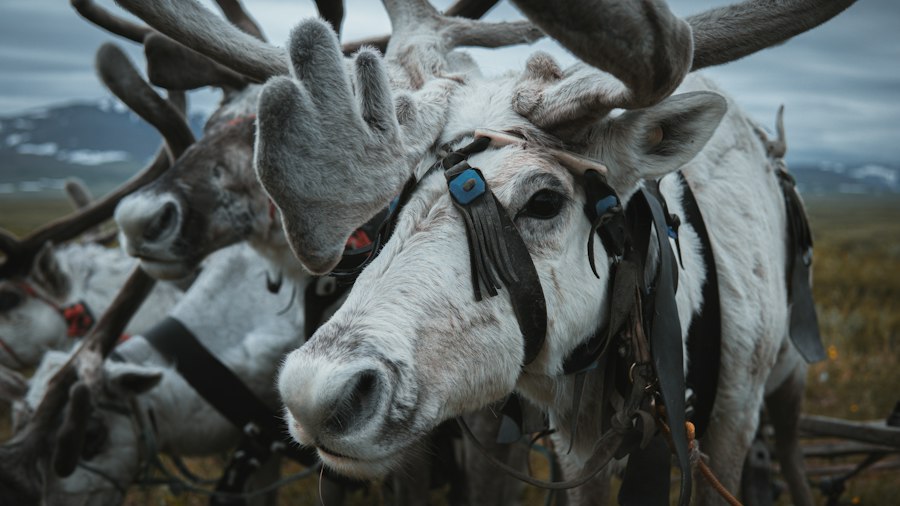
The study of prehistoric tundra environments and the human societies that inhabited them is intrinsically linked to understanding the movement of large animal populations. Among these, reindeer herds have consistently played a pivotal role, their predictable migrations dictating human settlement patterns, hunting strategies, and resource exploitation. Researchers employ a comparative approach, drawing parallels between the observed movements of modern reindeer and the archaeological evidence left behind by their prehistoric counterparts. This method allows for the reconstruction of ancient migration routes, providing invaluable insights into the spatial dynamics of prehistoric life and the profound influence of these nomadic herbivores on human culture and survival.
Correlating Modern Herd Behavior with Archaeological Evidence
Modern reindeer, both wild and semi-domesticated, exhibit distinct migratory behaviors dictated by seasonal changes and resource availability. These animals undertake vast journeys, often covering hundreds of kilometers, to access optimal foraging grounds, escape insect harassment, and find suitable calving areas. For instance, populations in the Arctic regions of North America, such as the barren-ground caribou, undertake some of the longest terrestrial migrations known. Their routes are influenced by factors like the timing of snowmelt, the abundance of lichens and sedges, and the presence of predators. Understanding these contemporary patterns serves as a crucial baseline for interpreting the past.
Archaeological evidence, on the other hand, paints a picture of past human-animal interactions. This evidence manifests in various forms: the distribution of lithic scatters and tool production sites along suspected migration corridors, the analysis of faunal remains from kill sites and processing areas, and the examination of rock art or portable art that may depict reindeer or hunting scenes. For example, the discovery of large quantities of reindeer bones at specific locations, coupled with evidence of butchery, suggests that these sites were important hunting grounds, likely situated along traditional migration paths. Similarly, the concentration of flint or chert tools in areas known to be summering or wintering grounds for reindeer could indicate human presence coinciding with herd movements.
The integration of these two lines of evidence—modern ecological observation and ancient archaeological remains—allows for the refinement of hypotheses about prehistoric migration routes. If modern reindeer herds consistently utilize a particular valley or mountain pass during their spring migration, and if archaeological surveys reveal a cluster of prehistoric human activity in the same area, it strongly suggests that early humans were opportunistically exploiting the reindeer presence. This overlap in spatial distribution and temporal association forms the bedrock of reconstructing these ancient animal pathways. Furthermore, the specific species of reindeer (e.g., different subspecies or ecotypes) and their varying migratory strategies can be inferred from genetic analysis of ancient bones, adding another layer of detail to our understanding of prehistoric herd dynamics.
Navigational Clues from Landscape Features
Prehistoric reindeer, much like their modern descendants, were constrained and guided by the inherent geography of the tundra. Their migratory routes were not random wanderings but were shaped by the availability of passable terrain, water sources, and natural barriers. Valleys, river systems, coastlines, and mountain passes often served as natural highways for these large herds, channeling their movements in predictable directions. Recognizing these landscape features as navigational aids for both reindeer and the humans who followed them is essential for reconstructing ancient migration corridors.
Researchers meticulously map out these prominent geographical features in the tundra landscape. For instance, expansive river valleys, such as those found in Siberia or Alaska, provide relatively open corridors for movement, often with access to grazing areas on their floodplains. Similarly, mountain ranges can act as significant barriers, forcing herds to seek out lower passes or to follow the foothills, creating predictable routes. Coastlines, particularly during winter when ice may form, can also be utilized as migration routes, offering access to marine resources for humans and potentially different vegetation for reindeer.
When archaeologists identify prehistoric human sites, such as temporary camps or hunting blinds, in close proximity to these natural navigational features, it further solidifies the connection to reindeer movements. A series of campsites discovered along a river valley, for example, could indicate a human strategy of following the reindeer herds as they moved upstream or downstream with the seasons. The presence of specialized hunting tools at these sites, such as projectile points designed for large game, would further support this interpretation. This spatial correlation between human activity, landscape features, and the ecological requirements of reindeer allows for a nuanced reconstruction of how prehistoric peoples navigated and utilized the tundra environment in tandem with the movements of these vital animals.
The Impact of Seasonal Cycles on Herd and Human Strategies

The stark seasonal transitions of the Arctic tundra profoundly influenced both the migratory behavior of reindeer herds and the subsistence strategies of prehistoric human populations. The long, dark, and frigid winters presented significant challenges, while the brief, sun-drenched summers offered a period of relative abundance. Understanding these seasonal cycles is crucial for deciphering the ebb and flow of reindeer movements and, consequently, the dynamic patterns of human adaptation and resource acquisition in these ancient environments.
Winter Survival and Access to Forage
During the harsh winter months, reindeer faced the formidable challenge of accessing adequate nutrition beneath a blanket of snow and ice. Their survival depended on their ability to locate and consume hardy vegetation, primarily lichens and sedges, which often remained buried. Reindeer possess remarkable adaptations for this, including keen senses of smell to detect forage under snow and strong hooves to break through ice crusts. Their migratory movements during winter were often driven by the need to reach areas with less snow accumulation or where ice crust formation was less severe, allowing for easier access to their food sources.
Prehistoric human populations adapted to these winter conditions by closely observing and exploiting reindeer movements. Archaeological evidence suggests that humans would often follow reindeer to their wintering grounds. This allowed them to hunt animals that were already stressed by the limited food availability, potentially making them easier targets. Kill sites from winter periods often reveal the remains of reindeer that had depleted fat reserves, indicating they were hunted during a period of nutritional stress. Furthermore, the location of prehistoric settlements during winter might be found in sheltered valleys or near natural windbreaks, areas that would also have been favored by reindeer seeking respite from the extreme cold and wind.
The procurement of hides during winter was also crucial for human survival, providing essential insulation for clothing and shelters against the brutal Arctic cold. The abundance of reindeer at wintering grounds would have ensured a consistent supply of this vital resource. The development of specialized hunting techniques, such as ambushing animals near water crossings or driving them into natural traps, were likely honed during these challenging winter months, demonstrating a sophisticated understanding of reindeer behavior and the tundra environment.
Summer Grazing and Calving Grounds
The arrival of the brief Arctic summer heralded a period of intense growth for tundra vegetation and a critical time for reindeer reproduction and fattening. As snow melted, new grasses and sedges emerged, providing abundant and nutritious forage. Reindeer would migrate to these productive summer grazing areas, often in vast, open plains or along coastlines, to feed and, for females, to give birth and raise their young. The calving grounds were particularly important, offering access to fresh vegetation and relatively fewer predators.
Prehistoric human groups likewise capitalized on the summer abundance. Archaeological sites from the summer months often show evidence of larger, more permanent or semi-permanent settlements, reflecting a period of relative stability and resource surplus. These settlements were often strategically located near summer grazing areas, allowing for efficient hunting and the processing of large quantities of meat. The discovery of hearths, storage pits, and workshop areas for tool production at these sites indicates a period of increased activity and resource utilization.
The migratory patterns of reindeer during the summer were often characterized by widespread dispersal across vast grazing territories, but they also tended to converge in specific areas for calving. Humans would track these movements, employing different hunting strategies depending on the herd’s density and location. In areas with concentrated herds, communal hunts were likely employed, requiring sophisticated coordination and communication among human groups. The meat and hides acquired during the summer provided a vital store of resources that could be preserved (e.g., through drying or smoking) to sustain populations through the lean winter months. The entire annual cycle of reindeer migration, from the challenges of winter survival to the bounty of summer grazing, thus formed the fundamental rhythm of life for prehistoric tundra dwellers.
Adapting Hunting and Resource Management to Herd Dynamics
The migratory nature of reindeer herds profoundly shaped the hunting strategies and resource management practices of prehistoric human populations inhabiting the tundra. Unlike sedentary societies dependent on localized resources, these early communities had to be highly mobile and adaptable, aligning their activities with the predictable yet vast movements of their primary prey. The archaeological record offers compelling evidence of sophisticated techniques developed to exploit these nomadic herds, demonstrating a deep understanding of reindeer behavior and the tundra ecosystem.
Exploiting Migration Corridors and Crossing Points
The constricted nature of reindeer migration routes, often funneled through valleys, passes, or along coastlines, provided ideal opportunities for prehistoric hunters. These natural bottlenecks, where herds were compelled to travel in predictable patterns, became prime locations for the establishment of hunting camps and the implementation of specialized hunting techniques. Archaeological sites found along these suspected migration corridors often reveal a high density of lithic artifacts, indicating intense human activity during periods of herd passage.
Evidence of specialized hunting strategies at these locations includes the discovery of large concentrations of animal bones, particularly from younger, fatter animals, suggesting successful large-scale hunts. The presence of stone projectile points, often found in association with these faunal remains, points to the use of effective projectile weaponry. Researchers often infer the use of driving techniques, where hunters would use natural features or even coordinated group efforts to steer herds towards kill zones. River crossings also represented critical points for exploitation. Reindeer, particularly during their migrations, often ford rivers, and these crossings would have been predictable locations where large numbers of animals could be intercepted with relative ease.
The archaeological evidence of these exploitation strategies goes beyond mere kill sites. The spatial distribution of campsites along migration routes suggests a pattern of opportunistic encampment, where humans would position themselves to intercept herds as they passed. The types of tools found, such as scrapers for hide processing and awls for sewing, further indicate that these were not just hunting stops but also sites for immediate resource utilization. The successful exploitation of these migration corridors required a deep knowledge of the landscape and the predictable movements of the reindeer, honed over generations of observation and experience.
Seasonal Procurement and Preservation of Resources
The cyclical nature of reindeer migration necessitated sophisticated strategies for the procurement and preservation of resources. Prehistoric tundra dwellers were acutely aware of the seasonal fluctuations in reindeer abundance and fat content, tailoring their hunting efforts accordingly. The summer months, with their long daylight hours and burgeoning vegetation, provided a period of surplus, allowing for the procurement of large quantities of meat and hides.
Archaeological findings often reveal evidence of extensive meat processing at summer camps. This includes the discovery of numerous cut marks on bones, indicating the systematic dismemberment and butchery of carcasses, as well as evidence of drying racks or hearths used for smoking meat. These preservation techniques were crucial for creating a storable food supply that could sustain communities through the lean winter months, when hunting opportunities were more limited and the animals themselves were leaner.
The procurement of hides was equally important. Reindeer hides provided essential clothing, footwear, and materials for constructing shelters, offering vital insulation against the extreme Arctic cold. The sheer volume of hides potentially acquired during peak migration periods would have been substantial, requiring organized labor for tanning and preparation. Evidence of hide scraping tools and awls at archaeological sites underscores the importance of this resource. The ability to effectively procure and preserve resources during periods of abundance, and to strategically hunt during periods of scarcity, was a testament to the remarkable adaptive capabilities of these prehistoric tundra inhabitants, demonstrating a deep understanding of ecological cycles and the importance of long-term resource management.
Recent studies on reindeer herds have provided fascinating insights into the tracking of prehistoric tundra ecosystems, revealing how these animals adapted to climate changes over millennia. For those interested in the broader implications of such findings, an intriguing article discusses the discovery of impossible artifacts that shed light on ancient human interactions with these environments. You can read more about these remarkable discoveries in the article here.
Tracing Human Settlement Patterns and Mobility
| Metric | Description | Value | Unit | Source/Method |
|---|---|---|---|---|
| Herd Size Estimate | Estimated number of reindeer in prehistoric tundra herds | 5,000 – 20,000 | Individuals | Fossil bone assemblages and population modeling |
| Migration Distance | Average seasonal migration distance of reindeer herds | 150 – 300 | km | Isotopic analysis of bone collagen |
| Diet Composition | Percentage of lichens in diet during winter months | 60 – 75 | % | Microwear and stable isotope analysis |
| Population Density | Estimated number of reindeer per square kilometer | 2 – 5 | Individuals/km² | Ecological niche modeling |
| Climate Period | Timeframe of tracked reindeer herd data | Late Pleistocene | Years ago | Radiocarbon dating of fossils |
The migratory patterns of reindeer herds served as a fundamental determinant of prehistoric human settlement patterns and mobility across the vast tundra landscapes. Early human groups were not static entities but were inherently tied to the movements of their primary food source. By analyzing the spatial distribution of archaeological sites in relation to reconstructed reindeer migration routes, researchers can gain invaluable insights into the nomadic lifestyles and adaptive strategies of these ancient populations.
Nomadic Lifestyles and Seasonal Camps
The inherent nomadism of reindeer herds dictated a similar nomadic existence for many prehistoric human groups. These communities were not typically associated with permanent settlements in the modern sense. Instead, their presence in the landscape was characterized by a series of seasonal camps, strategically located to exploit reindeer during different phases of their annual cycle. These camps varied in size and duration, from short-term hunting blinds to more extensive, semi-permanent sites occupied for weeks or even months.
Archaeological evidence for these nomadic lifestyles includes the discovery of relatively ephemeral structures, such as hearths, tool-making areas, and evidence of simple shelters, often found in clusters. The material culture associated with these sites often indicates a focus on portable tools and materials, reflecting the need to move frequently. The absence of large, enduring architectural features in many tundra archaeological contexts further supports the notion of mobile populations. The specific location of these seasonal camps would have been dictated by the predictable movements of reindeer – near wintering grounds, along summer grazing territories, or at critical migration crossing points.
The careful selection of camp locations would have provided access to essential resources beyond just reindeer, such as fresh water, fuel for fires, and sometimes plant-based foods, though the latter were often less significant in the Arctic tundra. The ability to establish and abandon these camps efficiently, and to relocate to new, advantageous positions as the reindeer herds moved, was a critical component of survival in these dynamic environments. This intricate dance between human mobility and animal migration is a hallmark of prehistoric life in the Arctic.
The Interplay of Herd Density and Human Population Distribution
The density and predictability of reindeer herds directly influenced the distribution and size of prehistoric human populations. Areas with abundant and reliably migrating reindeer would have supported larger and more stable human communities, while regions with sparser or less predictable herds would have necessitated smaller, more dispersed groups, or even periods of complete absence.
Archaeological surveys often reveal a correlation between areas with high concentrations of prehistoric sites and regions known to be important for reindeer migration and overwintering. For example, expansive river valleys or sheltered coastal areas that serve as crucial wintering grounds for modern reindeer herds are often found to have a rich archaeological record, indicating sustained human presence and resource exploitation. Conversely, areas with limited reindeer populations might exhibit fewer archaeological sites or evidence of more transient human occupation.
Furthermore, the success of communal hunts, which were likely employed to take advantage of dense herd concentrations, would have fostered social cooperation and potentially contributed to larger group sizes during certain seasons. The archaeological evidence from such large-scale hunting events, such as extensive faunal remains from kill sites, can provide clues about the demographic capabilities of prehistoric human groups in relation to the available reindeer resources. The ebb and flow of human population distribution across the tundra was, therefore, intimately linked to the carrying capacity of the land as dictated by the movements and abundance of its most vital inhabitants – the reindeer.
Insights into Prehistoric Human Ecology and Adaptation
The study of reindeer herd movements in prehistoric tundra environments offers a profound lens through which to examine the ecological strategies and remarkable adaptive capabilities of early human populations. These ancient peoples were not passive observers of their environment but were active participants, intimately intertwined with the rhythms of the tundra and the life cycles of its dominant herbivores. By deciphering the ways in which they tracked, exploited, and coexisted with reindeer, we gain invaluable insights into their resilience, ingenuity, and their deep connection to the natural world.
Technological Innovation Driven by Reindeer Hunting
The demands of hunting large, migratory herds in challenging Arctic environments undoubtedly spurred significant technological innovation among prehistoric tundra dwellers. The need to effectively track, kill, and process reindeer drove the development and refinement of a suite of specialized tools and techniques. The archaeological record provides tangible evidence of this ingenuity, revealing a sophisticated understanding of materials and their applications.
The development of projectile points, crafted from stone such as flint or chert, was crucial for hunting from a distance, minimizing risk to the hunter and allowing for the exploitation of faster-moving prey. The diversity in the shape and size of these points suggests adaptations for different hunting scenarios, from individual stalking of wary animals to communal hunts of larger aggregations. The mastery of hafting techniques, whereby points were securely attached to wooden shafts, further enhanced their effectiveness.
Beyond weaponry, tools for processing reindeer were equally vital. Scrapers, often made from stone or bone, were essential for preparing hides for clothing, shelter, and other uses. Awls, crafted from bone or antler, were used for sewing these hides, creating the durable garments and shelters necessary for survival in the extreme cold. The utilization of reindeer antler and bone for a variety of implements, from needles and harpoons to spear throwers and even decorative items, highlights the complete integration of this animal into the material culture of prehistoric peoples. The very act of tracking and hunting reindeer, therefore, was a powerful catalyst for technological advancement, shaping the material world of these ancient communities.
Understanding the Paleoenvironment Through Animal Behavior
The behavior and distribution of prehistoric reindeer herds serve as a powerful proxy for reconstructing the paleoenvironment of the tundra. By understanding what drove their migrations – food availability, climate, and predator pressures – researchers can infer details about the past ecological conditions that shaped these movements. This approach offers a unique perspective that complements traditional paleoenvironmental methods like pollen analysis or ice core studies.
For instance, if archaeological evidence suggests that prehistoric reindeer were utilizing specific grazing areas that are no longer as productive today, it can indicate significant shifts in vegetation composition and abundance over time. Similarly, if migration routes appear to have been altered compared to modern patterns, it might suggest changes in landscape features, such as the formation or recession of glaciers, or alterations in river courses. The presence of certain lichen species, a staple food for reindeer, in faunal assemblages can also provide direct evidence of past vegetation cover.
Furthermore, the types of associated fauna found alongside reindeer remains can offer clues about the broader ecological community. The presence of arctic foxes, wolves, or other predators that would have interacted with reindeer herds can provide a more complete picture of the prehistoric food web. By meticulously studying the fossilized remains of reindeer and their associated archaeological contexts, researchers can effectively “read” the landscape through the eyes of these ancient animals, reconstructing a vivid and dynamic portrait of the prehistoric tundra ecosystem and the environmental pressures that shaped the lives of both reindeer and the humans who depended upon them.
