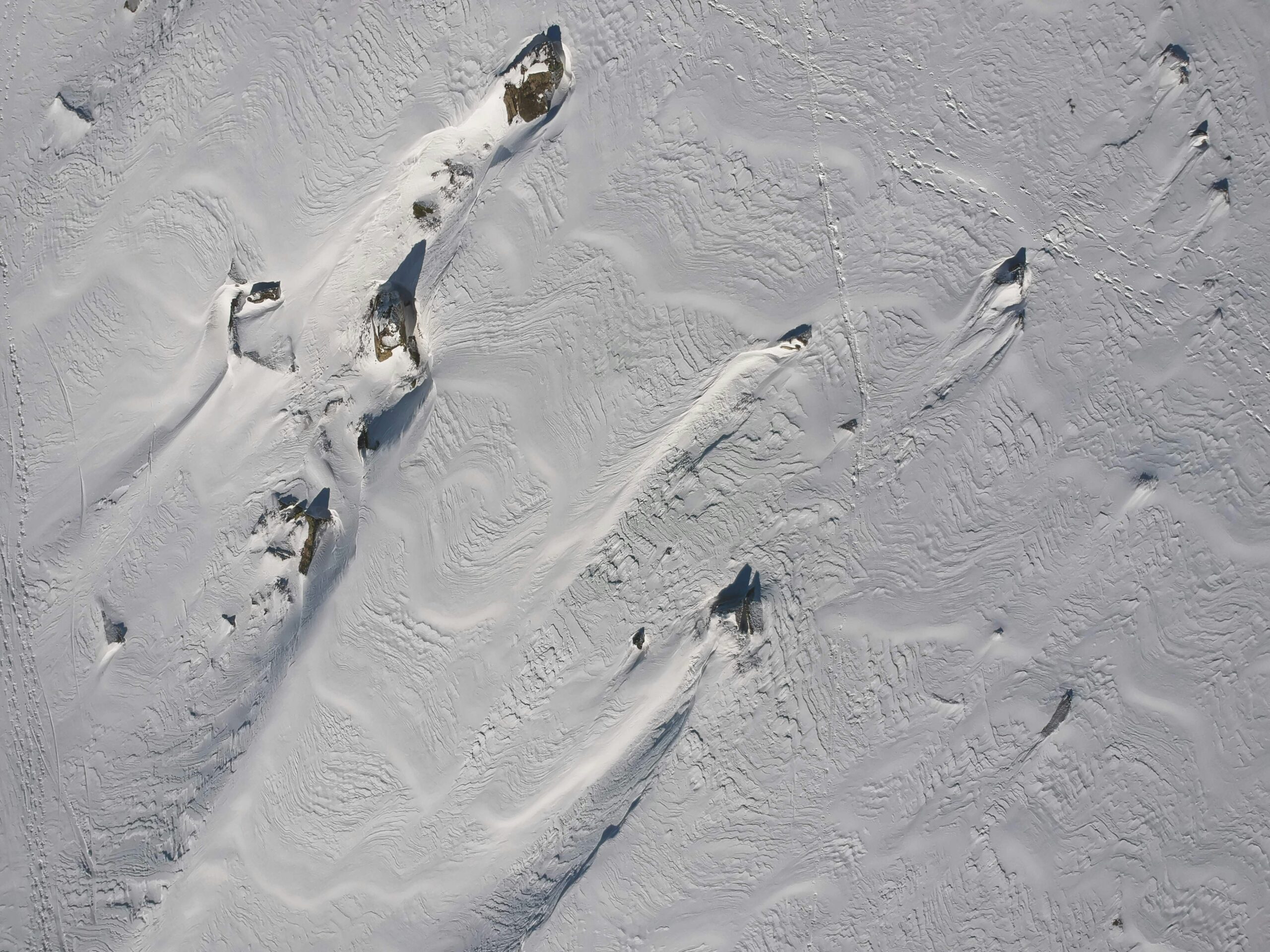
Tracking Prehistoric Wild Animals in Ancient Snowy Landscapes
Whispers in the Ice: Uncovering Prehistoric Trackways
The ancient world, often conjuring images of sun-baked plains and verdant forests, also harbored vast, untamed expanses blanketed in snow. In these frigid realms, life persisted, adapting to the harsh realities of glacial epochs. For paleontologists and paleoecologists, these frozen landscapes offer a unique, albeit challenging, window into the past, allowing them to trace the movements of prehistoric wild animals through the ephemeral medium of snow. Imagine a frozen tableau, a momentary imprint left by a mammoth, a saber-toothed cat, or even a pack of dire wolves, preserved for millennia by subsequent snowfall and ice. These tracks, often dismissed as mere geological curiosities, are, in fact, invaluable narratives, whispering stories of survival, predation, and migration across the Pleistocene continents.
The very nature of snow as a substrate for tracking is both its strength and its weakness. Delicate and transient, it requires a specific set of environmental conditions to preserve impressions. However, when these conditions align, the fidelity of the preserved tracks can be astonishing. The fine grains of snow, when packed and then partially melted and refrozen, can create casts that capture intricate details of an animal’s foot, revealing the shape of its digits, the texture of its pads, and even the presence of claws. This ephemeral medium, therefore, provides a direct, tangible link to the living, breathing creatures that once roamed these now-silent lands. The challenges are immense: the dynamic nature of snow, the slow pace of discovery in remote, frozen environments, and the sheer scale of the ancient world all conspire to make such discoveries rare and precious. Yet, each find represents a puzzle piece in the grand mosaic of prehistoric life.
The Frozen Canvas: Snow’s Role in Preservation
Snow, far from being an inert blanket, acts as a dynamic and selective medium for preserving evidence of ancient life. Its granular structure and its susceptibility to melting and refreezing cycles create unique opportunities for fossilization, particularly of ephemeral traces like footprints. The process begins with the initial impression of an animal’s foot into a fresh layer of snow. The weight and form of the animal compress the snow beneath it, creating a negative mold. Subsequently, if temperatures fluctuate, a thin layer of ice can form on the surface of the snow, effectively sealing the impression. With subsequent snowfall, this initial impression becomes buried, protected from further erosion by wind and meltwater. Over geological timescales, this buried layer can undergo further transformations. Groundwater percolating through the sediment might deposit minerals, or the pressure from overlying layers could lead to a process akin to lithification, transforming the snow and sediment into a more durable form, such as sandstone or conglomerate, that preserves the footprint.
The specific type of snow and the environmental conditions play crucial roles. Fine-grained, powdery snow is ideal for capturing intricate details, as it can conform closely to the shape of the foot. Conversely, coarse, granular snow might not yield such high-fidelity impressions. The presence of ice lenses within the snowpack can also contribute to preservation, acting as natural binders. The rate of snowfall and the duration of the cold spell are equally important. A single, heavy snowfall can bury tracks quickly, while prolonged periods of sub-zero temperatures ensure that the impressions remain stable until deeper burial occurs. The geological context is also paramount; the sedimentary layers in which these tracks are eventually found must be amenable to preservation and subsequent discovery. Areas that have experienced rapid deposition, such as floodplains or glacial outwash plains, are often prime locations for finding such fossilized trackways.
Decoding the Imprint: What Footprints Tell Us
The study of fossil footprints, known as ichnology, is a specialized branch of paleontology that relies on meticulous observation and interpretation. In the context of ancient snowy landscapes, the information gleaned from these tracks extends far beyond simply identifying the animal that made them. Each track is a snapshot, a frozen moment in time, offering clues about the animal’s gait, its speed, its size, and even its behavior. The distance between successive footprints, for instance, can indicate whether the animal was walking, trotting, or running. The depth of the impression might suggest the animal’s weight, while the pattern of claw marks can reveal whether it was actively hunting or simply foraging. The presence of drag marks, or the splaying of toes, can offer insights into the terrain and the animal’s struggle or grace in traversing it.
Moreover, the arrangement of multiple tracks in a sequence, forming a trackway, allows for the reconstruction of an animal’s movement path. This can reveal migratory routes, foraging patterns, or even the interaction between different individuals. A trackway showing parallel lines of prints might indicate a solitary animal on the move, while a crisscrossing network could suggest a group of animals interacting or competing for resources. The analysis of stride length and body mass estimates, derived from footprint dimensions, allows scientists to infer the probable size and speed of the creature. For instance, longer strides coupled with deeper impressions suggest a larger, more powerful animal moving at a significant pace. The directionality of the tracks is also crucial, providing insights into the animal’s intended destination, whether it was heading towards a water source, a den site, or a potential hunting ground.
In exploring the fascinating world of prehistoric wildlife, researchers have recently uncovered methods for tracking wild animals in the snow, shedding light on their behaviors and migration patterns. This intriguing study complements the findings presented in a related article about ancient hydraulic engineering, which discusses how early civilizations managed water resources to support their communities. For more insights into the ingenuity of our ancestors and their relationship with the environment, you can read the article here: Ancient Hydraulic Engineering: Marvels and Masterpieces of Water Management.
Navigating the Glacial Realm: Challenges of the Cold Frontier

The exploration of prehistoric snowy landscapes presents a unique set of challenges that push the boundaries of scientific exploration. These environments, often remote and inhospitable, demand specialized equipment, rigorous safety protocols, and an unwavering commitment to enduring harsh conditions. The sheer vastness of these ancient glacial environments, often spanning thousands of square kilometers, means that discovery is a needle-in-a-haystack endeavor, requiring extensive surveying and often relying on serendipitous finds. The constant threat of avalanches, extreme temperatures, and limited visibility due to blizzards adds a layer of inherent danger to any expedition.
The Perils of the Pleistocene: Environmental Obstacles
The ancient Pleistocene landscapes, characterized by extensive ice sheets, permafrost, and seasonal snow cover, posed formidable obstacles to both prehistoric animals and modern-day researchers alike. For animals, these conditions dictated migration patterns, resource availability, and survival strategies. For scientists, understanding these environmental dynamics is crucial for both locating potential fossil sites and interpreting the evidence found within them. Permafrost, for instance, can preserve organic material in a remarkable state of preservation, but its presence also makes excavation incredibly difficult, requiring specialized tools to thaw and excavate the frozen ground. The constant freeze-thaw cycles in some regions can also churn up the landscape, potentially disturbing or destroying delicate fossil evidence.
Furthermore, the geological processes associated with glacial activity, such as erosion and deposition, can significantly impact the preservation and accessibility of paleontological sites. Glacial scouring can remove entire layers of sediment, obliterating potential evidence, while glacial deposition can bury sites under thick layers of till and moraine, making them exceptionally difficult to access. The remoteness of many such regions, often far from established infrastructure, adds logistical complexities, requiring self-sufficiency in terms of transportation, supplies, and communication. The sheer scale of these ancient icy realms means that extensive fieldwork, often involving trekking for days or weeks, is a prerequisite for any significant discovery.
The Explorer’s Arsenal: Tools and Techniques
Successfully tracking and studying prehistoric animals in ancient snowy landscapes necessitates a specialized toolkit and a suite of sophisticated techniques. Modern researchers employ a combination of traditional fieldwork methods and advanced technologies to overcome the environmental and logistical hurdles. This arsenal includes everything from insulated clothing and durable all-terrain vehicles to ground-penetrating radar and satellite imagery. The ability to conduct fieldwork in extreme cold requires meticulous planning and preparation, ensuring the safety and efficacy of the research team.
Geophysical survey methods are increasingly vital in identifying potential areas of interest without extensive physical excavation. Ground-penetrating radar (GPR) can penetrate beneath the snow and ice, revealing subsurface anomalies that might indicate buried sedimentary layers or even fossilized remains. Similarly, magnetometry can detect variations in magnetic fields that might be associated with buried archaeological or paleontological features. Remote sensing technologies, such as aerial and satellite imagery, are invaluable for mapping vast, inaccessible regions and identifying geological formations that are conducive to fossil preservation. These technologies allow researchers to prioritize specific areas for more detailed ground-based investigation, saving time and resources.
Reconstructing the Past: From Footprints to Ecosystems

The ultimate goal of tracking prehistoric wild animals in ancient snowy landscapes extends far beyond the mere identification of individual creatures. It is about reconstructing the intricate tapestry of ancient ecosystems, understanding the interactions between species, and deciphering the ecological pressures that shaped life during these glacial periods. Each footprint, each fossilized bone, and each geological formation contributes a vital piece to this grand puzzle, painting a vivid picture of a world long gone but not entirely forgotten.
Recent studies have shed light on the fascinating methods used to track wild animals in the prehistoric snow, revealing insights into their migration patterns and behaviors. For those interested in the broader implications of tracking wildlife, a related article discusses the economic factors influencing manufacturing wages in different regions, which can indirectly affect conservation efforts. You can read more about this intriguing connection in the article here. Understanding these dynamics can enhance our appreciation of the challenges faced by wildlife in changing environments.
The Mammoth’s March: Evidence of Megafauna
The most iconic inhabitants of these ancient snowy realms were undoubtedly the megafauna – the colossal mammals that roamed the Pleistocene continents. Tracking their movements provides invaluable insights into their migratory patterns, their foraging habits, and their interactions with other species. Fossilized trackways of mammoths, for example, can reveal the paths they took between feeding grounds and water sources, offering clues about the availability of resources in their environment. The size and depth of mammoth tracks can also provide estimates of their immense body weight, while the spacing of their footprints can indicate their gait and speed.
The discovery of multiple mammoth trackways in close proximity might suggest herd behavior, indicating how these giants moved and socialized. Similarly, the presence of sabre-toothed cat tracks alongside those of their prey, such as horses or bison, provides direct evidence of predation and the predator-prey dynamics of the time. These fossilized interactions are incredibly rare and offer a unique glimpse into the brutal realities of survival in these ancient ecosystems. The study of mammoth tusks and bones found in association with these trackways further corroborates the evidence, providing direct anatomical data that complements the ichnological information. The presence of fossilized dung, or coprolites, associated with megafauna trackways can offer even more detailed insights into their diet and digestive processes.
The Web of Life: Paleoecological Insights
The study of prehistoric animal tracks in snowy landscapes is a powerful tool for understanding the broader paleoecological picture. It allows scientists to move beyond isolated discoveries and begin to piece together the complex web of life that existed during the Pleistocene. By analyzing the diversity and distribution of tracks, researchers can infer the types of habitats present, the availability of food sources, and the presence of apex predators. For example, a concentration of herbivore tracks in a particular area might indicate the presence of rich vegetation, while the scarcity of such tracks could suggest a more barren environment.
The interrelationship between predator and prey tracks is particularly revealing. If, for instance, a series of deer tracks are found leading into a dense thicket, followed by the tracks of a wolf or lion emerging from the same area, it strongly suggests a successful hunt. The size and spacing of the tracks can also indicate the age and number of individuals involved. Furthermore, the presence of bird tracks, insect burrows, or evidence of plant life preserved within the same sedimentary layers can further enrich the paleoecological reconstruction. This multi-faceted approach, combining ichnology with other paleontological and geological evidence, allows for a holistic understanding of ancient ecosystems and the roles that different species played within them. The analysis of pollen and plant macrofossils found in the same stratigraphic layers can provide crucial context about the vegetation that supported these animal populations.
The Legacy of the Ice Age: Lessons for Today
The study of prehistoric wild animals in ancient snowy landscapes is not merely an academic pursuit; it holds profound relevance for our understanding of contemporary environmental challenges and the future of wildlife conservation. The Pleistocene epoch, despite its drastically different climate and fauna, offers invaluable lessons about adaptation, resilience, and the delicate balance of ecosystems. By examining how life thrived and survived in extreme cold, we can gain insights into how modern species might cope with climate change and habitat loss.
Adapting to Extremes: Survival Strategies of the Past
The animals that inhabited the ancient icy landscapes were masters of adaptation. Their survival depended on a remarkable array of physiological and behavioral strategies to cope with freezing temperatures, scarce food resources, and vast, often treacherous, environments. Studying their footprints and associated fossil evidence provides a tangible link to these survival mechanisms. For instance, the wide, splayed tracks of some Pleistocene ungulates may have provided better traction on snow and ice, preventing them from sinking too deeply. The discovery of mammoth bone beds in sheltered valleys suggests the use of specific microhabitats for protection from the elements and potential predators.
Understanding these ancient adaptations can inform modern conservation efforts. For example, if we identify that certain species historically utilized specific types of terrain or vegetation for shelter or foraging during harsh winters, we can prioritize the protection of similar habitats today. The study of the migratory routes of Pleistocene megafauna, revealed through trackways, can also highlight the importance of maintaining landscape connectivity for modern migratory species facing habitat fragmentation. The remarkable ability of these animals to navigate and survive in a seemingly hostile environment underscores the power of evolutionary adaptation and provides a baseline for understanding the limits of ecological resilience.
Climate Change and Conservation: Echoes from the Past
The dramatic climatic shifts of the Pleistocene, including the cycles of glaciation and interglacial periods, serve as a stark reminder of Earth’s dynamic climate system. The fossil record, including the preserved trackways from snowy landscapes, offers crucial data for understanding how ecosystems and their inhabitants respond to such changes. The extinction of many Pleistocene megafauna, often linked to rapid climate change and the arrival of early humans, provides a cautionary tale about the vulnerability of species in the face of environmental upheaval.
By studying the patterns of species distribution and extinction during these ancient periods, scientists can develop more accurate models to predict the potential impacts of current anthropogenic climate change on biodiversity. The lessons learned from tracing the movements and adaptations of animals in ancient cold environments can directly inform strategies for conserving vulnerable species today. This includes identifying climate refugia, understanding the genetic diversity required for adaptation, and recognizing the critical role of habitat connectivity in enabling species to move and adapt to changing conditions. The ancient snow-covered landscapes, once silent witnesses to an age of giants, now speak to us across millennia, offering vital wisdom for navigating the environmental challenges of our own era.

20,000 Years Ago | The Coldest Journey in Human History
FAQs
What methods were used to track wild animals in the prehistoric snow?
In the prehistoric snow, early humans used various methods to track wild animals, including following their footprints, observing their droppings, and studying their feeding patterns.
Why was tracking wild animals important for prehistoric humans?
Tracking wild animals was crucial for prehistoric humans as it provided them with a vital source of food, clothing, and other resources necessary for survival in harsh environments.
How did prehistoric humans adapt to tracking wild animals in snowy conditions?
Prehistoric humans adapted to tracking wild animals in snowy conditions by developing specialized tools such as snowshoes, sleds, and insulated clothing to navigate the snow-covered terrain more effectively.
What evidence suggests that prehistoric humans were skilled at tracking wild animals in the snow?
Archaeological findings, such as cave paintings depicting hunting scenes and the presence of ancient hunting tools like spears and traps, suggest that prehistoric humans were highly skilled at tracking wild animals in the snow.
Did prehistoric humans use any specific techniques to track animals in snowy environments?
Yes, prehistoric humans employed various techniques to track animals in snowy environments, such as setting up traps near known animal trails, using decoys to lure animals, and strategically positioning themselves downwind to avoid detection.