
The icy grip of the Arctic has always held a potent allure for explorers, a vast and unforgiving frontier promising glory and discovery. Among the most coveted prizes was the Northwest Passage, a sea route through the Arctic Ocean that would revolutionize trade and naval power. Yet, its icy embrace proved a formidable adversary, claiming many lives and dashing ambitious dreams. The story of the tragic Northwest Passage expedition stands as a stark testament to the perils of this frozen realm, a disaster that unfolded with devastating inevitability.
The dream of a navigable Northwest Passage had captivated imaginations for centuries. Explorers from various nations had embarked on perilous voyages, each contributing a piece to the puzzle, but none had achieved its complete circumnavigation. By the mid-19th century, the lure of this fabled route remained strong, fueled by a mixture of scientific curiosity, national pride, and the potential for immense economic gain. It was in this charged atmosphere that Sir John Franklin, a seasoned but perhaps overly confident naval officer, was tasked with leading a grand expedition to finally chart and conquer the elusive passage.
Sir John Franklin: A Commander’s Legacy and Hubris
Sir John Franklin was no stranger to polar exploration. He had served in the Royal Navy for decades, participating in expeditions to the Arctic and Antarctic, and even served as governor of Van Diemen’s Land. His reputation was one of resilience and determination, qualities deemed essential for such a challenging endeavor. However, a hint of past failures, particularly the disastrous 1821 overland expedition, might have been overlooked in the eagerness to launch a new, ambitious voyage. There are arguments to be made that by the time of this ill-fated expedition, Franklin was perhaps too set in his ways, his strategies perhaps not as adaptable as the ever-changing Arctic environment demanded. His appointment, while lauded at the time, would later be scrutinized as a critical factor in the unfolding tragedy.
The Royal Navy’s Mandate and the Nation’s Expectations
The Royal Navy, at the zenith of its global power, viewed the charting of the Northwest Passage as a logical extension of its dominion. The British Empire, hungry for new trade routes and strategic advantages, saw the potential for a shortcut to Asia that would bypass the established, more perilous routes. The expedition was not merely a scientific endeavor; it was a national project, imbued with immense public expectation. The Admiralty provided ample resources, including two state-of-the-art vessels, HMS Erebus and HMS Terror, equipped with advanced technology for the time, including steam engines. This commitment signaled the seriousness with which the endeavor was regarded, further amplifying the pressure on Franklin and his crew.
The Choice of Vessels: A Double-Edged Sword
The selection of HMS Erebus and HMS Terror was intended to be a testament to British engineering and naval might. These were bomb vessels, sturdy and robust, designed to withstand considerable stress. Crucially, they were reinforced with iron plating and equipped with steam engines, a relatively new and experimental technology for polar exploration. The steam engines offered the promise of greater maneuverability in icy waters, a significant advantage over sail-powered ships that were at the mercy of the wind and currents. However, this innovation also introduced a vulnerability. The engines required large amounts of coal, a finite resource, and were complex and prone to breakdown in extreme cold. Furthermore, the iron reinforcement, while providing structural integrity, could interfere with the ship’s magnetic compasses, a critical navigational tool in the Arctic.
The exploration of the Northwest Passage has been fraught with challenges and disasters, highlighting the complexities of navigating these icy waters. A related article that delves into the broader implications of climate change on polar regions is available at this link: Isostatic Rebound and Antarctic Topography: A Changing Landscape. This piece discusses how shifting landscapes in Antarctica can impact global sea levels and weather patterns, further complicating maritime exploration and safety in the Arctic regions.
Setting Sail into the Unknown
In May 1845, under a hopeful sky and with the cheers of a nation echoing in their ears, Sir John Franklin and his expedition departed from Greenhithe, England. A crew of 129 men, comprised of experienced sailors and eager scientists, embarked on a mission that was, by all accounts, exceptionally well-provisioned and equipped for its time. The initial departure was marked by optimism and a profound sense of purpose, oblivious to the grim fate that awaited them in the frozen expanse.
The Initial Stages: Promising Progress and Gathering Clouds
The early days of the voyage were encouraging. The ships made good progress, navigating through the Arctic waters with relative ease. They successfully reached the western coast of Baffin Island and met with Inuit hunters, who provided them with valuable information about the ice conditions and the potential routes. These interactions were crucial, offering a glimpse into the local knowledge that could have proved vital. However, it was during this period that the first subtle signs of trouble began to emerge, anxieties that would only grow with time.
The Critical Encounter: Whalers and Lost Contact
The last confirmed sighting of Franklin’s expedition occurred in late July 1845, when they were spotted by the whaling ship Prince of Wales in Melville Bay. The whalers noted that the ships were beset by ice, but appeared to be in good spirits. They exchanged pleasantries, and the expedition continued on its westward course, disappearing into the vast, frozen wilderness. This encounter marked the last communication with the outside world, a point from which their journey into oblivion began. The vastness of the Arctic, combined with the limitations of communication and rescue technology of the era, meant that once contact was lost, the uncertainty began to gnaw.
The Slow Descent into Despair
As weeks turned into months, and then into years, a chilling silence descended from the Arctic. The Royal Navy, accustomed to regular reports from its far-flung expeditions, grew increasingly anxious. The initial optimism that had accompanied the departure slowly gave way to a creeping dread. The vastness of the search area and the harsh realities of the Arctic environment made any effective rescue operation exceedingly difficult, if not impossible.
The First Search Parties: Hope and Frustration
The first official search expeditions were launched in 1848, a testament to the growing concern within the Admiralty and the public. Led by experienced officers such as Sir James Clark Ross and Sir Robert McClure, these missions scoured the Arctic seas and shores, driven by a mixture of duty and a desperate hope of finding survivors. However, the Arctic proved to be a formidable adversary. The treacherous ice conditions, the vast distances, and the limited knowledge of Franklin’s exact route made these initial searches largely fruitless. Each failed attempt only amplified the mounting despair.
The Growing Evidence of Disaster: The Inuit Testimony
As the years wore on, scattered and often fragmented accounts began to emerge from the Inuit communities who lived in the regions where the expedition was believed to have vanished. These testimonies, though initially met with skepticism by some, provided increasingly grim details. They spoke of ships trapped in the ice, of starving men, and of desperate attempts to reach the mainland. The discovery of artifacts, such as fragments of ship timber and human remains, slowly pieced together a horrifying narrative of struggle and eventual demise. The Inuit, with their intimate knowledge of the land and its unforgiving nature, were the first to truly understand the magnitude of the tragedy.
The Discovery of the Fate: A Grim Revelation
It wasn’t until the 1850s and beyond that the full extent of the disaster began to be revealed through a series of further expeditions. Lady Jane Franklin, Sir John’s devoted wife, tirelessly campaigned for continued searches, her resolve unbroken by years of silence and despair. Her persistent efforts, alongside those of other dedicated individuals, led to crucial discoveries. The most significant breakthrough came in 1859, when a search party discovered a message left by Franklin at Victory Point on King William Island. This message, dated April 1848, revealed that both ships were trapped in the ice, and that a desperate attempt was being made by the survivors to reach the mainland on foot. The grim reality of scurvy, starvation, and the devastating effects of lead poisoning from the canned provisions began to surface, painting a tragic picture of their final days.
The Culprits of Calamity
The tragedy of the Franklin expedition was not the result of a single factor but a confluence of unfortunate circumstances, poor decision-making, and the sheer unforgiving nature of the Arctic environment. Understanding the multiple layers of this disaster is crucial to appreciating the complexities of polar exploration and the lessons learned from this profound loss.
Navigational Challenges and the Magnetic Pole
One of the most significant navigational hurdles faced by the expedition was the proximity to the Earth’s magnetic North Pole. The magnetic compass, a vital tool for navigation in the Arctic, becomes unreliable in this region, with the needle pointing towards the magnetic pole rather than true north. This deviation, known as magnetic declination, can lead to significant navigational errors, especially in unfamiliar and featureless terrain. While Franklin was aware of this phenomenon, the precise extent of its impact on his journey remains a subject of debate among historians. The presence of iron in the ships’ construction may have further exacerbated compass issues.
The Perils of Ice: A Relentless Adversary
The primary obstacle that ultimately sealed the expedition’s fate was the omnipresent and unpredictable nature of Arctic sea ice. Franklin’s ambitious plan was to navigate through the last uncharted section of the Northwest Passage, a notoriously ice-choked region. The ships, despite their reinforced hulls and steam engines, were ultimately no match for the immense pressure of the shifting ice floes. Becoming beset by ice meant being trapped, with no hope of immediate escape. The longer the ships remained trapped, the more dire the situation became for the crew, depleting their resources and morale.
The Scourge of Scurvy and Food Poisoning
As the expedition progressed and the ships became trapped, starvation and disease became rampant. The canned provisions, while considered advanced for the time, were found to be a significant source of lead poisoning due to the solder used to seal the cans. This slow and insidious poisoning would have weakened the men, making them more susceptible to other ailments. Furthermore, the lack of fresh provisions led to widespread scurvy, a debilitating disease caused by vitamin C deficiency. The combination of lead poisoning and scurvy would have severely compromised the physical and mental well-being of the crew, turning a challenging expedition into a desperate fight for survival.
Leadership and Decision-Making: A Subject of Scrutiny
The leadership and decision-making of Sir John Franklin have been a subject of intense historical debate. While he was a respected officer, some historians suggest that his strategies may have been too rigid, failing to adapt to the ever-changing Arctic conditions. The decision to press on into the ice-laden waters, for example, has been questioned, as has the perceived lack of contingency planning for extended periods of being trapped. While it is easy to judge with the benefit of hindsight, the choices made at critical junctures undoubtedly contributed to the expedition’s tragic end.
The exploration of the Northwest Passage has long been a subject of intrigue and peril, with numerous expeditions facing disastrous outcomes in their quest for a navigable route. One such exploration highlights the challenges and dangers that explorers encountered, which can be further understood by examining the historical context of exploration and discovery. For those interested in the broader implications of exploration, a related article discusses the fascinating process of uncovering ancient cities, shedding light on the methods and technologies used in archaeological endeavors. You can read more about this in the article on unearthing ancient cities.
Echoes of the Tragedy
| Expedition | Year | Outcome |
|---|---|---|
| John Franklin’s Lost Expedition | 1845 | Disappeared, all crew lost |
| Roald Amundsen’s successful navigation | 1903-1906 | First successful navigation of the Northwest Passage |
| Franklin’s ships found | 2014 | HMS Erebus and HMS Terror discovered |
The loss of Sir John Franklin and his entire crew sent shockwaves through Britain and the world. It was a profound national tragedy that ignited a prolonged period of intense search and rescue efforts, leaving an indelible mark on the history of polar exploration and naval endeavors. The echoes of this disaster resonate through the annals of exploration, serving as a somber reminder of the immense risks involved in venturing into the unknown.
The Legacy of Search and Rescue
The Franklin expedition spurred an unprecedented era of Arctic exploration, not just in pursuit of the Northwest Passage, but in the desperate search for the lost crews. Numerous expeditions, both British and American, were launched in the ensuing decades, driven by a combination of humanitarian concern, scientific curiosity, and the lure of lucrative rewards offered for any information about the fate of the ships. These search missions, while ultimately failing to rescue any survivors, significantly expanded geographical knowledge of the Arctic and played a crucial role in mapping the region.
The Impact on Arctic Exploration and Science
The tragic fate of the Franklin expedition served as a stark warning and a catalyst for change in Arctic exploration. It highlighted the critical need for better planning, more robust equipment, and a deeper understanding of Arctic environments and indigenous knowledge. The lessons learned from the disaster influenced future expeditions, leading to improved survival techniques, better navigation strategies, and a greater emphasis on scientific observation. The meticulous documentation and the artifacts recovered from the Franklin expedition also provided invaluable scientific data, contributing to our understanding of the Arctic ecosystem, historical climate, and the effects of lead poisoning.
The Enduring Mystery and the Human Element
Despite the extensive searches and the piecing together of events, a certain mystique and enduring mystery continue to surround the Franklin expedition. The human element – the courage, the suffering, and the resilience of the men who faced such unimaginable hardship – remains at the forefront of the narrative. The story of their struggle against the unforgiving Arctic, their ultimate demise, and the unwavering dedication of those who sought to uncover their fate continues to captivate and inspire, serving as a poignant reminder of the indomitable human spirit in the face of overwhelming adversity. The tragedy of the Northwest Passage expedition stands as a monument to the perils of ambition, the power of nature, and the enduring quest for knowledge, a story etched forever in the icy landscapes of the Arctic.
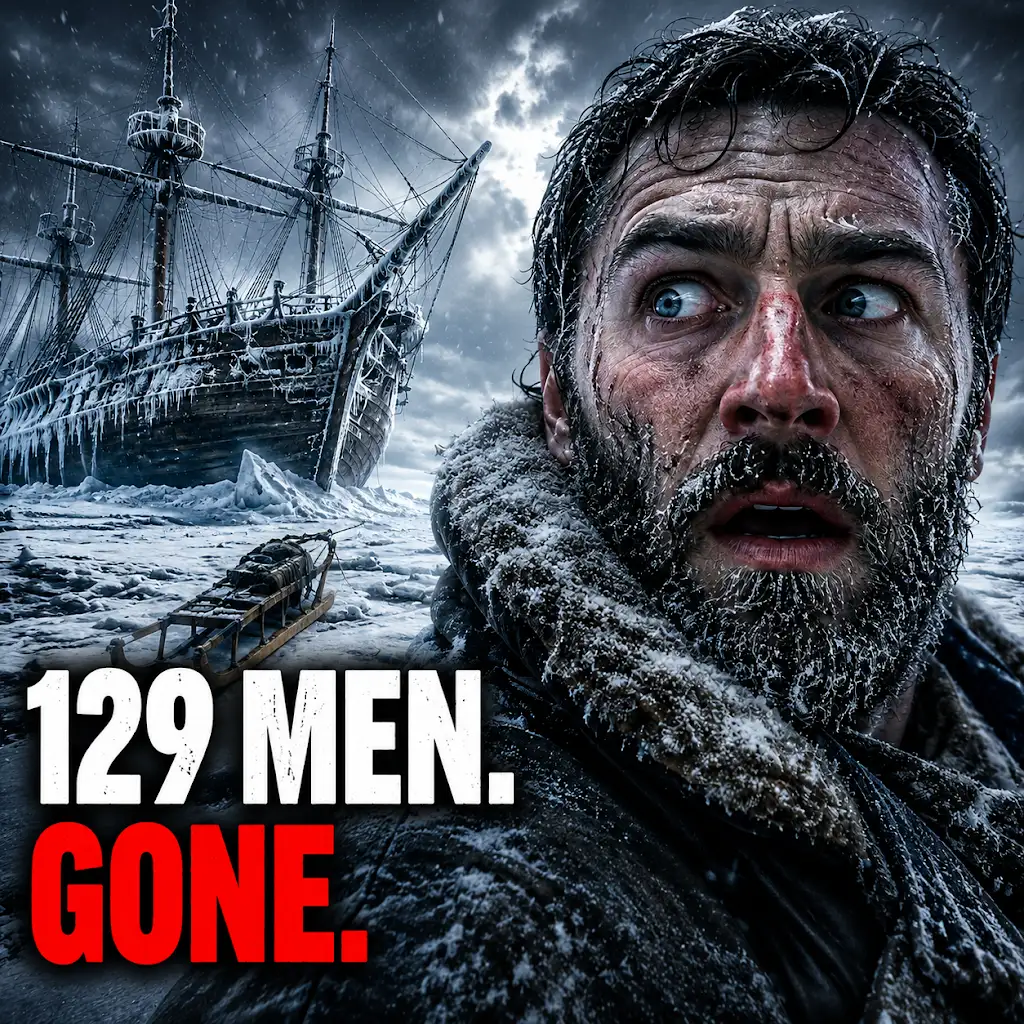
129 Men Vanished in the Arctic. Then We Found Their Ships.
FAQs
What is the Northwest Passage?
The Northwest Passage is a sea route that connects the Atlantic and Pacific Oceans through the Arctic Ocean. It is located along the northern coast of North America and is known for its treacherous and icy conditions.
What was the Northwest Passage exploration disaster?
The Northwest Passage exploration disaster refers to the failed attempt by Sir John Franklin and his crew to navigate the Northwest Passage in 1845. The expedition resulted in the loss of Franklin and his entire crew, and became one of the most infamous tragedies in the history of Arctic exploration.
What were the causes of the disaster?
The disaster was caused by a combination of factors, including harsh Arctic conditions, inadequate preparation and supplies, and the crew’s lack of experience in navigating the treacherous waters of the Northwest Passage. Additionally, lead poisoning from poorly sealed food cans may have contributed to the crew’s demise.
What were the consequences of the Northwest Passage exploration disaster?
The disaster led to a widespread search for Franklin and his crew, as well as numerous rescue missions and expeditions to uncover the fate of the lost explorers. It also sparked a renewed interest in Arctic exploration and the quest to find a navigable route through the Northwest Passage.
What is the significance of the Northwest Passage exploration disaster?
The Northwest Passage exploration disaster is significant for its impact on the history of Arctic exploration, as well as its role in shaping the geopolitical and economic interests in the Arctic region. It also serves as a cautionary tale about the dangers of exploring the unforgiving Arctic environment.